



We Are Open 24 Hours a Day, 7 Days a Week, Including Weekends and Public Holidays.

Stainless Steel Water Holding Tanks: Durable & Sustainable Water Storage Solutions
Understanding Stainless Steel Water Holding Tanks: Durable Solutions for Global Water Storage Needs
Water storage plays a pivotal role in everything from industrial applications to humanitarian relief worldwide. Among various materials and tank types, stainless steel water holding tanks stand out for their durability, hygiene, and long-term value. But what exactly are these tanks, why are they so important, and how do they meet modern challenges related to water storage? Frankly, understanding their features and benefits is crucial not just for industries, but also for governments and non-profits focused on safe, sustainable water management.
1. Global Context: Why Stainless Steel Water Holding Tanks Matter
Access to clean water is listed by the United Nations as a fundamental human right, yet an estimated 2.2 billion people still lack safely managed drinking water services globally (UNICEF/WHO 2023). Heightened industrial growth, population expansion, and climate change all stress water infrastructure. Here’s where stainless steel tanks shine: they provide reliable water containment that supports clean water delivery, emergency response, and industrial processes.
According to the International Organization for Standardization (ISO), stainless steel storage tanks exhibit high resistance to corrosion and contamination, making them a preferred solution in harsh environmental conditions. In fact, the global stainless steel tank market size is projected to grow steadily over the next decade as urbanization and water scarcity concerns intensify.
The challenge? Many traditional water storage options struggle with contamination, leaks, or require frequent replacement — situations that stainless steel tanks work hard to avoid.
2. What Are Stainless Steel Water Holding Tanks?
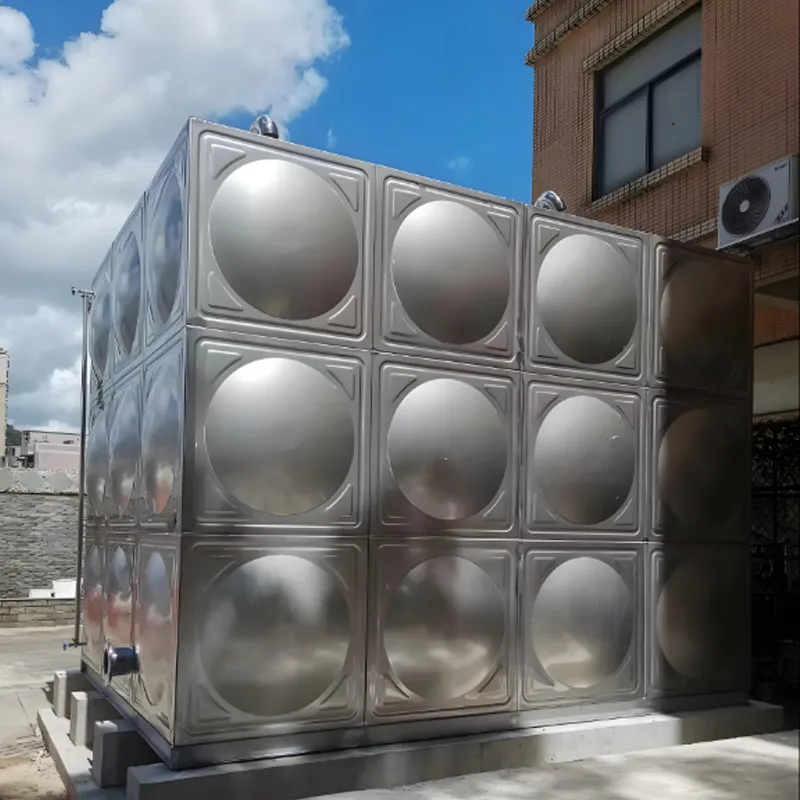
Simply put, these are containers made primarily of stainless steel designed to hold potable or non-potable water safely. Stainless steel is an alloy composed mainly of iron, chromium, and nickel, which grants it excellent strength and corrosion resistance.
Used widely across industries—from food processing and pharmaceuticals to municipal water systems and disaster relief—these tanks maintain water purity while withstanding physical and chemical stresses. In humanitarian settings, for instance, they serve as modular, transportable water reservoirs that ensure clean supply even in remote or crisis zones.
3. Core Components and Factors That Define Stainless Steel Water Holding Tanks
Durability
Unlike plastic or concrete tanks prone to cracking or degradation, stainless steel tanks boast multi-decade lifespans. Their resistance to rust and chemical wear means they keep water fresh and infrastructure intact.
Scalability
Stainless steel tanks can be custom-fabricated in various sizes—from small household units to massive industrial reservoirs exceeding 100,000 liters. This scalability is vital for tailored water management strategies.
Hygiene & Safety
The non-porous surface of stainless steel inhibits bacterial growth and biofilm formation, crucial for potable water safety. Plus, unlike coated or lined tanks, there’s no risk of leaching harmful chemicals.
Cost Efficiency Over Time
While initial investment in stainless steel tanks is generally higher, their low maintenance needs and long service life often translate to a lower total cost of ownership compared to alternatives.
Environmental Sustainability
Stainless steel is 100% recyclable without loss of quality. Its robust nature leads to reduced replacement rates and waste, aligning well with green infrastructure objectives.
Product Specification: Stainless Steel Tank Example
| Feature | Specification |
|---|---|
| Material Grade | 304 / 316 Stainless Steel |
| Capacity | 10,000 to 200,000 liters |
| Thickness | 2.0 to 5.0 mm |
| Surface Finish | Mirror or Matte Polished |
| Certifications | ISO 9001, NSF/ANSI 61 |
| Installation | Above Ground or Buried |
Mini Takeaway: The mix of strength, hygiene, and adaptability make stainless steel water holding tanks an investment in long-term, reliable water storage.
4. Global Applications and Use Cases
- Municipal Water Systems: Cities rely on stainless steel tanks to store treated water, ensuring consistent and contamination-free supply.
- Industrial Facilities: Many chemical and food plants require corrosion-resistant tanks for both potable and process water needs.
- Humanitarian Relief: Post-disaster zones benefit from quick-install modular stainless steel tanks supplying safe water amid infrastructure collapse.
- Agriculture & Irrigation: Large farms store rainwater or pumped supplies in stainless steel tanks to manage watering efficiently.
- Remote & Mining Sites: Isolated operations use durable water tanks to maintain vital water reserves despite harsh conditions.
For instance, in Southeast Asia, NGOs deploy stainless steel water tanks in flood-affected regions to prevent outbreaks of waterborne diseases—a practical demonstration of their social impact.
Vendor Comparison: Leading Stainless Steel Water Holding Tank Providers
| Vendor | Product Range | Customization | Global Reach | Price Level |
|---|---|---|---|---|
| Long Xuan FRP | Small to XXL tanks | High customization | Asia, Africa, Americas | Mid to Premium |
| SteelTech Corp | Medium to large tanks | Standard sizes | North America, Europe | Mid range |
| Global Tank Solutions | Full spectrum | Custom & modular | Worldwide | Premium |
5. Advantages and Long-Term Value
Investing in stainless steel tanks isn’t just about meeting immediate water storage needs. It also means:
- Reliability: You avoid leaks, contamination, and frequent replacement hassle.
- Sustainability: Recyclable materials and long lifespans reduce environmental footprints.
- Social Impact: Safer water storage means healthier communities and enhanced dignity.
- Cost-Effective: Lower maintenance costs free up budget for other priorities.
There's something almost poetic in how these tanks stand, quietly protecting one of the planet's most precious resources.
6. Future Trends and Innovation
Looking ahead, stainless steel water holding tanks are evolving with:
- Smart sensors: Digital monitoring for leakage, water quality, and temperature.
- Eco-friendly coatings: Advanced, non-toxic surface treatments for extra protection.
- Integration with renewable energy: Solar-powered pumping and filtration systems.
- Modular design improvements: Easier transport and assembly for rapid deployment.
Oddly enough, while the tanks themselves seem classic, the tech around them is very much 21st-century.
7. Challenges and Solutions
Stainless steel tanks aren’t without challenges. Initial cost can deter small operations, and fabrication requires skilled labor. Corrosion may still occur if harsh chemicals penetrate protective layers. However, innovations like laser welding and enhanced alloy formulas help address durability issues. Financing models and leasing programs are increasingly available to ease upfront costs.
8. FAQ: Your Questions on Stainless Steel Water Holding Tanks
- Q: How long do stainless steel water holding tanks typically last?
- A: With proper maintenance, these tanks can last 20 to 50+ years, often exceeding alternatives by decades.
- Q: Are these tanks suitable for storing drinking water?
- A: Absolutely. They maintain water purity due to corrosion resistance and non-porous surfaces, meeting health standards.
- Q: Can stainless steel tanks be customized to fit specific site conditions?
- Yes, manufacturers often offer tailored sizes, shapes, and fittings to suit diverse industrial and municipal needs.
- Q: How do stainless steel tanks handle extreme weather?
- They resist UV damage, temperature fluctuations, and corrosion, making them ideal for harsh or variable climates.
- Q: Are these tanks eco-friendly?
- Yes, stainless steel is fully recyclable, and long service life reduces waste. Plus, modern processes minimize environmental impact.
9. Conclusion: The Smart Choice in Sustainable Water Storage
For anyone serious about reliable, hygienic, and sustainable water storage, stainless steel water holding tanks represent a top-tier solution. They answer the global call for secure water infrastructure — whether in sprawling cities, rural farms, or disaster zones. If you’re ready to explore stainless steel tanks tailored to your project, visit our website and get in touch. The future of water storage feels solid — and stainless steel is a big part of that story.
Mini Takeaway: Durable, scalable, and eco-conscious — stainless steel water tanks protect not just water, but communities and industries worldwide.
References






Address
20 Xingyuan South Street, Zaoqiang County, Hengshui City, Hebei Province, China


