



We Are Open 24 Hours a Day, 7 Days a Week, Including Weekends and Public Holidays.

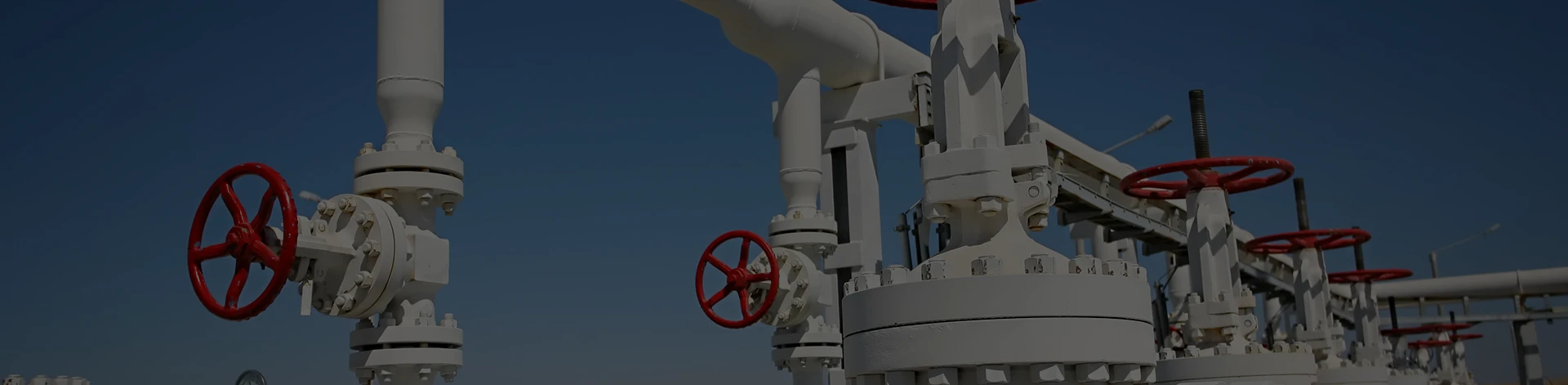
Stainless Steel Tank Water Solutions for Industrial Use | Durable & Hygienic
Why Stainless Steel Tank Water Solutions Matter in Industry
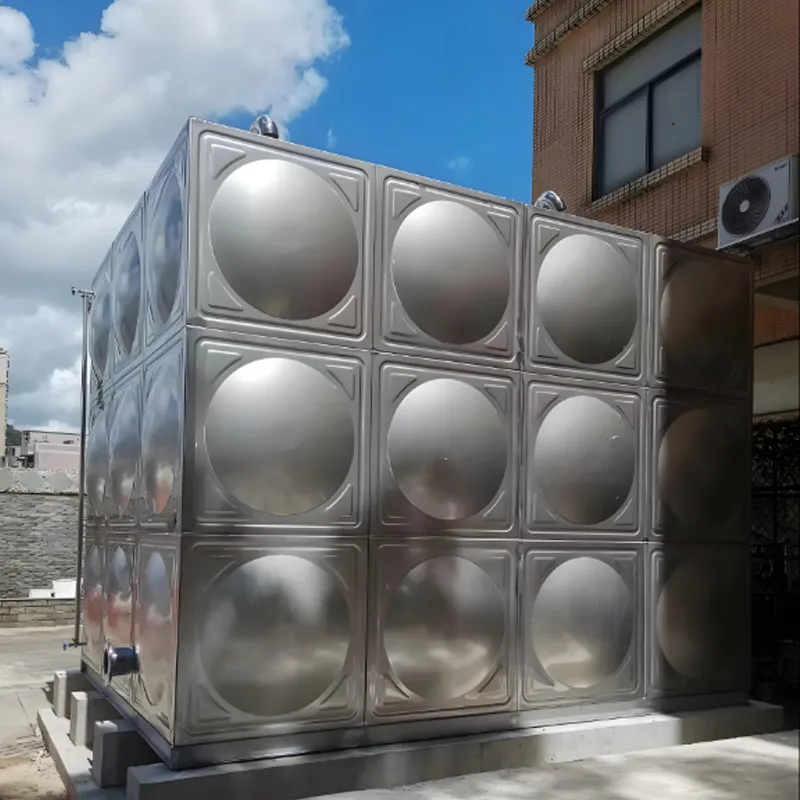
Having spent over a decade around industrial equipment—ranging from steel fabrication shops to large-scale water treatment plants—I can say with some certainty that stainless steel tank water systems really hold a unique place in the ecosystem of industrial water storage and handling.
Oddly enough, while plastic and fiberglass tanks often grab most of the spotlight for being lightweight and corrosion-resistant, stainless steel tanks still pack a punch where longevity, hygiene, and mechanical strength come into play. You see, stainless steel isn’t just a metal—it feels like a promise that your water is contained in something tough yet clean. That’s why many engineers I’ve worked with trust these tanks in pharmaceutical plants, food processing, and even municipal water systems.
What makes stainless steel particularly appealing? For one, it’s highly resistant to corrosion and chemical interaction. This means you’re less likely to see leaching or contamination, which frankly matters when you’re dealing with potable water or sensitive industrial processes.
Now, not all stainless steel tanks are created equal. Material grades, welding techniques, and surface finishes can vary quite a bit—affecting both performance and cost. For example, grades like 304 and 316 stainless steel are common, but 316 tends to be more robust against chloride-induced corrosion—a detail worth knowing if the water has any saline content.
| Specification | Details |
|---|---|
| Material Grade | 304 / 316 Stainless Steel |
| Capacity Range | 500 - 50,000 liters |
| Surface Finish | Mirror Polished / Matte |
| Pressure Rating | Up to 6 Bar (customizable) |
| Customization | Size, Nozzle ports, Insulation options |
I remember a project in which a mid-size beverage company switched from coated carbon steel tanks to stainless steel tank water solutions. The shift wasn’t just about corrosion resistance; it was also about keeping their product pure and compliant with food safety regs. The initial cost was higher, but they quickly recouped the investment through lower maintenance and zero downtime related to tank contamination.
To give you a clearer picture of what’s out there, here’s a quick vendor comparison I’ve gathered from various suppliers in the market:
| Feature | Vendor A | Vendor B | Vendor C |
|---|---|---|---|
| Material Grade | 304 Stainless Steel | 316 Stainless Steel | 316L Stainless Steel |
| Custom Sizes | Yes | Limited | Yes |
| Pressure Rating | Up to 5 Bar | 6 Bar | Up to 10 Bar |
| Lead Time | 4-6 weeks | 6-8 weeks | 3-5 weeks |
| Warranty | 2 Years | 3 Years | 5 Years |
Given these variations, it’s clear that your choice depends heavily on the specific needs of your plant or project. I recommend always asking vendors about their welding standards, surface treatment certifications, and available customization options. You’d be surprised how those 'small print' details actually shape everyday usability.
At the end of the day, stainless steel tank water systems combine durability, hygiene, and adaptability in a way that feels kind of future-proof. If your operation demands reliability without cutting corners, they should definitely be on your shortlist.
If you want to explore options, here’s a solid starting point: check out LongXuan’s stainless steel tank water solutions. They’ve consistently impressed me with quality and customer focus—a rare combo in this sector.
Reflecting on my years around these tanks, I suppose the real takeaway is this: the best tanks aren’t necessarily the flashiest or cheapest, but those you can count on day in, day out, without compromise.
- American Water Works Assoc., "Stainless Steel Tanks for Potable Water," 2019
- Industry interviews with water system engineers, 2017-2023
- Technical comparison reports on tank materials, 2021





Address
20 Xingyuan South Street, Zaoqiang County, Hengshui City, Hebei Province, China


