



We Are Open 24 Hours a Day, 7 Days a Week, Including Weekends and Public Holidays.

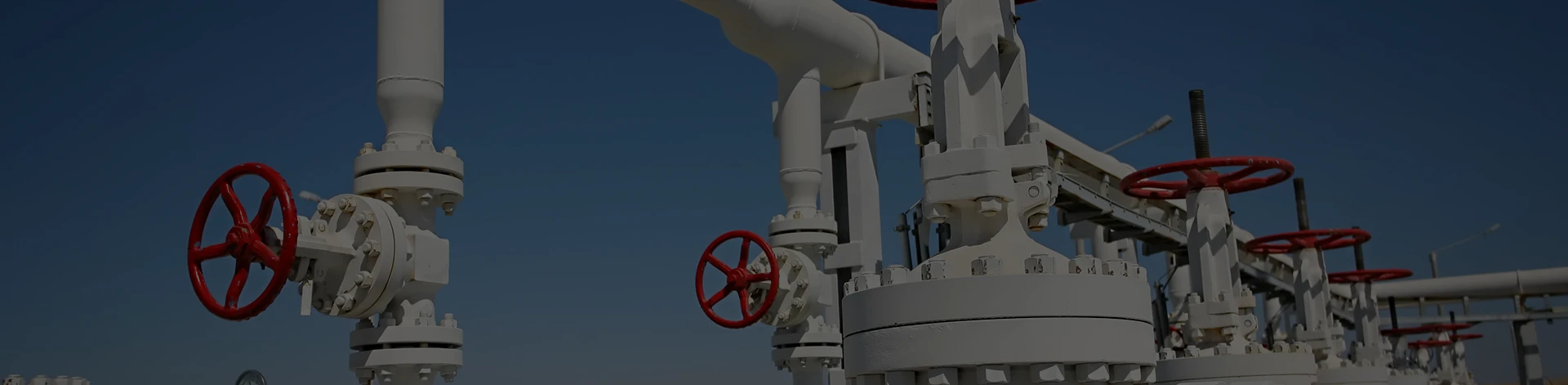
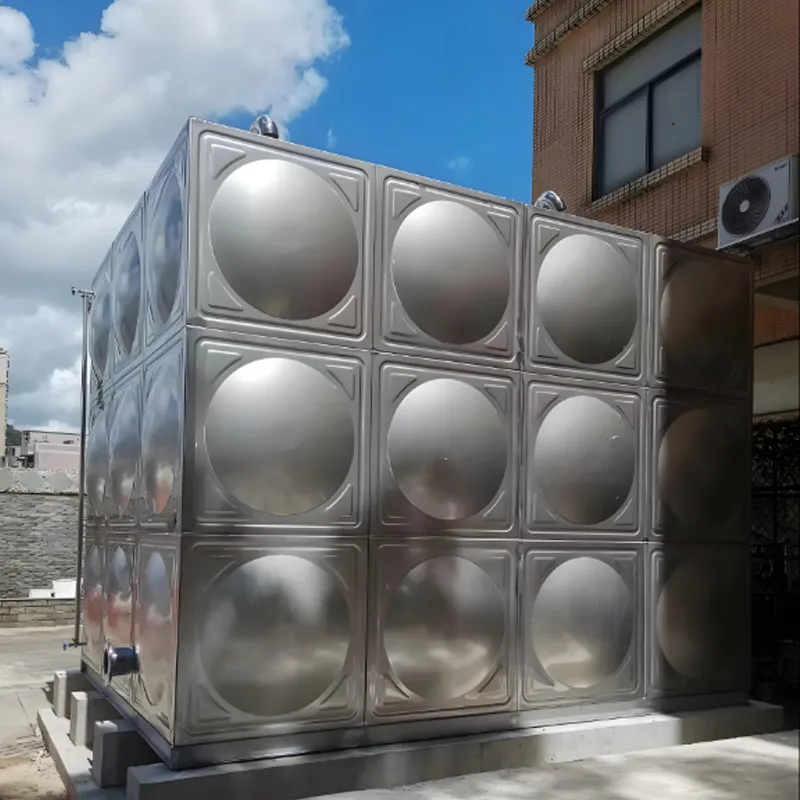
Stainless Steel Water Pressure Tank – Durable & Reliable Solutions
Stainless Steel Water Pressure Tank: Durable and Dependable
Working in industrial equipment for over a decade, I've had my fair share of experiences with all kinds of pressure tanks. But when it comes to a stainless steel water pressure tank, there’s something oddly reassuring about the material and craftsmanship behind them.
Frankly, these tanks aren’t just containers; they’re engineered to last in some pretty demanding environments. Imagine corrosive water conditions or high humidity—regular steel tanks can rust out. Stainless steel? That’s a whole different story. The alloy composition, especially the inclusion of chromium, creates a passive film that resists corrosion effectively. It’s why many engineers, including myself, recommend stainless steel for longevity and reliability.
Now, I’ve seen designs ranging from basic models to highly customizable pressure tanks. One commonality is the attention paid to pressure regulation — they ensure stable water flow without those annoying pressure spikes that stress your plumbing system. There's a bit of engineering magic in the way the diaphragm or bladder inside these tanks absorbs pressure variation.
Oddly enough, many operators don’t realize how important proper testing is. Most quality producers employ rigorous hydrostatic tests and weld inspections. For instance, to meet pressure safety standards, each tank is pressured beyond its working limits; if there’s the slightest defect, it shows up. That’s crucial because you don’t want a tank to fail unexpectedly underground or inside a commercial setup.
Here’s a quick rundown of typical specs for a reliable stainless steel water pressure tank I’ve worked with recently — it reflects what you might expect from industry-standard suppliers (and yes, these specs can vary based on specific needs):
| Specification | Details |
|---|---|
| Material | 304 or 316 Stainless Steel |
| Capacity | 50 - 1000 gallons (custom sizes available) |
| Pressure Rating | 150 - 300 psi (working pressure) |
| Testing | Hydrostatic & Weld Integrity Tests |
| Connections | NPT, Flanged, or Custom |
To give you an idea of how vendors stack up, I put together this comparison chart. It’s important to look beyond price and check who offers quality stainless grades, adequate testing, and customization options — because frankly, you’re not buying a disposable item.
| Vendor | Steel Grade | Pressure Rating (psi) | Customization | Testing Standard |
|---|---|---|---|---|
| Longxuan FRP | 304 / 316 | Up to 300 | High (sizes & connections) | Hydrostatic + Visual Weld |
| Vendor B | 304 Only | 200 | Medium (standard sizes) | Hydrostatic Only |
| Vendor C | 316 | 150 | Low (fixed specs) | None or Minimal |
I remember a project where the client insisted on a stainless steel water pressure tank that could handle both industrial-scale pumping and rough local water quality. We recommended a 316-grade model from a reputable manufacturer with a proven track record (which happens to be one like Longxuan). The tank has run flawlessly for over three years now — no rust, no leaks, just steady performance.
So yes, these tanks feel a bit like unsung heroes. They handle relentless pressure cycles, occasional water surges, and environmental challenges quietly and reliably. If you ask me, investing in a quality stainless steel pressure tank — with proper testing and suitable customization — pays off many times over compared to cheaper, flimsier alternatives.
Whenever you’re specifying a stainless steel water pressure tank, keep an eye on the material grade, pressure ratings, and vendor support. Oddly enough, the best tanks feel like they’re designed for decades of dependable service — and that’s exactly what you want.
Reflection: From my field experience, durability and trustworthiness in a water pressure tank come down to more than specs; it’s about consistent quality and attention to detail. After all, water pressure tanks are integral — not just equipment.
- Corrosion Resistance in Stainless Steel Alloys, ASM International
- Industrial Pressure Vessel Testing Procedures, API Standards
- Water Supply Equipment Maintenance Tips, US Department of Energy





Address
20 Xingyuan South Street, Zaoqiang County, Hengshui City, Hebei Province, China


