



We Are Open 24 Hours a Day, 7 Days a Week, Including Weekends and Public Holidays.

Stainless Steel Potable Water Tanks for Trucks: Durable, Safe, and Essential for Global Water Transport
What Are Stainless Steel Potable Water Tanks for Trucks and Why Do They Matter?
At first glance, a stainless steel potable water tank for trucks might seem like just another industrial component. But hold on — these marvels play a surprisingly critical role worldwide in ensuring safe, clean water reaches people and places that really need it. From humanitarian missions delivering fresh water to disaster zones, to industries operating in remote regions where infrastructure is lacking, these tanks are essential.
Understanding these tanks unlocks insights into global water safety, sustainability efforts, and the engineering feats that support modern logistics. In fact, the United Nations highlights access to safe potable water as a key Sustainable Development Goal—one that stainless steel portable tanks for trucks help advance. So whether you manage fleet logistics or just appreciate smart infrastructure, getting familiar with these tanks is well worth your time.
Global Context: Why the Stainless Steel Potable Water Tanks for Trucks Are a Game-Changer
Here’s a quick fact: billions of people worldwide lack reliable access to drinkable water. It’s no secret that transporting safe water is a challenge — contamination risks, infrastructure gaps, and extreme weather threaten supply chains. This is where stainless steel potable water tanks for trucks step up, offering a durable, hygienic option to store and move water safely.
According to the World Bank, over 2 billion people still face unsafe drinking water, and mobile water supply solutions like these tanks are invaluable, especially in disaster response or rural servicing. ISO standards for potable water container safety add another layer of quality assurance, making stainless steel tanks a trusted choice.
Stainless Steel Potable Water Tanks for Trucks: What Exactly Are They?
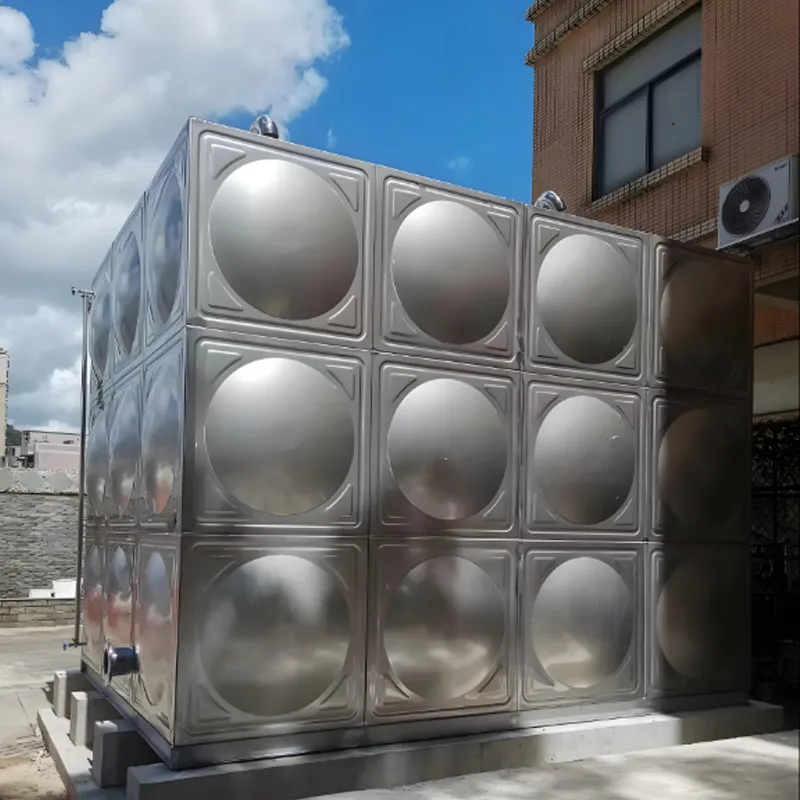
Simply put, these are specially designed stainless steel tanks fitted on trucks, meant to securely carry drinkable water. Unlike ordinary water tanks, they meet strict hygienic criteria preventing chemical leaching or bacterial contamination thanks to stainless steel’s inert and corrosion-resistant nature. Think of them as rolling reservoirs of safe hydration, ready to deploy wherever roadways or rough terrains permit.
Industrially, they serve mining camps, oil fields, agricultural sites, and construction zones. Humanitarian organizations use them for emergency water distribution. So, these tanks blend modern metallurgical advances with practical needs — a neat intersection of tech and humanitarianism.
Key Factors Defining Stainless Steel Potable Water Tanks for Trucks
1. Durability
Stainless steel resists rust, chemical erosion, and physical stress. This robustness means fewer replacements and safer water delivery over the tank’s lifespan — often 10+ years with proper care.
2. Hygiene and Safety
Because the material is nonporous and corrosion-resistant, it minimizes bacterial growth. This is crucial in keeping water potable during transport, meeting ISO certification for food-grade containers.
3. Capacity and Scalability
Tanks come in various sizes, typically 500 to 10,000 liters, adaptable to different truck models and water demands. This flexibility allows scalable solutions from small delivery to large-scale supply chains.
4. Cost Efficiency
Initially pricier than plastic or fiberglass tanks, but the lifecycle cost including longevity, low maintenance, and safety significantly offsets expenses.
5. Environmental Impact
Recyclable stainless steel and fewer replacements mean smaller environmental footprints compared to disposables or plastics.
Quick Product Specification Table
| Feature | Specification |
|---|---|
| Material | 304 or 316 Stainless Steel (Food Grade) |
| Capacity Range | 500 L – 10,000 L |
| Pressure Rating | Up to 4 bar (varies with model) |
| Sanitation Features | Welded seams, smooth polish, closed valve systems |
| Typical Lifespan | 10–20 years (with maintenance) |
Global Applications & Use Cases
I've seen these tanks deployed everywhere — from Africa’s drought-prone regions aiding relief agencies to Australia’s vast cattle stations where road trips can last days without fresh water stops. Let’s highlight a few key scenarios:
- Disaster Relief: After earthquakes or floods, emergency water trucking is vital. Stainless steel potable water tanks provide reliable, uncontaminated water supply.
- Remote Industry: Mining or oil operations in harsh environments use these tanks to guarantee safe water for workers and equipment.
- Agriculture: In drought-afflicted zones, farmers rely on mobile, clean water sources preserved by these tanks.
- Military Logistics: Armed forces use them in expeditionary operations where infrastructure is minimal.
The overall takeaway? These tanks aren’t just containers; they’re critical enablers of human resilience and industry.
Vendor Comparison Table
| Feature | Vendor A | Vendor B | Vendor C |
|---|---|---|---|
| Material Grade | 304 SS | 316 SS | 304 SS |
| Max Capacity | 8,000 L | 10,000 L | 7,500 L |
| Sanitation Features | Closed valve, UV coating | Polished interior, automatic sanitizing | Welded seams, manual sanitizing |
| Warranty | 5 years | 7 years | 3 years |
| Price Range | $$$ | $$$$ | $$ |
Advantages & Long-Term Value of Stainless Steel Potable Water Tanks
Why go stainless steel over alternatives? The reasons stack up:
- Safety First: No chemical contamination, no rust, preserving water taste and health.
- Longevity: Saving money long-term with durable construction and fewer repairs.
- Environmental Responsibility: Fully recyclable material and reduced waste.
- Trust & Reliability: Peace of mind for users, whether municipalities or military units.
Frankly, the tanks epitomize innovation meeting human needs — creating value beyond just holding water.
Future Trends & Innovations
Looking ahead, expect to see integration with digital monitoring systems— IoT sensors tracking water quality and tank integrity in real time. Mixed materials might emerge for weight-saving, though stainless steel remains a gold standard. Also, green energy powered sanitizing units and solar-powered pumping solutions are gaining traction.
Policy-wise, heavier compliance with water safety and environmental standards worldwide will push demand for higher-quality stainless steel tanks. It’s a nifty space where engineering and sustainability progress hand in hand.
Challenges & Expert Solutions
Nothing’s perfect, right? Here are a few hurdles:
- Cost: Higher upfront capex might deter smaller operations.
- Weight: Stainless steel tanks add significant weight, impacting fuel efficiency.
- Maintenance: While low compared to alternatives, occasional cleanings must be thorough.
Experts suggest modular tank designs and hybrid materials to reduce weight and cost. Also, regular scheduled sanitation protocols paired with technology help maintain water quality effortlessly.
FAQ: Common Questions About Stainless Steel Potable Water Tanks for Trucks
Q1: How do stainless steel tanks ensure water stays potable during transport?
A1: Stainless steel’s non-reactive surface prevents chemical leaching and bacterial growth. Coupled with sealed valves and sanitary welds, the tanks maintain a clean environment that protects water quality throughout transit.
Q2: Can these tanks be customized for different truck sizes?
A2: Yes! Manufacturers offer tailored designs varying in capacity and shape to fit different vehicles, ensuring optimal weight distribution and compliance with road regulations.
Q3: Are stainless steel tanks better than plastic or fiberglass alternatives?
A3: While plastics cost less upfront, stainless steel tanks offer superior durability, safety, and lifespan — factors that often justify the higher initial investment.
Q4: What maintenance is required for these tanks?
A4: Routine cleaning, inspection for leaks or corrosion, and sanitization ensure the tank stays safe for potable water. The good news? Stainless steel’s resilience makes these tasks relatively simple.
Wrapping Up: Why Stainless Steel Potable Water Tanks for Trucks Matter Long-Term
In real terms, these tanks represent more than engineering products — they’re vital lifelines facilitating safe water access in diverse, challenging conditions worldwide. Their sturdy build, hygienic properties, and adaptability respond to critical needs in industry and humanitarian aid alike.
If you’re seeking reliable, safe water transportation solutions, it’s worth exploring stainless steel tanks further. For detailed specs, custom options, or consultation, please visit our stainless steel potable water tanks for trucks page. Your journey to safer water transport starts here.
Just a small reflection: I suppose when you see these tanks in action, you realize how often we take clean water for granted. Ensuring its safe delivery calls for toughness, smart design, and a bit of ingenuity — qualities stainless steel tanks embody quite well.






Address
20 Xingyuan South Street, Zaoqiang County, Hengshui City, Hebei Province, China


