



We Are Open 24 Hours a Day, 7 Days a Week, Including Weekends and Public Holidays.

Stainless Steel Potable Water Tank: Durable, Hygienic Water Storage Solutions
Understanding Stainless Steel Potable Water Tanks: A Global Necessity
Water—clean, safe water—is arguably our most precious resource. Across industries and communities worldwide, the need for reliable water storage solutions is critical. Among these, the stainless steel potable water tank stands out as a vital innovation. But why the fuss over such tanks? Well, they’re central in storing potable (drinkable) water safely, preventing contamination, and ensuring water quality remains uncompromised, whether in sprawling cities or remote areas.
Globally, the demand for potable water storage is climbing steadily. According to the United Nations Water Program, nearly 2.2 billion people lack access to safely managed drinking water services. Stainless steel tanks, renowned for their durability and hygiene, offer a scalable solution to this immense challenge.
What Exactly Is a Stainless Steel Potable Water Tank?
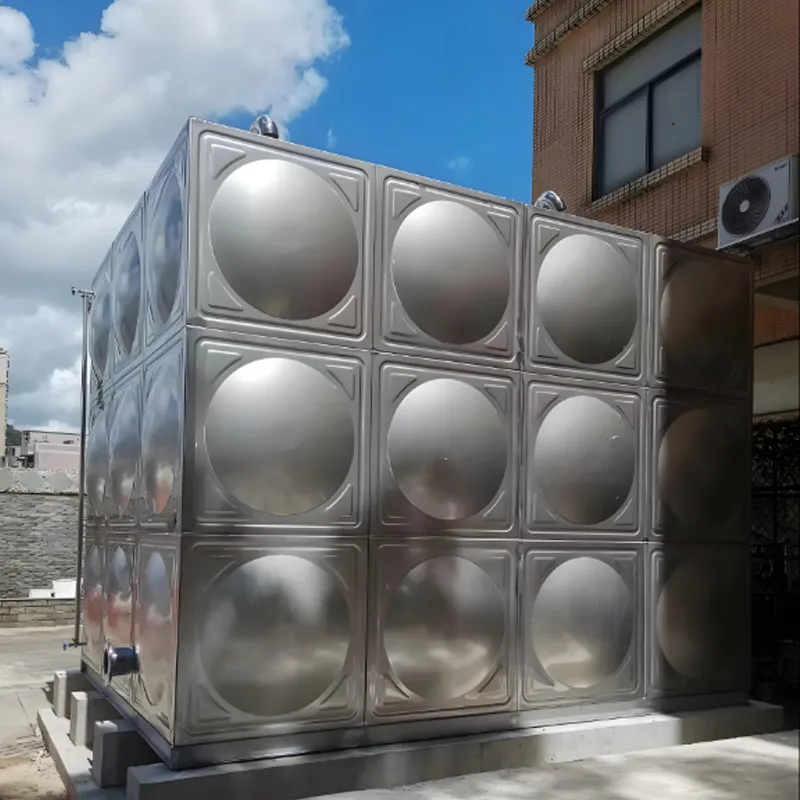
Simply put, a stainless steel potable water tank is a storage container made from corrosion-resistant stainless steel, designed specifically for holding drinking water. Unlike conventional tanks made from plastics or concrete, these tanks minimize contamination risks thanks to stainless steel’s inert nature. They’re often found in municipal water systems, industrial plants, hospitals, schools, and various humanitarian projects.
In real terms, they meet strict sanitary standards (think ISO 22000 for food-grade materials), which makes them indispensable where water hygiene can’t be compromised.
Core Aspects of Stainless Steel Potable Water Tanks
1. Durability & Corrosion Resistance
Stainless steel’s hallmark is its resistance to rust and corrosion—even in harsh environments. Whether deployed in humid coastal zones or arid deserts, these tanks hold their integrity for decades, unlike typical metal or plastic tanks that degrade much faster.
2. Hygiene & Water Safety
Unlike some plastics, stainless steel doesn’t leach harmful chemicals into water. The smooth, non-porous surface resists bacterial buildup, helping maintain water quality and taste. This connection to safety is why many health departments worldwide prefer stainless steel:
- Minimum microbial contamination
- Easy to clean and sterilize
3. Scalability & Customization
These tanks come in various sizes—from a modest 500-liter unit to massive industrial tanks holding thousands of liters. Plus, they can be customized with coatings, insulation, or special fittings for specific needs.
4. Cost Efficiency Over Time
Admittedly, stainless steel tanks have a higher upfront cost compared to plastics. But in long-term perspectives, their lifespan and low maintenance often make them more economical, especially in large-scale or critical projects.
Specifications of a Typical Stainless Steel Potable Water Tank
| Feature | Specification |
|---|---|
| Material Grade | 304 or 316L stainless steel |
| Capacity Range | 500 liters to 50,000 liters+ |
| Wall Thickness | 1.5 mm to 3 mm (varies by size) |
| Certifications | NSF 61, ISO 9001, FDA-compliant coatings |
| Custom Features | Insulation, UV protection, sanitary fittings |
Global Applications & Use Cases
The versatility of stainless steel potable water tanks is clear once you look globally.
- Urban Infrastructure: Cities like Tokyo and Dubai use massive stainless tanks in municipal water reserves, ensuring consistent supply amid population growth.
- Humanitarian Aid: Post-disaster relief efforts by organizations like Red Cross rely on portable stainless tanks for rapid deployment of safe drinking water.
- Industrial Settings: Chemical and food-processing plants demand sanitary storage for water used in processing lines.
- Rural and Remote Areas: In sub-Saharan Africa and parts of Southeast Asia, stainless tanks help communities store and protect water from contamination.
One fascinating example: a remote mining operation in Australia retrofitted stainless steel tanks with solar-powered filtration, merging durability with renewable tech to provide potable water reliably.
Advantages & Long-Term Value
There’s more than just functional utility here. Stainless steel potable water tanks embody safety, trust, and innovation. They build community resilience by ensuring water safety, advancing sustainability:
- Sustainability: Steel is 100% recyclable, putting the tanks in a closed-loop lifecycle.
- Safety and Peace of Mind: Knowing water is securely stored encourages healthier habits and reduces disease.
- Return on Investment: The upfront cost often pays off after years of reliable use and fewer replacements.
Vendor Comparison at a Glance
| Vendor | Material Grade | Price Range | Lead Time | Customization Options |
|---|---|---|---|---|
| Longxuan FRP | 304/316L | $$$ (mid-high) | 4–6 weeks | Full customization plus coatings |
| Global Tanks Inc. | 304 | $$ (mid) | 3–5 weeks | Standard sizes, limited coatings |
| AquaSafe Solutions | 316L | $$$$ (premium) | 6–8 weeks | Advanced coatings, smart sensors |
Future Trends and Innovations
Technologies in the stainless steel potable water tank space continue advancing:
- Smart Monitoring: Integration of IoT sensors to track water quality, usage, and tank integrity remotely.
- Green initiatives: Using solar-powered treatment and filtration combined with tanks to reduce environmental footprints.
- Modular & Portable Designs: Rapid deployment tanks that can be assembled quickly for emergencies or industrial moves.
- Advanced Coatings: Anti-bacterial and UV-resistant finishes to further safeguard stored water.
Challenges & Solutions
Despite their many advantages, stainless steel tanks are not without obstacles. High initial investment or transport logistics to remote sites can be barriers. Plus, welding and fabrication require skilled labor to maintain quality standards.
Innovative approaches to these challenges include:
- Modular kits: Prefabricated components shipped flat and assembled onsite, reducing shipping costs and handling damage.
- Training programs: Investing in regional fabrication skills to improve local maintenance.
- Collaborations with NGOs: To subsidize costs and facilitate deployments in vulnerable regions.
FAQ: Frequently Asked Questions About Stainless Steel Potable Water Tanks
- What makes stainless steel tanks better than plastic for potable water?
- Stainless steel provides superior corrosion resistance, no chemical leaching, and easier sanitation compared to plastic tanks, making it safer and more durable for drinking water storage.
- How long can a stainless steel potable water tank last?
- With proper maintenance, these tanks can last 20 to 50 years, far outlasting typical plastic or concrete tanks subject to cracking or degradation.
- Are stainless steel tanks suitable for all climates?
- Absolutely. Their corrosion-resistant properties suit coastal, desert, humid, and even freeze-prone environments, especially with proper coatings or insulation.
- Can stainless steel tanks be customized for special water treatment?
- Yes. They can be fitted with internal coatings, filtration attachments, and sensor systems to monitor water quality in real time.
- How do I import stainless steel potable water tanks internationally?
- Work with manufacturers like Longxuan FRP who provide export services including shipping, customs documentation, and installation support.
Conclusion
So, when we talk about stainless steel potable water tanks, we’re really diving into a cornerstone of global water security. Their unmatched durability, hygienic benefits, and adaptability place them at the forefront of potable water storage solutions. Frankly, they help safeguard health and dignity around the world—whether in bustling metropolises, rural villages, or emergency relief camps.
If you’re exploring robust potable water storage options, do check out reputable suppliers like Longxuan FRP to see what fits your needs.
Water’s future is stainless, safe, and smart.
Quick Takeaways:
- Stainless steel tanks offer unparalleled hygiene and durability for potable water.
- They meet global sanitary standards vital for public health.
- Long-term savings come from reduced maintenance and longer lifespan.
- Emerging tech boosts smart monitoring and sustainability potential.
References
- United Nations Water – global water access statistics
- Wikipedia: Stainless Steel
- ISO 22000 Food Safety Management






Address
20 Xingyuan South Street, Zaoqiang County, Hengshui City, Hebei Province, China


