



We Are Open 24 Hours a Day, 7 Days a Week, Including Weekends and Public Holidays.

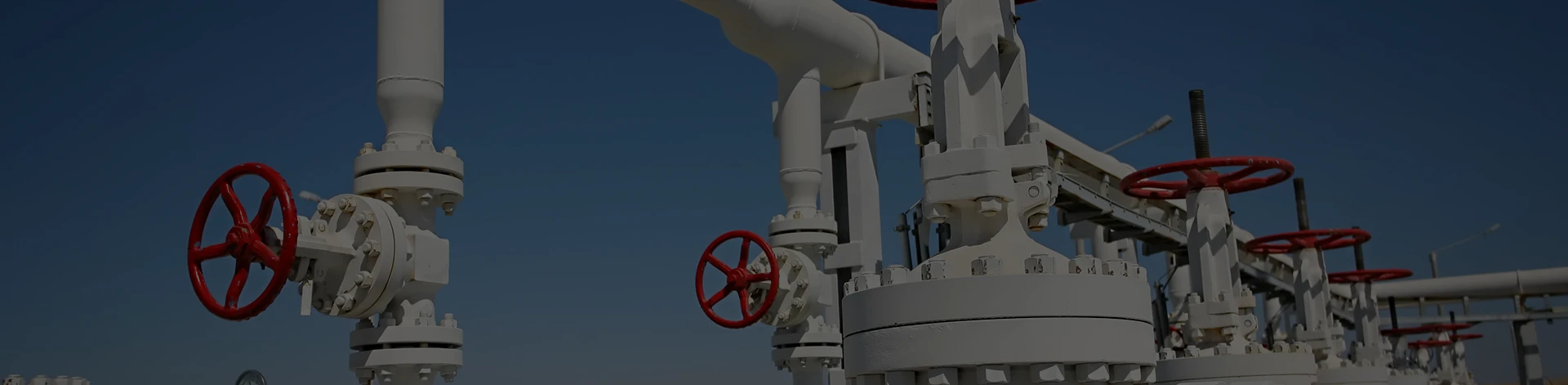
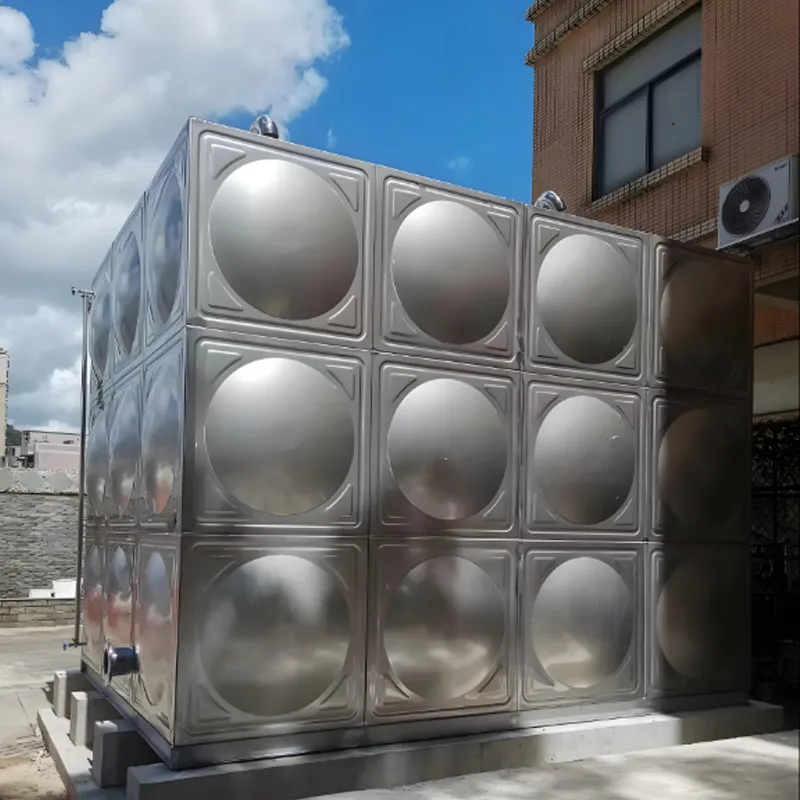
Stainless Steel Potable Water Storage Tanks: Durable, Safe & Sustainable Solutions
Stainless Steel Potable Water Storage Tanks: Essential for Safe & Sustainable Water Management
Water is, simply put, the lifeblood of societies everywhere — yet safely storing it is often overlooked. Stainless steel potable water storage tanks play an unsung but vital role in ensuring clean water reaches communities reliably. Globally, as populations grow and climate challenges rise, understanding how these tanks work, their benefits, and where they fit into our infrastructure becomes increasingly important. They marry durability with hygiene, promising safe drinking water storage without the worries of contamination or corrosion.
Introduction: Why Stainless Steel Potable Water Storage Tanks Matter Globally
Did you know that over 2 billion people worldwide still lack access to safely managed drinking water (UNICEF/WHO, 2023)? Challenges range from infrastructural gaps to contamination risks. Stainless steel potable water storage tanks help address these by providing clean, corrosion-resistant reservoirs for water in cities, remote villages, and industrial zones alike.
The World Bank highlights the need for durable water storage to improve public health outcomes and economic productivity. But the problem is complex: conventional tanks, often made from plastic or concrete, deteriorate faster or leach contaminants. Stainless steel tanks offer a resilient alternative — though they come with investment considerations.
In real terms, selecting the right material for water storage can mean the difference between continuous safe supply and costly maintenance or health hazards. So it’s worth digging into what stainless steel tanks bring to the table.
What Exactly Are Stainless Steel Potable Water Storage Tanks?
Simply put, these are containers made primarily from stainless steel alloys specifically designed to hold drinking water safe for human consumption. “Potable” means the water inside meets health standards—no bacteria, chemicals, or tastes that cause alarm.
Owing to stainless steel’s corrosion resistance and sanitary surface qualities, these tanks have become popular in modern water systems—hospitals, food processing plants, municipalities, and NGOs involved in humanitarian aid find particular value in them.
Core Components That Make Stainless Steel Water Tanks Effective
Durability & Corrosion Resistance
Stainless steel’s key feature is its chromium content, which creates a protective oxide layer preventing rust and corrosion even when in constant contact with water. This translates to decades-long lifespans, especially compared to fiberglass or polymer tanks which degrade under UV or chemicals.
Hygiene & Water Quality
The smooth interior surfaces discourage bacteria build-up and biofilm formation. Plus, stainless steel doesn't impart flavors or odors, so water tastes fresh and clean — crucial for potable storage.
Scalability & Customization
From small rooftop tanks to huge industrial reservoirs, stainless steel tanks can be custom-fabricated to fit diverse needs. This flexibility allows them to serve anywhere from rural clinics to multinational production lines.
Cost Efficiency over Time
While initially pricier than plastic or concrete options, stainless steel tanks require less maintenance and have far fewer replacement cycles — a win for long-term project budgets.
Environmental Impact & Sustainability
Interestingly, stainless steel is often highly recyclable at end of life, reducing waste. And manufacturers are increasingly incorporating green production methods.
Structural Integrity & Safety
They withstand seismic activity and extreme temperatures without cracking or leaking, making them a reliable choice for disaster-prone locales.
Typical Specs of Stainless Steel Potable Water Storage Tanks
| Specification | Typical Value/Range |
|---|---|
| Material Grade | 304 / 316 Stainless Steel |
| Capacity | 500 liters to 100,000+ liters |
| Wall Thickness | 1.5 mm to 3.0 mm |
| Design Pressure | Up to 1.5 bar (varies by design) |
| Certifications | NSF 61, ISO 9001, WHO compliance |
| Lifespan | 20–30+ years with maintenance |
Global Applications & Where They Shine
It’s odd, but these tanks pop up in very different places with very similar benefits:
- Urban Infrastructure: Cities use stainless steel tanks to ensure consistent water supply even as pipe networks expand, reducing contamination risks.
- Disaster Relief: NGOs deploy portable stainless steel tanks in earthquake or flood zones, thanks to quick installability and hygiene.
- Industrial Sectors: From pharmaceuticals to food & beverage, industries rely on these tanks to meet sanitary water storage demands.
- Remote or Arid Regions: Mining or oil operations install them to safeguard valuable clean water supplies in harsh environments.
For instance, after the 2015 Nepal earthquake, international relief agencies used stainless steel potable water storage tanks extensively for safe drinking water storage — a practical solution amid chaos.
How Leading Vendors Compare
| Feature | Vendor A | Vendor B | Vendor C |
|---|---|---|---|
| Material Grade Options | 304, 316 | 316L only | 304, 316L, Duplex |
| Certifications | NSF 61, ISO 14001 | WHO GMP | ISO 9001, NSF 61 |
| Customization | High – sizes & fittings | Moderate | High, incl. automation ready |
| Price Range | $$$ | $$ | $$$ |
| Lead Time | 4–6 weeks | 2–3 weeks | 3–5 weeks |
The Advantages & Long-Term Value of Stainless Steel Tanks
Think of these tanks as an investment in reliability, safety, and sustainability. Over their typically 20-30 year lifespan, you’ll see reduced maintenance hassle, no water taste or odor issues, and very low microbiological risk. For communities or industries relying on safe water, this is priceless.
On an emotional level, providing clean water supports human dignity and health — fundamental rights. Financially, spaces like hospitals or food plants cannot afford downtime or contamination; these tanks help uphold trust and compliance.
What’s Next? Emerging Trends & Innovations
- Smart Tank Sensors: IoT-enabled monitoring tracks water quality, levels, and tank integrity in real time.
- Green Manufacturing: Using recycled stainless steel or lower-carbon production methods.
- Modular Designs: Faster assembly and transport for emergency or remote deployments.
- Hybrid Coatings: Antimicrobial layers for even greater hygiene assurance.
These innovations hint at a future where water storage is safer, more efficient, and more responsive to both environmental and human needs.
Challenges & Practical Solutions
Of course, stainless steel tanks aren’t without challenges. The main ones include high upfront costs and specialized fabrication requirements. Many smaller communities face budget constraints, and skilled welders can be scarce in some regions.
However, smart procurement strategies—like partnering with experienced vendors or NGOs—and advances in modular fabrication help overcome these barriers. Plus, the long-term costs tend to offset initial expenses.
FAQ: Your Questions About Stainless Steel Potable Water Storage Tanks
- Q: How long do stainless steel potable water storage tanks usually last?
- A: Typically, these tanks can last 20 to 30 years or more if maintained properly. Their corrosion resistance and robustness contribute to this longevity, making them cost-effective despite a higher initial price.
- Q: Are stainless steel tanks safe for storing drinking water compared to plastic tanks?
- A: Yes. Stainless steel tanks have non-porous, smooth surfaces that reduce bacterial growth and do not leach chemicals into the water, unlike some plastics. They also resist UV and temperature degradation.
- Q: Can stainless steel potable water tanks be customized for different capacity needs?
- A: Absolutely. These tanks are manufactured in a wide range of sizes and can include custom fittings, insulation, or automation features according to project requirements.
- Q: Do stainless steel tanks require special cleaning or maintenance?
- A: Routine inspections and periodic cleaning to remove sediments or deposits are recommended. However, stainless steel’s natural corrosion resistance reduces the frequency and intensity of maintenance compared to other materials.
- Q: How can NGOs source quality stainless steel potable water tanks for field deployments?
- A: NGOs should work with vendors experienced in emergency and remote deployments to ensure tanks meet health standards and delivery timelines. Certifications like NSF 61 and WHO compliance are key to check.
Conclusion: Investing in Safe, Sustainable Water Storage
All things considered, stainless steel potable water storage tanks stand out as a resilient, hygienic, and sustainable solution that meets a critical need worldwide. Whether for urban centers struggling with aging infrastructure or remote areas requiring dependable clean water, these tanks promise reliability, safety, and long-term savings.
If this sounds like the right fit for your needs, I encourage you to visit our website: stainless steel potable water storage tanks and explore the latest options tailored for diverse applications.
Mini takeaway: Stainless steel tanks might cost more upfront, but when it comes to safe water storage that lasts and performs — they truly pay off.
References:
1. UNICEF/WHO Joint Monitoring Programme (JMP) Report, 2023
2. World Bank, Water Global Practice Data, 2022
3. International Organization for Standardization (ISO), ISO 9001 & NSF Standards






Address
20 Xingyuan South Street, Zaoqiang County, Hengshui City, Hebei Province, China


