



We Are Open 24 Hours a Day, 7 Days a Week, Including Weekends and Public Holidays.

Stainless Steel Panel Water Tanks: Durable, Scalable, and Hygienic Water Storage Solutions
Understanding Stainless Steel Panel Water Tanks: Durable Solutions for Global Water Storage
Water storage is a challenge that quietly affects millions worldwide—whether it’s ensuring clean drinking water in bustling cities or reliable reserves in disaster-stricken areas. Among the array of storage solutions, the stainless steel panel water tank stands out as a modern approach blending durability, modularity, and sustainability. But what exactly makes these tanks so essential today? And why are industries and humanitarian agencies alike keenly investing in them? Let’s dive into this fascinating topic and explore the role these tanks play in shaping resilient water infrastructure globally.
Global Context: The Rising Demand for Safe Water Storage
It’s odd, but even in an era of technological leaps, access to safely stored water remains uneven. According to the United Nations Water Decade report, about 2.2 billion people lack safely managed drinking water at home. Furthermore, urban growth and climate unpredictability strain existing water infrastructure, calling for adaptable solutions.
The stainless steel panel water tank addresses key challenges: contamination risk, infrastructure lifespan, and adaptability. In sectors like agriculture, manufacturing, and emergency relief, these tanks offer a scalable, hygienic approach to storing ever-critical water resources.
What Is a Stainless Steel Panel Water Tank?
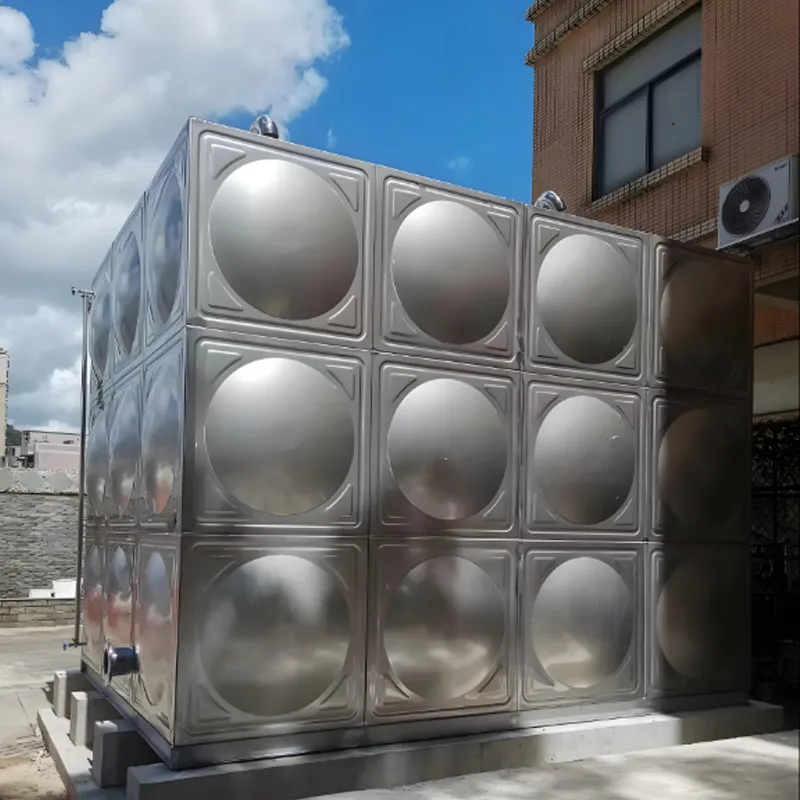
Simply put, a stainless steel panel water tank is a modular storage system made from interlocking stainless steel plates, assembled onsite to form large reservoirs. Unlike conventional tanks that might be bulky or prone to corrosion, these panel tanks boast a smooth, corrosion-resistant surface, making them ideal for storing potable water and industrial liquids.
This design is tightly linked with modern industry requirements for hygiene and quick deployment. Humanitarian agencies appreciate it for being lightweight and transportable compared to concrete or welded tanks—critical in remote or disaster-prone locations.
Key Features of Stainless Steel Panel Water Tanks
Durability & Corrosion Resistance
One of the standout benefits is stainless steel's innate ability to resist rust and degradation. This means a much longer lifespan than traditional galvanized steel or plastic tanks, especially in harsh climates, salty environments, or areas subject to chemical exposure.
Modularity & Scalability
Thanks to their panel construction, these tanks can be customized to various sizes and shapes. If your storage needs grow, additional panels can be added—offering flexibility that rigid tanks just can’t match.
Cost Efficiency Over Time
While the upfront materials cost might be higher than polyethylene tanks, the stainless steel versions excel in reduced maintenance, longer service life, and avoidance of contamination—factors that save money in the long haul.
Hygienic & Safe for Drinking Water
Stainless steel’s non-porous surface prevents bacterial growth—a boon in healthcare facilities, food processing plants, and areas where water purity is non-negotiable.
Ease of Maintenance and Cleaning
Most pharma-grade and food-grade water tanks rely on stainless steel panels for their easy-to-clean design, which can be sanitized regularly without damage.
Product Specification Snapshot
| Feature | Specification |
|---|---|
| Material | 304 or 316 Stainless Steel |
| Tank Capacity | Customizable (1,000 - 100,000+ liters) |
| Assembly | Bolt-on Modular Panels, On-site Assembly |
| Surface Finish | Polished or Matte |
| Lifespan | 20-30+ years with proper maintenance |
Worldwide Applications and Use Cases
Almost everywhere water storage is vital, stainless steel panel water tanks are finding homes. Here’s how:
- Municipal Water Systems: Many cities in Asia and Europe rely on these tanks for secure potable water reserves that resist contamination.
- Disaster Relief: NGOs deploy them quickly in post-disaster contexts for clean water storage—say after earthquakes or floods—where infrastructure is ruined.
- Industrial Sites: Factories needing chemical resistance and hygienic water for processes prefer stainless steel tanks over plastic alternatives.
- Agricultural Irrigation: In remote areas where plastic tanks degrade rapidly under hot sun, stainless panels provide sustainable storage.
One example comes from Nepal’s earthquake recovery efforts, where rapidly assembled stainless steel panel tanks supplied safe water to thousands, sidestepping contamination risks often seen in temporary setups.
stainless steel panel water tank solutions increasingly appear in harsh or demanding environments, demonstrating their versatility.
Advantages and Long-Term Value
There’s something reassuring about knowing your water storage is not going to crack, rust, or leak quietly over time. These tanks deliver more than just technical specs — they provide peace of mind, safety, and trust. Their sustainability angle is strong too: stainless steel is 100% recyclable, reducing environmental impact.
Financially, the upfront cost may feel steep, but when you consider maintenance cycles, replacement costs, and water safety, it often becomes a no-brainer. They improve water quality—no weird tastes or microbial growth—and serve both urban and rural needs reliably.
Future Trends and Innovations
Oddly enough, the stainless steel panel water tank, which feels traditional in its ruggedness, is hitting a new stride with smart tech. Some manufacturers are embedding sensors for remote monitoring of water levels and quality, helping operators manage resources efficiently.
On the sustainability front, innovations in green steel production and integration with solar-powered pumping systems hint at a future of ultra-environmentally conscious water storage.
Challenges and Practical Solutions
No product is perfect, right? Stainless steel panel tanks are heavier than plastic, requiring stronger support foundations. They may demand skilled assembly—though many vendors provide excellent onsite support to overcome this.
Cost remains a barrier for smaller communities, but financing models and modular designs are increasingly making these tanks affordable for diverse users.
Vendor Comparison: Leading Stainless Steel Panel Water Tank Providers
| Vendor | Material Grade | Max Capacity (Liters) | Typical Lead Time | Price Range |
|---|---|---|---|---|
| Longxuan FRP | 304 / 316 | Up to 200,000 | 2-4 weeks | Moderate |
| AquaSteel Corp | 316L only | Up to 150,000 | 4-6 weeks | Higher |
| GlobalTank Industries | 304 | Up to 100,000 | 3-5 weeks | Low-Moderate |
FAQ: Frequently Asked Questions About Stainless Steel Panel Water Tanks
- Q1: How long do stainless steel panel water tanks typically last?
- A well-maintained stainless steel panel water tank can last upwards of 20 to 30 years, thanks to its resistance to corrosion and wear. Longevity depends on installation quality and environmental conditions.
- Q2: Are stainless steel tanks suitable for storing potable water?
- Absolutely. Stainless steel is non-toxic and does not leach harmful substances, making it ideal for drinking water. The smooth surface also prevents biofilm buildup, ensuring water stays clean.
- Q3: How fast can these tanks be deployed on-site?
- Due to their modular panel design, assembly times are considerably shorter than traditional welded tanks. Small to medium tanks can be assembled in a few days with a trained crew.
- Q4: Can these tanks be customized to fit unusual spaces?
- Yes. Thanks to panel modularity, tanks can be shaped or sized to suit unique site constraints, allowing for flexible installation in challenging environments.
- Q5: Are stainless steel tanks more expensive than plastic alternatives?
- Upfront costs are generally higher due to material and fabrication complexity. However, the long-term savings in maintenance, replacement cycles, and water quality often offset initial expenses.
Conclusion: The Smart Choice for Sustainable Water Storage
The stainless steel panel water tank isn’t just another container; it’s a symbol of modern resilience and adaptability. Across municipalities, industries, and humanitarian ventures, these tanks safeguard supply, quality, and the dignity that comes with reliable water access. If you find yourself weighing your water storage options, I’d encourage you to explore this solution deeply.
For more detailed product information and tailored advice, visit Longxuan FRP's website. Their expertise and range are well-suited for diverse needs.
Water is life, and how we store it speaks volumes about our future.
Quick Takeaway: Investing in stainless steel panel water tanks promises long-term reliability, hygienic storage, and scalable solutions critical for a thirsty planet.
References:






Address
20 Xingyuan South Street, Zaoqiang County, Hengshui City, Hebei Province, China


