



We Are Open 24 Hours a Day, 7 Days a Week, Including Weekends and Public Holidays.

Square Water Tank Design: Durable, Efficient Water Storage Solutions Worldwide
Understanding Square Water Tank Design: A Practical Guide
Water storage might seem straightforward, but when you drill down, square water tank design emerges as a surprisingly influential topic globally. Why should you care? Well, efficient water storage solutions directly impact everything from urban infrastructure to disaster relief, agriculture to industry. Mastering square tank design can mean better space usage, lower costs, and more sustainable water management worldwide.
Introduction: Why Square Water Tank Design Matters Globally
According to the UN, nearly 2.2 billion people lack access to safely managed drinking water services (Source: UN Water, 2023). Water storage infrastructure, while often overlooked, plays a critical role in bridging this gap. Square water tanks are increasingly favored for their compact footprint and ease of assembly — features especially vital in rapidly urbanizing regions and emergency response zones.
World Bank studies attest that water loss due to inefficient storage leads to 20-30% higher operational costs in municipal supply systems. Here, smart tank design directly tackles systemic inefficiencies. The challenge? How do we develop water tanks that deliver durability, scalability, and cost efficiency in diverse environments?
What Is Square Water Tank Design?
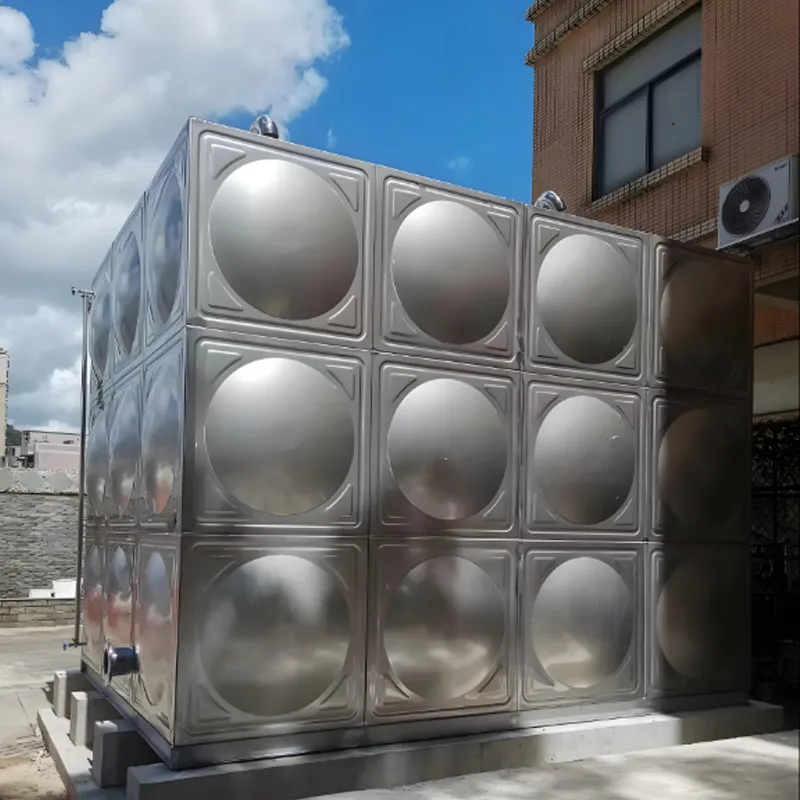
Simply put, square water tank design refers to the engineering and construction of water storage tanks with a square or rectangular footprint, as opposed to the traditional cylindrical shapes you often see. This design approach connects modern engineering principles with humanitarian and industrial requirements by maximizing volume in limited spaces and enabling easier transport and placement.
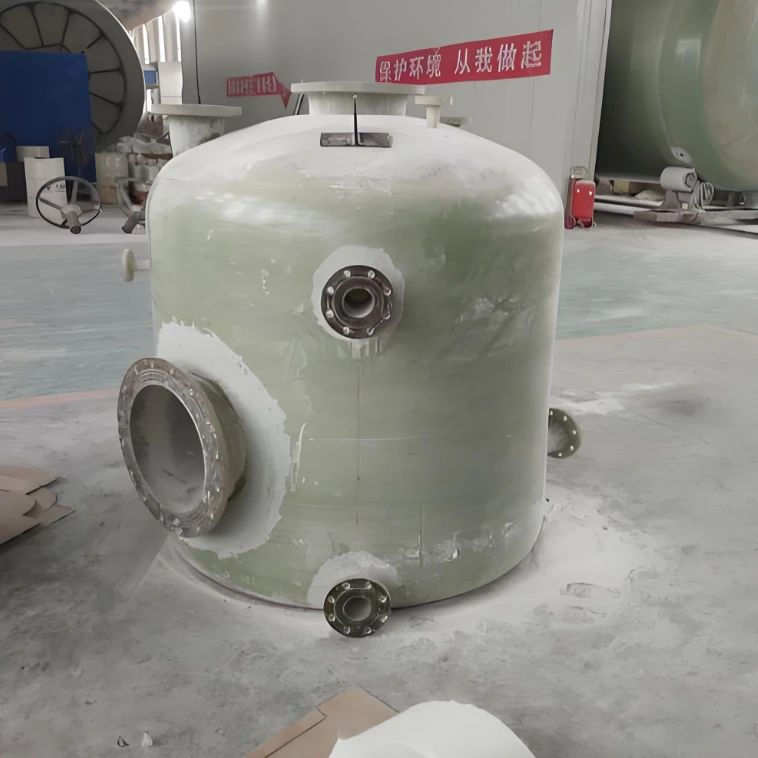
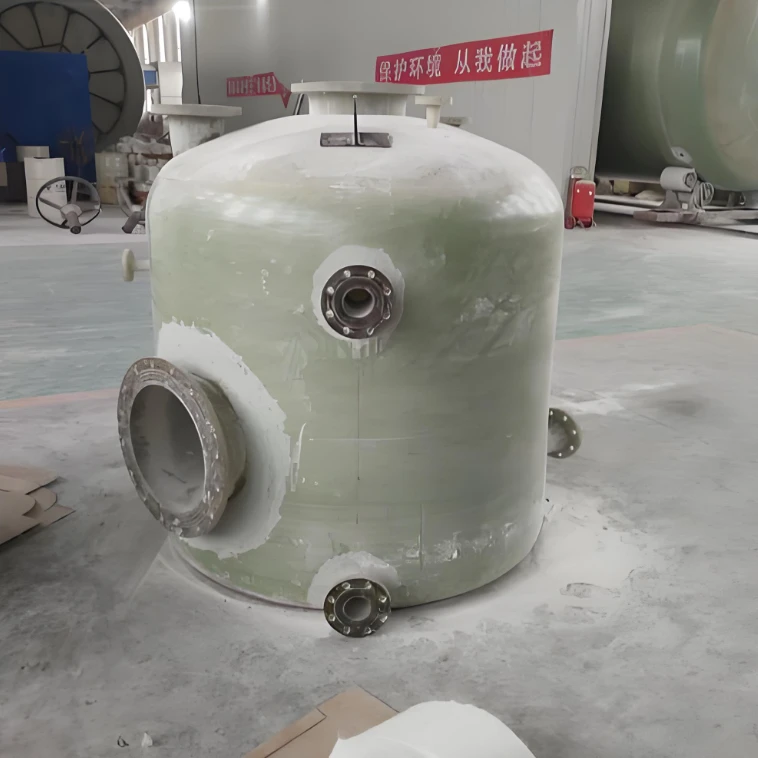
These tanks are often crafted from materials such as fiberglass reinforced plastic (FRP), polyethylene, or steel, designed to be modular, scalable, and user-friendly. The square shape particularly benefits applications where floor space is a constraint.
Key Components of Square Water Tank Design
1. Durability
These tanks must withstand weather extremes, chemical exposure, and physical stress. Materials like FRP provide corrosion resistance and longevity, making it ideal where water quality and lifespan matter equally.
2. Scalability
Square tanks lend themselves to stacking or modular configurations, creative ways to expand storage capacity vertically or horizontally — critical for evolving projects or emergency setups.
3. Cost Efficiency
From manufacturing through delivery and installation, square tanks often reduce costs. The flat sides simplify transport (fitting neatly in containers) and reduce material wastage during production versus curved walls.
4. Ease of Maintenance
Flat panels facilitate inspection and repairs. Internal access is often designed into these tanks, easing cleaning cycles and monitoring.
5. Environmental Sustainability
Modern designs emphasize recyclable materials, efficient fabrication processes, and minimized footprint — all aligning with global sustainability goals.
Mini Takeaway:
- Square water tanks excel in durability and cost-saving while being scalable and eco-conscious, tailoring solutions for modern water storage challenges.
Global Applications & Use Cases of Square Water Tanks
It’s fascinating how versatile these tanks are across sectors and geographies. For instance, in South Asia's densely populated urban areas, square tanks optimize rooftop water harvesting systems. In Central Africa, NGOs rely on modular square tanks for quick setup in post-disaster relief, delivering clean water access where traditional infrastructure is impractical.
Remote industrial sites in Australia use large custom square tanks to store process water due to ease of transport and installation. Even agriculture enterprises in Europe integrate them for irrigation water storage — leveraging flat bottoms for stability on uneven farmland.
These diverse use cases underscore the adaptability inherent in sound square water tank design.
Advantages & Long-Term Value
The benefits aren’t just technical. Reliable water access from well-designed square tanks promotes urban sanitation improvements, supports farmers’ livelihoods, and safeguards public health. Financially, organizations save significantly with fewer replacements and lower installation expenses. On an emotional level, it’s worth noting how these tanks restore a sense of dignity and security in communities hit by water scarcity or crisis.
Frankly, when engineers talk about trust in water systems, well-executed tank design is always top of mind.
Square Water Tank Product Specifications
| Feature | Description |
|---|---|
| Material | Fiberglass Reinforced Plastic (FRP), Polyethylene, or Steel |
| Capacity Range | 500 L to 50,000 L (customizable) |
| Dimensions | Modular panels averaging 1m x 1m (assembled to size) |
| Installation | Tool-free assembly with sealed joints |
| Lifespan | 15-25 years under typical conditions |
Vendor Comparison: Popular Square Water Tank Suppliers
| Supplier | Material Options | Customization | Price Range | Global Availability |
|---|---|---|---|---|
| AquaTank Co. | FRP, Polyethylene | High - Modular sizes, colors | $$$ | North America, Asia |
| FlowSafe Tanks | Steel, FRP | Medium - Custom sizes only | $$ | Europe, Australia |
| ClearWater Solutions | Polyethylene | Low - Standard models only | $ | Global |
Future Trends & Innovations in Square Water Tank Design
Innovation continues apace with mixed-material tanks blending polymer composites that reduce weight without sacrificing strength. Digital monitoring slots and IoT sensors embedded in tanks enable real-time water quality and volume readings, a game changer for large-scale municipal plans.
Green energy integration, like solar-powered pumps attached to modular tanks, promises more sustainable, off-grid water systems. True automation in water storage logistics seems just around the corner, making square tank design a hotbed of engineering creativity.
Challenges & Solutions
Common hurdles include limited awareness in emerging markets, transportation challenges for larger tanks, and occasional material quality inconsistencies. Solutions? Increasing standardization and education efforts, leveraging local manufacturing hubs, and rigorous quality certifications help smooth these bumps. Many vendors now provide comprehensive aftersales support which frankly makes a big difference.
FAQ: Square Water Tank Design
- Q: What are the main benefits of choosing a square water tank over a round one?
A: Square tanks maximize space efficiency, facilitate modular installation, and are often easier to transport due to flat surfaces. This also often leads to cost savings in production and shipping. - Q: How long do square water tanks typically last?
A: Depending on materials and conditions, most tanks last between 15 to 25 years with proper maintenance, sometimes longer if corrosion-resistant materials like FRP are used. - Q: Can square water tanks be customized for unique applications?
A: Absolutely. Many manufacturers offer modular panels or custom sizes and shapes to meet specific site requirements, including various access points and reinforced structures. - Q: Are square water tanks suitable for potable water storage?
A: Yes, when made from certified food-grade or potable water-safe materials, these tanks are often suitable for drinking water and meet regulatory standards.
Conclusion: Why Square Water Tank Design is the Smart Choice
So, to wrap it up, the square water tank design is more than a niche technical term — it’s a practical innovation addressing key global water needs. It bridges the gap between efficiency, durability, and adaptability, helping communities and industries alike secure precious water resources.
For anyone considering water storage solutions that combine cost-effectiveness, sustainability, and modern engineering, square tanks are definitely worth exploring further.
Visit our website: https://www.longxuanfrp.com for more insights and expert solutions.
Brief Reflection
The evolution of water storage solutions, exemplified by square tank design, shows how even seemingly simple infrastructures carry complex challenges—and exciting opportunities. As always, grounded knowledge coupled with innovation drives meaningful progress.
References






Address
20 Xingyuan South Street, Zaoqiang County, Hengshui City, Hebei Province, China


