



We Are Open 24 Hours a Day, 7 Days a Week, Including Weekends and Public Holidays.

Square Tank Design: Efficient, Durable Storage Solutions for Global Challenges
Unlocking Efficiency with Square Tank Design: Why It Matters Globally
Square tank design might not be the buzzword at your next dinner party, but it’s quietly shaping industries and environments worldwide in ways that really matter. You see, these tanks offer a clever blend of space efficiency, durability, and cost-effectiveness that traditional round tanks sometimes can’t match. As global demands for smarter water storage, chemical holding, and agricultural solutions escalate, understanding this design’s benefits is key for engineers, humanitarian agencies, and industrial developers alike.
The practicality of the square tank design extends beyond mere shape—it's about maximizing capacity, reducing footprint, and streamlining operations while providing resilience in diverse climates. Whether it’s storing potable water in drought-prone regions or holding industrial fluids safely in compact factory spaces, square tank design delivers a sturdy, scalable solution that’s increasingly indispensable.
Global Context: Why Square Tank Design Speaks to a Worldwide Need
The world is growing ever more water-conscious. According to a UN report, by 2025, nearly half the global population will be living in water-stressed areas. Efficient water storage solutions like square tanks become pivotal here.
Industrially, ISO standards increasingly recommend rectangular or square containment for chemical and wastewater holding because of ease in modular stacking and transportation. Globally, from the arid lands of Australia to industrial zones in Europe and logistics hubs in Asia, these tanks solve space constraints as well as safety and sustainability challenges.
The challenge? Traditional round tanks, while often easier to fabricate, leave unused corner space and can be difficult to place tightly against walls or other tanks. Square tank designs address this inefficiency head-on.
What Exactly Is Square Tank Design?
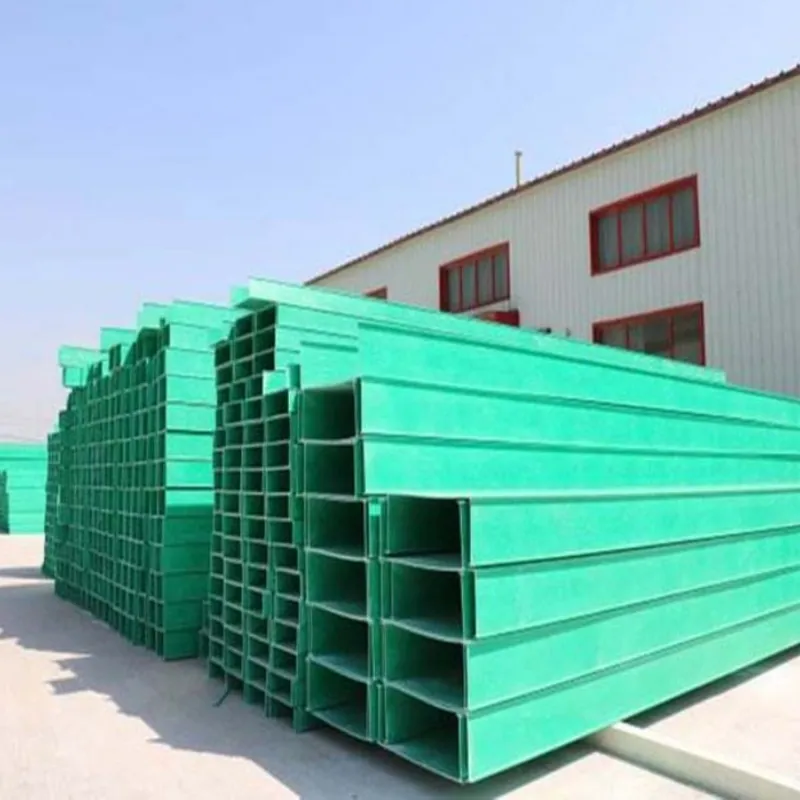
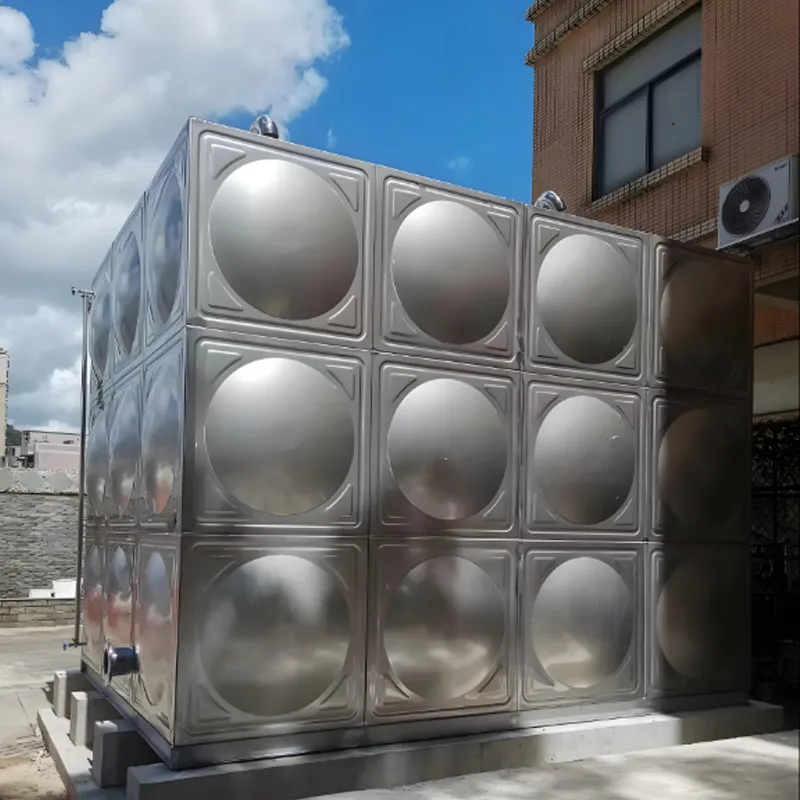
Simply put, it’s the engineering and architectural process of creating tanks with square or rectangular footprints. This design is intentionally shaped so tanks snugly fit into given spaces, optimizing volume-to-footprint ratios. It’s less about the aesthetics and more about practicality.
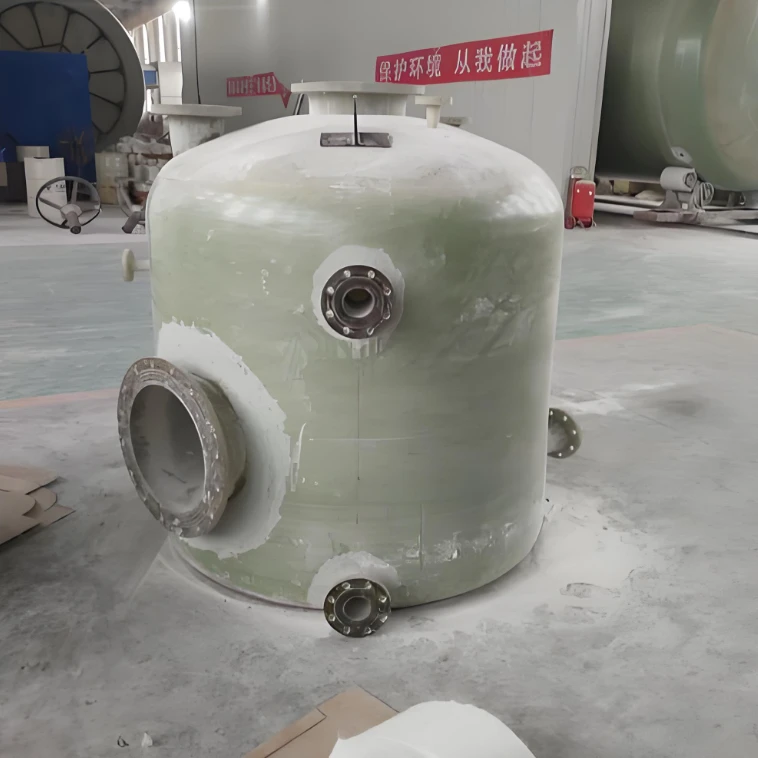
But there’s more: the design involves specialized materials—often fiber-reinforced plastics or advanced composites—that enhance structural integrity whilst allowing for lighter, corrosion-resistant, and cost-effective builds. These tanks connect critical dots in industries like agriculture, water treatment, and disaster relief, where mobility and durability count.
Core Components of a Successful Square Tank Design
1. Durability
Many engineers note that combining square geometry with advanced materials results in tanks resistant to harsh chemicals and weather extremes. The flat surfaces require reinforced walls and corners, often with extra fiberglass layering, to prevent bowing or cracking.
2. Scalability
Companies can scale their storage needs more predictably with modular square tanks. Since they stack and align perfectly, expansion or replacement becomes straightforward, saving on both labor and downtime.
3. Cost Efficiency
A context many forget: installation time and space savings. Square tanks reduce wasted space, meaning less real estate needed—always a pricey commodity—plus more straightforward transport logistics due to their shape.
4. Maintenance and Safety
The flat walls make inspection and cleaning easier compared to curved surfaces. Plus, with the tanks often located side-by-side in compact settings, safety access is markedly improved.
5. Customization Options
Modular fittings, multiple inlets/outlets, and integrated sensors for monitoring are regularly built into these tanks, giving operators precision control and easy integration with digital systems.
Product Specifications: Typical Fiber-Reinforced Plastic (FRP) Square Tank
| Specification | Details |
|---|---|
| Material | Fiber-Reinforced Plastic (FRP) |
| Capacity Range | 500 – 50,000 liters |
| Dimensions (L x W x H) | Customizable; typical base footprint 2m x 2m, heights 1–3m |
| Weight | Approx. 150 – 1,200 kg (empty) |
| Temperature Range | -20°C to 60°C |
| Corrosion Resistance | Excellent, suitable for aggressive chemicals |
Global Applications of Square Tank Design
It’s odd, but square tanks pop up in scenarios you might not immediately expect. For instance, humanitarian NGOs flood areas with portable water storage after natural disasters — where easy stacking and rapid deployment can save lives.
Meanwhile, industrial sectors in Europe rely on these tanks for chemical processing, appreciating their predictable footprint on factory floors.
In agricultural hubs like the American Midwest or parts of India, square tanks help farmers store irrigation water cost-effectively, especially where land plots are tight.
These tanks have also become frontline players in remote mining operations, where transporting bulky equipment is a headache—and square tanks can be assembled on-site.
Basically, where space, efficiency, and durability meet demand at scale, square tank design earns its keep.
Vendor Comparison: Top Providers of Square Tank Solutions
| Feature | Long Xuan FRP | AquaStorage Ltd. | King Tanks |
|---|---|---|---|
| Material Quality | High-grade FRP with UV stabilize | Polyethylene composite | Steel-reinforced composite |
| Customization Options | Extensive modular fittings, digital sensor integration | Standard sizes only | Moderate customization |
| Delivery Times | 2-4 weeks | 3-6 weeks | 4-8 weeks |
| Price Range | Mid-range, value-focused | Premium pricing | Budget-friendly |
| Reputation & Support | Strong global presence, 24/7 support | Established but limited customer service | Smaller, regional provider |
Advantages & Long-Term Value of Square Tank Design
- Optimized space use: Square tanks reduce wasted corners and allow tight side-by-side installation.
- Cost savings: Lower real estate and transport costs, plus easier installation.
- Environmental impact: Materials used often include recycled resins and are recyclable themselves.
- Enhanced safety: Easier inspections mean issues detected earlier, preventing failures.
- Community impact: In humanitarian applications, quick setup and durability protect dignity and health.
It’s not just theoretical gains here—operators often mention a real peace of mind knowing the tanks can take a beating and keep performing without leaks or contamination. Frankly, that reliability goes a long way when you’re dealing with precious water or hazardous materials.
Looking Ahead: The Future of Square Tank Design
Advances in materials science promise even lighter, stronger, and greener tanks, incorporating nanotechnology coatings for anti-fouling and self-healing properties. Digital integration is also gaining traction—IoT sensors embedded in tanks allow real-time monitoring of levels, temperature, and integrity.
Policies aligned with ISO 14001 environmental management standards encourage manufacturers to focus on sustainability, reducing carbon footprints through innovative production methods. Additionally, some companies are experimenting with solar-assisted water heating integrated into tank walls, especially useful for sanitation in colder regions.
Challenges & Their Solutions
No solution is perfect. The challenges often mentioned with square tanks include stress concentration at corners, which can lead to structural fatigue if not carefully engineered. Additionally, the fabrication can be more complex than round tanks, sometimes increasing upfront costs.
Experts typically suggest reinforcing corners with tailored resin-rich layers and supports. Modular manufacturing techniques also help offset initial complexities. Besides, manufacturers like Long Xuan FRP are pioneering bespoke designs that optimize strength without significant costs.
FAQ: Frequently Asked Questions About Square Tank Design
- How does square tank design improve storage efficiency compared to round tanks?
- Square tanks maximize usable volume within a given space by minimizing wasted corner voids and allowing tight placement side-by-side, which is especially beneficial in limited footprint areas.
- Are square tanks suitable for storing hazardous chemicals safely?
- Yes, when made with appropriate corrosion-resistant materials like fiber-reinforced plastics, square tanks offer safe containment with reinforced structure to handle chemical stresses.
- Can square tanks be customized for modular industrial setups?
- Absolutely, many vendors provide modular fittings, sensor integration, and scalable dimensions to fit specific industrial requirements.
- What is the typical lifespan of a fiber-reinforced plastic square tank?
- With proper maintenance, FRP square tanks often last 15-25 years, depending on exposure conditions and chemical contents.
- How can NGOs source square tanks for emergency relief globally?
- Partnering with established manufacturers offering global shipping and support—like Long Xuan FRP—helps NGOs procure reliable, rapid deployment tanks.
Conclusion: Embracing the Future with Square Tank Design
In the end, square tank design offers a compelling blend of efficiency, resilience, and adaptability that industries and humanitarian initiatives desperately need in today’s fast-paced, resource-conscious world. From saving space and cost in cramped industrial sites to providing trustworthy water storage in hard-hit disaster zones, these designs truly punch above their weight.
If you want to explore specialized solutions tailored to your project’s exact needs or get expert advice on selecting the best tank format, do visit our website for detailed catalogs and support. Efficiency and innovation in storage start with smart design.
Mini takeaway: Square tank design isn’t just a shape choice — it’s a strategic solution solving global storage challenges with durability, modularity, and adaptability.






Address
20 Xingyuan South Street, Zaoqiang County, Hengshui City, Hebei Province, China


