



We Are Open 24 Hours a Day, 7 Days a Week, Including Weekends and Public Holidays.

Durable Stainless Steel Rain Water Tanks for Industrial Use
Why a Stainless Steel Rain Water Tank is Still a Top Choice
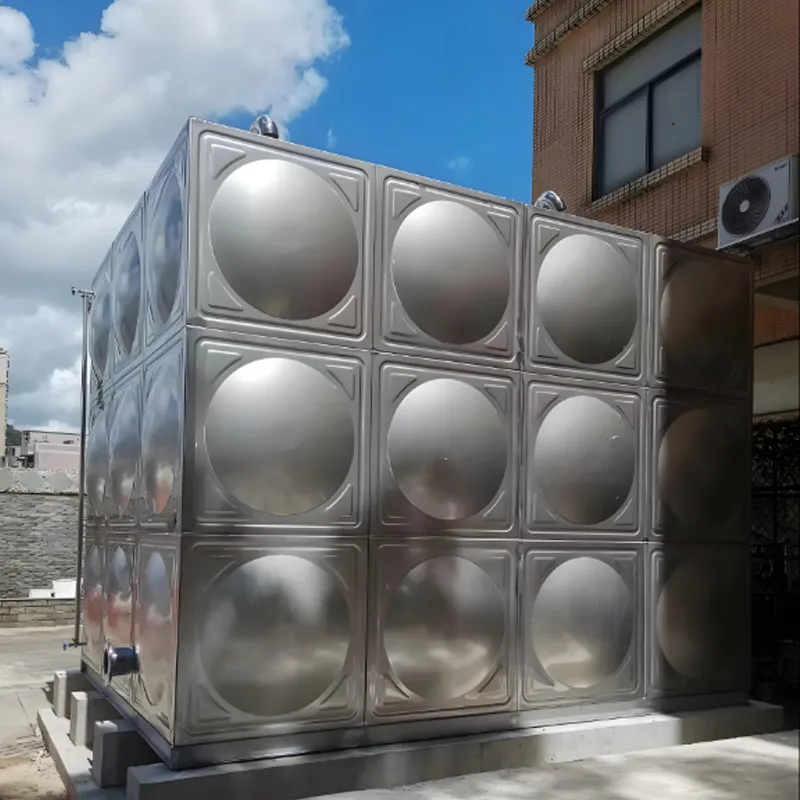
I’ve been around industrial equipment for quite some years now, and odd as it may sound, when it comes to rainwater storage, the stainless steel rain water tank remains something of a quiet champion. Sure, there are plastics and composites on the market, but the longevity and robustness of stainless steel never quite lose their shine—pun intended.
Frankly, many engineers and plant managers I’ve spoken to swear by stainless steel tanks because they combine corrosion resistance with a sleek finish that doesn’t degrade. I once worked on a site where the tanks had been installed over a decade ago and, besides a routine inspection, those tanks looked almost as good as the day they were mounted.
In real terms, stainless steel tanks naturally resist rust thanks to their chromium content. This forms a protective oxide layer, making them particularly tough against weather elements—and that’s key if you’re storing rainwater outdoors. What’s more, they don’t leach contaminants, which is crucial if you ever need the water for irrigation or non-potable indoor use.
Now, the design is pretty straightforward but customizable. Vendors usually offer them with thicknesses from 0.6mm up to 1.2mm, depending on tank size and strength requirements. Some suppliers even tailor them with accessories like overflow kits, screens to keep debris out, or secure lids to prevent contamination.
Testing? Oh yes. Water tanks like these go through rigorous quality checks—pressure tests, weld integrity inspections, and surface finish verification. I remember a particular project where the tanks had to comply with food-grade storage standards, which meant every weld was x-rayed to ensure no micro-cracks. For rainwater storage, standard potable-grade stainless steel (like SS304) is most common, though some heavy-duty applications call for SS316 because of its even higher corrosion resistance.
| Feature | Details |
|---|---|
| Material | SS304 or SS316 (food-grade options available) |
| Thickness | 0.6 mm – 1.2 mm |
| Capacity | 1000 – 50,000 liters (custom sizes possible) |
| Finish | Polished or brushed surface for aesthetic and cleaning ease |
| Accessories | Overflow outlet, debris screen, sealed lids, level gauge |
| Certifications | ISO 9001, NSF/ANSI (optional), food-grade compliance |
When sizing and purchasing, I often encourage folks to consider their vendor’s reputation and service flexibility—these tanks aren’t just “buy and forget” items. For that reason, I’ve compiled a very quick comparison of a few typical stainless steel tank suppliers I’ve seen over the years:
| Vendor | Material Options | Customization | Lead Time | Warranty |
|---|---|---|---|---|
| Company A | SS304 / SS316 | Custom sizes and fittings | 4 – 6 weeks | 5 years |
| Company B | SS304 only | Limited customization | 2 – 3 weeks | 3 years |
| Company C | SS304 / Food grade SS | Full customization plus onsite support | 6 – 8 weeks | 7 years |
One anecdote—some years back, a small municipality we worked with opted for stainless steel rainwater tanks to supplement their water supply for parks and green spaces. They were initially hesitant because of cost, which was admittedly higher than plastic, but across five years, the maintenance costs were almost nil and the tanks looked fantastic the entire time. It felt like a reminder that sometimes paying a bit more upfront makes all the difference.
For anyone interested in durable, reliable rainwater storage—and if your priorities include longevity, material safety, and minimal upkeep—then a stainless steel rain water tank is hard to beat. It’s not just an investment in infrastructure; it’s one in peace of mind.
I suppose the only real caveat is the cost and weight versus some alternatives, but given the technology and quality today, stainless steel tanks are quite competitive for many industrial and commercial applications.
References:
1. "Stainless Steel @ Water Storage" — Industry Journal, 2022
2. ASTM Standards for Water Tanks, 2019
3. Discussions with manufacturing engineers over 15+ years





Address
20 Xingyuan South Street, Zaoqiang County, Hengshui City, Hebei Province, China


