



We Are Open 24 Hours a Day, 7 Days a Week, Including Weekends and Public Holidays.

Efficient AC Cooling Tower for HVAC & Refrigeration Systems
Understanding the Air Conditioning Cooling Tower in Modern HVAC Systems
The efficient operation of large-scale air conditioning and refrigeration systems relies heavily on effective heat rejection. At the core of this process is the ac cooling tower, a critical component designed to dissipate waste heat into the atmosphere. These towers facilitate the transfer of heat from the system's circulating water to the air, cooling the water so it can be recirculated to absorb more heat. This mechanism is vital for maintaining optimal performance and energy efficiency in commercial, industrial, and institutional HVAC setups. Without a robust cooling tower, the efficiency of chillers and other heat-generating equipment would significantly diminish, leading to increased operational costs and potential system failures. Our focus here is to delve into the intricacies of these essential systems, exploring their design, function, applications, and strategic advantages in today's demanding environments.
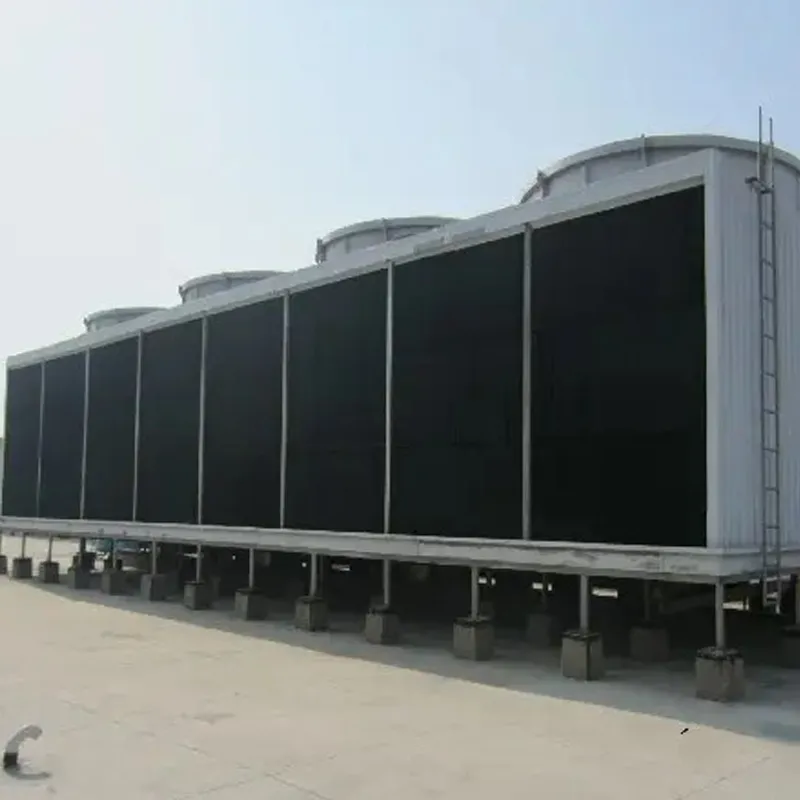
Industry Trends and Innovations in Cooling Tower Technology
The landscape of ac cooling tower technology is continuously evolving, driven by stringent energy efficiency regulations, environmental concerns, and the demand for smarter operational controls. Key trends include the adoption of advanced materials like Fiber-Reinforced Polymer (FRP) for enhanced corrosion resistance and longevity, variable frequency drives (VFDs) for fan motors to optimize energy consumption, and integrated IoT solutions for predictive maintenance and real-time performance monitoring. Hybrid cooling towers that combine both wet and dry cooling methods are gaining traction for their ability to conserve water, especially in regions facing water scarcity. Furthermore, designers are increasingly focusing on low-noise solutions for urban environments and modular designs for easier installation and scalability. The emphasis on sustainability is pushing manufacturers towards designs that minimize drift loss and utilize more environmentally friendly water treatment processes. These innovations collectively contribute to more reliable, efficient, and eco-friendly cooling solutions.
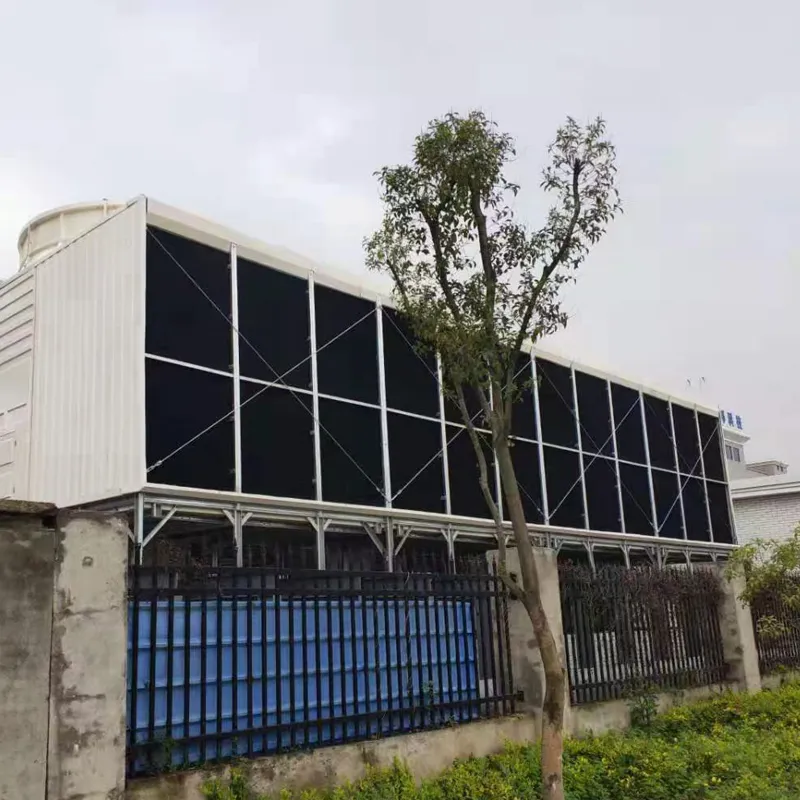
Detailed Process Flow: Manufacturing an AC Cooling Tower
The manufacturing of a high-quality ac cooling tower is a multi-stage process, ensuring durability, efficiency, and compliance with rigorous industry standards. Here’s a schematic overview:
- Material Selection and Preparation: High-grade Fiber-Reinforced Polymer (FRP) is typically chosen for its exceptional corrosion resistance, lightweight properties, and structural integrity. Steel components (like the framework) undergo hot-dip galvanization or stainless steel fabrication to prevent rust. Fill media (PVC or PP) are selected for optimal heat transfer efficiency.
- FRP Molding and Fabrication: Large structural components such as the casing, fan stack, and water basin are manufactured using advanced FRP molding techniques, often through processes like contact molding or filament winding. This ensures seamless, robust structures that can withstand harsh operating conditions and UV exposure.
- Structural Framework Assembly: The galvanized steel or stainless steel structural frame is precision-fabricated, often involving CNC machining for accurate drilling and cutting. This forms the backbone of the cooling tower, providing support for all other components.
- Mechanical Component Integration: This stage involves the installation of the fan assembly (motor, gearbox/belt drive, fan blades), water distribution system (spray nozzles, header pipes), and drift eliminators. Bearings and shafts are often forged or cast from high-strength alloys.
- Fill Media Installation: The heat transfer fill media, crucial for maximizing the air-water contact surface, is carefully installed. These are typically vacuum-formed PVC sheets designed for high efficiency and low-pressure drop.
- Electrical and Control System Integration: Wiring for motors, sensors, and control panels is installed, ensuring proper functionality and safety. This often includes VFDs and advanced control logic for energy optimization.
- Pre-Commissioning and Testing: Each cooling tower undergoes rigorous testing, including hydrostatic testing of basins, fan vibration analysis, operational balance checks, and spray pattern uniformity. These tests adhere to international standards such as ISO 9001 for quality management and ANSI/CTI standards for thermal performance. The typical service life for these robust FRP towers often exceeds 20-30 years with proper maintenance.
Advantages in typical application scenarios include significant energy savings due to optimized fan and pump operations, superior corrosion resistance of FRP components against aggressive water chemistries, and reduced maintenance needs over its extensive service life. These towers are engineered for resilience and long-term, cost-effective performance in demanding industrial settings.
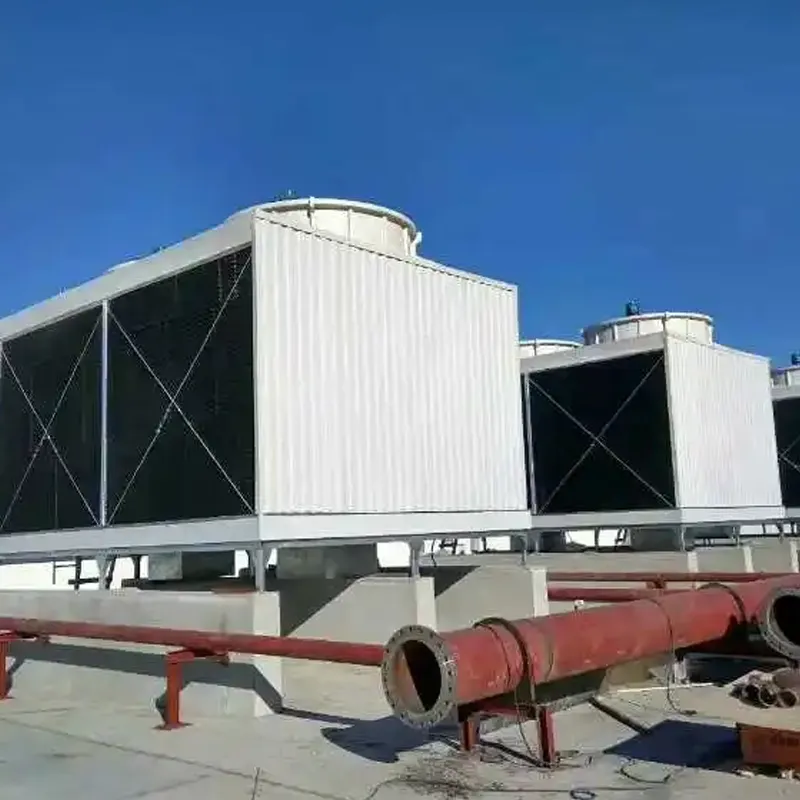
Technical Specifications and Performance Parameters
Understanding the technical specifications of an ac cooling tower is paramount for proper system integration and performance evaluation. Key parameters determine efficiency, capacity, and operational viability.
Typical AC Cooling Tower Specifications
| Parameter | Description | Typical Range / Value |
|---|---|---|
| Cooling Capacity | Heat rejection capability (measured in Tons of Refrigeration or kW) | 50 TR - 5000+ TR |
| Water Flow Rate | Volume of water circulated per unit time | 50 GPM - 50,000+ GPM |
| Approach Temperature | Difference between cooled water temp and wet-bulb temp (lower is better) | 3°C - 7°C (5°F - 12°F) |
| Range Temperature | Difference between hot water inlet temp and cooled water outlet temp | 5°C - 10°C (9°F - 18°F) |
| Drift Loss | Water entrained in the airflow and discharged to atmosphere | Typically |
| Noise Level | Sound pressure level at specified distance (dB(A)) | 60 dB(A) - 85 dB(A) (at 1m) |
| Materials of Construction | Primary materials used for casing, basin, and structure | FRP, Galvanized Steel, Stainless Steel, PVC fill |
Understanding these figures, especially the approach and range temperatures, is crucial for assessing a cooling tower's efficiency and its compatibility with the overall cooling tower hvac system. Lower approach temperatures typically indicate a more efficient design, requiring less power input to achieve the desired cooling. The selection of materials is critical for long-term durability, especially in corrosive industrial environments.
Application Scenarios Across Diverse Industries
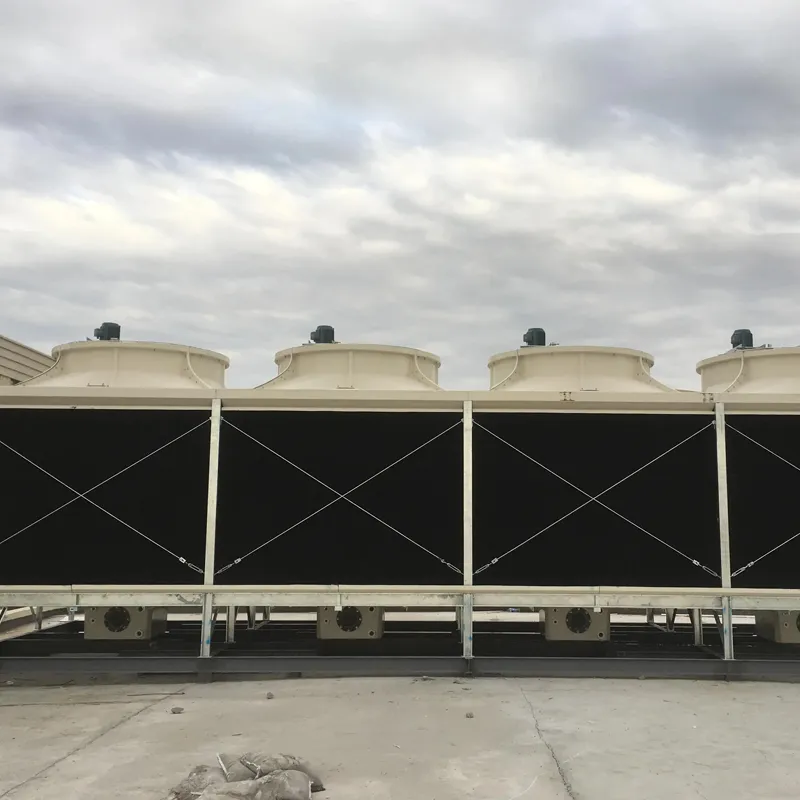
The versatility of an ac cooling tower makes it indispensable across a wide array of industries, each with unique cooling demands. These systems are fundamental for any process requiring efficient heat rejection to maintain operational temperatures.
- HVAC Systems for Commercial & Industrial Buildings: This is arguably the most common application. Large office complexes, data centers, hospitals, and manufacturing plants utilize cooling towers to dissipate heat from chillers, ensuring comfortable indoor temperatures and optimal process cooling. The role of cooling towers hvac is crucial for energy-efficient climate control.
- Petrochemical Industry: Cooling towers are vital in refineries and chemical plants for cooling process fluids, condensers, and reactor jackets. The ability to handle corrosive water and operate reliably in harsh environments is paramount.
- Metallurgy and Steel Manufacturing: Intense heat generated during smelting, casting, and rolling processes requires robust cooling. Cooling towers provide the necessary water-cooling infrastructure for furnaces, continuous casting machines, and induction heaters.
- Power Generation: Both fossil fuel and nuclear power plants use immense cooling towers to condense steam from turbines, a critical step in the electricity generation cycle.
- Food and Beverage Processing: From chilling beverages to maintaining temperatures in cold storage and processing lines, cooling towers ensure product quality and safety by regulating heat.
- Water Supply & Drainage / Wastewater Treatment: Cooling towers can be utilized in certain wastewater treatment processes that generate heat, or for cooling equipment used in water purification plants.
In a refrigeration system, specifically, a cooling tower in a refrigeration system plays the critical function of cooling tower in refrigeration system by rejecting the heat absorbed by the refrigerant in the evaporator and compressor. This allows the refrigerant to condense back into a liquid state, completing the refrigeration cycle and enabling continuous cooling.
Technical Advantages and Performance Optimizations
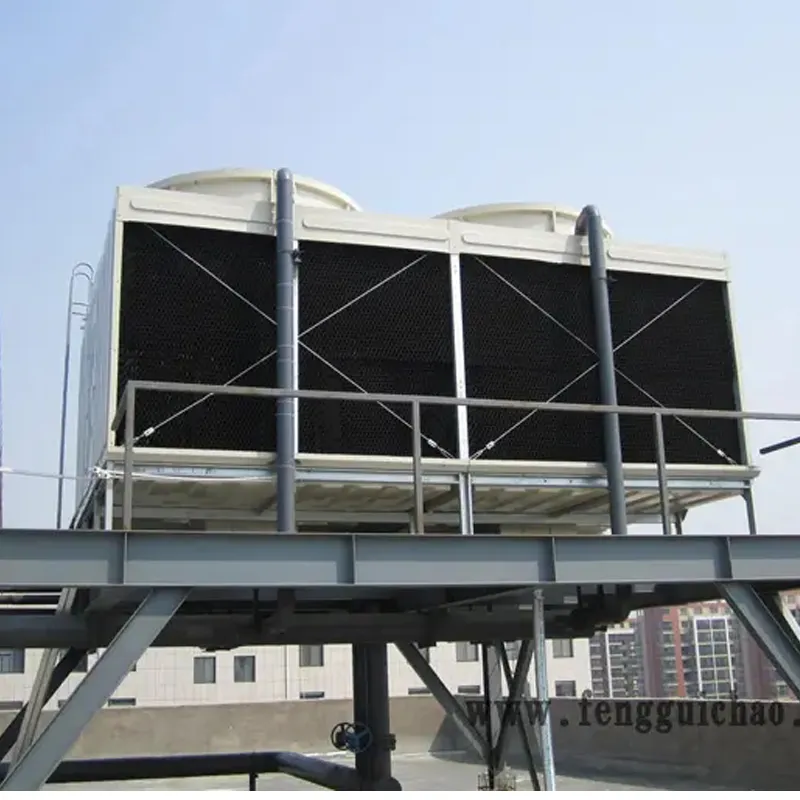
Modern ac cooling tower designs offer substantial technical advantages that translate into significant operational benefits. These advantages are primarily rooted in advanced materials, thermodynamic efficiency, and smart control systems.
- Superior Energy Efficiency: Utilizing high-efficiency fan motors, often paired with Variable Frequency Drives (VFDs), allows for precise control over airflow, reducing power consumption during partial load conditions. Advanced fill media designs maximize heat transfer area while minimizing air resistance, further lowering energy costs.
- Exceptional Corrosion Resistance: The widespread use of FRP for casing, basin, and fan stacks eliminates corrosion issues commonly associated with galvanized steel towers. This extends the lifespan of the unit, reduces maintenance, and ensures consistent performance over decades, even in highly corrosive industrial or coastal environments.
- Low Maintenance Requirements: FRP construction requires minimal upkeep compared to metal alternatives. Non-clogging nozzles, easily accessible components, and robust mechanical systems contribute to reduced downtime and lower labor costs for inspection and repairs.
- Reduced Water Consumption: High-efficiency drift eliminators minimize water loss through entrainment, crucial for sustainability and operating costs. Innovations in water treatment and blowdown management also contribute to water conservation.
- Quiet Operation: Aerodynamically optimized fan blades and low-speed direct-drive fans, coupled with sound-attenuating materials, reduce noise emissions significantly, making them suitable for urban and noise-sensitive areas.
- Modular and Scalable Design: Many modern towers are designed with modular components, allowing for easy expansion, simplified transport, and faster installation, adapting to evolving operational demands.
Vendor Comparison: Key Differentiators for AC Cooling Towers
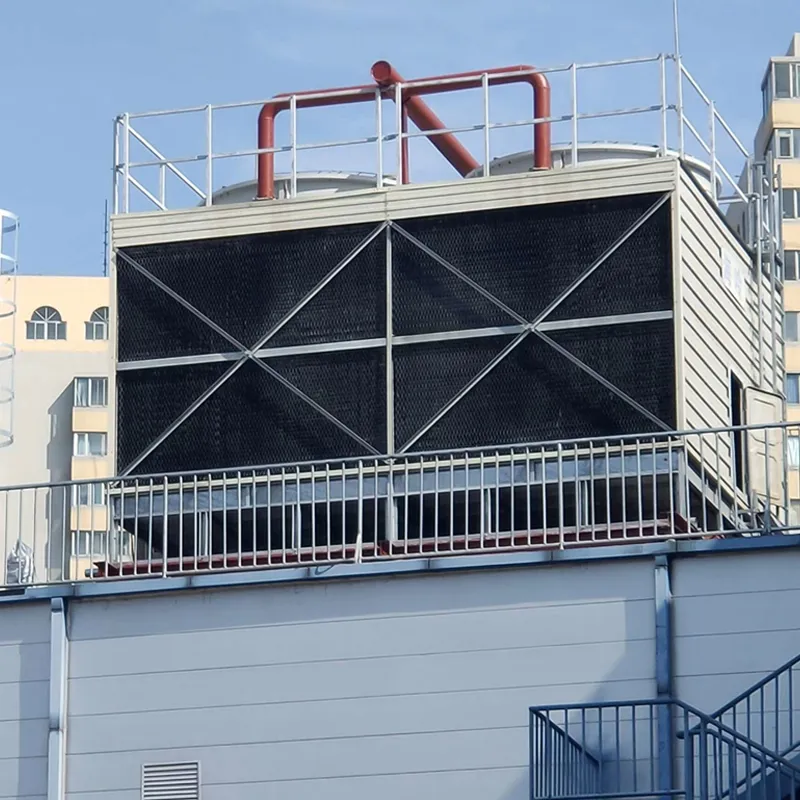
Selecting the right cooling towers hvac vendor is critical. While many offer seemingly similar products, key differentiators in design, materials, and support can significantly impact long-term performance and total cost of ownership (TCO). This table provides a conceptual comparison based on common industry offerings.
AC Cooling Tower Vendor Comparison (Conceptual)
| Feature/Criterion | Vendor A (e.g., LongXuan FRP) | Vendor B (Competitor) | Vendor C (Competitor) |
|---|---|---|---|
| Primary Construction Material | High-grade FRP (Fiber-Reinforced Polymer) | Galvanized Steel | FRP with some steel components |
| Corrosion Resistance | Excellent (inherent to FRP) | Good (coating dependent) | Very Good |
| Energy Efficiency (Fans) | IE3/IE4 motors with VFD standard | IE2/IE3 motors, VFD optional | IE3 motors, VFD standard for larger models |
| Water Conservation (Drift Loss) | Ultra-low drift eliminators ( | ||
| Customization Options | High (modular, tailored designs) | Moderate (standard models with limited variations) | Good (some design flexibility) |
| Warranty (Structure) | 20 years (FRP) | 5 years (steel) | 10 years (FRP parts) |
The choice of primary construction material is often a key differentiator. FRP towers, like those from LongXuan FRP, typically offer a significantly longer lifespan and lower maintenance burden due to inherent corrosion resistance, especially compared to galvanized steel options which require more frequent inspections and coating maintenance. This impacts both the upfront investment and the long-term operational expenditures.
Customized Solutions for Unique Cooling Challenges
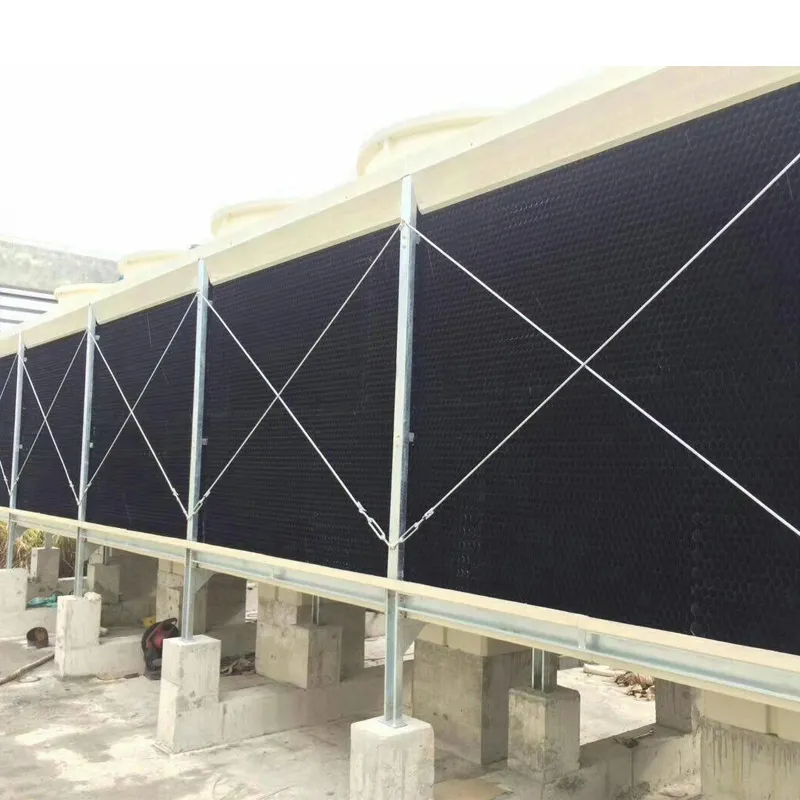
While standard ac cooling tower models serve a wide range of applications, many industrial and large-scale commercial projects present unique constraints and performance requirements. This is where customized solutions become invaluable. Tailored designs address specific site limitations (e.g., restricted footprint, height limitations), unique water quality issues, extreme environmental conditions, and specialized thermal performance targets.
Customization can involve:
- Optimized Footprint & Layout: Designing towers to fit irregular spaces or to be integrated with existing infrastructure.
- Specialized Materials: Utilizing specific grades of FRP or exotic metals for components to resist highly corrosive fluids or extreme temperatures.
- Noise Attenuation: Integrating advanced sound-dampening measures for ultra-sensitive environments (e.g., residential proximity, hospitals).
- Enhanced Water Conservation: Incorporating specialized hybrid wet/dry sections or advanced filtration systems for maximized water reuse and minimal blowdown.
- Advanced Control Integration: Seamless integration with existing Building Management Systems (BMS) or process control systems for intelligent operation and monitoring.
Our engineering teams work closely with clients from conceptual design through to commissioning, leveraging decades of experience and robust simulation tools to deliver solutions that are not just functional but optimized for efficiency, longevity, and total cost of ownership. This consultative approach ensures that every aspect of the project's cooling requirements is meticulously addressed.
Application Case Studies and Customer Successes
Real-world applications highlight the tangible benefits of well-engineered cooling tower hvac system installations. Our commitment to quality and performance is reflected in the success of our diverse client base.
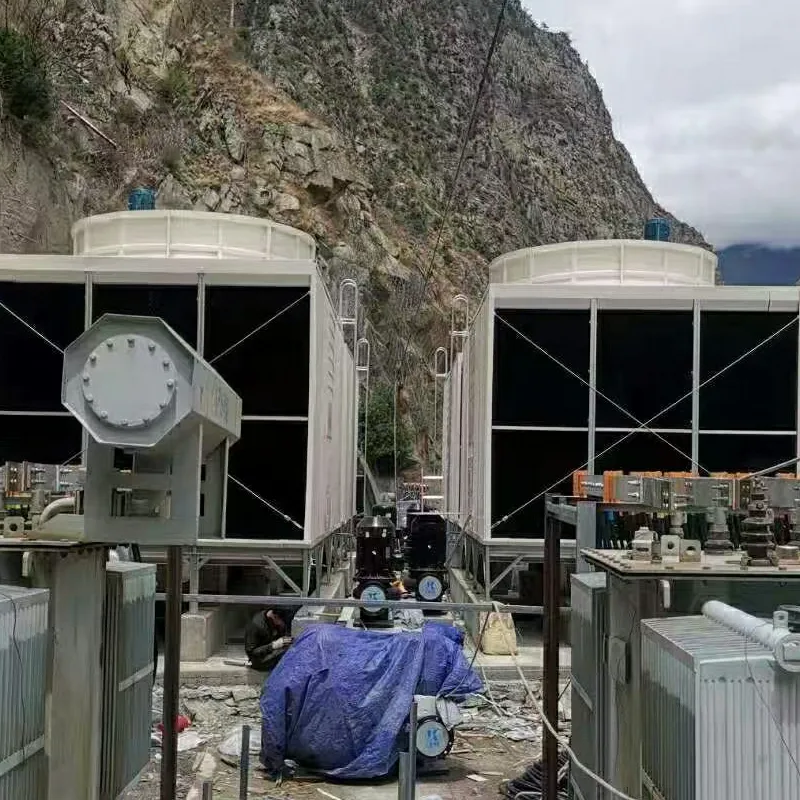
Case Study 1: Large Pharmaceutical Manufacturing Plant
Challenge: An existing aging steel cooling tower system in a pharmaceutical plant suffered from severe corrosion, high maintenance costs, and inefficient heat rejection, impacting critical process temperatures and chiller performance.
Solution: We replaced the old system with two modular FRP ac cooling tower units, each rated at 1500 TR. The design incorporated advanced low-drift eliminators and VFD-controlled fans for precise temperature regulation and water conservation. The units were designed to operate in a humid, chemical-laden atmosphere common in pharmaceutical facilities.
Results: The new system achieved a 22% reduction in energy consumption for cooling operations, primarily due to VFD optimization and enhanced thermal efficiency. Water consumption due to drift loss was reduced by over 90%. Customer feedback indicated a significant decrease in maintenance requirements and a substantial improvement in chiller efficiency, leading to a projected ROI within 4 years.
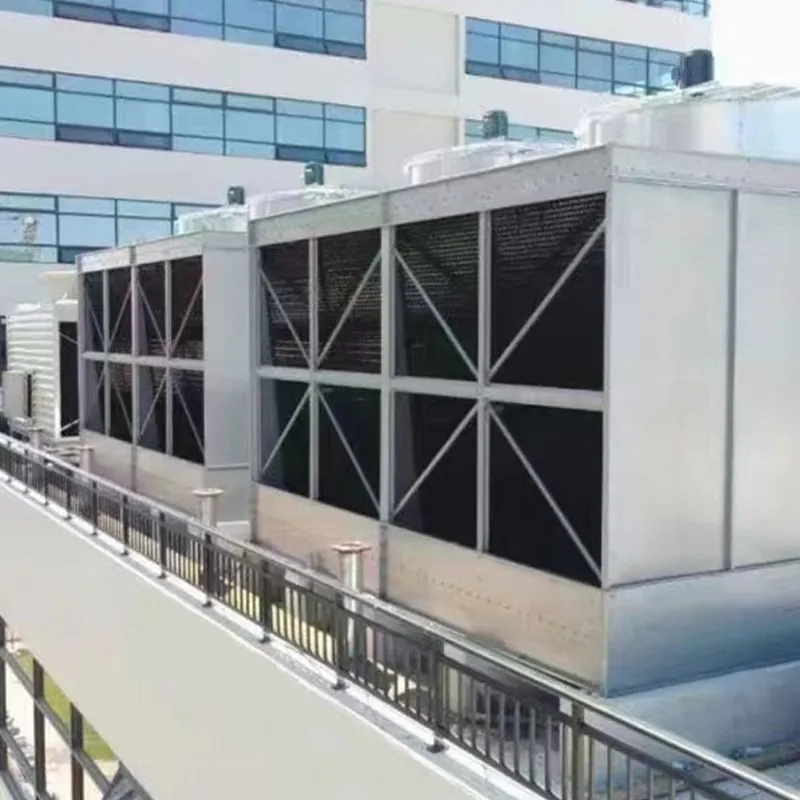
Case Study 2: Urban Data Center Expansion
Challenge: An expanding data center in a densely populated urban area required additional cooling capacity with strict noise level restrictions and a limited rooftop footprint.
Solution: A custom-designed, low-profile FRP cross-flow cooling tower system was installed. This system featured ultra-quiet fan assemblies, integral sound attenuators, and a compact design that maximized cooling capacity within the confined space. The modular nature of the FRP components allowed for efficient transport and assembly on the rooftop.
Results: The data center's new cooling capacity was fully met while maintaining noise levels below local regulatory limits, even during peak operation. The client praised the seamless integration with their existing BMS and the robust performance that kept critical IT infrastructure at optimal temperatures, avoiding any service interruptions.
Frequently Asked Questions (FAQ)
Q1: What is the primary function of an ac cooling tower in an HVAC system?
A1: Its primary function is to reject waste heat from a chiller or other heat-generating equipment into the atmosphere. This cools the circulating water, allowing it to return to the chiller to absorb more heat, thus completing the heat rejection cycle and enabling efficient cooling for the entire building or process.
Q2: How does FRP construction contribute to the longevity of a cooling tower?
A2: Fiber-Reinforced Polymer (FRP) is inherently resistant to corrosion, rust, and UV degradation. Unlike metal towers that can corrode, especially in harsh industrial or coastal environments, FRP maintains its structural integrity and aesthetic appearance over decades, significantly extending the service life and reducing long-term maintenance costs.
Q3: What are the key factors for ensuring energy efficiency in a cooling tower?
A3: Key factors include selecting high-efficiency fan motors (IE3/IE4), integrating Variable Frequency Drives (VFDs) for optimized fan speed control, using advanced fill media designs for maximum heat transfer with minimal pressure drop, and implementing intelligent control systems that respond to real-time load demands.
Q4: What maintenance is typically required for an ac cooling tower?
A4: Regular maintenance includes periodic cleaning of the water basin and fill media to prevent biological growth and scaling, inspection and lubrication of mechanical components (fans, motors, bearings), checking water treatment system effectiveness, and ensuring proper water distribution. FRP towers generally require less structural maintenance than metal towers.
Lead Time, Warranty, and Customer Support
Lead Time & Fulfillment
Our standardized FRP ac cooling tower models typically have a lead time of 6-10 weeks from order confirmation to shipment, depending on customization levels and current production schedules. For highly customized or very large-scale projects, lead times may extend to 12-16 weeks. We utilize an efficient modular manufacturing approach and robust supply chain management to ensure timely delivery and installation. Expedited options may be available upon request for urgent requirements.
Warranty Commitments
We stand behind the quality and durability of our products. All FRP structural components of our cooling towers come with a comprehensive 20-year limited warranty against manufacturing defects and corrosion. Mechanical components (fans, motors, gearboxes) are covered by a 1 to 5-year warranty, consistent with manufacturer specifications and industry standards. Detailed warranty terms and conditions are provided with every quotation.
Dedicated Customer Support
Our commitment extends beyond delivery. We offer extensive after-sales support, including:
- Technical Assistance: A team of experienced engineers is available for troubleshooting, operational guidance, and optimization advice.
- Spare Parts Availability: A comprehensive inventory of genuine spare parts is maintained for quick dispatch, minimizing downtime.
- Maintenance Contracts: Optional preventive maintenance programs are available to ensure peak performance and extend the lifespan of your cooling tower.
- On-site Support: For complex issues or commissioning, our field service technicians can provide on-site assistance globally.
Our certifications, including ISO 9001 and adherence to CTI (Cooling Technology Institute) standards, underscore our commitment to authoritative quality and reliable performance.
Conclusion
The ac cooling tower remains a cornerstone of efficient heat rejection across a myriad of industrial and commercial applications. From optimizing HVAC systems to sustaining critical processes in petrochemical and metallurgical plants, its role is indispensable. Modern FRP cooling towers, characterized by their superior corrosion resistance, energy efficiency, and low maintenance profile, represent a significant advancement over traditional designs. By embracing innovative materials, intelligent controls, and modular engineering, these systems deliver not just cooling, but a robust, sustainable, and economically advantageous solution for today's complex thermal management challenges. Our dedication to customized solutions, stringent quality control, and comprehensive after-sales support ensures that clients receive not just a product, but a complete, high-performance cooling partner.
References
- Cooling Technology Institute (CTI). "Performance Test Code for Evaporative Water Cooling Towers." CTI ATC-105.
- American Society of Heating, Refrigerating and Air-Conditioning Engineers (ASHRAE). "ASHRAE Handbook—HVAC Systems and Equipment."
- ISO 9001:2015. "Quality management systems — Requirements." International Organization for Standardization.
- U.S. Department of Energy. "Energy Efficient Cooling Towers: A Guide to Best Practices."
- European Committee for Standardization (CEN). "EN 15217: Energy performance of buildings – Methods for expressing energy performance and for energy certification of buildings."






Address
20 Xingyuan South Street, Zaoqiang County, Hengshui City, Hebei Province, China


