



We Are Open 24 Hours a Day, 7 Days a Week, Including Weekends and Public Holidays.

Safe & Durable Acid Transport Tanks | FRP Chemical Storage
Industry Trends in Chemical and Acid Transport
The safe and efficient transport of corrosive chemicals and acids is a critical component of numerous industrial operations. As global supply chains become more complex and regulations tighten, the demand for robust and reliable acid transport tanks is escalating. Key trends shaping this sector include a strong emphasis on material science advancements, particularly in composite materials like Fiber Reinforced Polymer (FRP), to enhance resistance to extreme chemical environments and mechanical stresses. Furthermore, there's a growing push towards sustainable solutions, with manufacturers striving to improve tank longevity, reduce maintenance requirements, and ensure environmental safety during transport. Digital integration for real-time monitoring of tank integrity and cargo conditions is also emerging as a significant trend, offering enhanced operational control and predictive maintenance capabilities for complex chemical logistics. The market for specialized chemical transport tanks is expected to grow steadily, driven by expansion in the petrochemical, metallurgical, and water treatment industries, where the handling of hazardous substances is routine.
Innovations in design and manufacturing processes are also focusing on optimizing payload capacity while adhering to stringent safety standards. This includes advanced computational fluid dynamics (CFD) for tank design to mitigate sloshing effects, and stress analysis to ensure structural integrity under dynamic loads. The increasing stringency of international transport regulations (e.g., ADR, IMDG, DOT) further mandates that manufacturers and operators invest in the highest quality chemical transport tanks that not only meet but exceed these regulatory benchmarks, thereby minimizing risks associated with hazardous material spills and ensuring operational continuity.
Manufacturing Process Flow for FRP Acid Transport Tanks
The production of high-performance acid transport tanks, specifically FRP (Fiber Reinforced Polymer) Transportation Storage Tanks, involves a meticulous, multi-stage process designed to ensure unparalleled chemical resistance, structural integrity, and a long service life. Unlike traditional metal tanks that may succumb to corrosion, FRP tanks leverage advanced composite engineering.
1. Material Selection and Preparation
- Resin System: Selection of specific thermosetting resins (e.g., Isophthalic Polyester, Vinyl Ester, Novolac Vinyl Ester) based on the type of acid or chemical to be transported, its concentration, and temperature. Vinyl Ester resins are often preferred for their superior chemical resistance.
- Reinforcement Fibers: E-glass, C-glass, or ECR-glass fibers are chosen for their mechanical strength and chemical compatibility. These are available in various forms: rovings, chopped strand mat, and woven fabrics.
- Additives: UV stabilizers, fire retardants, and thixotropic agents are incorporated to enhance specific properties.
2. Inner Liner Fabrication (Corrosion Barrier)
This is the most critical layer for chemical resistance. It is typically fabricated using a resin-rich veil (e.g., C-glass veil or synthetic veil) and chopped strand mat, applied via hand lay-up or helical filament winding onto a precisely machined mandrel. This layer is cured to create a smooth, dense, pinhole-free surface that acts as an impermeable barrier against corrosive media. The thickness of this liner (typically 2.5-5mm) is determined by the application's chemical exposure requirements.
3. Structural Layer Winding
Following the liner, the main structural wall is built using the filament winding process. Continuous glass rovings are impregnated with resin and wound under tension onto the rotating mandrel in specific patterns (e.g., helical, hoop, or combinations). This automated process ensures precise fiber orientation, high fiber-to-resin ratio, and consistent wall thickness, providing the tank's mechanical strength to withstand internal pressure, external loads, and dynamic transport stresses. The number of layers and winding angles are engineered to meet design specifications, often in accordance with standards like ASTM D3299, ASME RTP-1, or BS 4994.
4. End Dome/Head Fabrication
The tank heads (domes) are typically fabricated separately using hand lay-up or spray-up techniques over molds, mirroring the layered structure of the main shell. Once cured, these heads are then carefully bonded to the main cylindrical shell using FRP laminate overlays, ensuring a monolithic, leak-proof structure.
5. Curing and Post-Curing
After fabrication, the tank undergoes a primary cure at ambient temperature. For optimal mechanical and chemical properties, a post-curing process at elevated temperatures in an oven is often implemented. This fully cross-links the resin, maximizing its performance characteristics, especially chemical resistance and heat deflection temperature.
6. Testing and Quality Control
Rigorous testing is performed to ensure compliance with international standards and client specifications. This includes:
- Visual Inspection: Checking for surface defects, voids, or delamination.
- Hydrostatic Testing: Filling the tank with water and pressurizing it to design limits to check for leaks and structural integrity (e.g., per ISO 9001 standards).
- Dimensional Checks: Verifying tank dimensions against design drawings.
- Hardness Testing: Measuring the cured resin's hardness.
- Chemical Resistance Spot Tests: For specific applications, material coupons may undergo immersion tests.
- Non-Destructive Testing (NDT): Ultrasonic testing (UT) or acoustic emission testing (AE) may be employed for critical applications to detect internal flaws.
The typical service life for well-maintained FRP acid transport tanks can range from 20 to 30 years, significantly outperforming many traditional materials in corrosive environments. Target industries for these tanks include petrochemical, metallurgy, power generation, water supply & drainage, and chemical manufacturing, where their corrosion resistance and energy-saving properties (due to lighter weight for transport) offer distinct advantages.
Technical Specifications: FRP Transportation Storage Tank
Understanding the precise technical parameters of a FRP storage tank is crucial for safe and efficient operation. Below is a detailed table outlining typical specifications for acid transport tanks, reflecting the high engineering standards expected in B2B applications. These parameters are often customized to client-specific requirements and the chemical properties of the transported media.

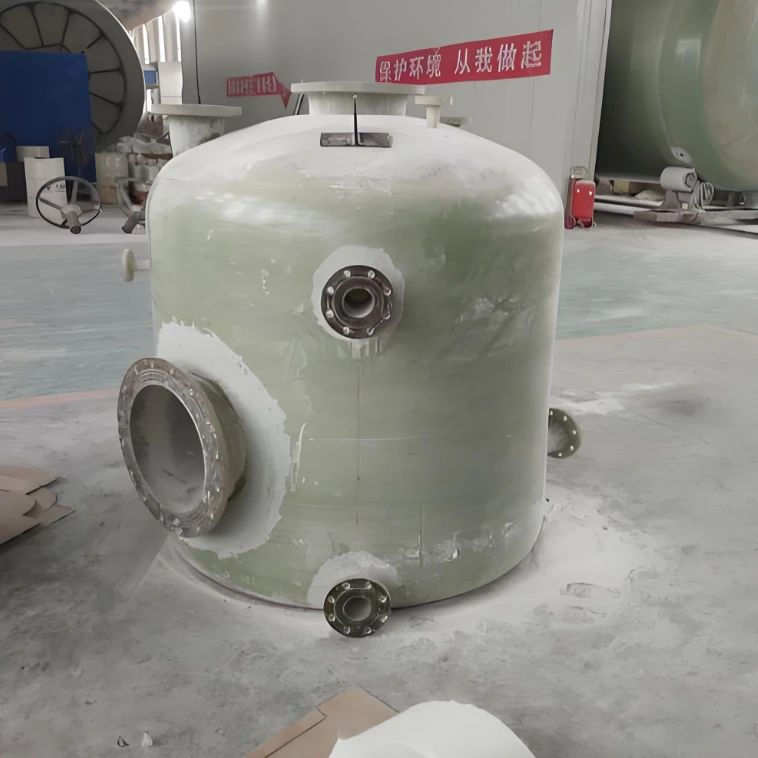
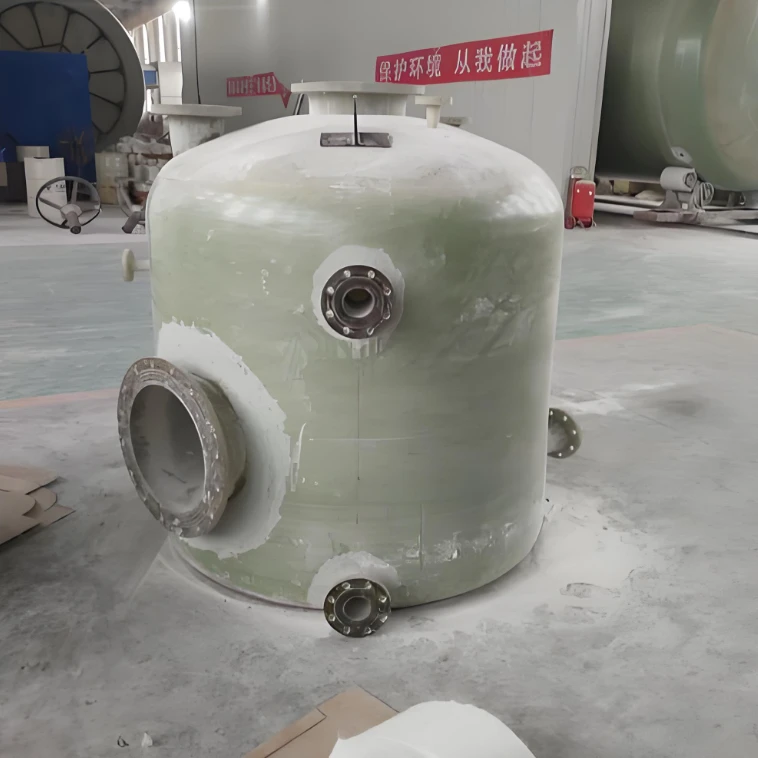
High-capacity FRP transportation and storage tank for corrosive liquids.
Typical Product Specifications Table
| Parameter | Specification | Notes / Standards |
|---|---|---|
| Material Construction | FRP (Fiber Reinforced Polymer) with Vinyl Ester/Isophthalic Resin | ASTM D3299, ASME RTP-1 compliant inner liner |
| Volume Capacity | 5 m³ to 100 m³ (1,300 to 26,000 Gallons) | Customizable based on transport vehicle & application |
| Operating Pressure | Atmospheric to 0.5 MPa (72.5 psi) | Designed with safety factors for dynamic loads |
| Operating Temperature | -30°C to +120°C (Dependent on resin choice) | Vinyl Ester for higher temperatures |
| Corrosion Resistance | Excellent against strong acids (HCl, H2SO4), alkalis, salts | Specific resin systems matched to media |
| Specific Gravity of Contents | Up to 1.8 | Design calculations accommodate fluid density |
| Manufacturing Method | Filament Winding with Hand Lay-up Liner | Ensures structural integrity and homogeneous wall |
| Design Standards | ASME RTP-1, ASTM D3299, BS 4994, EN 13121 | Compliance with international codes for safety |
| Fittings/Nozzles | FRP, PVC, PP, or PVDF | Flanged or threaded, compatible with tank material |
| Expected Service Life | 20-30+ years | With proper maintenance and operating conditions |
Application Scenarios for Chemical Transport Tanks
Acid transport tanks are indispensable assets across a diverse range of industries where the movement of corrosive and hazardous liquids is a daily necessity. Their specialized design and material properties make them suitable for challenging environments where conventional materials fail to perform safely or economically.
- Petrochemical Industry: Transport of concentrated sulfuric acid, hydrochloric acid, nitric acid, caustic soda, and various other aggressive chemicals from production facilities to storage terminals or processing plants. This includes inter-plant transfers and long-haul transportation of raw materials or intermediate products.
- Metallurgical Sector: Handling of pickling acids (e.g., mixtures of hydrofluoric and nitric acids), etching solutions, and waste acids generated during metal processing, such as steel production or surface treatment.
- Water Treatment & Environmental Services: Transportation of coagulants (e.g., aluminum sulfate, ferric chloride), disinfectants (e.g., sodium hypochlorite), and pH adjusters (e.g., sulfuric acid, caustic soda) to municipal water treatment plants, wastewater facilities, and industrial effluent treatment sites.
- Chemical Manufacturing: Movement of bulk raw materials, catalysts, and finished chemical products that are corrosive or reactive, ensuring product integrity and worker safety throughout the supply chain.
- Agriculture: Transport of liquid fertilizers (e.g., urea ammonium nitrate solutions) and pesticides that may be corrosive to standard tanks.
- Mining Industry: Delivery of leaching agents (e.g., sulfuric acid for copper extraction) to remote mining sites, where reliability under harsh conditions is paramount.
In these scenarios, the ability of FRP acid transport tanks to resist a broad spectrum of chemicals, coupled with their robust structural design, ensures safe transit, minimizes environmental risks, and significantly reduces the total cost of ownership over their extended service life.
Technical Advantages of FRP Acid Transport Tanks
FRP (Fiber Reinforced Polymer) acid transport tanks offer a compelling array of technical advantages over traditional materials such as stainless steel or lined carbon steel, particularly in the demanding context of corrosive liquid transportation. These benefits translate directly into enhanced operational safety, reduced lifecycle costs, and improved logistical efficiency for B2B applications.
- Superior Corrosion Resistance: The primary advantage is FRP's inertness to a wide range of highly corrosive acids, alkalis, salts, and solvents. Unlike metals that corrode, pit, or stress crack, FRP tanks maintain their integrity, preventing contamination of transported media and ensuring safety. This drastically reduces maintenance, repair, and replacement costs associated with corrosion-related damage.
- High Strength-to-Weight Ratio: FRP materials are significantly lighter than steel, offering a higher strength-to-weight ratio. This translates to reduced tare weight for transport vehicles, allowing for greater payload capacity, thereby improving fuel efficiency and reducing transportation costs per volume. It also eases handling and installation.
- Long Service Life: Due to inherent corrosion resistance and robust construction, FRP tanks typically boast an operational lifespan of 20-30 years or more, often double that of metal alternatives in corrosive service, leading to a superior return on investment.
- Low Maintenance Requirements: The non-corrosive nature of FRP eliminates the need for internal coatings, cathodic protection, or frequent rust removal and repainting. Routine cleaning and inspection are generally sufficient to maintain peak performance.
- Design Flexibility & Customization: The filament winding and hand lay-up manufacturing processes allow for significant flexibility in tank dimensions, shapes (cylindrical, rectangular, oval), and fitting configurations (nozzles, manways, baffles). This enables tailored solutions to meet specific site constraints, vehicle integration, and process requirements.
- Thermal Insulation Properties: FRP has lower thermal conductivity compared to metals, providing natural insulation properties. This can help in maintaining the temperature of the transported chemicals, reducing heat loss or gain, which is beneficial for temperature-sensitive substances.
- Environmental Safety: The robust, monolithic construction and superior resistance to chemical attack minimize the risk of leaks and spills, safeguarding the environment and ensuring compliance with stringent safety regulations.
- Ease of Repair: While durable, FRP tanks can be readily repaired in the field if accidental damage occurs, extending their operational life and reducing downtime compared to complex metal repairs.
These advantages collectively underscore why FRP chemical transport tanks are becoming the material of choice for discerning industrial clients focused on safety, efficiency, and long-term cost-effectiveness.
Vendor Comparison: FRP vs. Stainless Steel Chemical Transport Tanks
When selecting chemical transport tanks, particularly for corrosive media, the choice between FRP (Fiber Reinforced Polymer) and stainless steel is pivotal. While stainless steel has its merits, FRP often presents a more advantageous solution for specific applications, especially concerning highly aggressive acids. This comparison highlights key differentiating factors to aid B2B decision-makers.
Product Comparison Table
| Feature | FRP Acid Transport Tanks | Stainless Steel (e.g., 304/316L) Tanks |
|---|---|---|
| Corrosion Resistance | Excellent against a wide range of strong acids (HCl, H2SO4, HF), alkalis, and salts. No pitting, crevice corrosion, or stress cracking. | Good for many chemicals, but susceptible to pitting and stress corrosion cracking in presence of chlorides, certain acids (e.g., concentrated HCl, HF). Requires specific alloys or internal linings for highly corrosive media. |
| Weight | Significantly lighter (approx. 1/4 - 1/5 the weight of steel), allowing for higher payload and better fuel efficiency. | Heavy, leading to lower payload capacity and increased fuel consumption. |
| Service Life | Typically 20-30+ years in corrosive service due to material inertness. | Highly variable; can be significantly shorter (5-15 years) in corrosive environments if not specified correctly or maintained. |
| Maintenance | Low; no need for painting, cathodic protection, or rust removal. Easy to clean. | Can be high, especially if internal linings are used or corrosion issues arise. Regular inspections for rust and cracks. |
| Cost (Initial) | Often competitive with or lower than specialty alloy stainless steel tanks required for highly corrosive acids. | Can be high, especially for high-grade alloys or when internal linings are required for corrosion protection. |
| Cost (Lifecycle) | Lower due to extended service life, reduced maintenance, and fuel savings from lighter weight. | Can be higher due to shorter lifespan in corrosive service, higher maintenance, and operational costs. |
| Thermal Conductivity | Low, providing natural insulation properties. | High, requiring additional insulation for temperature-sensitive cargo. |
While stainless steel provides robustness for non-corrosive or mildly corrosive applications, for the challenging transport of strong acids and chemicals, the technical and economic advantages of FRP storage tank solutions are clear, making them the preferred choice for long-term reliability and safety.
Customized Solutions for Acid Transport Tanks
Recognizing that every industrial application has unique requirements, leading manufacturers of acid transport tanks specialize in providing highly customized FRP solutions. This tailored approach ensures optimal performance, seamless integration into existing logistics, and strict adherence to specific operational parameters and regulatory demands. Customization extends beyond mere volume capacity to encompass a comprehensive range of design and functional elements.
- Material & Resin Selection: Precision-matched resin systems (e.g., specific Vinyl Esters, Isophthalic polyesters) and fiber types are chosen based on the exact chemical composition, concentration, and temperature of the transported acid, maximizing corrosion resistance and service life.
- Dimensional & Structural Design: Tanks can be custom-engineered for specific vehicle chassis (truck, railcar, trailer), including cylindrical, elliptical, or rectangular cross-sections. Wall thickness, dome shapes, and structural reinforcement are optimized for dynamic transport loads and internal pressures.
- Fittings & Accessories: Integration of specialized nozzles, manways, vents, baffles, spray balls, level indicators, temperature sensors, and pressure relief valves, all manufactured from compatible corrosion-resistant materials (FRP, PVDF, PTFE-lined) and designed to client specifications.
- Insulation & Heating/Cooling: For temperature-sensitive chemicals, custom insulation layers (e.g., polyurethane foam) or external heating/cooling coils can be integrated into the tank design.
- Load & Unload Systems: Design adaptations for specific pumping systems, including specialized bottom discharge, top loading/unloading, and customized connections for hoses and transfer lines.
- Safety Features: Incorporation of advanced safety features like emergency shut-off valves, spill containment systems, and specialized grounding provisions for flammable liquids.
- Compliance & Certifications: Tanks are custom-designed to meet specific international and local transport regulations (e.g., DOT, ADR, IMDG, various national highway codes) and industry standards, with comprehensive documentation and certification support.
By offering these tailored solutions, manufacturers ensure that each chemical transport tank is not just a container111 but a purpose-built component of a client's critical logistics chain, maximizing safety, efficiency, and operational uptime.
Application Case Studies: Real-World Impact
The efficacy and reliability of FRP acid transport tanks are best demonstrated through their successful deployment in challenging industrial scenarios. These case studies highlight their practical advantages and the trust placed in them by major industry players.
Case Study 1: Large-Scale Sulfuric Acid Distribution for a Mining Conglomerate
- Client: A prominent international mining corporation operating in South America.
- Challenge: Transporting over 100,000 tons of concentrated sulfuric acid (98%) annually from port facilities to remote copper leaching operations across rough terrain, enduring extreme temperatures and vibrations. Previous steel-lined tanks suffered from frequent lining failures and corrosion, leading to unscheduled downtime and significant maintenance costs.
- Solution: Design and supply of 20 custom-fabricated FRP acid transport tanks, each with a 30m³ capacity, mounted on specialized off-road trailers. The tanks were constructed with a premium Vinyl Ester resin inner liner and filament-wound structural shell, specifically engineered for concentrated sulfuric acid at elevated temperatures.
- Outcome: Over 5 years of continuous operation without a single lining failure or corrosion-related incident. The lighter weight of the FRP tanks allowed for increased payload per trip by 15%, reducing the number of transport cycles and overall fuel consumption by approximately 10%. The client reported a 70% reduction in tank maintenance costs and improved safety records due to enhanced material integrity.
Case Study 2: Hydrochloric Acid Supply for a European Chemical Producer
- Client: A leading European producer of industrial chemicals requiring reliable transport of 32% hydrochloric acid.
- Challenge: Existing rubber-lined carbon steel tanks showed signs of wear and tear, and periodic relining was expensive and caused considerable operational disruption. The client sought a long-term solution that was maintenance-free and fully compliant with stringent EU ADR regulations for hazardous materials.
- Solution: Provision of 10 insulated FRP tank trailers, each rated for 25m³ of hydrochloric acid. The tanks featured a specialized Novolac Vinyl Ester resin system known for its exceptional resistance to halogenated acids, and integrated safety features including rupture discs and emergency vents, all certified to ADR standards.
- Outcome: The client achieved seamless, compliant transport operations. The inherent insulation of the FRP material helped maintain optimal acid temperature, preventing crystallization in cold weather. After 3 years, internal inspections revealed no signs of corrosion or material degradation, significantly extending tank replacement cycles compared to previous solutions. The client praised the reduction in operational risks and adherence to the highest safety protocols.
These cases underscore the authoritative position of high-quality FRP chemical transport tanks as a robust, cost-effective, and safe choice for hazardous material logistics, validated by real-world performance and satisfied clients.
Frequently Asked Questions (FAQ)
-
Q: What types of acids can FRP transport tanks handle?
A: FRP acid transport tanks can be specifically designed to handle a wide range of highly corrosive acids including, but not limited to, hydrochloric acid (HCl), sulfuric acid (H2SO4), nitric acid (HNO3), hydrofluoric acid (HF), phosphoric acid (H3PO4), and various organic acids. The specific resin system (e.g., Vinyl Ester, Novolac Vinyl Ester, Isophthalic) is carefully selected based on the acid type, concentration, and operating temperature to ensure optimal chemical resistance.
-
Q: What are the typical lead times for custom FRP tanks?
A: Lead times for custom FRP chemical transport tanks can vary depending on complexity, size, and current production schedules. Typically, for standard configurations, lead times range from 6 to 12 weeks from confirmed order to delivery. Highly customized designs or large-volume orders may require longer, up to 16-20 weeks. We recommend consulting directly with our sales team for precise lead time estimates based on your specific project requirements.
-
Q: What kind of warranty is offered on your FRP transportation tanks?
A: We stand behind the quality and durability of our FRP Transportation Storage Tanks with a comprehensive warranty against defects in materials and workmanship. Standard warranty periods typically range from 1 to 5 years, depending on the tank design and application. Specific warranty details, including coverage and duration, will be provided with your formal quotation and contract. Our commitment is to ensure client satisfaction and product longevity.
-
Q: How does your company ensure compliance with transport regulations?
A: Our engineering and manufacturing processes are fully compliant with relevant international and national transport regulations and industry standards, including ASME RTP-1, ASTM D3299, BS 4994, EN 13121, ADR (for Europe), IMDG (for maritime), and DOT (for North America). We provide comprehensive documentation, certifications, and testing reports to ensure that every FRP storage tank meets or exceeds the required safety and performance benchmarks for hazardous material transportation.
Lead Time, Warranty, and Customer Support
Lead Time & Fulfillment
Our commitment to timely delivery is paramount for B2B operations. Standard production lead times for custom FRP transportation storage tanks typically range from 8 to 14 weeks, depending on the complexity of the design, required volume, and current manufacturing queue. For urgent requirements, expedited production options may be available upon request and assessment. We maintain transparent communication throughout the production cycle, providing regular updates on fabrication progress and expected delivery dates. Our logistics team works closely with clients to coordinate efficient and secure delivery to the specified location, whether domestic or international.
Warranty Commitments
We back the superior quality and craftsmanship of our FRP tanks with industry-leading warranty programs. All FRP Transportation Storage Tanks come with a standard 3-year limited warranty covering defects in materials and workmanship under normal operating conditions. Extended warranty options, up to 5 years, are available for select products and applications, offering our clients enhanced peace of mind. Full warranty terms and conditions are detailed in our sales agreements, reflecting our unwavering confidence in our products' durability and performance.
Customer Support & After-Sales Service
Our relationship with clients extends far beyond the point of sale. We offer comprehensive after-sales support designed to ensure the continuous, reliable operation of your chemical transport tanks. Our dedicated support team includes technical specialists available for troubleshooting, maintenance guidance, and spare parts procurement. Services include:
- Technical Assistance: Expert guidance for installation, operation, and maintenance.
- Spare Parts & Components: Ready availability of genuine fittings, gaskets, and accessories.
- On-site Support: For complex issues or specialized maintenance, our engineers can provide on-site assistance.
- Training: Customized training programs for your operational and maintenance personnel.
We are committed to building long-term partnerships by providing unparalleled product quality and responsive, reliable service.
References
- ASTM International. "Standard Specification for Filament-Wound Fiberglass (Glass-Fiber-Reinforced Thermosetting-Resin) Pressure Vessels." ASTM D3299.
- American Society of Mechanical Engineers. "Reinforced Thermoset Plastic Corrosion Resistant Equipment." ASME RTP-1.
- European Committee for Standardization. "GRP Tanks and Vessels for Use Above Ground – Part 1: Raw Materials – Specification Conditions and Acceptance Conditions." EN 13121.
- International Organization for Standardization. "Quality management systems – Requirements." ISO 9001.
- The European Agreement concerning the International Carriage of Dangerous Goods by Road (ADR). United Nations Economic Commission for Europe.






Address
20 Xingyuan South Street, Zaoqiang County, Hengshui City, Hebei Province, China


