



We Are Open 24 Hours a Day, 7 Days a Week, Including Weekends and Public Holidays.

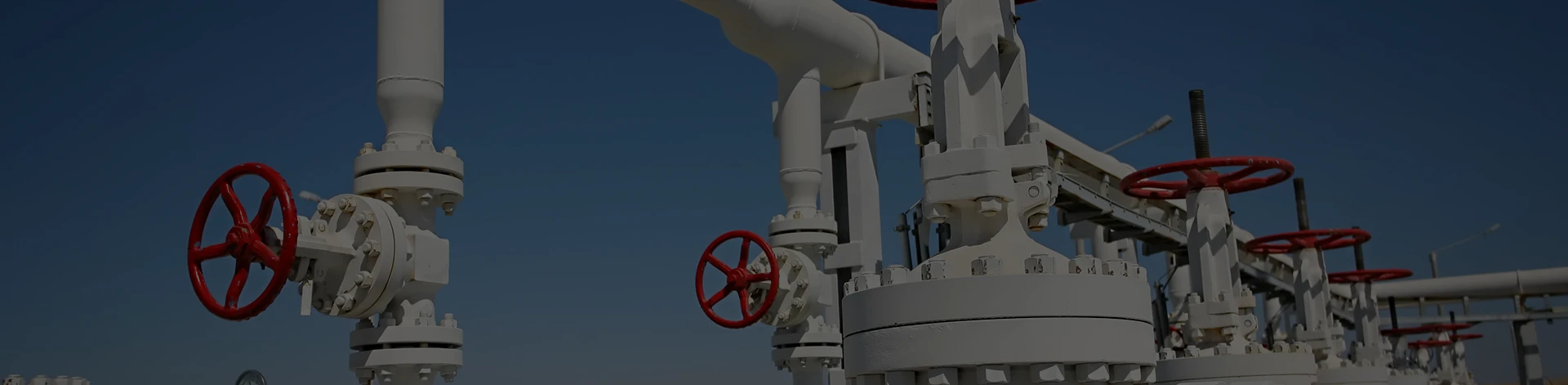
Durable Enamel Water Tanks for Industrial Storage Solutions
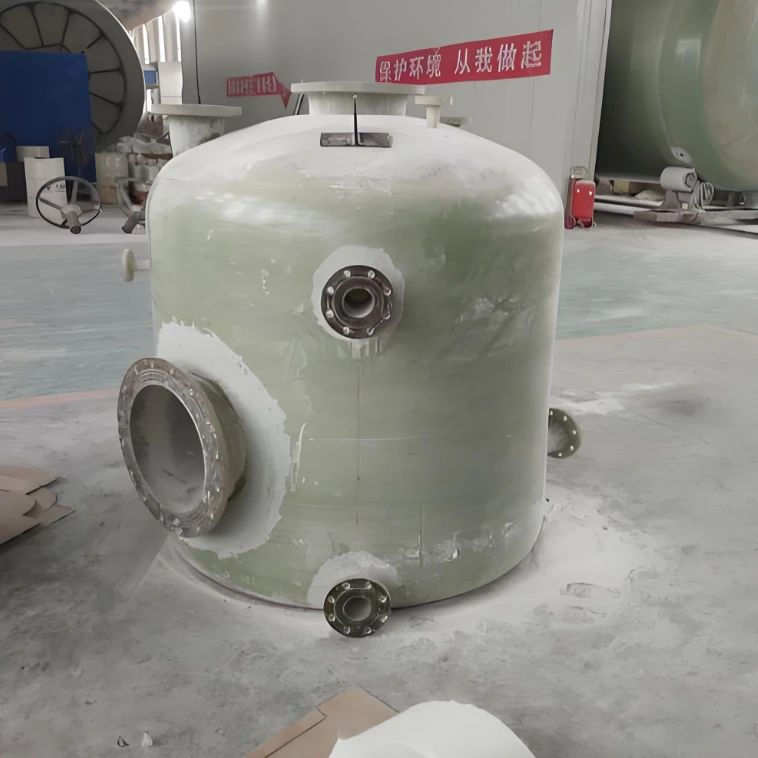
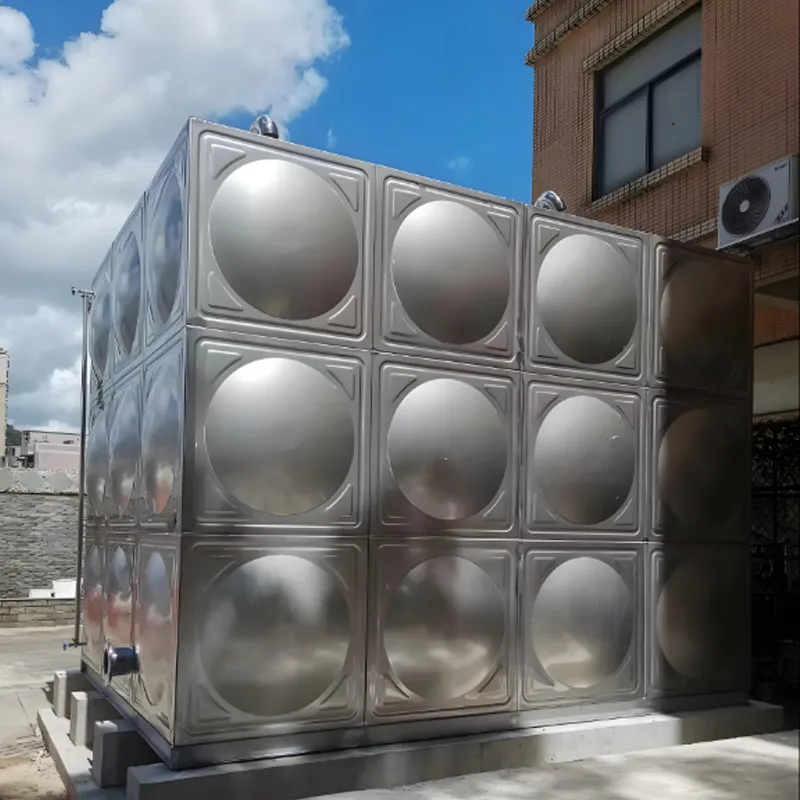
Enamel Water Tank: Durable Solutions for Modern Storage Needs
Having spent more than a decade in the industrial equipment sector, I've seen my fair share of water storage technologies come and go. Yet, oddly enough, the enamel water tank remains a stalwart favorite in many industries. There's just something about that glossy, tough enamel finish that steers engineers toward it time and again — it’s the kind of resilience you can almost feel under your fingertips.
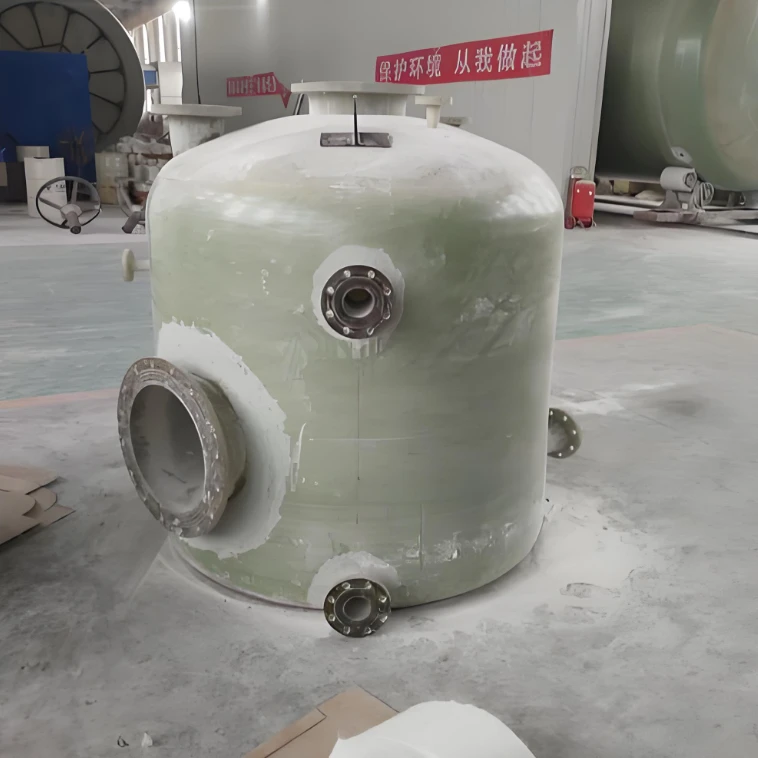
For those who aren’t familiar, an enamel water tank essentially combines steel (often carbon steel) with a ceramic-based enamel coating. This approach isn’t new, but in real terms, it improves corrosion resistance dramatically compared to plain steel tanks. I suppose the thing that surprises most newcomers is how the enamel prevents rust, thanks to its glass-like layer that seals the metal beneath.
In my experience, enamel tanks are especially favored where clean water storage is paramount — hospitals, food processing plants, and even municipal water systems. What’s curious is how the finish also resists bacterial growth better than untreated steel, which means less contamination risk and longer-lasting water quality.
Key Specifications of Enamel Water Tanks
| Specification | Details |
|---|---|
| Material | Carbon Steel base with ceramic enamel coating |
| Capacity Range | 500 liters to 50,000 liters (custom sizes available) |
| Coating Thickness | 250 – 400 microns |
| Temperature Range | -20°C to 120°C (suitable for potable water and some mild industrial liquids) |
| Corrosion Resistance | Excellent, especially against chlorides and alkaline substances |
| Surface Finish | Glossy, glass-like enamel with customizable colors |
| Customization Options | Shape, size, internal compartmentalization, external painting |
Years ago, I witnessed a food processing plant upgrade from polymer tanks to enamel ones — their staff claimed it was a game changer. The tanks held up in acidic environments (like vinegar production) without the slightest pitting or degradation, and cleaning routines became less laborious. That was a classic ‘aha’ moment where you realize this stuff really works.
Now, speaking candidly, enamel tanks do come with some trade-offs. They're heavier than their plastic counterparts and require careful handling during installation, or the enamel can chip. But many technicians I know say the long-term durability and water purity benefits outweigh these minor pains. Plus, modern enamel formulations have gotten surprisingly tough and flexible, reducing breakage risks.
Comparing Major Enamel Water Tank Vendors
| Vendor | Capacity Range | Customization | Warranty | Notable Feature |
|---|---|---|---|---|
| LongXuan FRP | 500 - 50,000 L | Full customization in shape and size | 5 years on coating integrity | Innovative enamel formula with fast turnaround |
| ProTank Solutions | 1,000 - 30,000 L | Standard sizes, limited customization | 3 years | Low-cost option with decent durability |
| SteelGlaze Corp. | 2,000 - 40,000 L | Moderate customization, color options | 4 years | Proprietary double-layer enamel |
When it comes to choosing the right enamel water tank, it’s really about your specific operational needs. As many engineers in my circle highlight, consider the liquids stored, environmental factors, and long-term maintenance schedules. Oddly enough, a tank’s aesthetics — the color and finish — also seem to matter more than you might expect, especially in public-facing facilities.
At the end of the day, the enamel water tank strikes that balance between toughness and hygiene, which frankly is hard to beat in industrial water storage. If you are looking for reliable, long-lasting solutions, checking out enamel water tanks from vendors like LongXuan might be a smart move.
It’s an old-school tech with a modern twist — kind of like seeing an old friend upgraded with new tricks, still standing strong after all these years.
References:
- Industry reports on coatings in water tanks (Water Storage Journal, 2022)
- LongXuan FRP product catalog and technical sheets
- Interviews with industrial engineers (2023)





Address
20 Xingyuan South Street, Zaoqiang County, Hengshui City, Hebei Province, China


