



We Are Open 24 Hours a Day, 7 Days a Week, Including Weekends and Public Holidays.

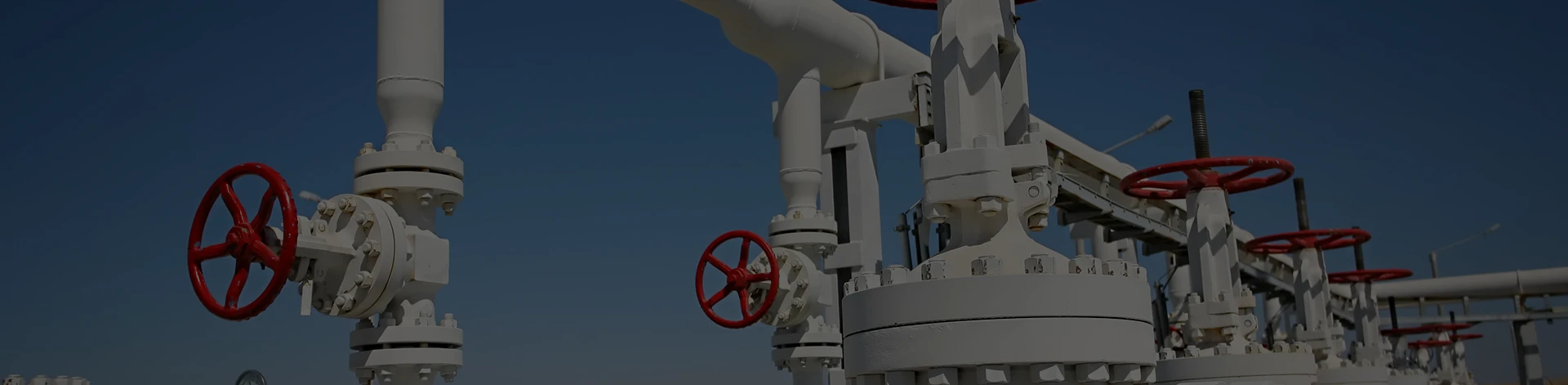
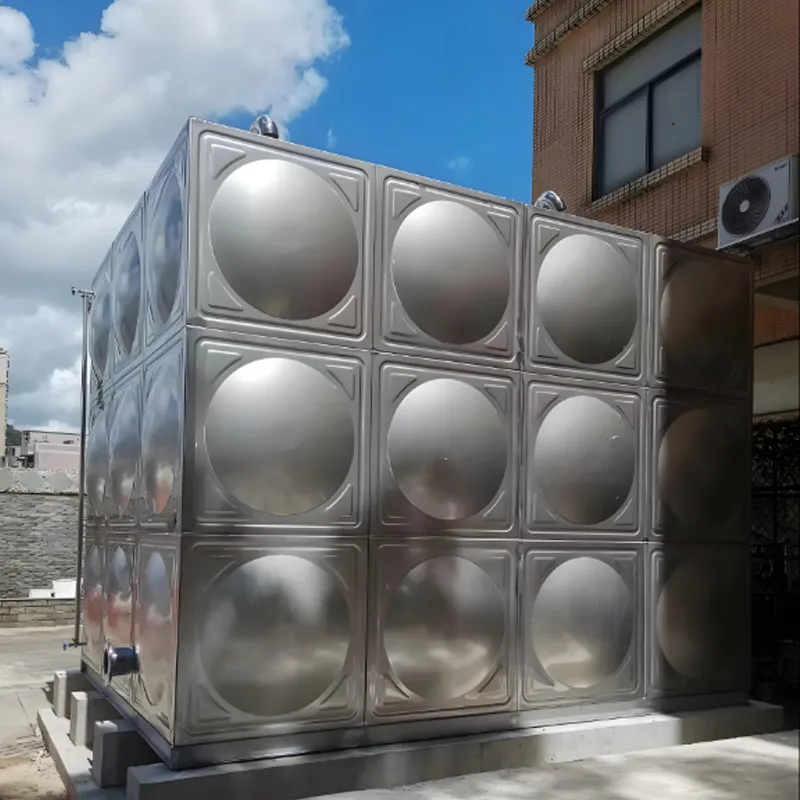
Custom Stainless Water Tank: Durable & Tailored Industrial Solutions
Why a Custom Stainless Water Tank Makes Sense for Your Industrial Needs
Having worked across various corners of the industrial equipment sector for well over a decade, I can say this: investing in a custom stainless water tank rarely feels like just another line item on a spec sheet. Oddly enough, these tanks turn out to be the unsung heroes in many projects. They hold more than water — they hold efficiency, durability, and tailored solutions that off-the-rack models often miss.
Stainless steel has long been the go-to material when your project demands corrosion resistance, hygiene, and strength all in one package. You can almost hear the engineers sighing with relief because, frankly, a subpar tank leads to headaches down the line — leaks, contamination, structural failure, you name it.
What’s interesting is how customization isn’t just about size or shape; it’s about matching specific operational parameters, from pressure requirements to temperature ranges. I once worked with a client who needed a tank that could handle aggressive cleaning cycles without any degradation — something only a thoughtfully engineered stainless steel tank could pull off.
| Specification | Details |
|---|---|
| Material Grade | 304, 316L Stainless Steel (depending on corrosion requirements) |
| Capacity Range | 500 litres to 50,000 litres or custom sizes |
| Wall Thickness | 2mm – 6mm (based on pressure and application) |
| Finish | Electropolished, mirror, or brushed finishes available |
| Testing | Hydrostatic pressure tests, leakage tests, and weld inspections |
| Custom Features | Manways, level indicators, agitators, insulation, and more |
From my experience, the real value comes in the details. You’d be surprised how many manufacturers offer “custom” but are essentially just tweaking standard dimensions. True customization involves your vendor sitting down with you, understanding your process, and suggesting design adjustments based on years of collective insights. Sort of like collaboration rather than transaction.
| Feature | Vendor A | Vendor B | Vendor C |
|---|---|---|---|
| Customization Depth | High – full engineering support | Medium – limited options | Low – mostly standard designs |
| Material Options | 304, 316L Stainless Steel | 304 Stainless Steel only | Mild Steel with coating |
| Lead Time | 4–6 weeks | 6–8 weeks | 8+ weeks |
| Testing & Certification | Included (hydrostatic, weld certs) | Optional at extra cost | Limited / none |
| Post-Sale Support | Comprehensive, onsite support available | Limited remote assistance | Minimal |
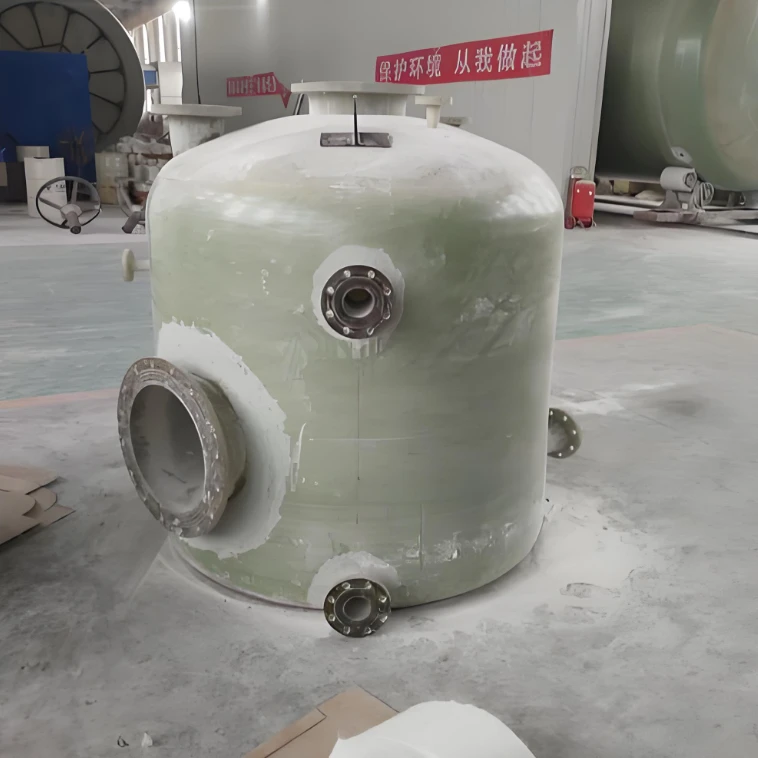
Take the story of a mid-sized food processing plant I visited last year. They had switched from fiberglass tanks to custom stainless ones simply because their washing protocols caused premature wear on the old tanks. Since making the switch, their down-time related to tank repair dropped practically to zero, and maintenance crews were much happier dealing with the smooth, stainless surfaces.
Of course, I must flag that custom solutions can come with a higher price tag. But this is often balanced by longer service life, less downtime, and compliance with strict sanitary or industrial standards. Many engineers I know believe it’s better to get it right from the beginning — investing upfront to avoid endless fixes.
And in real terms, that’s what custom stainless water tanks really offer. A bit of peace of mind, a fit that’s engineered, and a build that’s ready for whatever your operation throws at it.
To wrap it up, if your project demands reliability, longevity, and flexibility, a custom stainless steel tank should definitely be on your radar. Don’t settle for close enough — you know it's worth the extra conversation.
Reflections: Every new tank project feels a little like assembling a puzzle—each piece matters, and stainless steel is often the critical one that ensures everything fits perfectly for years to come.
- International Stainless Steel Forum: Stainless Steels in the Food Industry
- Materials Performance Magazine: Benefits of 316L Stainless Steel
- Case Study – Industrial Water Tanks for Food Processing, Corporate Resources





Address
20 Xingyuan South Street, Zaoqiang County, Hengshui City, Hebei Province, China


