



We Are Open 24 Hours a Day, 7 Days a Week, Including Weekends and Public Holidays.

Buy Stainless Steel Water Tank - Durable Industrial Water Solutions
Why Buy Stainless Steel Water Tanks for Industrial Use?
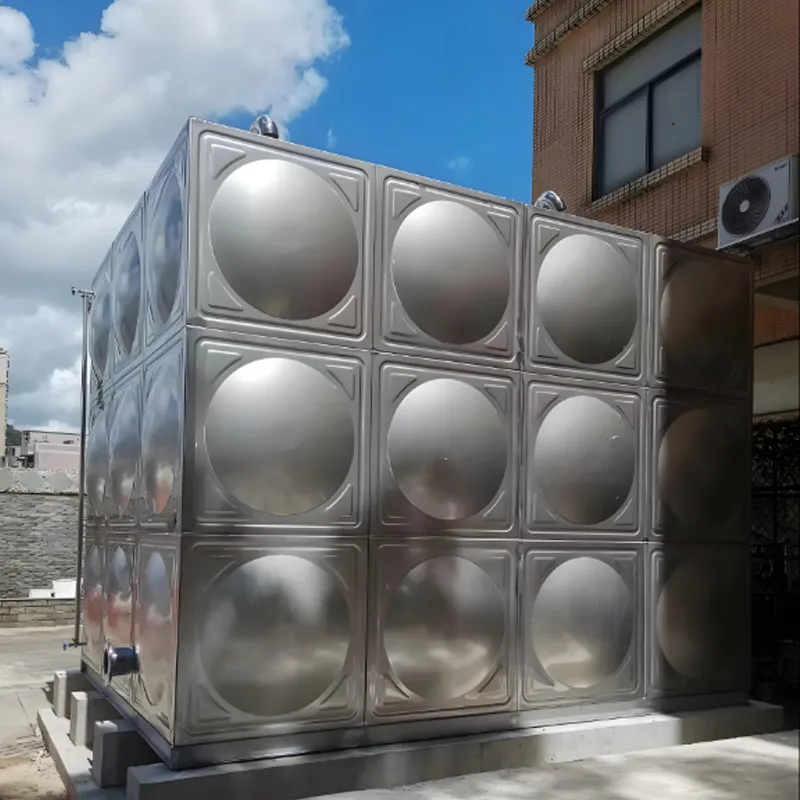
Having worked in industrial equipment supply for over a decade, I can say that choosing the right water storage solution is far from trivial. Buy stainless steel water tank options keep cropping up in discussions between engineers and plant managers alike, and frankly, for good reasons.
Stainless steel tanks, especially in the water storage sector, have become almost a staple. Why? Well, it’s a combination of longevity, hygiene, and reliability. In many industries, water quality isn’t just about taste or clarity; it directly affects processes and product quality. I remember once advising a food processing plant where rust or contamination from inferior tanks caused huge headaches — hence the shift to stainless steel.
Oddly enough, though stainless steel often costs more upfront compared to plastic or carbon steel, the investment pays off over time. It’s not just corrosion resistance; think about maintenance costs, inspection intervals, and even regulatory compliance. Many engineers I know prefer stainless steel for these reasons alone. Kind of like choosing an all-terrain vehicle over a regular sedan — it just handles tougher environments without breaking a sweat.
Now, let’s talk design and specs. These tanks come in varying thicknesses, finishes, and capacities. For industrial use, 304 or 316 stainless steel grades are common. The 316 grade, with a bit of added molybdenum, resists chloride corrosion better, which is crucial in coastal facilities or harsh chemical environments.
| Specification | Typical Value | Remarks |
|---|---|---|
| Material Grade | 304 / 316 Stainless Steel | 316 recommended for corrosive environments |
| Capacity | 1,000 to 50,000+ Liters | Custom sizes often available |
| Wall Thickness | 1.5 mm to 6 mm | Varies with tank size and pressure requirements |
| Finish | Polished / Brushed | Affects cleaning and appearance |
| Pressure Rating | Up to 3 bar (standard) | Special design required for higher pressures |
One often overlooked factor is quality testing. In industrial settings, you want your water tank certified not just for material authenticity but also for weld integrity, leak testing, and sometimes even seismic compliance. I saw a vendor that used automated ultrasonic scanning on seams—a step that gives you confidence the tank will hold up over years of service.
Speaking of vendors — it’s critical to pick one that understands these nuances. Here's a quick comparison I put together from my recent supplier reviews:
| Vendor | Material Certification | Custom Sizes | Lead Time | Post-Sale Support |
|---|---|---|---|---|
| LongXuan FRP | Full 3rd-party Certified | Yes, flexible | 4-6 Weeks | Excellent |
| SteelWorks Inc. | Basic Material (In-House) | Limited | 6-8 Weeks | Good |
| PureTank | Certified but Limited Transparency | Yes | 5-7 Weeks | Fair |
I personally had a client who shifted to LongXuan for their brewery project. They praised the customization flexibility and solid post-sale communication — two things that, honestly, can be dealbreakers. Also, LongXuan’s quality certifications meant less back-and-forth with inspectors.
Finally, there’s the environment and health angle. Stainless steel doesn’t leach chemicals, and its longevity means fewer replacements and less waste. For facilities aiming to boost sustainability, it’s a win-win.
On the flip side, if your budget is tight, it might be tempting to opt for fiberglass or plastic tanks — but remember the total cost of ownership. In real terms, stainless steel often wins out.
So if you’re looking to buy stainless steel water tank, I’d urge you to weigh these factors carefully — quality, certification, customization, and after-sales. It’s not just a tank; it’s an investment in your operation’s reliability.
In my experience, it pays to go with vendors who back their products with transparent certifications and have strong reputations. A good water tank might not be glamorous, but it quietly underpins the success of a dozen processes behind the scenes.
That said, every installation is different, so don’t hesitate to ask for detailed specs and third-party reports. It’s worth the time.
Reflection: Oddly enough, I find the world of industrial water storage more fascinating than it sounds — the intersection of materials science, engineering, and daily operational challenges makes for an ongoing story. Whether you’re upgrading or building new, stainless steel tanks remain a solid bet.
- “Corrosion Resistance in Stainless Steel.” ASM International Handbook.
- Industry benchmarks and certifications (ISO 9001, ASME) for water tanks.
- Customer testimonials and reviews from industrial equipment forums.





Address
20 Xingyuan South Street, Zaoqiang County, Hengshui City, Hebei Province, China


