



We Are Open 24 Hours a Day, 7 Days a Week, Including Weekends and Public Holidays.

Durable Vitreous Enamel Coated Tanks for Industrial Use | Longxuan FRP
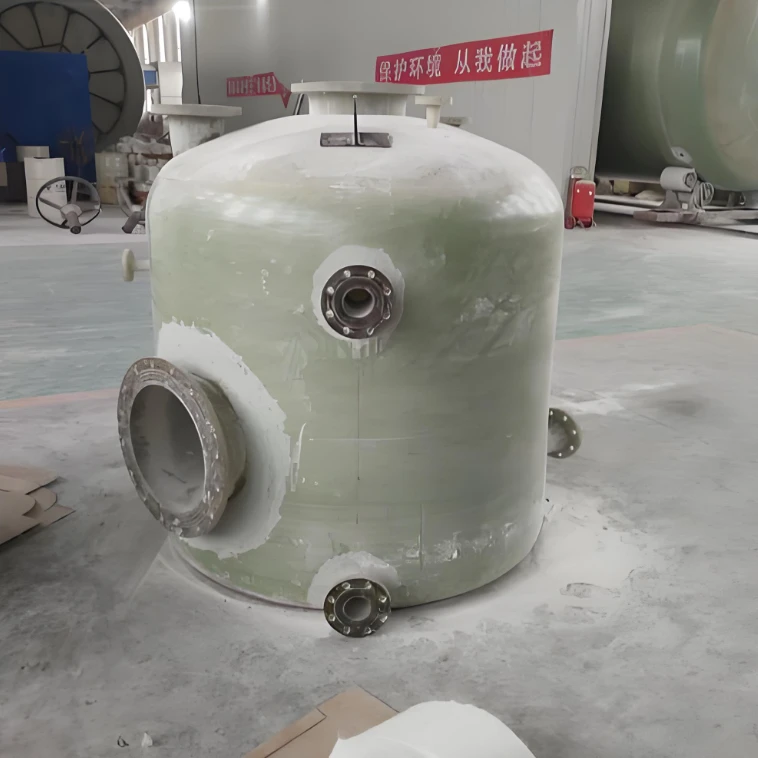
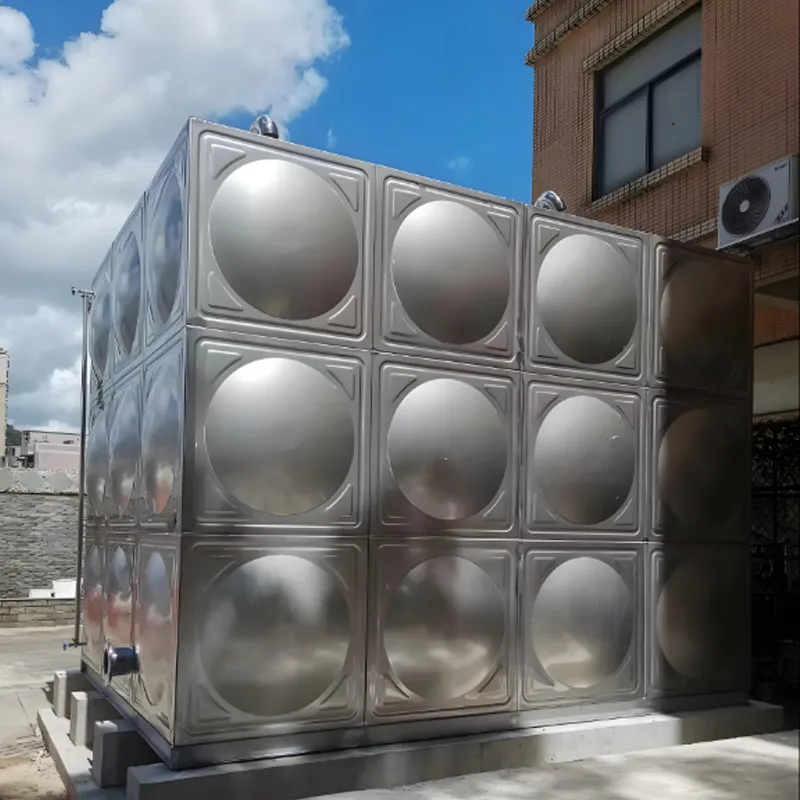
Vitreous Enamel Coated Tanks: Durable Solutions for Industrial Needs
Having spent a good part of my career hands-on in the industrial equipment sector, I can tell you there's something oddly satisfying about vitreous enamel coated tanks. They’re one of those unsung heroes — tough as nails and elegant in their simplicity.
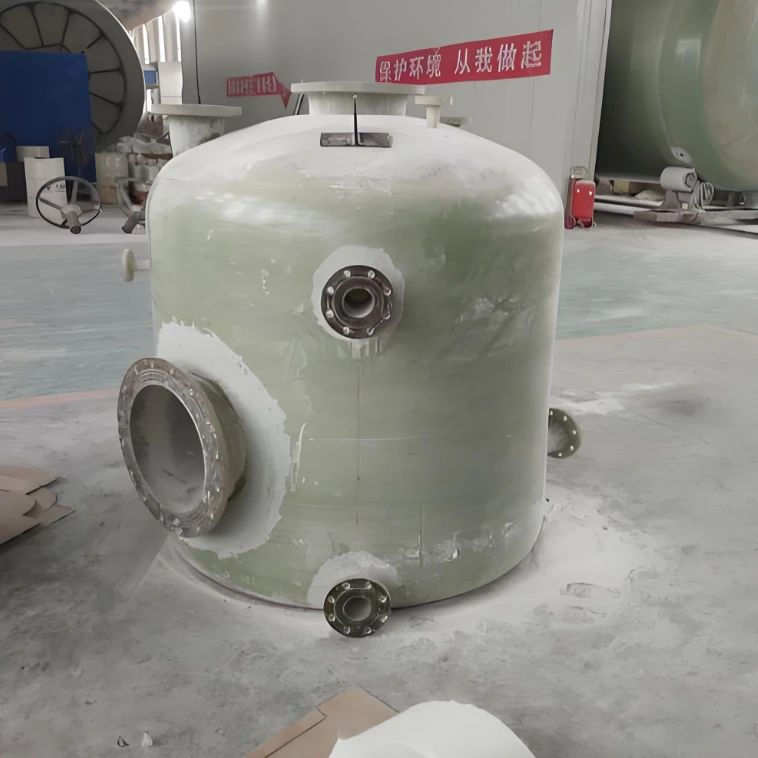
Now, if you’re wondering why a coating might matter so much on a tank, here’s the gist. Vitreous enamel, essentially a glassy, smooth layer fused onto steel at high temperatures, isn’t just about looks. It protects the tank from corrosion, chemical damage, and basically extends the lifetime well beyond what bare steel might muster.
In real terms, this means these tanks see broad use across chemical processing, water treatment, and even food industries. Their resistance to abrasion and acids is a big deal, especially when you’re storing aggressive substances. I remember a plant where a vitreous enamel tank replaced a corroded old one — the difference was night and day.
How These Tanks Are Designed & Built
The process involves coating a steel substrate — usually carbon steel — with a finely ground frit (that’s glass powder). Then it’s heated until the frit melts and bonds, creating a seamless, hard, non-porous surface. This isn’t some flimsy paint job; we’re talking about a layer typically around 0.5 mm thick.
Manufacturers typically ensure the enamel layer achieves high uniformity and adhesion via strict quality control — tests like leach resistance, impact strength, and thermal shock resistance. Frankly, many engineers I’ve talked with say vitreous enamel is sort of the gold standard where tank longevity and chemical resistance must coexist.
As for customization, you can get these tanks in various shapes and sizes, with additional linings or reinforcements if needed. The beauty is they don’t just endure, they also maintain sanitary conditions, which matters a lot in food or pharma applications.
Vitreous Enamel Coated Tank – Key Specifications
| Specification | Details |
|---|---|
| Tank Material | Carbon Steel or Stainless Steel |
| Coating Thickness | Typically 0.4 - 0.6 mm |
| Operating Temperature | Up to 450°C |
| Corrosion Resistance | Excellent against acids & alkalis |
| Typical Sizes | From 0.5 to 20 cubic meters |
Comparing Leading Vendors of Vitreous Enamel Tanks
| Vendor | Customization Options | Lead Time | Typical Industries Served |
|---|---|---|---|
| Longxuan FRP | Highly customizable, special linings | 4-6 weeks | Chemical, Food, Pharma |
| Vendor B | Standard sizes, limited options | 6-8 weeks | Water treatment, Chemical |
| Vendor C | Custom shapes only, no lining | 8+ weeks | Heavy industry |
I suppose one of the fascinating aspects of vitreous enamel tanks is how well they balance durability and hygiene. In the food production place I visited last year, the tanks’ ability to withstand tough cleaning chemicals without degradation was invaluable — saving time and headache.
It’s also worth noting that while these tanks come at a premium compared to non-coated steel, the long-term savings on maintenance and replacements are usually worth it. Oddly enough, many clients initially balk at costs but come back with praise after some years in service.
In closing, if you’re in the market for storage or processing vessels that are robust and reliable, a vitreous enamel coated tank is definitely worth considering. They might not have the flashiest profile, but their performance quietly speaks volumes.
Hope this little rundown helps — and don’t hesitate to dig into vendors’ specs and certifications before making the call.
-- A seasoned insider from the industrial trenches.
- Technical Data Sheet on Vitreous Enamel Coatings, International Enamel Association.
- Industry Case Study: Chemical Plants Using Enamel Tanks, Journal of Industrial Equipment, 2020.
- Longxuan FRP Official Website, Product Catalog, 2024.






Address
20 Xingyuan South Street, Zaoqiang County, Hengshui City, Hebei Province, China


