



We Are Open 24 Hours a Day, 7 Days a Week, Including Weekends and Public Holidays.

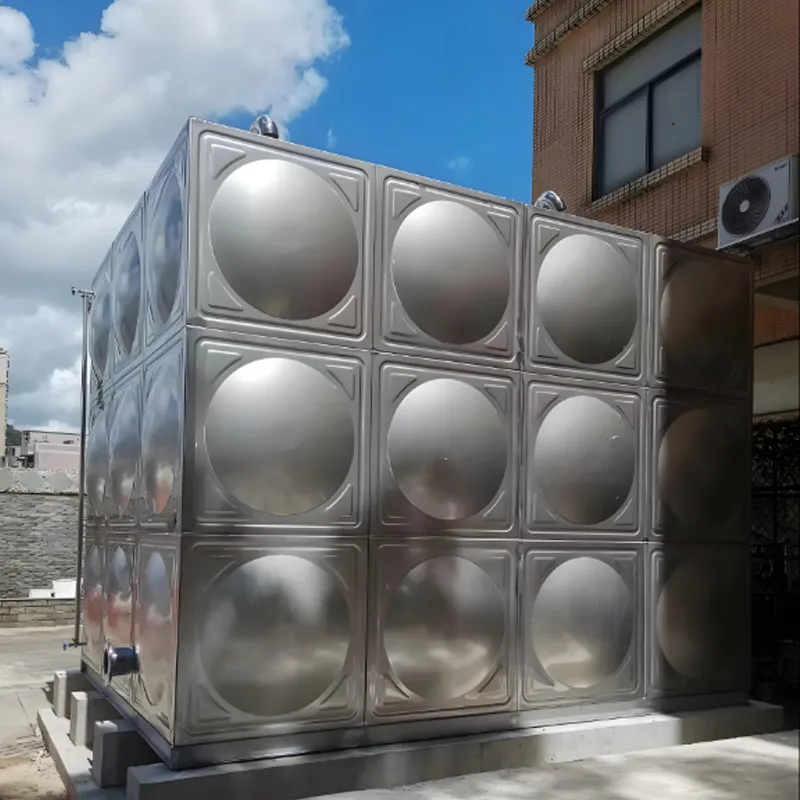
Comprehensive Guide to 1000 Litre Stainless Steel Water Tank Price and Selection
1000 Litre Stainless Steel Water Tank Price: A Comprehensive Guide
When considering water storage solutions, stainless steel tanks are a popular choice due to their durability, hygiene, and longevity. Understanding the 1000 litre stainless steel water tank price is crucial for effective budgeting and planning. This article provides a detailed overview of factors influencing the price, different types available, and where to find competitive deals. We'll explore the benefits of stainless steel, compare it to other materials, and offer insights to help you make an informed decision. A reliable water storage tank is an investment in peace of mind and long-term sustainability.
Factors Influencing the Price of a 1000 Litre Stainless Steel Water Tank
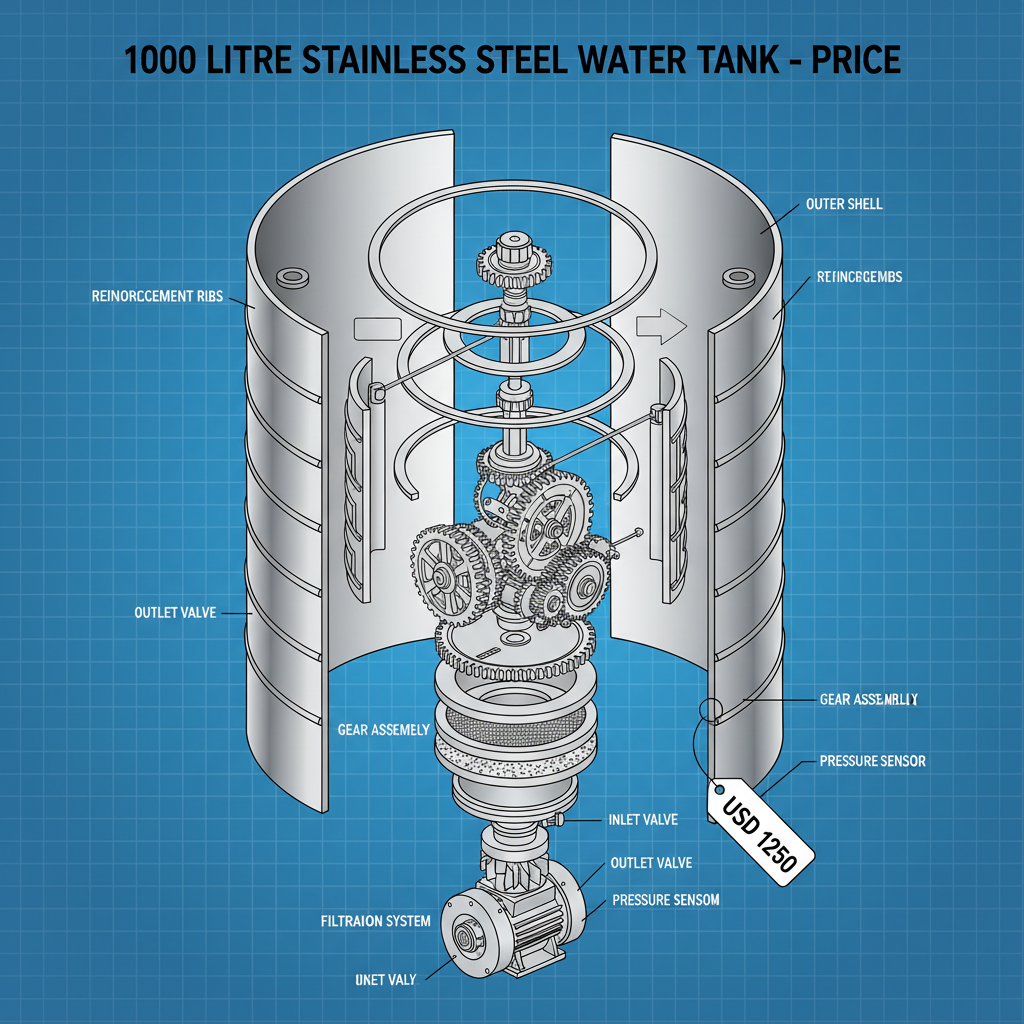
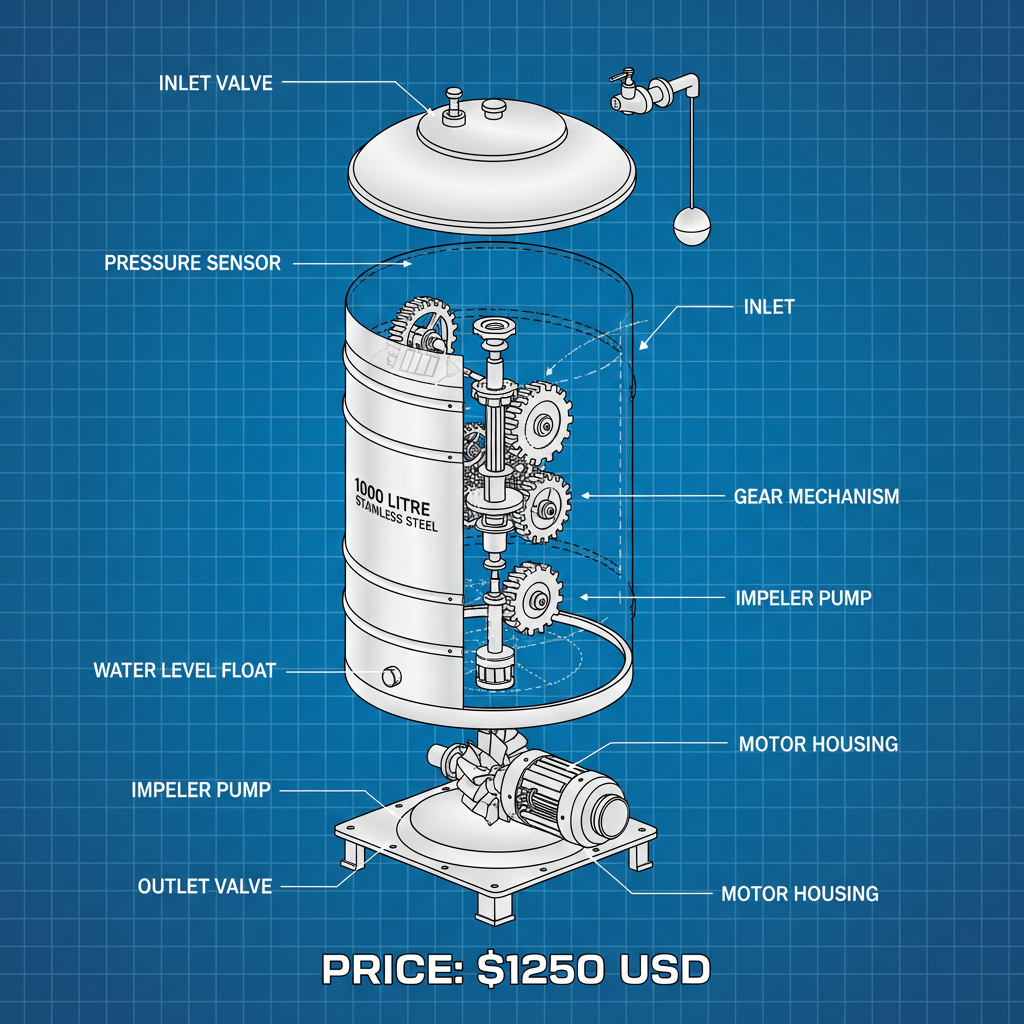
Several factors contribute to the final price of a 1000 litre stainless steel water tank. The grade of stainless steel is a primary determinant; higher grades like 316 offer superior corrosion resistance but come at a higher cost. Tank thickness also impacts the price, with thicker gauges providing greater strength and durability. Additional features such as inlets, outlets, manways, and level indicators will increase the overall cost. Manufacturing processes, brand reputation, and geographic location also play significant roles. Finally, transportation costs should be factored in, especially for large tanks.
Key Highlights: Stainless steel grade, tank thickness, features, manufacturing, brand, and transportation all influence the cost.
Understanding Stainless Steel Grades for Water Tanks
The most common stainless steel grades used for water tanks are 304 and 316. 304 stainless steel offers excellent corrosion resistance for many applications, making it a cost-effective choice for freshwater storage. However, 316 stainless steel contains molybdenum, which enhances its resistance to chloride corrosion, making it ideal for coastal areas or applications involving saltwater. Selecting the appropriate grade depends on the water quality and the surrounding environment. While 316 is more expensive, its longevity can justify the initial investment in corrosive environments.
Stainless Steel Grade Comparison:
• 304 Stainless Steel: Good corrosion resistance, cost-effective, suitable for freshwater.
• 316 Stainless Steel: Superior corrosion resistance, ideal for saltwater or harsh environments, higher cost.
1000 Litre Stainless Steel Water Tank Price Comparison
The price of a 1000 litre stainless steel water tank can vary considerably. Here’s a general price comparison, acknowledging that prices fluctuate based on supplier, location and customization:
Why Choose Stainless Steel Over Other Materials?
Compared to plastic or fiberglass tanks, stainless steel offers several key advantages. Stainless steel is incredibly durable and resistant to impact, ensuring a long service life. It doesn’t leach chemicals into the water, maintaining water quality and hygiene. It’s also resistant to UV degradation, unlike plastic, which can become brittle and crack over time. Furthermore, stainless steel tanks are easy to clean and sanitize, making them ideal for potable water storage. While the initial investment may be higher, the longevity and reduced maintenance costs make stainless steel a cost-effective choice in the long run.
Finding the Best Price on a 1000 Litre Stainless Steel Water Tank
To secure the best possible price, it's essential to compare quotes from multiple suppliers. Consider reputable manufacturers like Longxuan FRP, which offers a wide range of stainless steel tanks and competitive pricing. Look for online deals, and consider purchasing during off-peak seasons. Don't hesitate to negotiate, and inquire about potential discounts for bulk orders or specific payment methods. Always factor in shipping costs and warranty terms when comparing quotes.
Conclusion: Investing in Quality Water Storage
Choosing the right 1000 litre stainless steel water tank involves careful consideration of factors like steel grade, features, and price. Investing in a high-quality tank from a reputable supplier like Longxuan FRP ensures long-term reliability and peace of mind. Don't compromise on quality – prioritize a durable, hygienic, and safe water storage solution.
Frequently Asked Questions (FAQs)
What is the typical lifespan of a stainless steel water tank?
With proper maintenance, a stainless steel water tank can easily last for 20-30 years or even longer. The lifespan depends on factors such as the grade of stainless steel, water quality, and environmental conditions. Regular inspections and cleaning can help extend the tank's service life. Avoid harsh chemicals and abrasive cleaners, and address any signs of corrosion promptly.
What maintenance is required for a stainless steel water tank?
Stainless steel tanks require minimal maintenance, but regular cleaning is essential. Drain and flush the tank at least once a year to remove sediment buildup. Inspect the tank for any signs of corrosion, leaks, or damage. Check the inlet and outlet connections for tightness and ensure the overflow pipe is clear. Avoid allowing the tank to sit empty for extended periods, as this can promote corrosion.
Are stainless steel water tanks affected by extreme temperatures?
Stainless steel is generally resistant to temperature fluctuations. However, extreme temperatures can cause expansion and contraction, which may stress the tank's seams. It’s important to ensure the tank is properly supported and insulated if it’s exposed to very high or low temperatures. Stainless steel retains its structural integrity well within a wide temperature range, making it suitable for most climates.
What certifications should I look for when purchasing a stainless steel water tank?
Look for tanks certified to relevant industry standards, such as NSF/ANSI 61 for potable water storage. This certification ensures the tank meets stringent requirements for materials and construction, guaranteeing the water quality is not compromised. Other certifications may relate to manufacturing quality and structural integrity.






Address
20 Xingyuan South Street, Zaoqiang County, Hengshui City, Hebei Province, China


