We Are Open 24 Hours a Day, 7 Days a Week, Including Weekends and Public Holidays.

To be honest, things have been moving fast in the FRP world lately. Everyone's talking about high-strength fiber, you know, those carbon fiber reinforced polymers. It's all about lighter weight, higher strength…but it's also about price. I’ve been seeing a lot of folks trying to cut corners, and that always leads to problems down the line. It's easy to get caught up in the spec sheet, but you gotta remember, this stuff is going to be out there, in the real world, taking a beating.
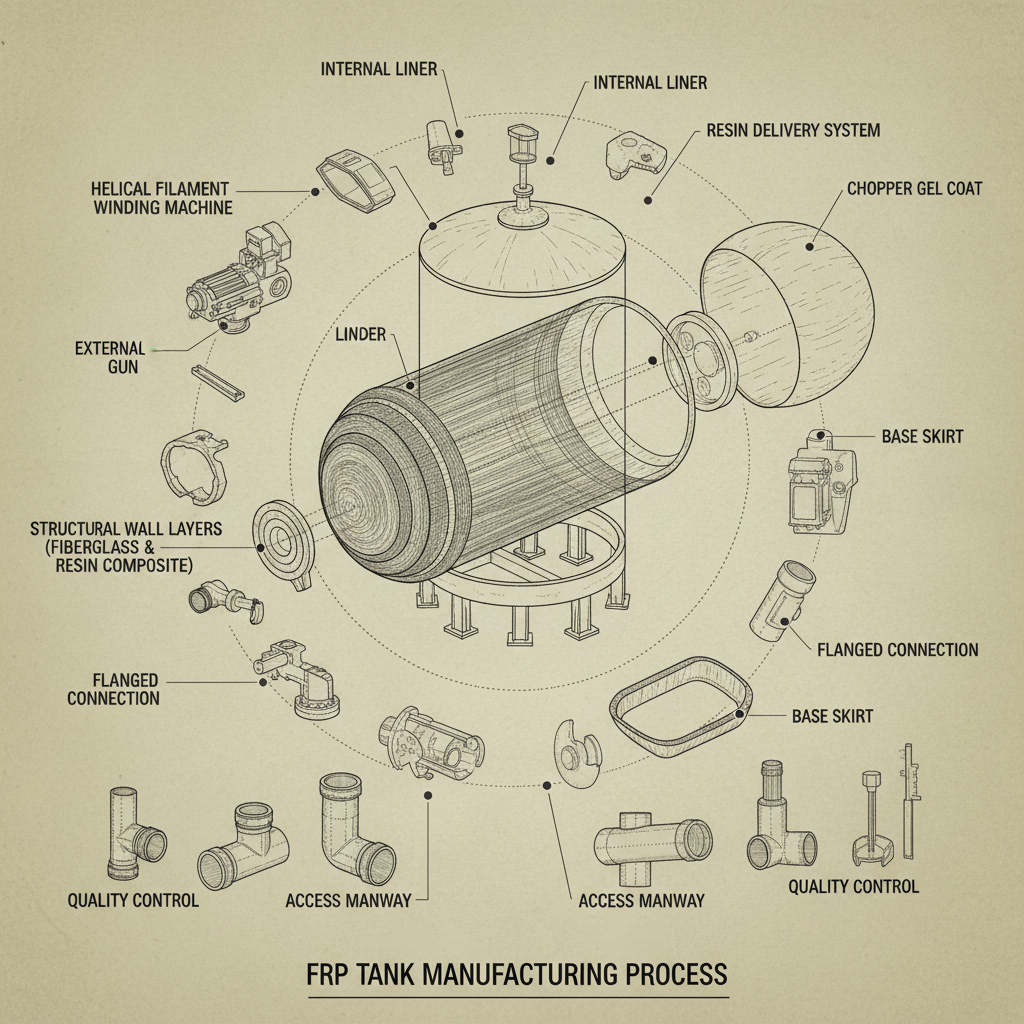
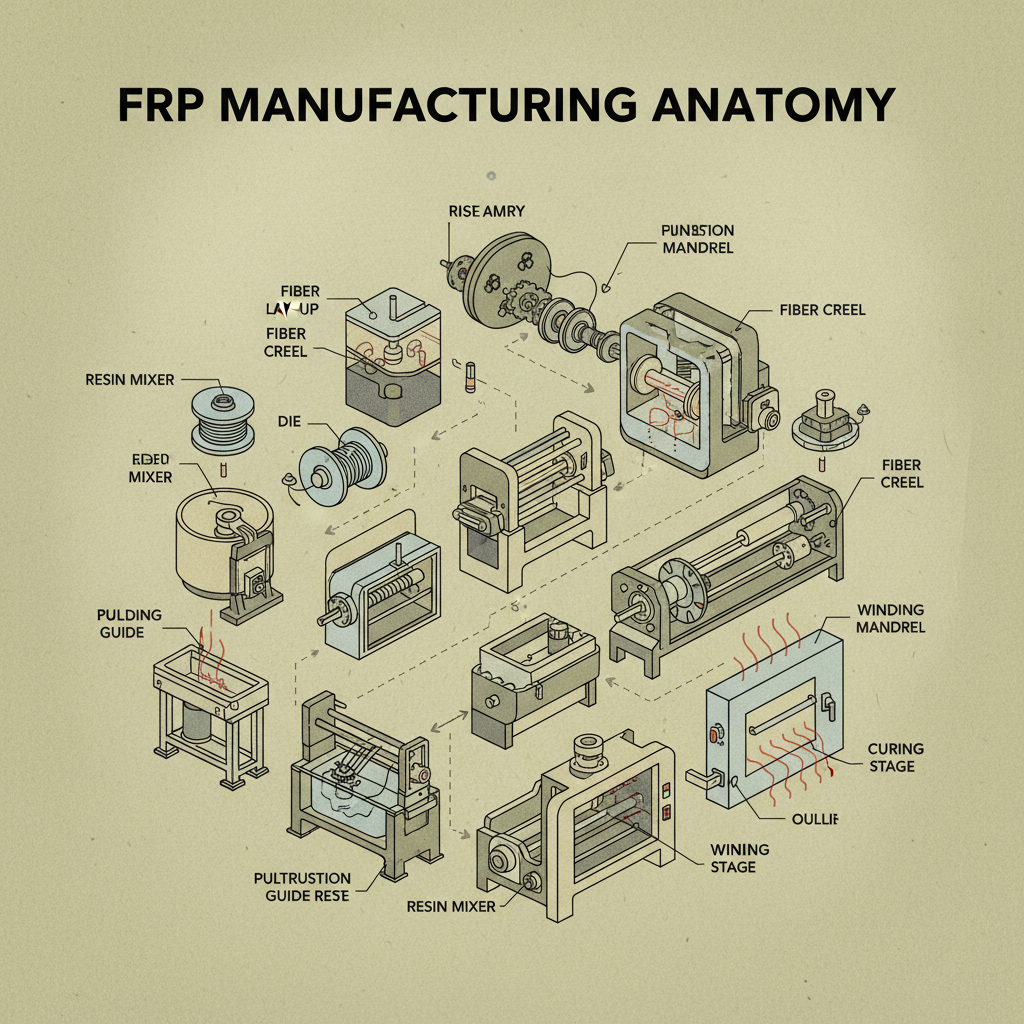
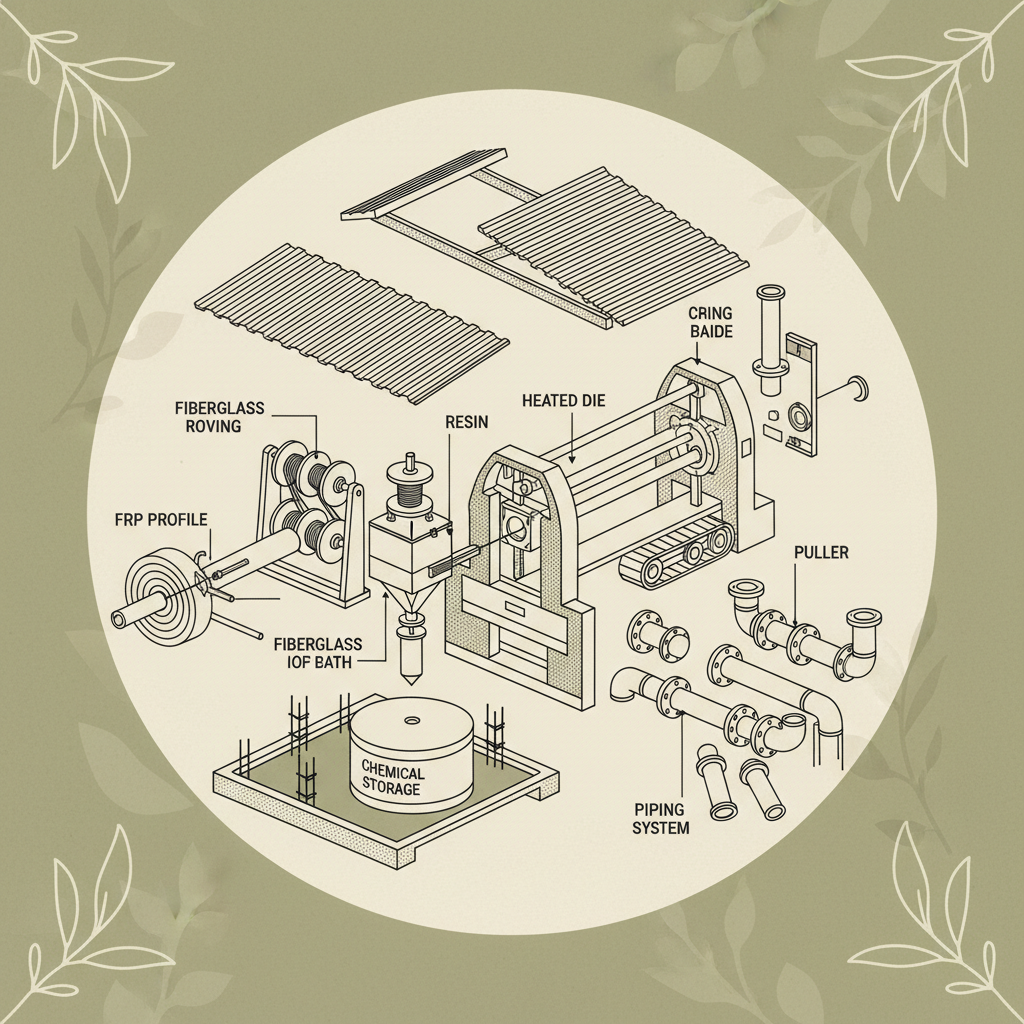
Have you noticed how many new manufacturers are popping up? Makes you wonder about quality control. I was at a factory in Jiangsu last time, and they were bragging about their automated winding machines. Looked great, real high-tech. But when I asked about resin impregnation, the guy just kinda shrugged. That’s a bad sign, let me tell you. Resin is everything. It’s the glue that holds it all together.
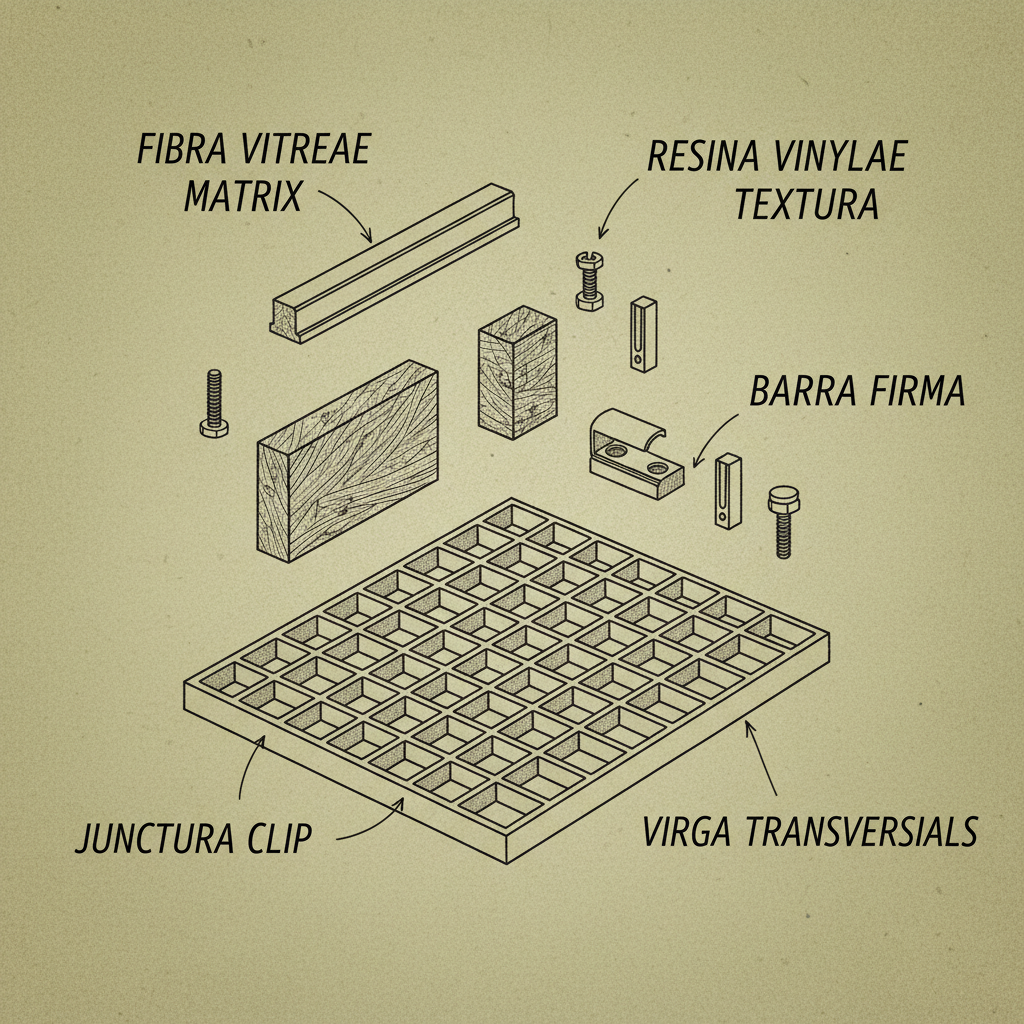
We primarily work with epoxy vinyl ester resins, mostly because of their corrosion resistance. Smell’s kinda… acrid, like a chemical factory. Not pleasant, but you learn to live with it. The fiberglass itself, we get different weaves – chopped strand mat, woven roving, unidirectional fabrics. The woven roving, that’s the tough stuff. Feels rough to the touch, almost abrasive. You gotta wear gloves, believe me. And the carbon fiber… that’s like handling silk. Smooth, slippery…expensive.
Strangely enough, a lot of people are overlooking the importance of surface preparation. I mean, you can have the best resin and fiber in the world, but if the surface isn’t properly cleaned and roughened, it's not going to adhere. It sounds basic, but I see it happen all the time. And it’s a nightmare to fix later.
Another thing – thickness. People want thinner, lighter, but they forget about structural integrity. You can’t just keep reducing the wall thickness without considering the load requirements. It’s a balance. And finding that balance requires experience, not just calculations. Anyway, I think a lot of manufacturers are still focused on cost over quality.
Working with older infrastructure is always tricky. The existing substrate might be corroded, damaged, or have an unknown composition. Proper surface preparation is critical, but it's also more difficult. You often have to deal with confined spaces and limited access. And the biggest headache? Trying to match the new FRP repair to the existing structure aesthetically. Clients always want it to look seamless, which is rarely possible.
Temperature swings are a big deal. FRP materials expand and contract with temperature changes, just like any other material. If the FRP is bonded to a different material with a different coefficient of thermal expansion, you can get stress buildup at the interface, leading to delamination. That's why proper resin selection and installation procedures are so important. You also need to consider UV exposure, which can degrade the resin over time.
A good installer needs more than just basic handyman skills. They need to understand the chemistry of the resins, the properties of the fibers, and the proper surface preparation techniques. We usually conduct a week-long training course for our installers, covering everything from safety procedures to application methods. Certification from a recognized FRP association is a plus.
Absolutely, but you need to choose the right materials. Vinyl ester resins are particularly good in saltwater environments because of their excellent corrosion resistance. We also recommend using a barrier coating to protect the FRP from direct exposure to the saltwater. Regular inspections are also crucial to identify any signs of degradation.
FRP is combustible, so fire safety is a concern. We typically use fire-retardant resins and coatings to reduce the flammability of the FRP. It's also important to consider the overall fire protection system for the structure. FRP doesn’t contribute to the fire load as much as traditional materials like wood, but it still needs to be addressed.
Upfront, FRP is often more expensive than traditional steel repairs. But you need to consider the total cost of ownership. FRP is lighter, requires less labor to install, and has a much longer lifespan. It also doesn’t corrode like steel, which means lower maintenance costs over time. In many cases, FRP ends up being more cost-effective in the long run.
Ultimately, FRP offers a powerful combination of strength, durability, and corrosion resistance. It’s not a perfect solution – it has its drawbacks – but it’s a game-changer in a lot of applications. The key is to understand the materials, the installation procedures, and the limitations of the technology.
And honestly, whether this thing works or not, the worker will know the moment he tightens the screw. They'll feel the resistance, the connection, the rightness of it. Because at the end of the day, all the fancy engineering and lab tests in the world don’t matter if it doesn’t feel solid. Visit our website for more information: longxuanfrp.com




Address
20 Xingyuan South Street, Zaoqiang County, Hengshui City, Hebei Province, China