head_nav
head_logo
suosou
lang
close

We Are Open 24 Hours a Day, 7 Days a Week, Including Weekends and Public Holidays.

lang
0%

Table of Contents

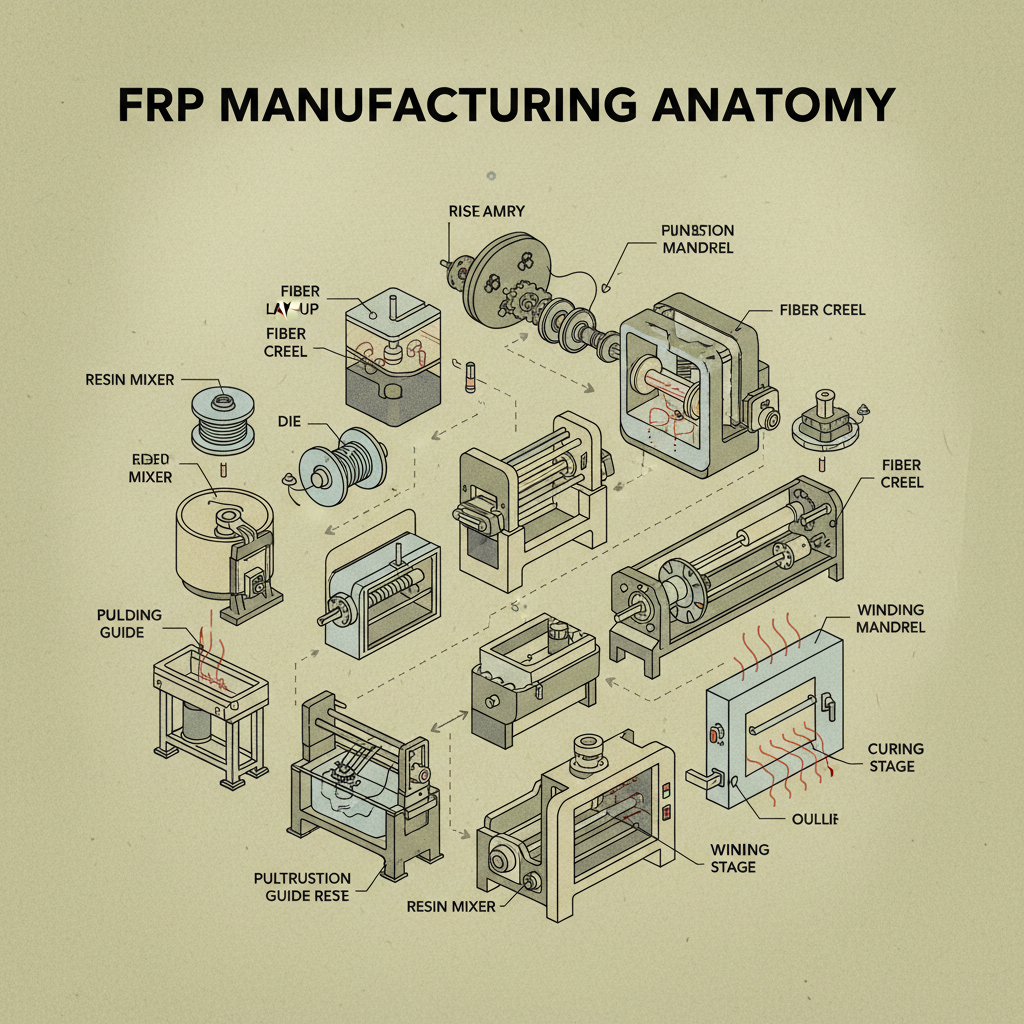
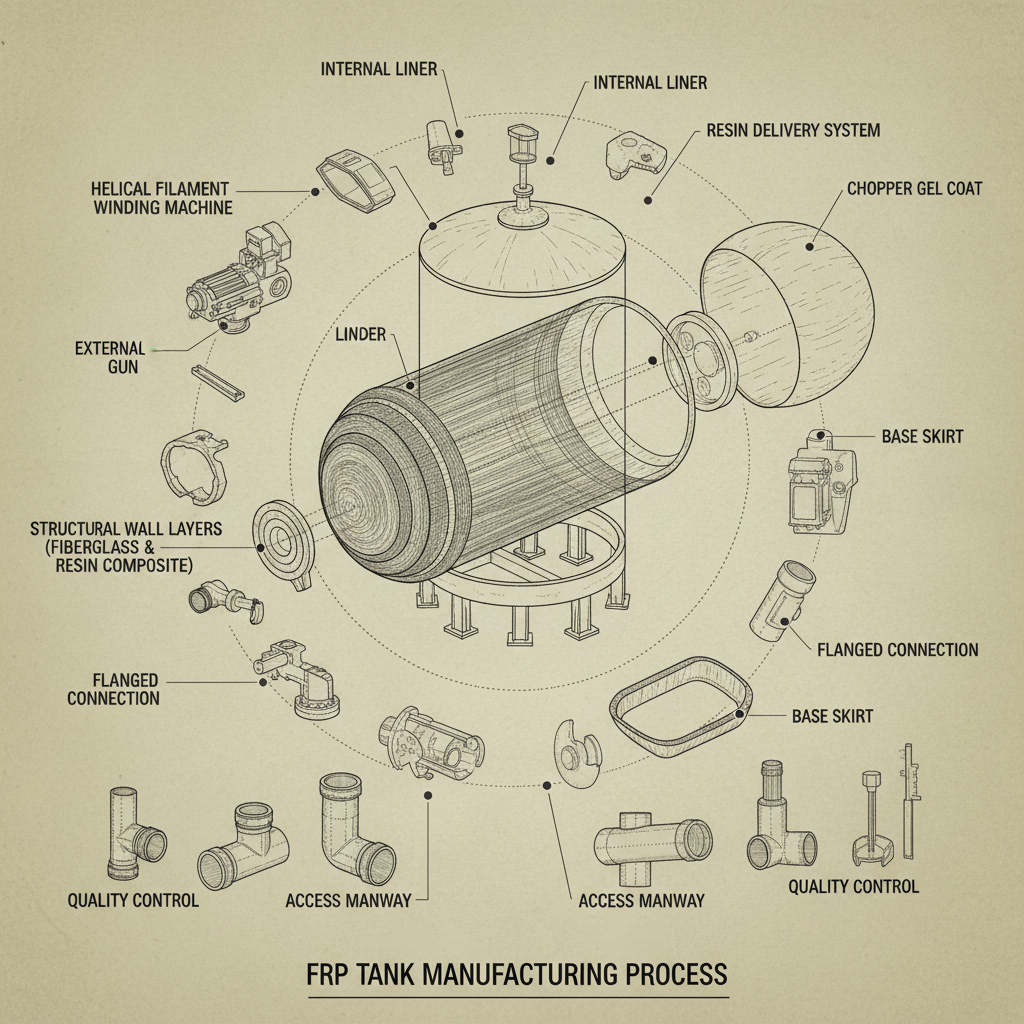
To be honest, things have been moving fast in the FRP world lately. Everyone’s chasing higher strength-to-weight ratios, right? It's always the same story. But the real challenge isn’t just getting the numbers up on a spec sheet, it's making it workable on-site. I spend 300 days a year on construction sites, and trust me, a material that looks great in the lab but is a pain to cut or drill… doesn’t get used. You wouldn't believe the amount of wasted material.

Have you noticed how many manufacturers are jumping on the basalt fiber bandwagon? It's supposed to be the next big thing. Strong, sustainable...sounds great. But I encountered this at the Zhejiang factory last time – the stuff frays like crazy when you try to wet-layup. It's a nightmare for consistent resin infusion. You end up with voids and… well, let's just say it doesn't perform as advertised. Anyway, I think the biggest shift is towards more pre-preg solutions. It’s cleaner, more controlled, but significantly more expensive.

And speaking of materials, people always talk about carbon fiber, glass fiber, but honestly, the epoxy resin is half the battle. Get that wrong, and everything falls apart. A good resin smells… well, not good, exactly. More like a slightly sweet chemical tang. A bad one? That acrid, burning smell tells you everything. You can feel the difference too; a quality resin will be viscous, flow evenly. You don’t want something too runny, or it’ll just soak into the fabric without building up enough strength. We had a batch last year that was almost like water… disaster.

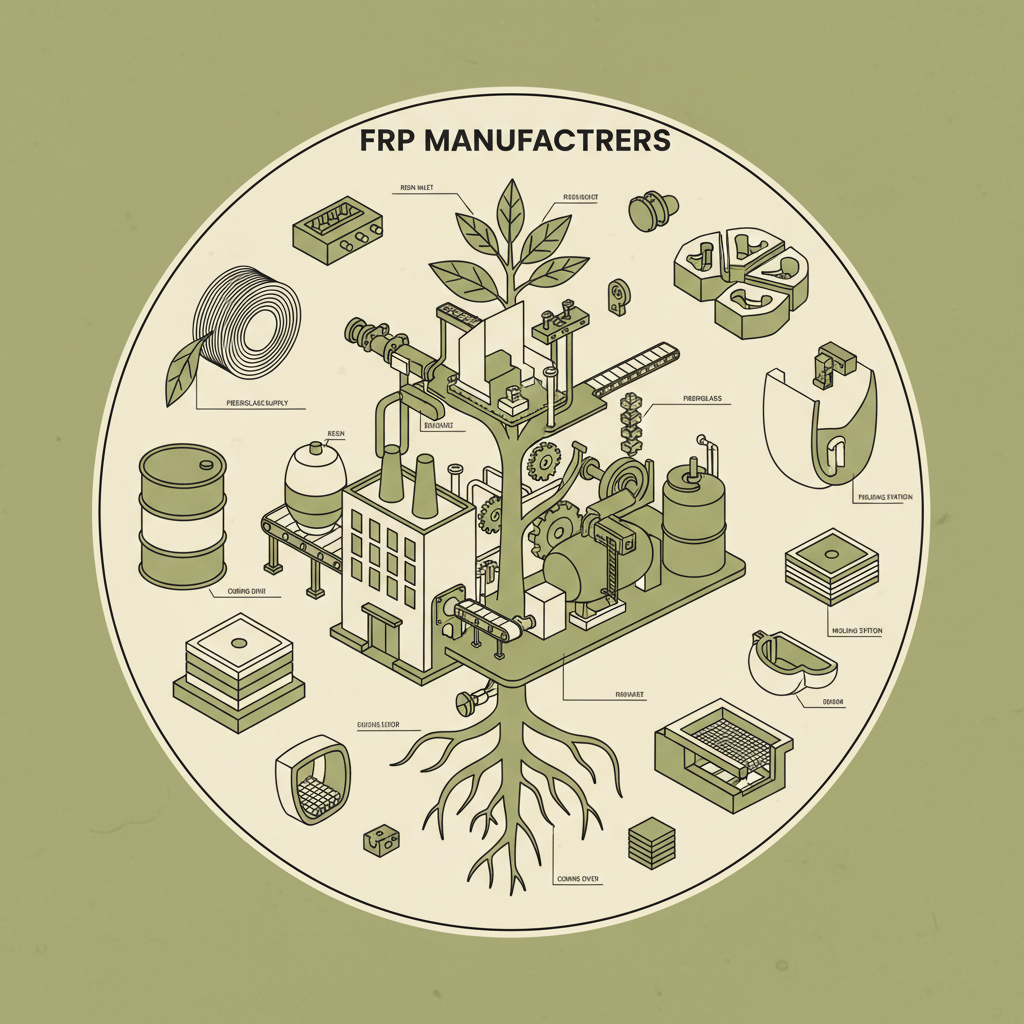
Navigating the Complexities of FRP Materials and Manufacturers

Industry Trends and Common Pitfalls

Navigating the Complexities of FRP Materials and Manufacturers

Strangely enough, a lot of designs get tripped up by trying to be too clever. Everyone wants a unique geometry, a complex layup schedule… but if it complicates the manufacturing process, you're asking for trouble. Simplicity is key, especially when you're dealing with large-scale production. I’ve seen projects delayed for weeks because of a seemingly minor design tweak that made it impossible to consistently achieve the required fiber volume fraction. It's frustrating.

And everyone's obsessed with weight reduction. Which is fine, but not at the expense of durability. I’ve seen too many lightweight components crack under stress, especially in dynamic loading situations. You need to find the sweet spot. And I mean really find it.

Material Deep Dive: Beyond Fiber Types

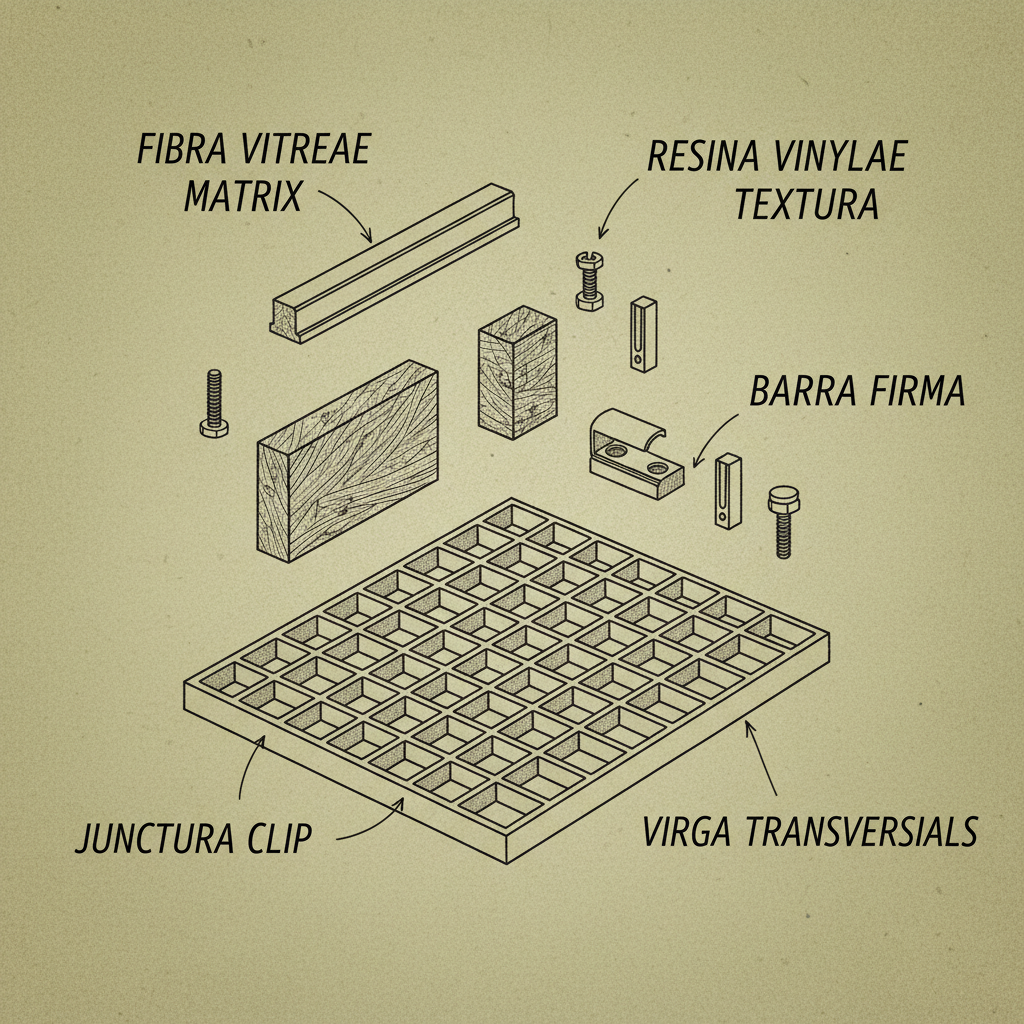
Let's talk about the fibers themselves. Carbon is king for stiffness, obviously. But it's brittle. Glass is more forgiving, cheaper, but heavier. Basalt...well, we already touched on that. But the weave matters too. Plain weave is stable, twill is more drapable but can distort. And don't even get me started on non-crimp fabrics. Those are a headache to work with, but give you the best strength-to-weight. It’s all trade-offs.

Then you have the core materials. Foam, honeycomb, balsa wood… each has its place. I once saw a project using recycled cardboard as a core material. It was...interesting. It didn’t last. The point is, you need to consider the entire system, not just the fancy carbon fiber.

And surface treatments! People often overlook those. A proper primer can make all the difference in adhesion. I encountered a job last year where they skipped the primer on a carbon fiber hull, and the gel coat just peeled right off. A complete mess.

Real-World Testing and Quality Control

Forget the lab tests, honestly. Those are good for initial screening, but the real test is how it holds up on the job site. I’m talking about drop tests, impact tests, fatigue tests… simulating real-world abuse. We routinely drop components from a height of 10 feet, repeatedly, just to see what breaks. It's crude, but effective.

Non-destructive testing is crucial too. Ultrasonic inspection to detect voids, shearography to identify delamination… these are essential for ensuring quality. But you need trained technicians to interpret the results. It's not enough to just buy the equipment.

And let me tell you, a lot of manufacturers skip the proper curing cycles. They rush it to get the parts out the door. But if the resin isn't fully cured, it's going to be weak and brittle. I’ve seen parts fail months later because of improper curing.

User Application and Unexpected Outcomes

You know, what engineers think users will do with a product and what they actually do are often two very different things. I've seen FRP components used as makeshift hammers, levers, even steps! They’re not designed for that kind of abuse, but people will find a way. That’s why over-engineering is often a good idea.

Another thing: environmental factors. UV exposure, temperature fluctuations, humidity… these all affect the long-term performance of FRP materials. People often forget to account for these things. And saltwater is particularly nasty. Corrodes everything.

Advantages, Disadvantages, and Customization

The biggest advantage of FRP, obviously, is its strength-to-weight ratio. You can build incredibly strong, lightweight structures. It’s corrosion-resistant, which is a huge plus in marine environments. And you can mold it into almost any shape. But it’s expensive, that's the downside. And it's not always easy to repair.

Customization is where FRP really shines. We had a customer who needed a custom housing for a sensitive piece of equipment. They wanted it to be lightweight, waterproof, and able to withstand extreme temperatures. We designed and fabricated a custom FRP housing that met all their requirements. It wasn’t cheap, but it solved their problem.

FRP Manufacturers - Production Methods Rating


A Customer Story: The Type-C Interface Debacle

Last month, that small boss in Shenzhen who makes smart home devices insisted on changing the interface to Type-C on a sensor housing we were building for him. Said it looked "more modern." We warned him it would complicate the waterproofing, because getting a reliable seal around a Type-C port is tricky. He wouldn’t listen.

He wanted it done yesterday. So, we did it, but we flagged it in the report. Three weeks later, he’s calling me, furious. Turns out, the Type-C port was letting in moisture, corroding the electronics. He’d lost a whole batch of sensors. He wanted us to fix it, of course. I told him, “I warned you.” Anyway, I think he's going back to micro-USB.

It's a classic case of form over function. A lesson learned – sometimes, you gotta let the engineer win.

Key Performance Indicators and Material Comparison

You always need to track certain KPIs. Fiber volume fraction, void content, interlaminar shear strength… these are critical. But you also need to look at cost, lead time, and manufacturability. It’s a balancing act.

Here's a quick comparison of some common FRP materials, based on my experience. Don't quote me on the exact numbers, this is just a rough guide.

And don’t get hung up on the specs. Numbers on a data sheet don't tell the whole story.

FRP Material Performance Comparison – Field Observations

Material Type Cost (Relative) Ease of Fabrication Environmental Resistance
Carbon Fiber / Epoxy High (10/10) Medium (6/10) Poor (3/10)
Glass Fiber / Polyester Low (2/10) Easy (9/10) Good (7/10)
Basalt Fiber / Vinyl Ester Medium (5/10) Medium (5/10) Excellent (9/10)
Kevlar / Epoxy Very High (10/10) Difficult (3/10) Medium (6/10)
Hybrid (Carbon/Glass) / Epoxy Medium-High (7/10) Medium (6/10) Good (7/10)
Recycled Carbon Fiber / Epoxy Medium (6/10) Medium (7/10) Good (7/10)

FAQS

What's the biggest mistake people make when designing with FRP?

Honestly? Underestimating the importance of surface preparation. If you don’t properly clean and prepare the surface, the resin won’t bond correctly, and the whole thing will fail. It doesn't matter how good your carbon fiber is. It's all about the interface, that’s what I always say. Proper degreasing, abrasion… it's tedious, but essential. Especially when bonding to metal.

How do you handle FRP waste on a construction site?

That's a good question. It’s a growing problem. You can’t just throw it in the landfill. Most of the time, it ends up being incinerated, which isn’t ideal. There are some companies that are starting to recycle FRP, but it’s still a relatively new process. Best practice is to minimize waste in the first place through careful planning and cutting. And train the guys to be careful!

What’s the lifespan of a typical FRP structure?

It depends on the environment, the materials used, and the quality of the construction. But generally, a well-built FRP structure should last at least 50 years, maybe even longer. The biggest enemies are UV exposure and moisture intrusion. Regular inspections and maintenance are key. Think of it like a car – you need to take care of it to keep it running.

Are FRP materials flammable?

That’s a common concern. FRP itself isn't inherently flammable, but the resin can be. You need to use fire-retardant resins if you're building something that’s going to be exposed to high temperatures or open flames. And even then, it’s not completely fireproof. Always check the fire ratings of the materials you’re using and comply with local building codes. It's easy to forget that detail.

What’s the best way to cut FRP on-site?

Forget trying to use a standard wood saw. You'll just ruin the blade. You need a diamond blade or an abrasive waterjet. Dust extraction is critical too – FRP dust is nasty stuff. And wear a respirator! Safety first, always. I’ve seen guys try to cut carbon fiber with a hacksaw… it’s a disaster waiting to happen.

What’s the future of FRP in construction?

I think we’ll see more automation in the manufacturing process, more use of recycled materials, and more widespread adoption of FRP in infrastructure projects. Also, more sophisticated sensors embedded within the FRP to monitor structural health. It’s all about smarter, stronger, and more sustainable building. It’s definitely going to change the game.

Conclusion

So, there you have it. FRP is a powerful material with a lot to offer, but it's not a silver bullet. It requires careful design, proper fabrication, and ongoing maintenance. It’s not just about picking the right fiber or resin; it’s about understanding the entire system and how it will perform in the real world. There's a lot of hype, but the devil's always in the details.

Ultimately, whether this thing works or not, the worker will know the moment he tightens the screw. If it feels solid, if it looks right… that’s a good sign. If it feels flimsy, or the resin is bubbling… well, you know you’ve got a problem. That's my two cents, anyway. Now, if you’ll excuse me, I need another cup of coffee.


David Miller

David Miller

David Miller is a seasoned Chemical Engineer with Hebei Longxuan, specializing in FRP applications within corrosive environments. He's been with the company for 8 years, initially focusing on material selection for cooling tower components. David now leads a team evaluating new resin systems to enhance durability and resistance to a
Next Exploring FRP Grating Manufacturers and Modern Construction Material Trends
Can't Find The Products And Services You Need?
If you need our help,
Our staff will be happy to help and answer your questions!
 Factory Processing
Factory Processing
The factory processes raw materials into finished products using advanced machinery and skilled labor.
 Build Synergy
Build Synergy
We provide collaborative services tailored to client needs, ensuring seamless communication and mutual growth.
 Global Supply
Global Supply
Our innovative products are bestsellers worldwide, celebrated for their exceptional quality, reliability, and global appeal.
 Global Supply
Global Supply
We ensure consistent product availability through a reliable and efficient global supply network.

Address

20 Xingyuan South Street, Zaoqiang County, Hengshui City, Hebei Province, China

If you are interested in our products, you can choose to leave your information here, and we will be in touch with you shortly.