



We Are Open 24 Hours a Day, 7 Days a Week, Including Weekends and Public Holidays.

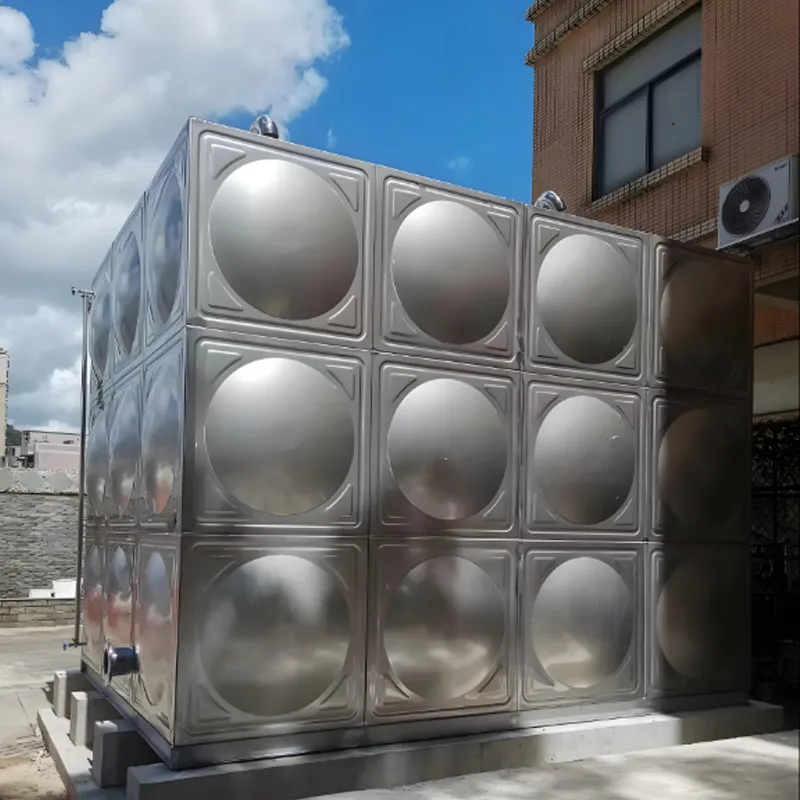
Comprehensive Guide to 1000 Ltr Stainless Steel Water Tank 1000 Liter Price and Selection
1000 Ltr Stainless Steel Water Tank: Price & Comprehensive Guide
Investing in a reliable water storage solution is crucial for various applications, from agricultural needs to industrial processes and even domestic use. A 1000 ltr stainless steel water tank offers durability, hygiene, and long-term cost-effectiveness. This article will provide an in-depth overview of these tanks, covering factors influencing the 1000 liter price, applications, benefits, and how to choose the right tank for your needs.
Why Choose a Stainless Steel Water Tank?
Stainless steel water tanks are a popular choice for a multitude of reasons. Their inherent corrosion resistance ensures water purity and prevents contamination, making them ideal for potable water storage. Unlike plastic tanks, stainless steel doesn't leach harmful chemicals into the water. They are also incredibly durable, capable of withstanding harsh weather conditions and physical impacts. Furthermore, stainless steel tanks are easy to clean and maintain, contributing to a longer lifespan and lower maintenance costs. The initial investment is higher, but the long-term benefits often outweigh the cost.
Key Advantages: Corrosion resistance, Water purity, Durability, Ease of cleaning, and Long lifespan.
Factors Influencing the 1000 Liter Price
The 1000 liter price of a stainless steel water tank can vary significantly depending on several factors. These include the grade of stainless steel used (304 and 316 are common), the tank’s thickness, the manufacturing process, and the supplier. Larger orders may qualify for discounts. Additional features, such as inlets, outlets, level indicators, and insulation, will also add to the overall cost. Transportation costs can be a significant factor, especially for distant locations. Finally, regional market conditions and currency exchange rates can also play a role.
Price Influencing Factors:
• Stainless Steel Grade (304/316)
• Tank Thickness
• Manufacturing Process
• Additional Features (Inlets, Outlets, etc.)
Stainless Steel Grades: 304 vs 316
Two primary grades of stainless steel are commonly used for water tanks: 304 and 316. 304 stainless steel is the more common and affordable option, offering excellent corrosion resistance for most freshwater applications. However, 316 stainless steel contains molybdenum, which significantly enhances its resistance to chloride corrosion, making it ideal for coastal areas, saltwater environments, or applications involving harsh chemicals. Choosing the appropriate grade depends on the specific water quality and environmental conditions.
Applications of 1000 Ltr Stainless Steel Water Tanks
These tanks find application in a wide range of industries and settings. In agriculture, they are used for irrigation water storage, livestock watering, and rainwater harvesting. Industrial applications include process water storage, chemical storage (with appropriate grade selection), and cooling water systems. For domestic use, they’re ideal for rainwater harvesting, emergency water storage, and supplying water to remote areas. The versatility of stainless steel tanks makes them a valuable asset for numerous applications.
Choosing the Right Tank: Key Considerations
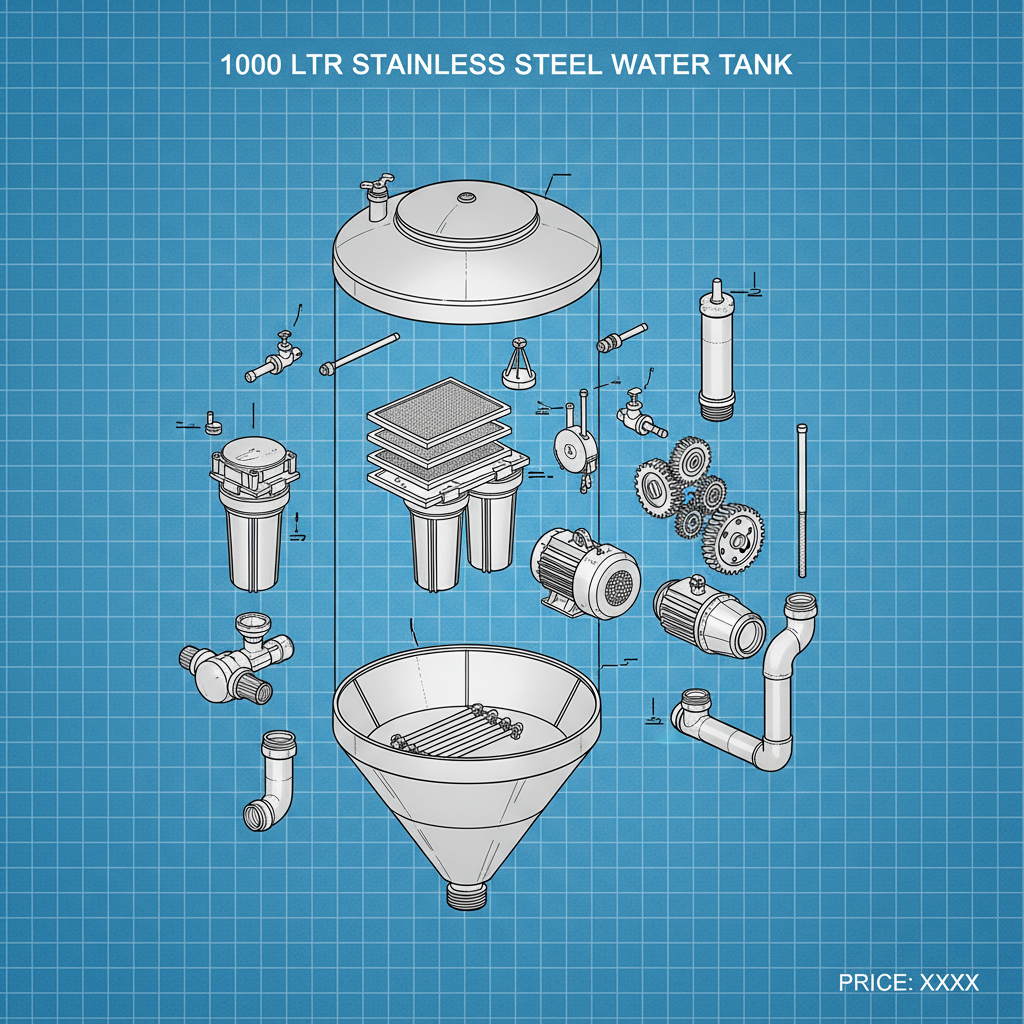
Selecting the right 1000 ltr stainless steel water tank requires careful consideration of your specific needs. Assess the intended use, water quality, and environmental conditions. Determine the appropriate stainless steel grade (304 or 316). Consider the required accessories, such as inlets, outlets, and level indicators. Ensure the tank is appropriately sized for your water storage needs. Finally, choose a reputable supplier who offers quality products and excellent customer service. Longxuan FRP provides high-quality stainless steel water tanks tailored to your specifications.
Conclusion: Investing in Long-Term Water Storage
A 1000 ltr stainless steel water tank is a durable, hygienic, and reliable water storage solution. Considering factors like steel grade, price, and application is essential for making the right choice. Investing in a high-quality tank from a trusted supplier like Longxuan FRP ensures long-term performance and peace of mind.
Frequently Asked Questions (FAQs)
What maintenance is required for a stainless steel water tank?
Stainless steel tanks are relatively low-maintenance, but regular cleaning is essential to prevent the buildup of sediment and bacteria. A simple wash with soapy water and a soft brush is usually sufficient. Inspect the tank periodically for any signs of corrosion or damage. For tanks used in harsh environments, consider a professional cleaning and inspection annually. Avoid using abrasive cleaners that could scratch the stainless steel surface.
How long will a stainless steel water tank last?
With proper maintenance, a stainless steel water tank can last for several decades. The lifespan depends on the quality of the steel, the environmental conditions, and the frequency of cleaning and inspection. Unlike plastic tanks, stainless steel doesn't degrade over time due to UV exposure. Regularly addressing any minor corrosion issues can significantly extend the tank’s lifespan.
Can stainless steel water tanks be used for drinking water?
Yes, stainless steel is an excellent material for storing drinking water. It doesn’t leach harmful chemicals, doesn’t support bacterial growth, and is easy to clean and sanitize. However, ensure the tank is specifically designed for potable water storage and that the stainless steel grade meets relevant standards. Regular cleaning and disinfection are still recommended to maintain water quality.
What size of inlet and outlet should I choose for my tank?
The size of the inlet and outlet depends on the flow rate required for filling and dispensing water. Consider the pump capacity and the intended use. Larger inlets and outlets allow for faster filling and dispensing, but may also require more complex plumbing. Consulting with a plumbing professional can help you determine the optimal sizes for your specific application.





Address
20 Xingyuan South Street, Zaoqiang County, Hengshui City, Hebei Province, China


