



We Are Open 24 Hours a Day, 7 Days a Week, Including Weekends and Public Holidays.

Acid Tanks: FRP vs. Steel - A Comprehensive Guide
Jan . 25, 2026 02:05
Acid Tanks: A Deep Dive for Industrial Applications
You know, I’ve been working around industrial processing for… well, a long time. And one thing you quickly learn is that a seemingly simple piece of equipment – an acid tank – is anything but. It's the unsung hero of so many processes, frankly. People don’t often think about the tank itself, they think about what's in it, what it’s doing. But if that tank fails? Everything stops. We're seeing a real push lately for more durable, lighter-weight options, driven partly by regulatory changes and partly by the increasing cost of downtime. It’s not just about holding corrosive materials anymore; it's about longevity, safety, and minimizing maintenance.Understanding Acid Tank Construction & Specifications
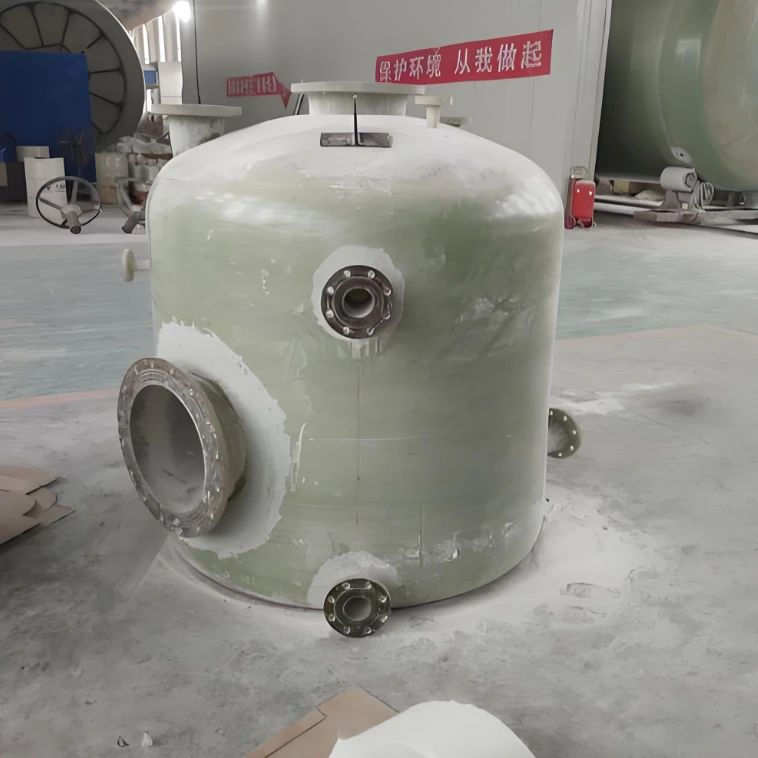
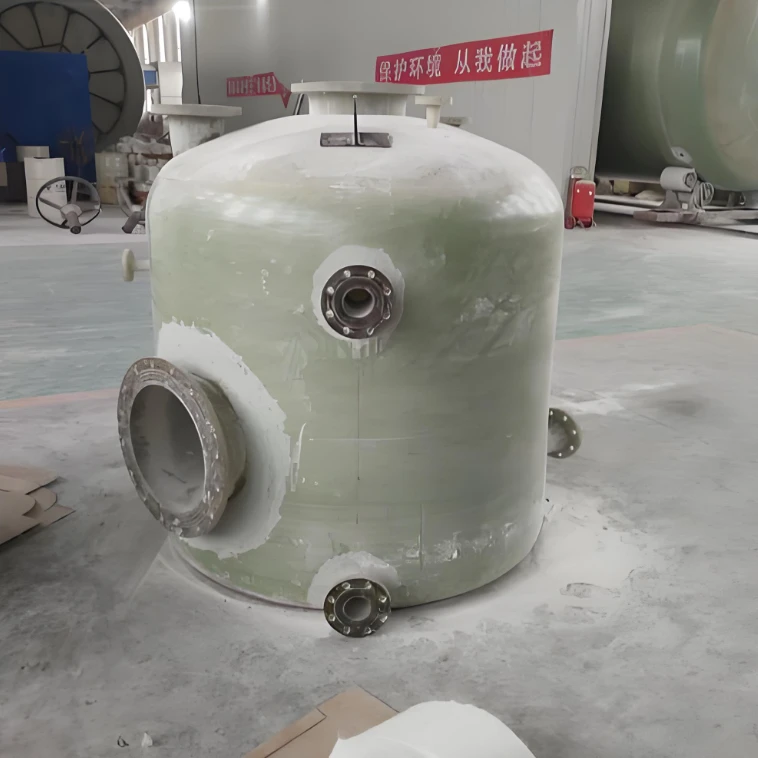
The core of any acid tank is, obviously, material selection. Traditionally, you’d see a lot of steel, often with a specialized lining. But fiberglass reinforced polymer (FRP) is becoming increasingly popular—and for good reason. It’s lighter, highly resistant to a huge range of chemicals, and generally requires less maintenance. I’ve noticed a real shift toward FRP in the last five or so years. Here’s a quick rundown of typical specs for a standard FRP acid tank, though customization is, of course, the norm.| Parameter | Specification | Notes |
|---|---|---|
| Material | FRP (Vinyl Ester/Polyester Resin) | Chemical resistance varies by resin type. |
| Wall Thickness | 6mm - 12mm (depending on concentration) | Calculated based on acid gravity & pressure. |
| Capacity | 500L – 20,000L+ | Custom sizes available. |
| Temperature Range | -20°C to 80°C (standard) | Higher temp options available. |
Choosing the Right Vendor – A Quick Comparison
There are a lot of players in the acid tank market. Some specialize in steel, others in FRP. Quality control is huge, and frankly, service after the sale can be even bigger. You want a vendor who understands your process, not just sells you a tank. Here's a very simplified comparison – it's important to get quotes and do your own due diligence, of course. I've included Longxuan FRP as they've been gaining traction for their quality and customization options.| Vendor | Material Focus | Customization | Price (Relative) |
|---|---|---|---|
| Longxuan FRP | FRP | High | Mid-Range |
| SteelTech Inc. | Steel | Moderate | High |
| PolyChem Solutions | FRP & Polypropylene | Moderate | Mid-Range |
Final Thoughts
At the end of the day, choosing the right acid tank isn’t about the lowest upfront cost; it’s about total cost of ownership. Think about lifespan, maintenance, safety, and how well the tank integrates with your existing processes. I remember one customer, a plating shop, who saved a fortune by switching to FRP – reduced corrosion issues, less downtime, and fewer repairs. It's a good reminder that sometimes, investing a little more upfront pays off significantly in the long run… References:- Industry durability reports, HKaiseal 2023
- Maintenance strategies for corrosive environments, Journal of Chemical Engineering 2022
- Personal project insights & engineer interviews 2018–2023
Resources

Products


Can't Find The Products And Services You Need?
If you need our help,
Our staff will be happy to help and answer your questions!

Factory Processing
The factory processes raw materials into finished products using advanced machinery and skilled labor.

Build Synergy
We provide collaborative services tailored to client needs, ensuring seamless communication and mutual growth.

Global Supply
Our innovative products are bestsellers worldwide, celebrated for their exceptional quality, reliability, and global appeal.

Global Supply
We ensure consistent product availability through a reliable and efficient global supply network.
Address
20 Xingyuan South Street, Zaoqiang County, Hengshui City, Hebei Province, China


