



We Are Open 24 Hours a Day, 7 Days a Week, Including Weekends and Public Holidays.

Acid Storage Tanks - Expert Guide
Jan . 24, 2026 18:10
Acid Storage Tanks: A Practical Guide
You know, I’ve spent… well, a good chunk of my career around industrial chemical handling. And if there’s one piece of equipment you really don’t want to get wrong, it’s acid storage. Frankly, a failure here isn’t just an inconvenience; it’s a potentially serious safety and environmental issue. The demand is certainly increasing, too. More specialized manufacturing, stricter environmental regulations… it all points to needing robust, reliable storage. It’s not always the most glamorous part of a plant, these tanks, but they're absolutely essential.Understanding the Core Design & Materials
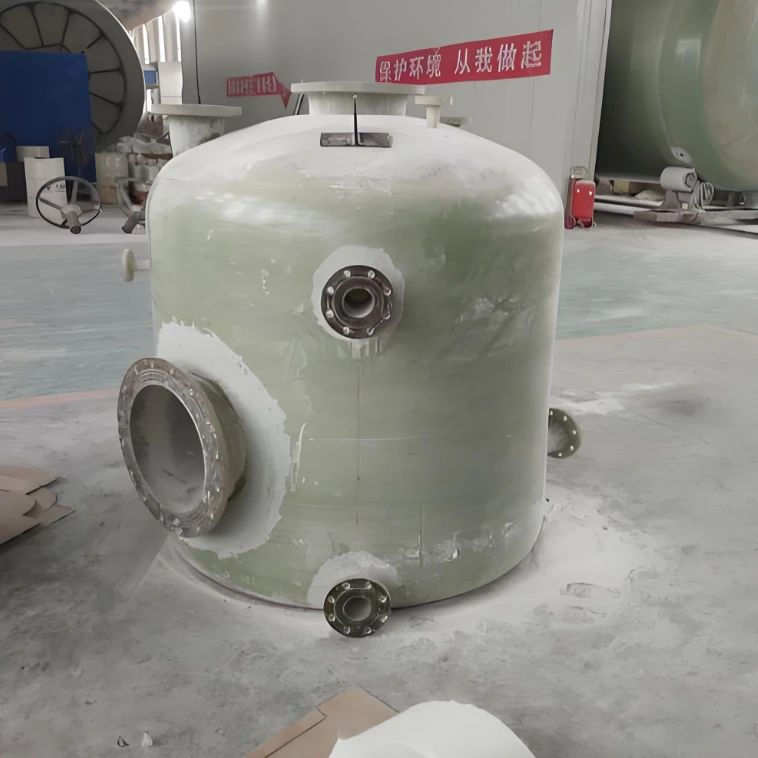
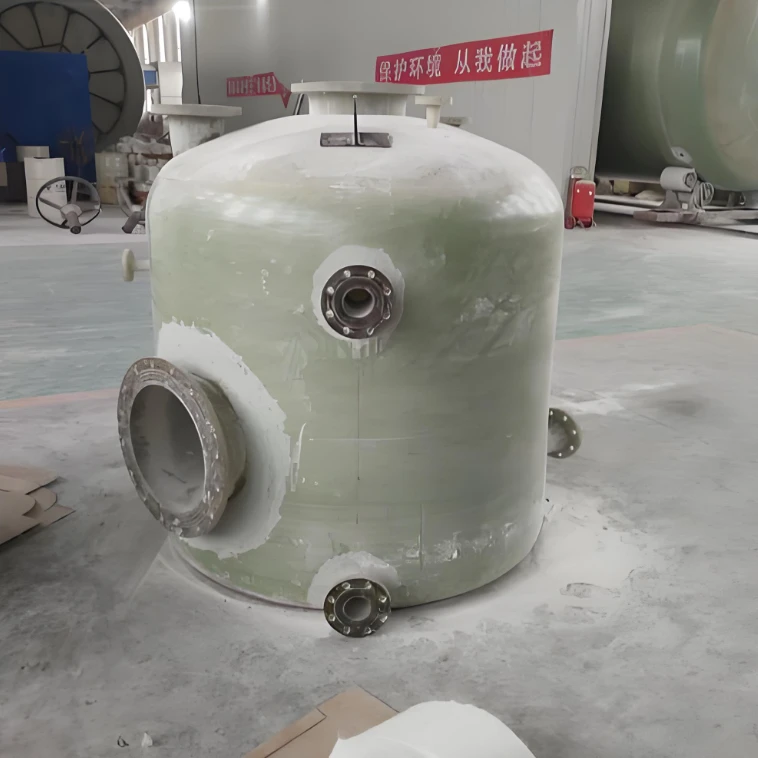
The core challenge with acid storage – and it's one that drives a lot of the design choices – is corrosion resistance. Obviously. You’re dealing with some incredibly aggressive substances, and you need materials that can stand up to years of constant exposure. Traditionally, you’d see a lot of steel tanks, but even with specialized linings, they have their limitations. Polypropylene and fiberglass reinforced plastic (FRP) have become increasingly popular, and for good reason. FRP offers a fantastic strength-to-weight ratio, and the right resin system can handle a huge range of acids. I suppose it comes down to the specific acid, concentration, temperature, and the overall lifecycle cost. Here's a quick rundown of typical specs for a common FRP acid storage tank:| Parameter | Specification | Notes |
|---|---|---|
| Material | Fiberglass Reinforced Plastic (FRP) – Vinyl Ester Resin | Excellent chemical resistance |
| Capacity | 500 - 20,000 gallons | Customizable to specific needs |
| Wall Thickness | 1/4" - 1/2" | Dependent on acid concentration & temperature |
| Connections | PP, PVC, CPVC, Stainless Steel | Compatibility dependent on acid |
Navigating the Vendor Landscape
Choosing a vendor…that’s a whole other conversation. There are a lot of players out there, and frankly, the quality varies wildly. You need to look beyond just the price tag. Reputation, engineering expertise, and after-sales service are all critical. I remember one client, a small electroplating firm, who went with the cheapest option they could find. It ended up costing them dearly when the tank failed prematurely and caused a significant spill. It really hammered home the point that this isn't an area to cut corners. Here’s a quick comparison of a few of the major players. It’s not exhaustive, of course, but it should give you a starting point:Final Thoughts & Considerations
Ultimately, choosing the right acid storage tank isn’t just about the material or the price. It's about understanding your specific needs, considering the long-term costs, and partnering with a vendor you can trust. Oddly enough, I find that a lot of clients underestimate the importance of proper ventilation and secondary containment… don’t make that mistake. References:- Industrial Tank & Vessel Society (ITVS) Standards
- ASM Handbook, Volume 13: Corrosion
- Personal experience in chemical processing plants (2010-present)
Resources

Products



Can't Find The Products And Services You Need?
If you need our help,
Our staff will be happy to help and answer your questions!

Factory Processing
The factory processes raw materials into finished products using advanced machinery and skilled labor.

Build Synergy
We provide collaborative services tailored to client needs, ensuring seamless communication and mutual growth.

Global Supply
Our innovative products are bestsellers worldwide, celebrated for their exceptional quality, reliability, and global appeal.

Global Supply
We ensure consistent product availability through a reliable and efficient global supply network.
Address
20 Xingyuan South Street, Zaoqiang County, Hengshui City, Hebei Province, China


