



We Are Open 24 Hours a Day, 7 Days a Week, Including Weekends and Public Holidays.

FRP Storage Tank Manufacturers: A Comprehensive Guide
Navigating the World of Frp Storage Tank Manufacturers
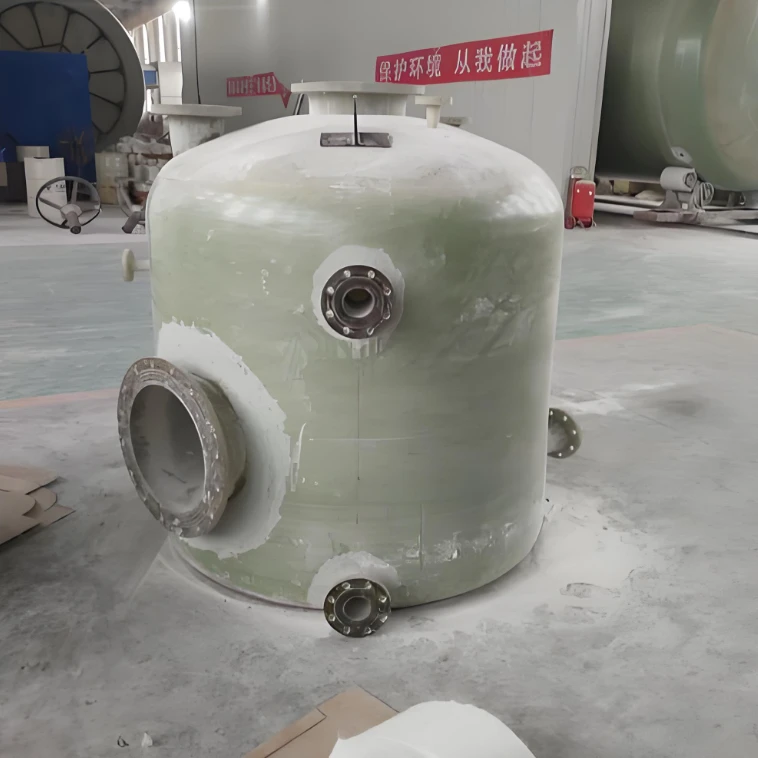
Frp Storage Tank Manufacturers are… well, they’re becoming absolutely crucial, I think, especially in sectors dealing with corrosive materials. You see more and more demand for solutions that aren't steel, frankly. It’s not just about cost – although that’s a big factor – but longevity, safety, and a shifting regulatory landscape. We’re talking chemical processing, water treatment, even some food and beverage applications. Longxuan FRP, for instance, focuses on building tanks tailored to these demands. They’ve been making quite a name for themselves.
Table of Contents
- Frp Storage Tank Manufacturers: A Closer Look
- Applications and Advantages
- Cost, Maintenance, and Real-World Performance
- Sustainability and the Future
Frp Storage Tank Manufacturers: A Closer Look
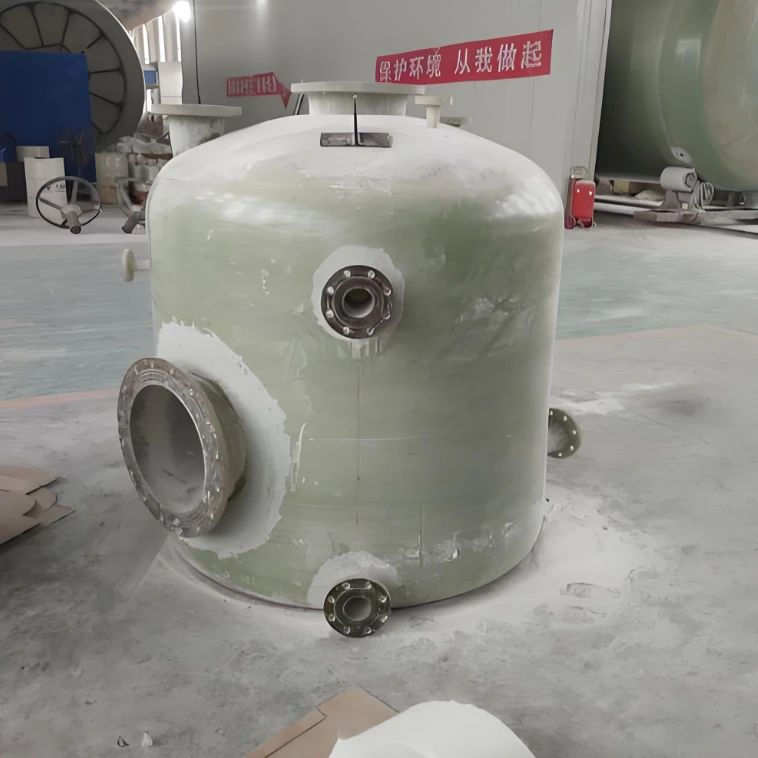
So, what are we talking about? FRP stands for Fiber Reinforced Polymer – basically, plastic reinforced with fibers like glass or carbon. It's the composite nature that gives them incredible strength-to-weight ratios and, crucially, resistance to a wide range of chemicals. Different resins (vinyl ester, epoxy, polyester) are used depending on the application. You know, it’s not a one-size-fits-all kind of material. Longxuan FRP really emphasizes material selection, which I think is smart. Here's a quick breakdown of their standard tank specs:
| Parameter | Specification | Notes |
|---|---|---|
| Material | Vinyl Ester, Polypropylene | Customizable based on chemical compatibility |
| Capacity | 100 – 50,000 Gallons | Standard and custom sizes |
| Operating Pressure | Up to 150 PSI | Designed for various process requirements |
Applications and Advantages
The applications are surprisingly broad. Chemical manufacturing is huge, obviously. But I've seen them used in everything from wastewater treatment to storing aggressive agricultural chemicals. The key advantages? Corrosion resistance is number one. Then you have the lighter weight – makes installation easier, reduces structural support needs. And they're often more cost-effective in the long run because they simply last longer. Here's a quick look at how some of the major players stack up:
| Vendor | Lead Time | Customization Options | Price Point |
|---|---|---|---|
| Longxuan FRP | 4-6 weeks | Extensive | Competitive |
| TankCo | 8-12 weeks | Limited | Higher |
| PolyTank Solutions | 6-8 weeks | Moderate | Mid-Range |
Cost, Maintenance, and Real-World Performance
Okay, cost. Initial outlay can be higher than, say, a steel tank. But – and this is a big but – the lifecycle cost is often significantly lower. Less maintenance, fewer repairs, and a much longer lifespan. Many engineers I’ve spoken with say they’re seeing 20-30 years of reliable service. I recently spoke with a plant manager at a chemical facility who switched to FRP tanks and reported a substantial reduction in downtime related to corrosion. He said, and I quote, "It just…sort of solved a headache we'd been dealing with for years." Maintenance is generally limited to visual inspections and occasional cleaning.
Sustainability and the Future
Sustainability is becoming a huge driver, naturally. FRP tanks are lighter, requiring less energy for transport and installation. And because they last longer, they reduce the need for frequent replacements. There's also growing interest in using recycled materials in FRP production, which is something Longxuan FRP is exploring, as I understand it. Regulations around hazardous material storage are also tightening, which is further boosting demand for corrosion-resistant solutions. The market is definitely growing, and I think we'll see continued innovation in materials and manufacturing processes.
Frequently Asked Questions about Frp Storage Tank Manufacturers
- What is Frp Storage Tank Manufacturers and how does it work?
- FRP tanks are constructed using a composite material – fiber reinforcement embedded in a polymer resin. This creates a tank that’s strong, lightweight, and highly resistant to corrosion and chemical attack. The specific resin and fiber type are chosen based on the application and the chemicals being stored.
- What are the main benefits of using Frp Storage Tank Manufacturers in industrial applications?
- Key benefits include superior corrosion resistance, lower lifecycle costs due to reduced maintenance, lighter weight for easier installation, and design flexibility for customized solutions.
- How does Frp Storage Tank Manufacturers compare to traditional alternatives?
- Compared to steel tanks, FRP tanks offer better corrosion resistance, lower weight, and reduced maintenance. While steel may have a lower initial cost, the long-term costs of corrosion repair and replacement often make FRP a more economical choice.
- What industries can benefit most from Frp Storage Tank Manufacturers implementation?
- Industries such as chemical processing, water and wastewater treatment, agriculture, oil and gas, and pharmaceuticals all benefit from the durability and corrosion resistance of FRP tanks.
Conclusion on Frp Storage Tank Manufacturers from china
Ultimately, choosing the right storage tank is a complex decision. But if you're dealing with corrosive chemicals or demanding environments, FRP should be very high on your list. It’s a solid investment that can save you headaches (and money) in the long run. To explore custom solutions, visit: https://www.longxuanfrp.com
- FRP tanks offer a compelling alternative to traditional materials.






Address
20 Xingyuan South Street, Zaoqiang County, Hengshui City, Hebei Province, China


