



We Are Open 24 Hours a Day, 7 Days a Week, Including Weekends and Public Holidays.

Stainless Steel Rainwater Tanks: Durable, Hygienic Water Storage Solutions Worldwide
Understanding Stainless Steel Rainwater Tanks: A Global Water Solution
Water scarcity and sustainable water management are pressing issues worldwide. One practical and increasingly favored solution is using stainless steel rainwater tanks—durable containers designed to collect and store rainwater for diverse uses. From rural communities in drought-prone areas to bustling urban centers aiming to reduce municipal water demand, these tanks offer a versatile way to harness a natural resource. They matter globally because water security supports agriculture, industry, and health, ultimately impacting millions. If you haven’t considered the role of stainless steel tanks in these contexts, now’s a great time to understand their significance.
Global Context: Why Stainless Steel Rainwater Tanks Matter
According to the United Nations, over two billion people live in countries experiencing high water stress. Climate change only compounds this problem by altering rainfall patterns unpredictably. As urban infrastructure strains under population growth, traditional groundwater is not enough. Rainwater harvesting is a climate-resilient, decentralized alternative.
Worldwide, industries and governments are turning to rainwater tanks to reduce pressure on main water supplies, especially in regions like Australia, parts of Africa, and northern Europe. Oddly enough, stainless steel tanks, with their impressive longevity, are often overlooked compared to plastic alternatives, despite ISO standards highlighting their reliability and hygiene benefits.
What Are Stainless Steel Rainwater Tanks?
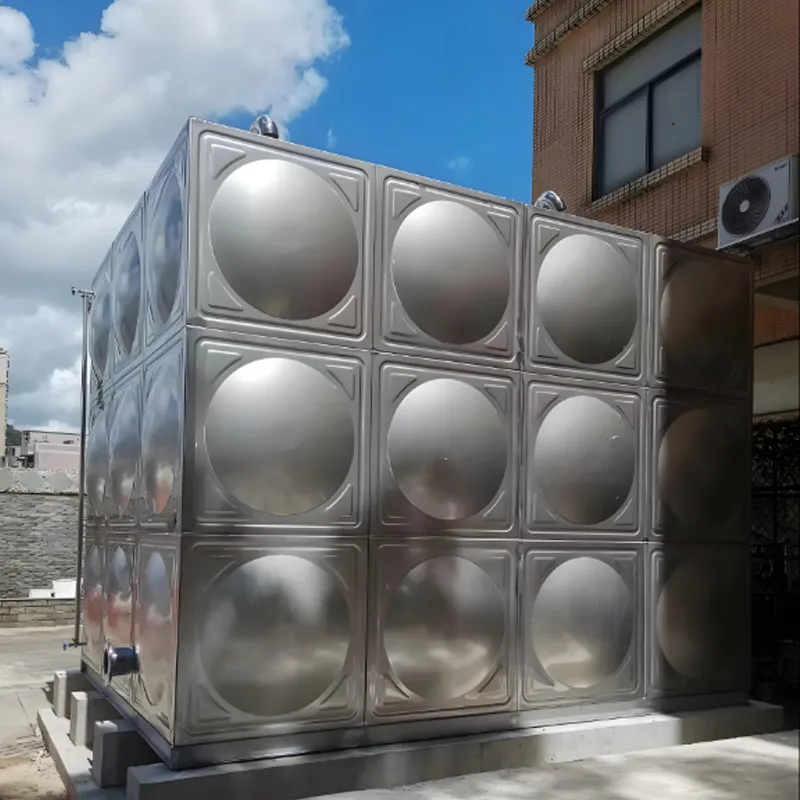
Simply put, these tanks are storage units made from corrosion-resistant stainless steel designed to collect rainwater, mainly from rooftops. Unlike plastic or concrete tanks, stainless steel offers superior durability, resistance to UV damage, and minimal risk of contamination.
These tanks connect to downpipes and guttering systems, enabling households, farms, and industries to store water onsite. In humanitarian contexts, they serve as rapid-deployment solutions to provide clean water in disaster zones or refugee camps, where infrastructure is limited or damaged.
Key Factors to Consider When Selecting Stainless Steel Rainwater Tanks
1. Durability & Longevity
Stainless steel's corrosion resistance means tanks can last 30+ years with proper maintenance. Unlike plastics that degrade under UV exposure or crack in freezing conditions, stainless steel withstands harsh climates, making it ideal for diverse environments.
2. Hygiene & Water Quality
Thanks to stainless steel’s smooth interior surface, it prevents biofilm buildup that can compromise water quality. This makes it suitable even for potable water storage, an important consideration for health-sensitive applications.
3. Scalability & Customization
These tanks come in varied sizes from a few hundred liters for household use to several thousand liters for commercial needs. Modular designs allow for linking multiple tanks, enhancing capacity without costly overhauls.
4. Cost Efficiency Over Time
While upfront costs can be higher than plastic tanks, stainless steel’s longevity and low maintenance often make it more cost-effective in the long run, especially where replacement or contamination risks could prove costly.
5. Environmental Impact
Stainless steel is 100% recyclable and often contains recycled content, contributing to circular economy goals. Plus, harvesting rainwater reduces demand on municipal sources, lowering carbon footprints.
Typical Stainless Steel Rainwater Tank Specifications
| Feature | Specification |
|---|---|
| Material Grade | 304 or 316 Stainless Steel |
| Capacity Range | 500 - 20,000 Liters |
| Wall Thickness | 0.6 - 1.5 mm |
| Surface Finish | Polished or Matte |
| Installation Options | Above-ground and Buried |
| Warranty | Up to 15 years |
Global Applications & Use Cases
- Residential & Urban Use: Suburbs in Australia often use stainless steel rainwater tanks to reduce dependence on municipal water, especially given frequent droughts.
- Industrial Zones: In manufacturing and mining sites in South Africa, these tanks provide onsite water storage for process requirements.
- Humanitarian Aid: NGOs deploy stainless steel tanks in refugee camps across the Middle East and Africa to ensure the supply of clean water where infrastructure is scarce.
- Agricultural Settings: Farmers in California utilize rainwater tanks to sustain crops and livestock during dry spells.
Each setting highlights different requirements — like capacity, portability, or hygiene — but stainless steel rainwater tanks adapt well across these diverse needs.
Comparing Leading Stainless Steel Rainwater Tank Vendors
| Vendor | Material Grade | Warranty | Price Range (USD) |
|---|---|---|---|
| LongXuan FRP | 316 Stainless Steel | 15 Years | $1200 - $15,000 |
| TankPro Inc. | 304 Stainless Steel | 12 Years | $1000 - $12,000 |
| AquaSteel Solutions | 316 Stainless Steel | 10 Years | $1100 - $13,000 |
Advantages & Long-Term Value of Stainless Steel Rainwater Tanks
Beyond the technical specs, it’s worth appreciating how these tanks impact lives on a deeper level. Their reliability means communities trust that their water supply won’t unexpectedly fail. This leads to improved safety and hygiene — key elements of dignity and health. From a sustainability standpoint, capturing rainwater reduces run-off and conserves groundwater.
Financially, though the initial spend may seem steep, fewer replacements and lower maintenance costs translate to savings. Innovation in design also means many tanks now come with integrated filtration and smart monitoring options — you really can maximize value.
Emerging Trends and Future Innovation
Looking ahead, we’re seeing smart sensors paired with stainless steel tanks, enabling real-time water quality and level monitoring. Plus, emerging green tech focuses on integrating solar-driven purification units inside tanks — combining water harvesting with energy sustainability. On the materials side, research into ultra-thin yet strong stainless steel alloys might soon reduce weight and cost further.
Policies across many countries increasingly incentivize rainwater harvesting, sometimes mandating it in building codes. This regulatory push will surely accelerate uptake and innovation.
Challenges & Practical Solutions
Of course, stainless steel tanks aren’t a silver bullet. The upfront cost can be prohibitive for low-income communities. Transportation and installation demand care given tank weight. And maintenance, while minimal, is still necessary—particularly ensuring gutters and first-flush devices reduce debris buildup.
Solutions? Modular designs help by reducing critical mass during transport. Leasing or community-shared models spread costs. And NGO partnerships sometimes subsidize installation in vulnerable areas. Plus, technical training helps local users maintain systems, ensuring longevity and water safety.
FAQ: Common Questions About Stainless Steel Rainwater Tanks
- Q: How long can stainless steel rainwater tanks last?
- A: Typically, these tanks have a lifespan of 25 to 30 years or more, provided they are installed and maintained properly. Their corrosion resistance makes them much longer-lasting than plastic options.
- Q: Are stainless steel tanks suitable for drinking water storage?
- A: Yes, due to their hygienic surface and resistance to contamination, stainless steel tanks are excellent for potable water. Many adhere to NSF and other potable water safety certifications.
- Q: Can I customize the size and shape of these tanks?
- A: Absolutely. Many manufacturers offer modular or tailor-made tanks ranging from small domestic units to large industrial reservoirs, adapting to your space and capacity needs.
- Q: Do stainless steel tanks require special maintenance?
- A: Maintenance is generally simple—regular gutter cleaning, inspection of seals, and occasional tank exterior cleaning suffice to keep tanks in optimal condition.
- Q: How feasible is it to deploy these tanks in disaster relief?
- A: Quite feasible. Stainless steel tanks can be rapidly assembled and provide reliable, contamination-resistant water storage. NGOs often include them in emergency water distribution projects.
Conclusion
Stainless steel rainwater tanks are more than just containers; they symbolize resilience, sustainability, and innovation in water management worldwide. Whether for households, industries, or humanitarian efforts, their long-term durability and health benefits justify investment. If you’re exploring effective water storage solutions, it’s worth considering stainless steel rainwater tanks for your next project.
Want to learn more or request a quote? Visit LongXuan FRP’s stainless steel rainwater tanks page to explore options tailored to your needs.
Mini takeaway: Investing in stainless steel rainwater tanks today can safeguard water security tomorrow with durable, hygienic, and eco-friendly technology.
References






Address
20 Xingyuan South Street, Zaoqiang County, Hengshui City, Hebei Province, China


