



We Are Open 24 Hours a Day, 7 Days a Week, Including Weekends and Public Holidays.

Stainless Steel Rectangular Water Tank: Durable & Scalable Water Storage Solutions
Understanding Stainless Steel Rectangular Water Tanks: Durable Solutions for a Global Need
If you've ever wondered how communities safeguard their water supply, especially in challenging environments, stainless steel rectangular water tanks are often the unsung heroes behind that security. Globally, reliable water storage affects everything from urban development to disaster relief, and knowing why this particular type of tank is pivotal might just surprise you.
Why does it matter? Well, according to the United Nations, nearly 2 billion people worldwide live without reliably safe drinking water. Storage solutions that combine longevity and safety play a huge part in tackling this crisis. Stainless steel tanks, especially those designed in a rectangular format, provide a sturdy and scalable way to store clean water efficiently.
Global Context: More Than Just a Container
The world’s water infrastructure faces multiple pressures: climate change disruption, aging municipal systems, and sudden humanitarian crises, to name just a few. The market for water storage solutions is expected to reach well over $4 billion by 2027, fueled by urban growth and sustainability efforts. Rectangular stainless steel tanks specifically address some pressing challenges:
- Space utilization in tight urban sites.
- High resistance to corrosion and contamination.
- Ease of modular assembly and transportability.
These features speak to engineers and planners who need reliable, long-term equipment that can stand up to tough environments without the frequent repairs that plague older materials like plastic or mild steel tanks.
What Exactly Is a Stainless Steel Rectangular Water Tank?
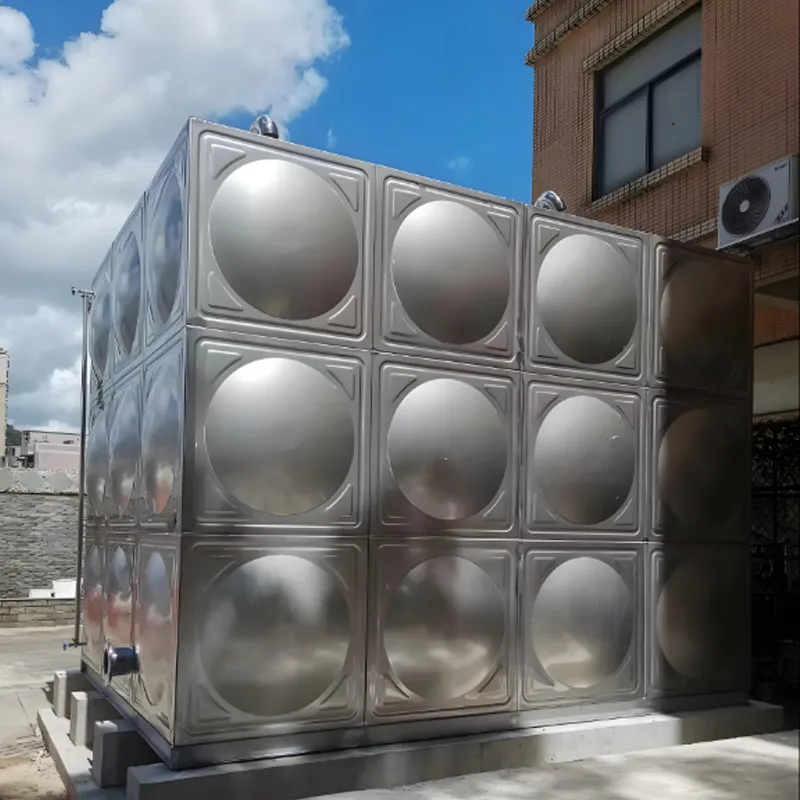
Put simply, it’s a water storage unit made from high-grade stainless steel panels—arranged to form a rectangular prism. This shape offers better use of space compared to cylindrical tanks. The stainless steel not only helps prevent leaks and rust but ensures the water stored stays clean, avoiding unpleasant tastes or harmful bacteria buildup.
These tanks are critical for industries and humanitarian causes alike. Think of remote factories needing a reliable water source, or post-disaster zones where quick, reliable potable water storage can literally save lives.
Core Components and Key Features
Durability
Stainless steel inherently resists rust, UV damage, and chemical corrosion — making it perfect for both indoor and outdoor use. Many types are rated for 25+ years of service with minimal maintenance.
Scalability
The modular panel design means tanks can be sized to exact needs and expanded over time without replacing the whole tank.
Cost Efficiency
While stainless steel tanks can be pricier initially, their durability significantly lowers life-cycle costs — fewer replacements and less chemical treatment.
Sanitation
The smooth metal surface limits microbial growth, ensuring water quality stays high — a vital factor in medical or food-related industries.
| Specification | Detail |
|---|---|
| Material | 304/316 Stainless Steel |
| Dimensions | Customizable (Typically 1-5m length, 0.5-2m height) |
| Capacity | Up to 50,000 liters |
| Corrosion Resistance | Excellent (per ASTM A240 standards) |
| Installation | Modular panel assembly; bolt & seal system |
Where Are They Used?
Actually, quite a few places. In urban Asia, these tanks help meet rising apartment complex demands where rooftop space is limited. In the Middle East’s oilfields, they serve heavy industry needs, enduring harsh desert climates. The UN and NGOs often deploy them in disaster-stricken zones — for instance, after the 2015 Nepal earthquake, compact stainless steel tanks were shipped in for emergency clean water storage.
Another interesting sector: commercial food production plants — they require sanitary, high-capacity storage that can withstand chemical cleaning agents. Stainless steel tanks fit the bill better than plastic or concrete alternatives.
Advantages & Long-Term Value
- Financially smart: Reduced maintenance and decades of service.
- Environmentally sound: Stainless steel is 100% recyclable, aligning with circular economy goals.
- Trusted safety: Water purity preserved, offering peace of mind in health-sensitive contexts.
- Adaptable: Scalable design suits both small enterprises and massive infrastructure projects.
There’s also something reassuring about the shiny, solid walls of stainless steel — a symbol of quality and care. Users often remark it feels like a “secure investment,” not just a tank.
Future Trends & Innovations
Oddly enough, stainless steel tanks continue evolving. Some manufacturers are exploring integrating solar-powered smart sensors inside tanks, allowing real-time water quality monitoring and temperature control. Innovations in automated welding and robotic assembly cut down costs and improve consistency. Sustainability-wise, new alloys with even higher corrosion resistance and lighter weight are on the horizon.
Challenges & Solutions
Despite their strengths, stainless steel tanks can be heavy and require skilled installation, which can add to upfront expenses. In colder climates, maintaining water temperature can be tricky. The industry is addressing these through pre-insulated versions, partnering with installers for better training, and offering hybrid solutions like stainless steel shells with insulated liners.
Vendor Comparison: A Quick Look
| Vendor | Material Grade | Customization | Warranty | Lead Time |
|---|---|---|---|---|
| Longxuan FRP | 304/316 SS | High — custom dimensions and accessories | 10 years | 4–6 weeks |
| Global Tanks Co. | 304 SS only | Moderate options | 8 years | 6–8 weeks |
| SteelStorage Ltd. | 316 SS premium only | Limited sizes | 15 years | 8+ weeks |
FAQ: Stainless Steel Rectangular Water Tanks
- Q: How does the rectangular shape improve water tank performance?
- A: Rectangular tanks utilize space more efficiently, especially in tight urban or industrial sites, allowing better stacking or placement against flat walls. They also simplify modular expansion.
- Q: Are stainless steel tanks safe for drinking water?
- A: Absolutely. Stainless steel’s non-porous surface prevents bacterial growth, and quality alloys like 304 and 316 meet stringent health standards, ensuring water purity.
- Q: Can these tanks withstand extreme environments?
- A: Yes, they resist corrosion from salty air, chemicals, and UV exposure. However, proper installation and occasional maintenance improve lifespan noticeably.
- Q: What about maintenance costs compared to plastic?
- A: Although upfront costs are higher for stainless steel tanks, their durability significantly reduces repair and replacement expenses, offering better value over time.
- Q: Is it possible to customize tank size for unique projects?
- A: One of the main perks is modularity — manufacturers like Longxuan FRP offer tailored dimensions, connectors, and features to suit any scale.
Conclusion
Stainless steel rectangular water tanks stand at the intersection of innovation, reliability, and sustainability. Their design cleverly meets modern challenges — making them indispensable for industries, municipalities, and humanitarian efforts worldwide. If you’re thinking about investing in resilient water storage, it’s worth checking out what Longxuan FRP offers. Over the long haul, these tanks aren’t just storage units; they’re a quiet kind of hero in the smart management of one our planet's most precious resources.
Mini takeaway: Stainless steel rectangular water tanks combine durability, scalability, and sanitation to deliver reliable water storage — critical for a water-scarce and urbanizing world.






Address
20 Xingyuan South Street, Zaoqiang County, Hengshui City, Hebei Province, China


