



We Are Open 24 Hours a Day, 7 Days a Week, Including Weekends and Public Holidays.

Durable Chemical Storage Tanks for Sale | Expert Recommendations
Reliable Chemical Storage Tanks for Sale: What You Should Know
Having spent over a decade working hands-on with industrial equipment, I’ve encountered my fair share of chemical storage tanks — you know, the kind that have to endure everything from aggressive acids to stubborn alkalis. Chemical storage tanks for sale might sound like a straightforward purchase, but frankly, there’s a lot beneath the surface most people don’t realize until they see how varied the options really are.
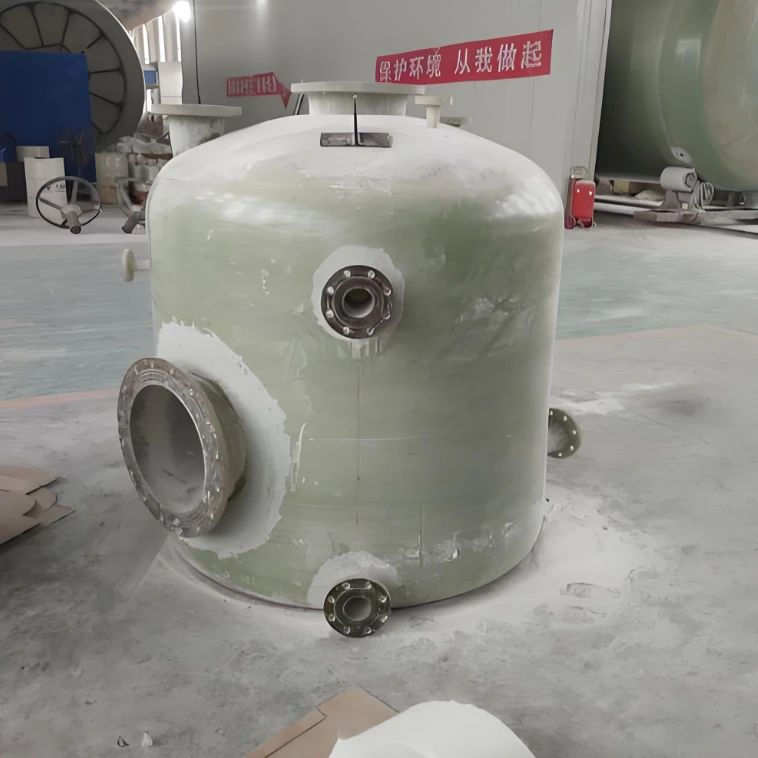
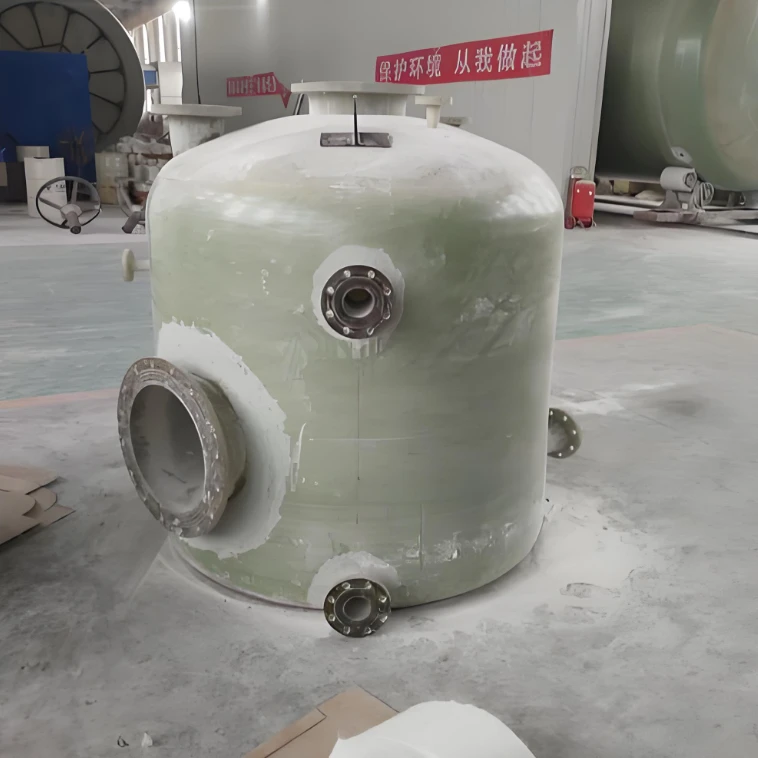
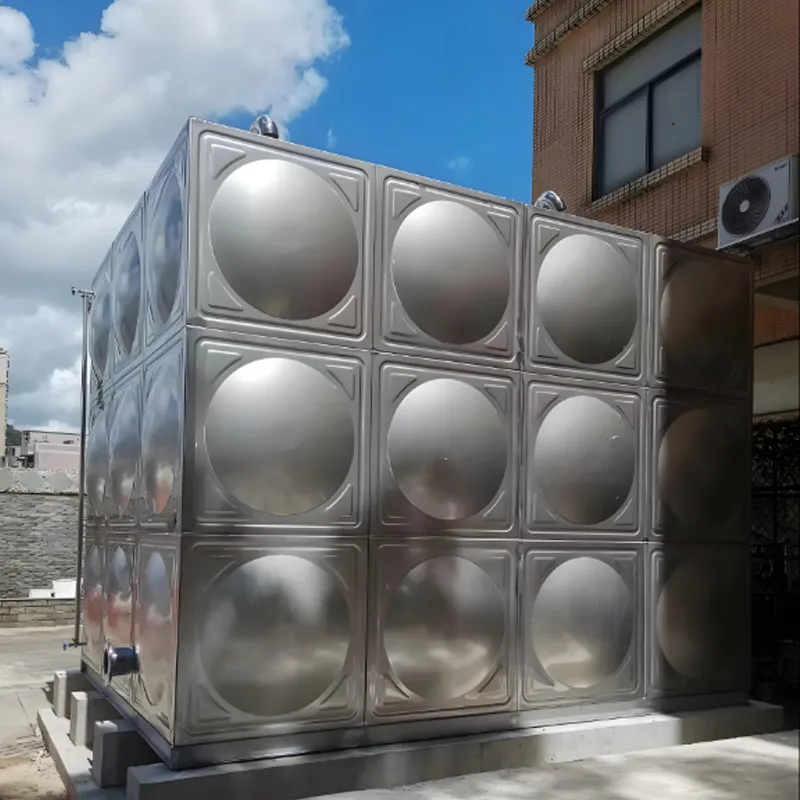
First off, materials matter immensely. Fiberglass-reinforced plastic (FRP) tanks have become quite popular recently for their corrosion resistance and durability, but you’ll still spot steel or polyethylene tanks depending on the chemical and application. I suppose the takeaway is: your tank’s composition needs to align perfectly with the stored substance’s properties — otherwise, you might be asking for trouble down the line.
Oddly enough, many engineers overlook testing certifications when selecting tanks, too. For instance, tanks that have passed rigorous hydrostatic and stress tests offer peace of mind for any industrial setup. And it’s not only about strength — things like UV resistance and thermal stability also come into play, especially for outdoor storage.
From a customer story I recall, a midsize manufacturing plant switched to customized FRP tanks and noticed a significant drop in maintenance time. Their previous steel tanks rusted quickly due to chemical interaction, causing frequent downtime (which nobody likes). The tailored tanks matched the exact chemical profiles and usage conditions; it felt like upgrading from a clunky old car to a smooth-running hybrid.
| Specification | Details |
|---|---|
| Material | Fiberglass-Reinforced Plastic (FRP) |
| Capacity Range | 500 to 50,000 liters |
| Operating Temperature | -40°C to 80°C |
| Design Pressure | Up to 0.5 MPa (internal pressure) |
| Certifications | ISO 9001, ASME, ASTM Standards |
| Customization | Available: sizes, fittings, liners, supports |
Now, when you're comparing vendors, it helps to look at more than just price. After all, tanks that cost a few hundred dollars less but fail prematurely end up costing way more in repairs and productivity loss. Here’s a quick vendor comparison to keep in mind:
| Vendor | Material Options | Certifications | Customization | Pricing |
|---|---|---|---|---|
| LongXuan FRP | FRP, PE | ISO 9001, ASTM | Extensive | Competitive |
| Vendor B | Steel, FRP | ASME Certified | Limited | Mid-range |
| Vendor C | Polyethylene | None Specified | Basic | Low-cost |
In real terms, selecting the right chemical storage tank boils down to knowing your chemicals, storage conditions, and how much customization you really need. Investing a bit more upfront—especially with a vendor like chemical storage tanks for sale specialists—can save endless headaches later.
So next time you’re browsing options, keep these points in mind. It’s not just about storing chemicals safely; it’s about securing your entire workflow, staff safety, and regulatory peace of mind. I learned that the hard way early on, but now? It feels like second nature.
A good chemical storage tank will quietly guard your process for years—it’s one of those unsung heroes in industrial operations.
References:
1. LongXuan FRP official product specifications
2. ASTM International standards for chemical storage tanks
3. Industrial Engineering Journal, “Material Considerations in Chemical Storage,” 2022






Address
20 Xingyuan South Street, Zaoqiang County, Hengshui City, Hebei Province, China


