



We Are Open 24 Hours a Day, 7 Days a Week, Including Weekends and Public Holidays.

Understanding FRP Square Tube Price: Durability Meets Cost Efficiency
Understanding FRP Square Tube Price: Why It Matters Today
If you’ve ever worked with lightweight yet incredibly strong materials, you’ve probably crossed paths with FRP—fiber-reinforced polymer—and its practical forms, like the FRP square tube. But the frp square tube price isn’t just a trivial purchase detail; it’s a crucial factor that can influence projects ranging from construction scaffolding to water treatment frameworks across the globe.
We’re living in a world that demands innovative materials balancing durability, cost, and sustainability — FRP square tubes fall right into that sweet spot. Understanding the pricing dynamics unlocks smarter sourcing decisions, reducing budget overruns while keeping quality intact.
The Global Context: Why FRP Square Tube Price Is More Than Just a Number
Globally, infrastructure challenges and the push towards lightweight, corrosion-resistant materials have skyrocketed interest in FRP products. According to the ISO and World Bank reports, the global composite materials market—including FRP products—is expected to grow at an average yearly rate of around 10% till 2030, driven mainly by sectors like aerospace, construction, and renewable energy.
Now, here’s the tricky part: while FRP offers exceptional advantages, the frp square tube price can vary widely depending on regional production capabilities, raw material costs, and demand fluctuations in developing or industrialized economies. This pricing volatility means project managers face the constant challenge of balancing budget constraints with technical requirements.
For example, in coastal regions where metal corrosion is a nightmare, engineers might push for FRP despite a higher initial cost, banking on the long-term savings from reduced maintenance.
What Exactly Does “FRP Square Tube Price” Mean?
At its core, frp square tube price refers to the cost per unit length (usually per meter) of square-sectioned tubes made from fiber-reinforced polymer materials. These tubes combine resin matrices with strong fibers—glass being most common—to provide sturdy, lightweight tubes that resist rust, UV, and chemical attacks better than traditional steel or aluminum.
So, when someone says “FRP square tube price,” they're often referring to a market quote that factors in these composite advantages, material grades, dimensions, and exactly how tough the product needs to be. But these tubes aren’t just industrial curiosities — they’re quietly solving problems in humanitarian aid shelters, utility poles, and renewable energy frames. It’s kind of fascinating how this specific pricing term ties to a broad ecosystem of modern infrastructure needs.
Key Factors Affecting FRP Square Tube Price
1. Material Composition and Quality
The resin and fiber quality drive most of the price. For example, epoxy-based FRP is more expensive but offers better mechanical properties compared to polyester-based options. The fiber content percentage also impacts durability and weight.
2. Size and Wall Thickness
Larger square tubes or those with thicker walls naturally cost more due to more raw material usage. Many projects require customized dimensions, which can bump prices because of tooling and production complexity.
3. Production Techniques
Processes like pultrusion (continuous pulling through a die) are common, but some advanced tubes use filament winding or hand lay-up methods that may increase cost but improve performance.
4. Market Demand & Geographic Supply
Local availability plays a big role. In regions like Southeast Asia, production costs are generally lower than in Europe or North America, but import duties or transport costs might offset savings.
5. Environmental and Regulatory Factors
Stricter environmental regulations about resin types and emissions during production can add to the final price.
Mini Takeaway:
Choosing the right FRP square tube means understanding these core components. Yes, price varies — but quality, size, method, and location really explain why.
Real-World Applications and Use Cases of FRP Square Tubes
From what I’ve seen, FRP square tubes are everywhere, quietly supporting critical infrastructure. In coastal flood defenses, they replace rust-prone steel props, meaning less downtime and longer lifespans for structures. In post-disaster relief settings, their light weight makes rapid deployment of temporary shelters quicker and safer.
Industries benefiting include:
- Construction: Formwork and scaffolding frames
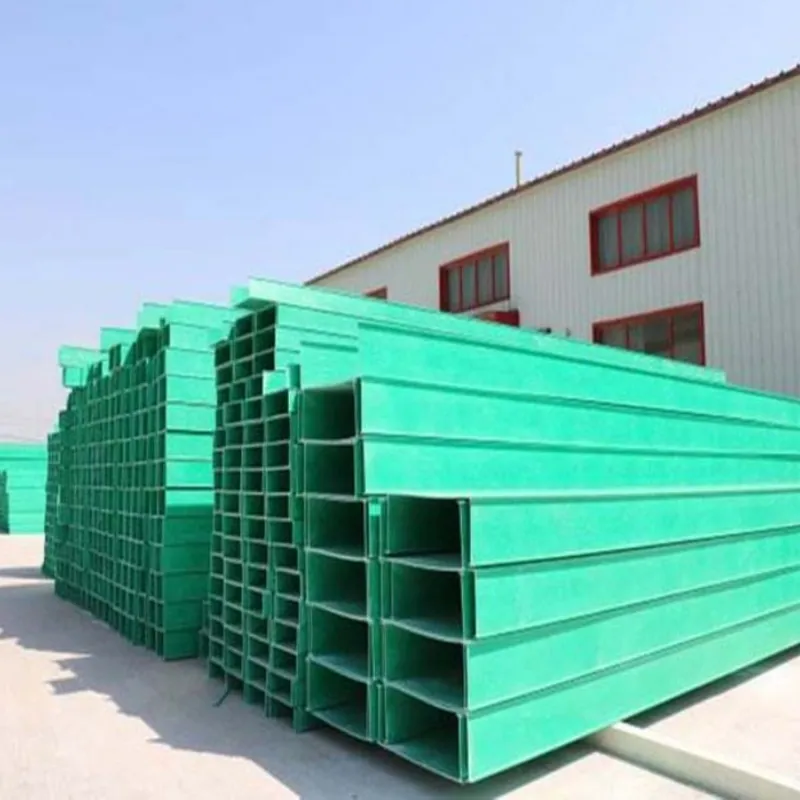
- Utilities: Non-conductive poles and cable trays
- Water Treatment: Chemical-resistant pipings and supports
- Transportation: Mass transit shelters and protective barriers
- Renewable Energy: Support structures for solar panels and wind turbine frames
Regions like Southeast Asia and parts of Africa are increasingly adopting FRP products due to their resilience and cost-effectiveness, despite higher upfront pricing.
Product Specification Snapshot
| Specification | Details |
|---|---|
| Material | Glass Fiber Reinforced Polyester |
| Dimensions | Size range: 20mm to 150mm square |
| Wall Thickness | 2mm to 10mm (customizable) |
| Tensile Strength | Up to 700 MPa |
| Chemical Resistance | High resistance to acids, alkalis |
| Typical Weight | ~1/4th of comparable steel section |
Advantages & Long-Term Value of FRP Square Tubes
One of the biggest advantages — that many engineers point out — is that FRP square tubes combine cost efficiency with unparalleled durability. Because they don’t rust or rot, their lifecycle is often 2-3 times longer than traditional steel in harsh environments.
This doesn’t just translate to fewer replacements; it means safer structures and less environmental waste. I suppose you could call it the “buy smart, buy once” approach.
From a social perspective, durable infrastructure built with FRP supports community resilience, especially in disaster-prone regions. Imagine shelters, poles, or supports that won’t succumb after one heavy storm.
Lastly, there’s a real appeal in how FRP tubes reduce installation time. Lighter weight means fewer workers, less heavy equipment, and potentially fewer accidents. That’s a win all around — financially and ethically.
Emerging Trends and Innovations Impacting FRP Square Tube Price
Green manufacturing is a big deal these days. Leading producers are exploring bio-based resins and recycled fibers to make FRP tubes more sustainable. This innovation could stabilize or even lower prices over time, which is something many project managers eagerly await.
Automation and digital engineering allow better customization with minimal waste — cutting down both costs and material consumption. Imagine ordering a bespoke FRP square tube that perfectly fits your design specs without extra bulk.
One trend to watch is the integration of sensors embedded in FRP tubes for real-time structural health monitoring — yes, smart composite materials. Frankly, this could change how maintenance costs are calculated and affect long-term pricing dynamics.
Challenges in Pricing FRP Square Tubes and How to Overcome Them
Of course, it’s not all sunshine. One challenge is material cost volatility, especially as raw materials like resin fluctuate with oil prices. Plus, quality control can vary vastly between manufacturers, leading to inconsistencies that affect price reliability.
Another sticking point: there's often confusion among clients about added costs for custom specifications or shorter production runs.
Experts recommend working closely with reputable vendors and asking for detailed quotations — no surprises halfway through a project. It’s also wise to understand the total cost of ownership, not just upfront price, to truly assess value.
Vendor Comparison Table
| Vendor | Price Range (per meter) | Material Quality | Customization Options | Lead Time |
|---|---|---|---|---|
| Long Xuan FRP | $12–$20 | High (ISO Certified) | Extensive, including bespoke sizes | 2–4 weeks |
| Global Composite Inc. | $15–$25 | Medium to High | Standard sizes only | 3–5 weeks |
| Asia FRP Supply | $9–$18 | Variable | Limited | 1–3 weeks |
FAQs About FRP Square Tube Price
- What determines the price differences in FRP square tubes?
- Material quality, size, production method, and regional supply all play crucial roles. Customization and certification add costs too.
- How does FRP square tube price compare to steel?
- While upfront costs can be higher for FRP, savings come from reduced maintenance, longer lifespan, and lighter weight leading to easier installation.
- Are there eco-friendly FRP tubes available?
- Yes, new bio-based resin tubes and recycled fiber blends are emerging, aiming to reduce environmental impact and may affect pricing in coming years.
- Can FRP square tubes withstand harsh climatic conditions?
- Absolutely, they’re highly resistant to corrosion, UV exposure, and chemicals, making them ideal for coastal and industrial environments.
- Where can I find reliable suppliers for bulk FRP square tubes?
- Look for ISO-certified vendors like Long Xuan FRP, who offer customizable orders and transparent pricing.
Wrapping It Up: The Real Worth Behind FRP Square Tube Price
Thinking about frp square tube price is really about understanding the fine balance between upfront investment and long-term value. Sure, the numbers may seem steep in some cases, but from durability to sustainability, these tubes deliver beyond mere cost.
If you’re embarking on a project that requires lightweight, corrosion-resistant framing or support, it makes sense to dig into current prices, quality parameters, and supplier reputations carefully.
Interested? Visit our site at https://www.longxuanfrp.com for updated prices, specs, and expert guidance tailored to your needs.
References
- Composite Materials Market Outlook, ISO Report, 2023.
- World Bank Infrastructure Trends, 2022.
- Fiber-Reinforced Polymer Composites - Wikipedia: https://en.wikipedia.org/wiki/Fiber-reinforced_plastic






Address
20 Xingyuan South Street, Zaoqiang County, Hengshui City, Hebei Province, China


