



We Are Open 24 Hours a Day, 7 Days a Week, Including Weekends and Public Holidays.

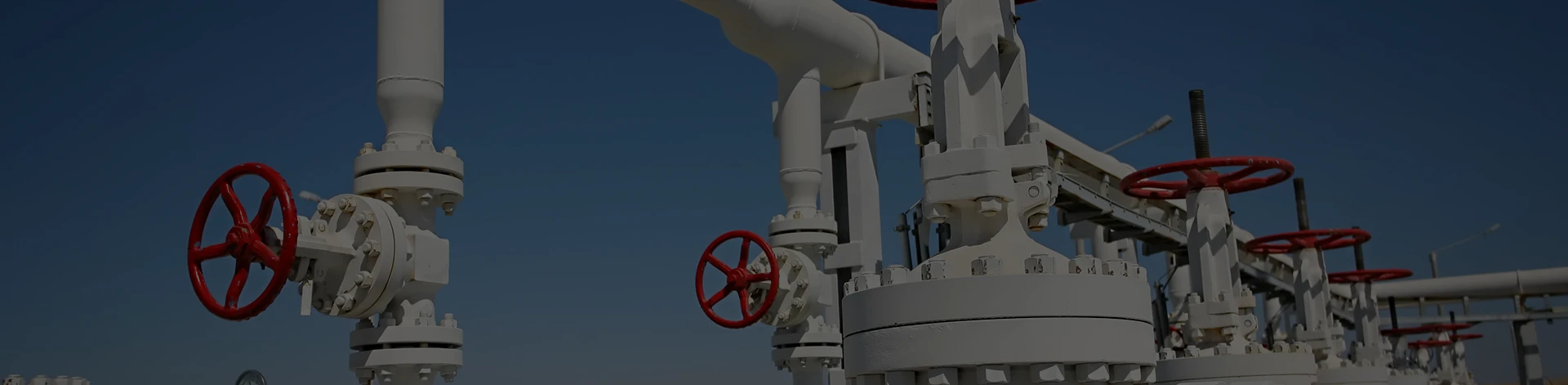
Understanding FRP Piping Fabrication and Installation Process – Durable, Lightweight Solutions for Modern Industry
Why Understanding the FRP Piping Fabrication and Installation Process Matters Today
When you hear "FRP piping fabrication and installation process," it might sound like jargon only an engineer cares about. But in reality, this process represents a quietly booming segment of infrastructure development worldwide. FRP—or Fiber Reinforced Plastic piping—offers lightweight, corrosion-resistant, and durable solutions essential for everything from water treatment plants to offshore oil rigs. Understanding this process means better project planning, cost savings, and long-lasting installations that resist challenges posed by harsh environments.
Globally, constructions and industries increasingly emphasize materials that are not just sturdy but also sustainable. FRP piping fits right into this ethos, addressing decades-long issues with traditional piping like rust, heavy weight, and tedious maintenance.
Setting the Stage: Global Importance of FRP Piping Fabrication and Installation
According to reports by the International Organization for Standardization (ISO) and the World Bank, industries are pushing to reduce downtime and environmental impact caused by pipe failures. FRP piping systems have seen a compound annual growth rate expected to surpass 9% by 2027, driven largely by their adaptability in industries like chemical processing, water utilities, and energy.
Still, the main challenge remains the smooth, consistent fabrication and installation of these composite systems. The unique properties of fiber-reinforced plastics require specialized techniques, skilled labor, and innovative quality control processes that traditional piping does not demand. That's precisely where the “frp piping fabrication and installation process” gains importance as a critical focus area.
So, What Does “FRP Piping Fabrication and Installation Process” Actually Mean?
Put simply, FRP piping fabrication involves molding and assembling pipes from fiber-reinforced plastic composites—typically glass fibers bound with a resin matrix. Once fabricated, these sections are transported and installed at sites, requiring precise joining methods like adhesive bonding, flanging, or filament winding.
Modern industry depends heavily on this because FRP pipes resist corrosion from chemicals, salts, and moisture far better than metal pipes, making them crucial for water treatment, chemical plants, and even humanitarian infrastructure projects in remote areas.
Think about places where rust can shut down entire water supplies or where transporting metal pipes isn’t feasible. Here, FRP pipes are a game changer.
Core Components That Define the FRP Piping Fabrication and Installation Process
1. Durability & Chemical Resistance
One of the biggest draws is the material’s unbeatable resistance to corrosion, which keeps systems operating longer in tough chemical environments. Many industries rely on FRP pipes because they withstand acids, salts, and UV radiation without degrading.
2. Lightweight & Ease of Handling
Compared to metal piping, FRP pipes are significantly lighter, easing both transport and installation. This reduces labor costs and allows use in areas with tough access conditions, such as mountainous terrain or offshore platforms.
3. Custom Fabrication Techniques
The fabrication process includes methods like filament winding, hand lay-up, and pultrusion to tailor pipes to specific project needs. These techniques affect strength, thickness, and flexibility.
4. Installation Precision
Installation requires accuracy, given the need for proper joint sealing and alignment. Adhesives, mechanical fittings, and sometimes onsite curing play key roles. A well-executed installation ensures system longevity.
5. Cost Efficiency Over Lifespan
Though initial costs may slightly exceed some traditional materials, the reduced maintenance and longer lifespan make FRP more economical overall.
Real-World Applications and Impact of FRP Piping
Understanding theory is one thing — seeing it in action really drives it home. Around the world, FRP piping facilitates projects unreachable with metal pipes.
- Post-Disaster Relief: In earthquake-hit regions, rapid deployment of water and sewage pipelines using FRP pipes restores essential services quickly.
- Offshore Oil & Gas: The corrosive marine environment means FRP pipes reduce downtime for platforms.
- Water Treatment Plants: Municipalities in Europe and Asia prefer FRP piping for chemical processing lines used in clean water initiatives.
- Industrial Zones in Remote Areas: FRP piping reduces transport costs and makes maintenance easier without constant expert presence.
A notable example comes from a Southeast Asian water utility where switching to FRP piping cut repair costs by 40% over five years. Projects like this underscore the broader social and economic impact.
The Advantages and Long-Term Payoff You Shouldn’t Overlook
Cost savings are obvious but only part of the story. FRP pipes offer sustainability benefits by reducing waste through longer lifecycles compared to steel. Plus, they minimize leaks, which means less environmental contamination.
Socially speaking, reliable water and energy systems supported by FRP piping improve safety and dignity in communities—sometimes in ways hard to quantify until you see the difference firsthand.
From an innovation standpoint, FRP systems represent cutting-edge composite engineering, trusted by billions of dollars of infrastructure around the globe.
What’s Next? Emerging Trends in FRP Piping Fabrication and Installation
Digital fabrication methods and automation promise faster, smarter production. Imagine robots fine-tuning filament winding or AI-assisted quality checks ensuring every pipe meets strict standards.
New bio-resins and greener fibers are entering the mix, trimming environmental footprints even further. Plus, developments in joining technology mean easier onsite assembly, which is a huge bonus in complex installations.
These innovations align perfectly with global pushes for greener construction under policies crafted by organizations like the United Nations Sustainable Development Goals.
Challenges in FRP Piping Fabrication and Installation — And How Experts Are Fixing Them
Despite its appeal, challenges persist. Lack of trained labor, material costs, and installation precision remain barriers in some regions. Weather and site conditions sometimes complicate onsite bonding or curing processes.
However, manufacturers now offer modular kits and improved training programs to ease these hurdles. Mobile fabrication units and remote monitoring are another clever solution supporting smooth installation in hard-to-reach places.
Ultimately, tackling these challenges head-on helps unlock the full potential of FRP piping systems.
Frequently Asked Questions About FRP Piping Fabrication and Installation Process
Q1: How long does an FRP piping system typically last?
A well-fabricated and properly installed FRP piping system often lasts 25 to 50 years, depending on the environment and maintenance. Corrosion resistance is a major factor extending this lifespan.
Q2: Can FRP pipes be used in high-temperature environments?
Yes, though typical glass fiber FRP pipes handle temperatures up to around 120°C. For higher temps, specialized resins or carbon fiber reinforcements might be necessary.
Q3: Are FRP pipes recyclable?
Recycling FRP is a developing field, complicated by composite materials, but industry efforts focus on repurposing waste and using bio-based resins to improve sustainability.
Q4: Is the installation process more complicated than traditional piping?
While requiring specific skill sets, advances in pre-fabricated joints and improved adhesives have streamlined installation. Proper training significantly reduces complexity.
Q5: Where can I learn more about the full fabrication and installation workflow?
Trusted resources like frp piping fabrication and installation process websites offer detailed guides, case studies, and technical standards to dive deeper.
Product Specification Table: Typical FRP Pipe Parameters
| Parameter | Typical Value | Unit |
|---|---|---|
| Outer Diameter | 50 - 1200 | mm |
| Wall Thickness | 5 - 40 | mm |
| Operating Temperature | -40 to 120 | °C |
| Max Pressure | 1.6 - 6.4 | MPa |
| Material | Glass Fiber Reinforced Polymer (GFRP) | |
Vendor Comparison: Leading FRP Piping Fabricators
| Vendor | Product Range | Global Presence | Certifications | Custom Solutions |
|---|---|---|---|---|
| Long Xuan FRP | Pipes, Fittings, Tanks | Asia, Europe | ISO 9001, ISO 14001 | Yes |
| FiberTech Solutions | Pipes, Panels | North America | ASME, ASTM | Limited |
| ComposiPipes Inc. | Custom Pipes, Tubing | Global | ISO 9001 | Yes |
Wrapping It Up
In the end, the frp piping fabrication and installation process is more than technical steps; it's about enabling industries and communities to thrive on durable, adaptable, and sustainable infrastructure. As materials and methods continue to evolve, this sector quietly shapes the future of global resource management and industrial resilience.
If you’re involved in construction, project management, or infrastructure planning, getting familiar with FRP piping could be a game changer. For more detailed insights and solutions tailor-made for your needs, head over to our website and explore what Long Xuan FRP has to offer.
References





Address
20 Xingyuan South Street, Zaoqiang County, Hengshui City, Hebei Province, China


