



We Are Open 24 Hours a Day, 7 Days a Week, Including Weekends and Public Holidays.

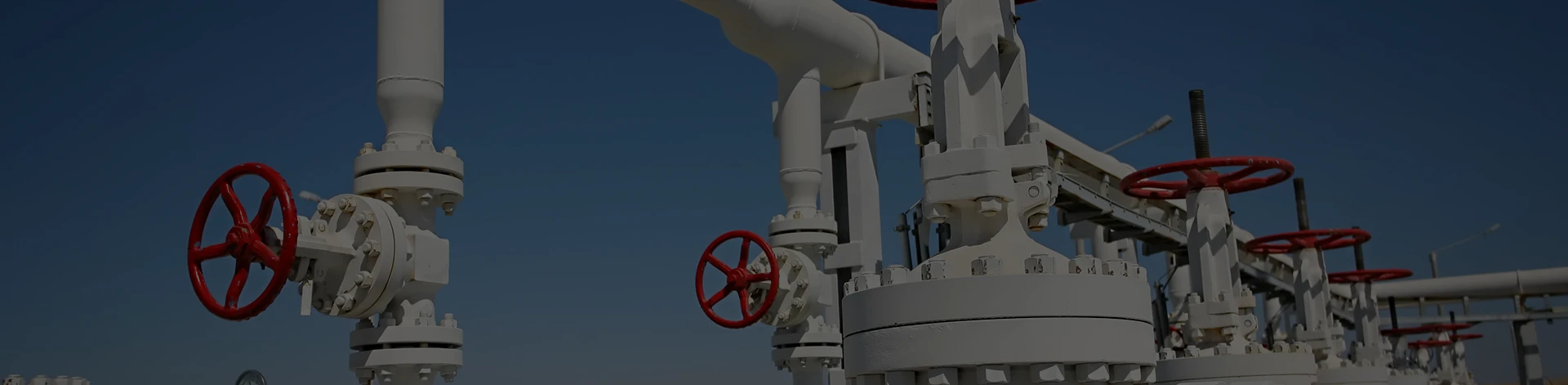
Stainless Rainwater Tanks: Industrial Strength Water Storage Solutions by Longxuan FRP
Stainless Rainwater Tanks are a practical, increasingly popular solution in the modern water management landscape, especially for industries aiming to optimize resource use without compromising durability. This article explores how Longxuan FRP supports B2B professionals with robust, high-performance products, and why these tanks are an ideal choice for enterprises juggling water efficiency and infrastructure resilience.
Table of Contents
- Stainless Rainwater Tanks Overview
- Benefits & Use Cases of Stainless Rainwater Tanks
- Cost, Maintenance & User Experience
- Sustainability & Market Trends
Stainless Rainwater Tanks Overview
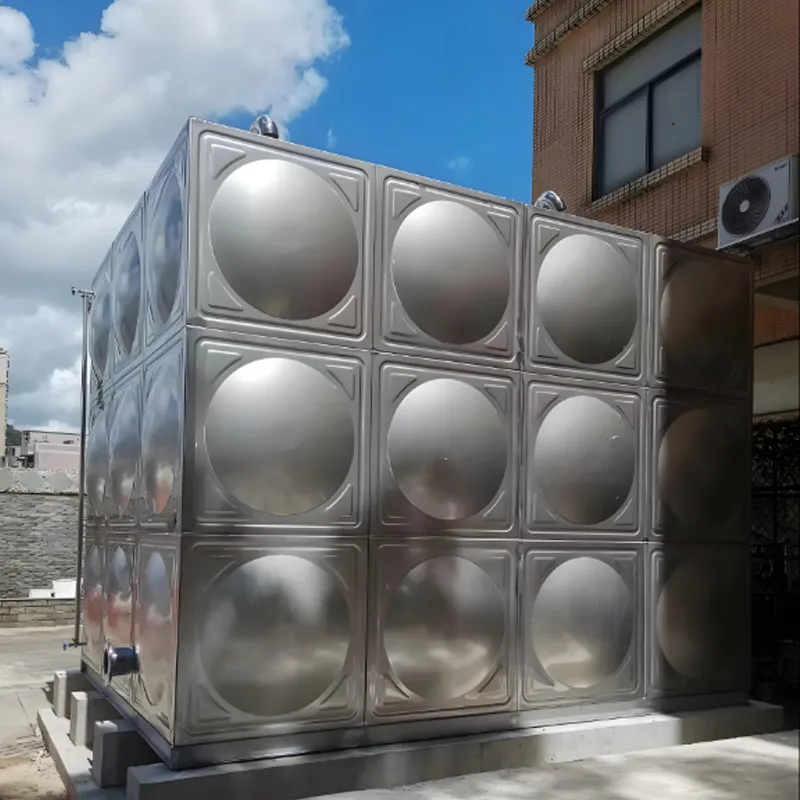
So, what exactly are stainless rainwater tanks? Simply put, these are water storage tanks constructed mainly from stainless steel alloys, designed specifically to collect and store rainwater in a hygienic, corrosion-resistant container. This makes them particularly valuable across various industrial sectors where water purity and tank durability are critical.
Technically, stainless steel used in these tanks typically aligns with grades like 304 or 316, depending on environmental demands. For instance, grade 316 is often preferred where saltwater exposure or chemical resistance is a factor — a detail that many engineers I’ve talked to tend to keep an eye on. A typical tank from Longxuan FRP might have features such as seamless welding, polished interiors to prevent bacterial growth, and configurable capacities ranging from a few hundred liters to several thousand. It’s this flexibility that often seals the deal.
| Specification | Details |
|---|---|
| Material Grade | 304 / 316 Stainless Steel |
| Capacity Range | 500 L to 20,000 L |
| Diameter | 1.2 m to 4.5 m |
| Finish | Electropolished / Pickled |
| Standard Compliance | ASTM A240, ISO 9001 Certified |
Benefits & Use Cases of Stainless Rainwater Tanks
Now, why exactly should businesses lean toward stainless rainwater tanks? Well, for one, they’re practically bulletproof against corrosion, unlike their plastic or galvanized steel counterparts. This means less maintenance hassle over the years — a big plus when you’re managing large installations or remote facilities.
Industrially, stainless rainwater tanks shine in places like food processing plants, chemical factories, and even large-scale agriculture. Their non-reactive surface is crucial where water purity can't be compromised, and you need a tank that won’t leach contaminants. I remember working on a project where the client emphasized the tanks’ compatibility with potable water standards — something not every tank delivers reliably. On top of that, Longxuan’s tanks support customization, allowing integration with automated filtration systems or IoT monitoring set-ups for real-time water usage insights.
Cost, Maintenance & User Experience
One fair question is always about the economics. Stainless steel tanks certainly have a higher upfront price tag compared to plastic or concrete units. But frankly, when you factor in their longevity — often exceeding 20 years — combined with minimal maintenance costs, the total cost of ownership tends to be very attractive. Plus, for businesses where downtime means lost revenue, investing in durable infrastructure is kind of a no-brainer.
Feedback from Longxuan’s industrial clients indicates high satisfaction with ease of cleaning and robustness in harsh environments. For example, a regional beverage company highlighted that switching to stainless tanks reduced their microbial contamination incidents by 40%, thanks largely to the tanks’ sanitary design. So in real terms, these tanks don’t just hold water; they safeguard quality and process consistency.
| Feature | Longxuan FRP | Competitor A | Competitor B |
|---|---|---|---|
| Material Grade | 304/316 Stainless Steel | 304 Stainless Steel | Carbon Steel |
| Customization Options | High (capacity, fittings, coatings) | Medium | Low |
| Warranty Period | 10 years | 5 years | 3 years |
| After-Sales Support | 24/7 Technical Assistance | Business Hours Only | Limited |
Sustainability & Market Trends
Sustainability isn’t just a buzzword — it’s rapidly becoming a market imperative, especially for water infrastructure. Stainless rainwater tanks align really well with this shift. For one, stainless steel’s recyclability at end-of-life is close to 100%, which frankly feels good in today’s circular economy mindset. Additionally, ongoing regulations in many regions push industries to cut freshwater usage and improve stormwater management, bolstering demand for rainwater harvesting solutions.
Industry reports suggest a compound annual growth rate near 7% for rainwater harvesting equipment over the next decade, highlighting increased corporate investment in green infrastructure. Longxuan FRP seems well-placed here, offering products engineered with both current regulatory requirements and future scalability in mind.
Frequently Asked Questions about Stainless Rainwater Tanks
- What is Stainless Rainwater Tanks and how does it work?
- Simply, these tanks collect rainwater runoff and store it in stainless steel containers, preventing contamination and corrosion. They work by channeling roof or other surface water into the tank, where it’s stored safely until needed for industrial, agricultural, or process use.
- What are the main benefits of using Stainless Rainwater Tanks in industrial applications?
- Key benefits include excellent corrosion resistance, longevity, low maintenance, and compliance with hygiene standards critical in industries such as food, pharma, and manufacturing.
- How does Stainless Rainwater Tanks compare to traditional alternatives?
- Compared to plastic or concrete tanks, stainless options resist biofilm buildup better, last longer without degrading, and offer superior structural integrity — especially under extreme weather or chemical exposure.
- What industries can benefit most from Stainless Rainwater Tanks implementation?
- Industries like food and beverage processing, chemical manufacturing, agriculture, and even high-tech sectors focused on water efficiency benefit greatly from these tanks, especially where water purity and system longevity matter.
Conclusion on Stainless Rainwater Tanks from China
To recap, stainless rainwater tanks represent a smart investment for B2B players needing reliable, long-lasting water storage solutions with low maintenance overhead and excellent resistance to tough conditions. It feels like the industry is moving steadily towards these higher performance materials, especially when paired with custom options and strong after-sales support. For those interested in exploring durable, compliant tanks crafted in China, Longxuan FRP offers compelling options worth a look.
- Stainless Rainwater Tanks merge durability and hygiene in one package.
- Visit our website: https://www.longxuanfrp.com
Reflection: In a world where industrial water management grows ever more critical, choosing the right tank isn’t just about volume — it’s about reliability, compliance, and peace of mind. Stainless rainwater tanks tick those boxes a little better each year.
References:
- International Stainless Steel Forum (ISSF) reports on tank durability and recycling.
- ASTM standard A240 relevant to stainless steel material grades.
- Global Water Intelligence - Market trends in water harvesting infrastructure.





Address
20 Xingyuan South Street, Zaoqiang County, Hengshui City, Hebei Province, China


