



We Are Open 24 Hours a Day, 7 Days a Week, Including Weekends and Public Holidays.

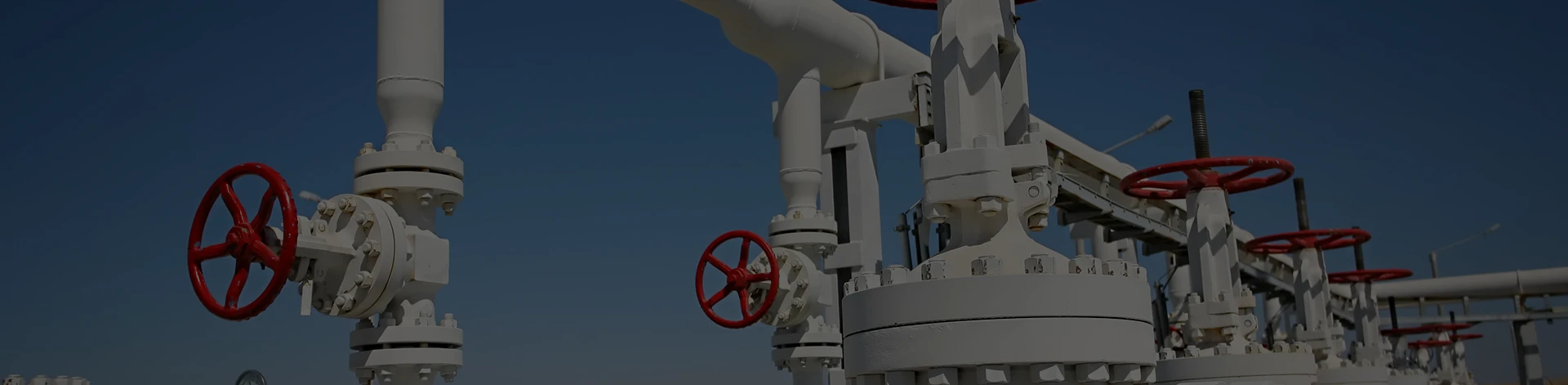
Durable Stainless Hot Water Storage Tanks for Industrial Use
Understanding Stainless Hot Water Storage Tanks: Durability Meets Efficiency
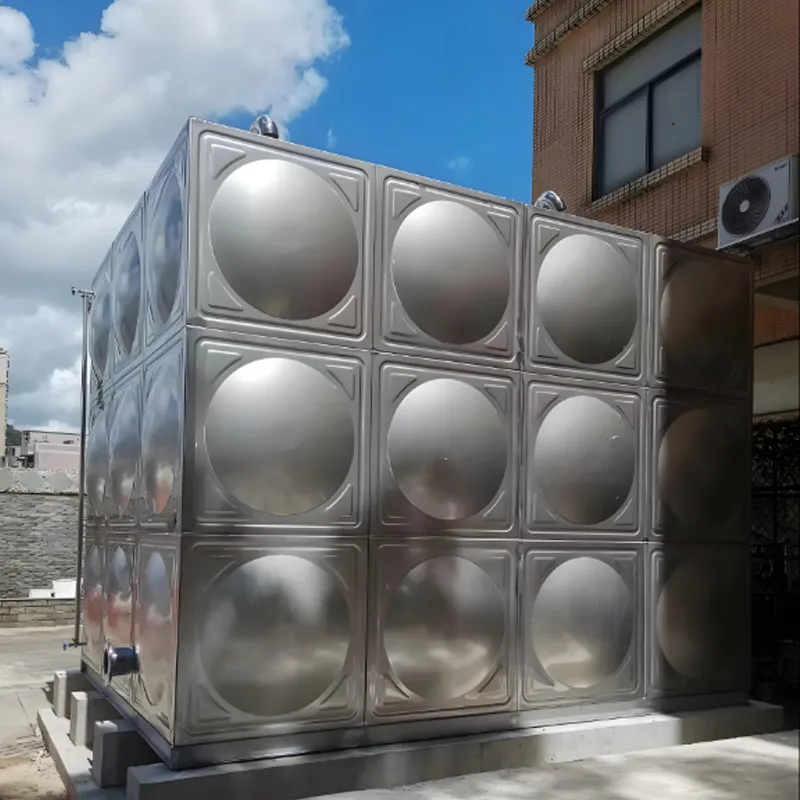
Having spent over a decade in the industrial equipment sector, I can say stainless hot water storage tanks occupy a unique spot in heating solutions. They’re reliable, durable, and frankly, a bit underrated considering their importance. These tanks typically handle the heavy lifting — storing and delivering hot water efficiently in commercial and industrial environments. You’ll find them in everything from hospitals to hotels and manufacturing plants.
What makes stainless steel the go-to material? Well, it’s mostly about corrosion resistance and longevity. Unlike carbon steel tanks, stainless versions often come with a polished inner lining that resists rust and scale build-up. That means less maintenance, fewer replacements, and better water quality over time. Plus, when you think of food or pharmaceutical facilities, stainless is the safe bet due to hygiene standards.
In real terms, you can expect a stainless hot water storage tank to last upward of 15 years with proper care. I remember one site visit to a large brewery where they still had tanks installed in the early 2000s – solid as ever, no leaks, no issues.
Here’s a quick overview of typical specs you’d get in a stainless hot water storage tank (often customized to project needs):
| Specification | Typical Value |
|---|---|
| Material Grade | 304 or 316 Stainless Steel |
| Capacity Range | 500 - 10,000 Liters |
| Operating Pressure | Up to 10 bar |
| Maximum Temperature | 95°C |
| Insulation | Polyurethane Foam (optional) |
Another factor worth mentioning is customization. Manufacturers typically offer multiple configurations — vertical or horizontal orientation, multiple inlet/outlet ports, and optional insulation thickness to match your efficiency goals. Some companies even do bespoke designs when the project demands it, which frankly, is a lifesaver when space or integration complexity arises.
Now, I tend to compare vendors when recommending a tank, since not every manufacturer delivers the same quality or support. Below is a straightforward comparison to illustrate what to look for before buying:
| Feature | Vendor A | Vendor B | Vendor C |
|---|---|---|---|
| Material Grade Options | 304, 316L | 304 only | 304, 316, Duplex Stainless |
| Standard Warranty | 5 years | 3 years | 7 years |
| Custom Design Services | Available | Limited | Full engineering support |
| Lead Time | 6-8 weeks | 4-6 weeks | 8-10 weeks |
Oddly enough, one of the most fascinating things in this space is how some of the smallest negotiation perks (like custom port location or pre-insulated options) can save installers heaps of labor hours. It’s never just about the tank itself, but how it fits into the bigger heating and plumbing puzzle.
I noticed many engineers now encourage clients to invest in vertical stainless tanks if floor space is tight. Vertical models also tend to allow better stratification of hot water layers, improving energy efficiency. It’s little things like that which I think demonstrate how experience in the field shapes smart purchasing.
In practice, I’ve often recommended checking out vendors who not only produce tanks but also provide full engineering support and post-installation assistance. A hot water tank is a long-term investment, and having a vendor you trust — someone who understands your operation, speaks your language — makes all the difference.
If you want to explore options and get more detailed product info, I’d point you toward stainless hot water storage tanks they offer. Their range reflects solid construction principles I've come to respect over the years, with flexible customization that’s critical in complex industrial installations.
Ultimately, whether you’re upgrading an old system or designing a new facility’s heating layout, these tanks represent a robust, low-maintenance solution you can rely on. They’re not flashy — but in the industrial world, reliability often trumps flash.
So, next time you walk past a stainless hot water tank, perhaps you’ll see it with a bit more appreciation. After all, it’s quietly doing the tough job day and night, so you don’t have to.
Short takeaway: Stainless hot water storage tanks combine material durability with smart design, making them indispensable in modern industrial heating.
References:
1. Industrial Heating Systems Handbook, 3rd Ed.
2. ASME Boiler and Pressure Vessel Code, Section VIII
3. Field experience notes, Long Xuan FRP Equipment (2023)






Address
20 Xingyuan South Street, Zaoqiang County, Hengshui City, Hebei Province, China


