



We Are Open 24 Hours a Day, 7 Days a Week, Including Weekends and Public Holidays.

Efficient AC Cooling Tower Systems for HVAC Refrigeration
Optimizing Industrial Cooling: The Essential Role of the ac cooling tower
In today's industrial landscape, efficient thermal management is paramount for operational reliability and energy conservation. The ac cooling tower stands as a cornerstone technology within this domain, playing a critical role in extracting waste heat from various industrial processes and HVAC systems. This comprehensive guide delves into the intricate world of air conditioning cooling towers, covering their fundamental principles, advanced technical specifications, diverse applications, and the strategic advantages they offer.
Understanding the nuances of a cooling tower hvac system is vital for B2B decision-makers and engineers aiming to optimize their facility's performance. From petrochemical plants to large commercial buildings, the ability of these systems to efficiently dissipate heat directly impacts equipment longevity, system efficiency, and overall operational costs. Our exploration will also touch upon the specific function of a cooling tower in a refrigeration system, highlighting its indispensable contribution to maintaining stable temperatures and ensuring continuous operation.
Industry Trends and Market Dynamics for AC Cooling Towers
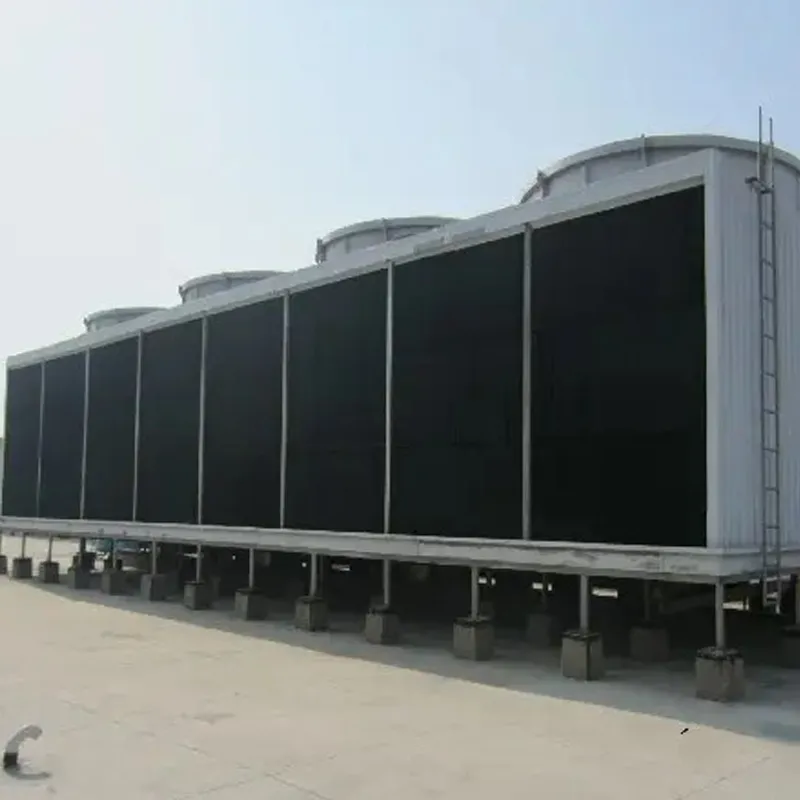
The market for ac cooling tower technology is experiencing significant evolution, driven by increasing energy efficiency mandates, environmental regulations, and the growing demand for sustainable industrial processes. Key trends include the adoption of advanced materials like FRP (Fiber-Reinforced Polymer) for enhanced corrosion resistance and lighter weight, as well as innovations in fan and motor technologies for reduced energy consumption and noise levels. The integration of IoT and smart monitoring systems is also on the rise, allowing for real-time performance optimization and predictive maintenance, thereby extending the service life and reliability of cooling towers hvac infrastructure.
Furthermore, there's a pronounced shift towards modular designs and factory-assembled units, which streamline installation, reduce on-site construction time, and ensure consistent quality. The emphasis on water conservation through technologies like adiabatic cooling and advanced drift eliminators is another pivotal trend, addressing global concerns regarding water scarcity. These innovations collectively contribute to a more efficient, environmentally responsible, and economically viable thermal management solution for various sectors.
Detailed Process Flow: Manufacturing of an AC Cooling Tower
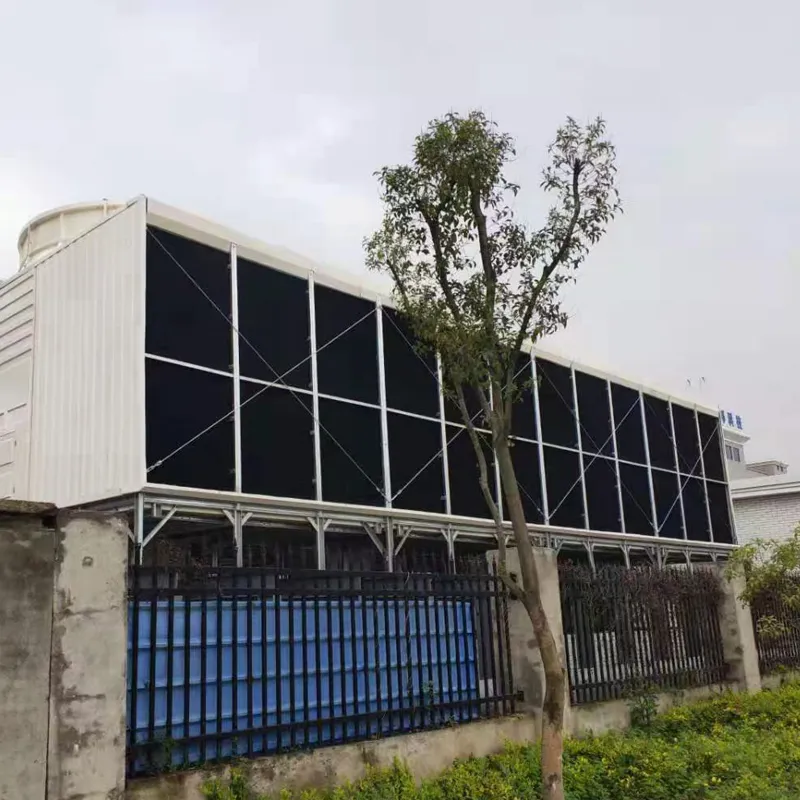
The manufacturing of a high-quality ac cooling tower involves a meticulous multi-stage process, ensuring durability, efficiency, and compliance with international standards. Our manufacturing adheres strictly to ISO 9001 quality management principles and ANSI/ASHRAE 140 standards for thermal performance.
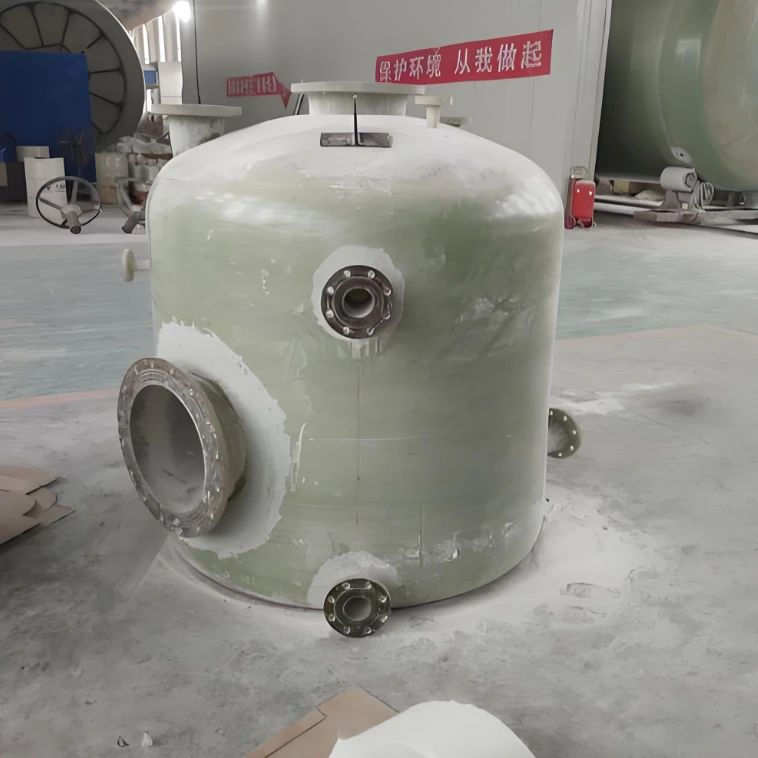
- Material Selection & Preparation: We primarily utilize high-grade FRP composites for casings and water basins due to their exceptional corrosion resistance, UV stability, and structural integrity. Internal components like fill media are typically made from PVC or PP, selected for their high thermal transfer efficiency and chemical inertness. Fan blades are crafted from aluminum alloy or FRP through precision forging or composite molding, ensuring aerodynamic efficiency and minimal vibration.
- Structural Fabrication: The FRP panels are manufactured using advanced hand lay-up or spray-up techniques, followed by curing processes to achieve maximum strength. Steel support structures, where applicable, undergo precision CNC machining, welding, and hot-dip galvanization (per ASTM A123) to provide robust, long-lasting corrosion protection.
- Component Assembly: Key components such as the fan assembly (motor, gearbox, fan blades), water distribution system (spray nozzles, header pipes), drift eliminators, and heat exchange fill media are carefully assembled. Each component is designed for optimal performance within the overall cooling tower hvac system.
- Quality Control & Testing: Throughout the process, rigorous quality checks are performed. This includes material strength tests, dimensional accuracy checks, and leak tests for water basins. Finished units undergo thermal performance testing in accordance with CTI Standard 201 to verify cooling capacity and efficiency under simulated operating conditions. Electrical components are tested per IEC standards.
- Finishing & Packaging: After successful testing, units are cleaned, branded, and prepared for shipment. Modular designs allow for efficient packaging and transportation, reducing logistics costs and simplifying on-site assembly.
Our ac cooling tower units are engineered for a service life exceeding 15-20 years, even in demanding industrial environments. They offer significant advantages in typical application scenarios, such as the petrochemical industry where energy saving is critical due to continuous operation, and in metallurgy where robust corrosion resistance is essential against aggressive process water. For water supply & drainage applications, the reliable and consistent performance of cooling towers hvac ensures sustained operations.
Technical Specifications and Performance Parameters
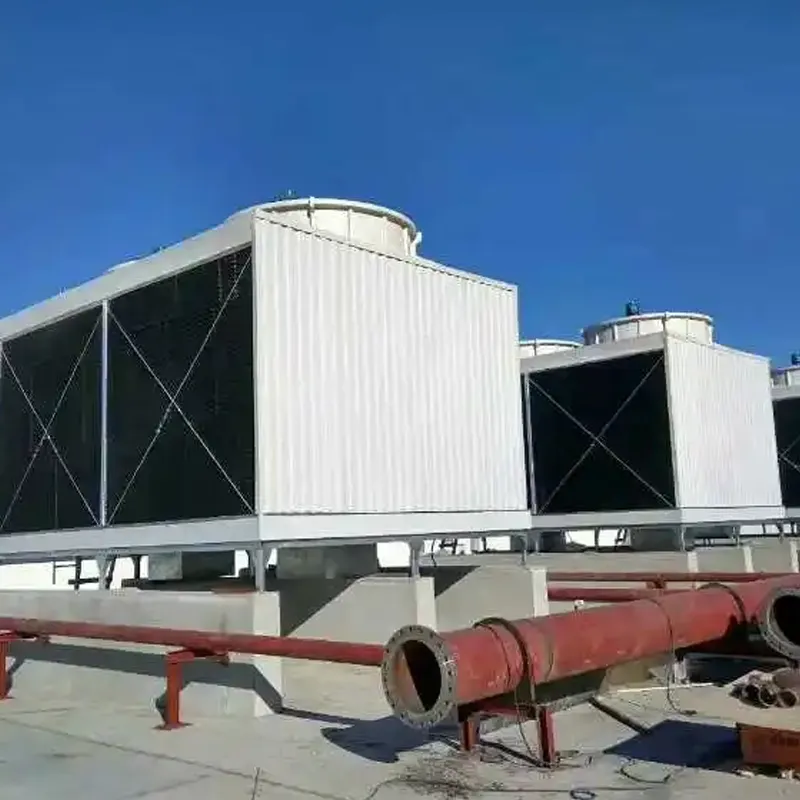
The performance of an ac cooling tower is defined by several critical technical parameters, ensuring it meets specific industrial cooling requirements. Our product range offers diverse specifications to suit varying load capacities and environmental conditions.
Typical Product Specifications (Example Model: LX-AC-500RT)
These specifications highlight the efficiency and compact design inherent in our cooling tower hvac system solutions, demonstrating our commitment to performance excellence.
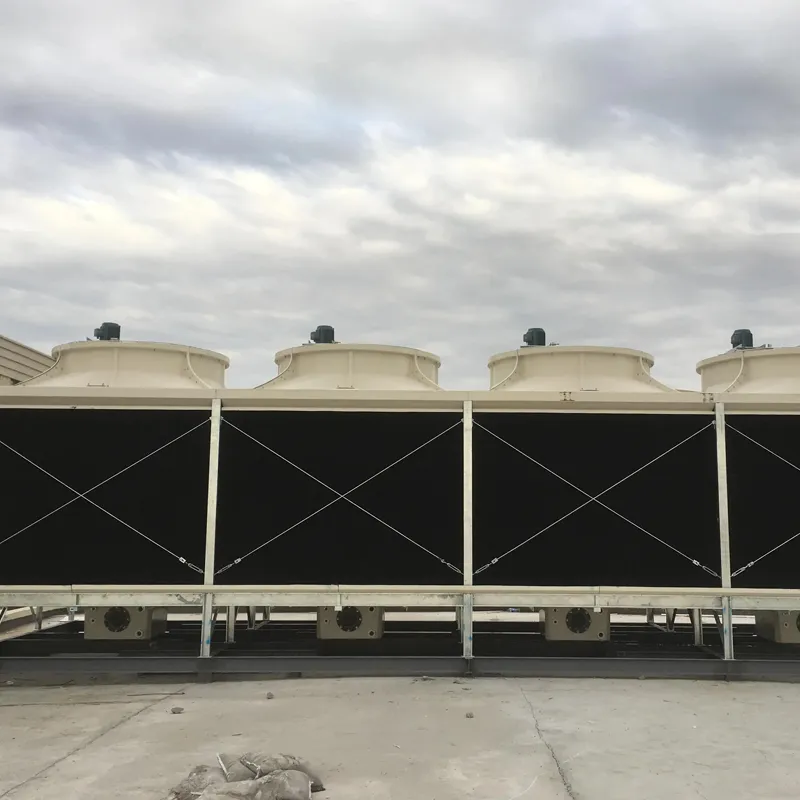
Technical Advantages and Efficiency Gains
Our ac cooling tower solutions are engineered to deliver distinct technical advantages, leading to significant efficiency gains and operational benefits for our B2B clients:
- Superior Energy Efficiency: Employing high-efficiency fan motors (IE3/IE4 compliant) and optimized fill media designs maximizes heat transfer with minimal fan power. This translates to substantial energy savings, reducing the total cost of ownership for any cooling tower hvac system.
- Enhanced Corrosion Resistance: Utilizing FRP composite materials for structural components provides exceptional resistance to corrosive environments, aggressive industrial process water, and atmospheric pollutants, drastically extending the unit's service life compared to traditional steel structures.
- Low Maintenance Requirements: Modular design with easily accessible components simplifies routine inspections and maintenance. Features like self-cleaning nozzles and efficient drift eliminators reduce the frequency of system shutdowns and manual cleaning.
- Reduced Water Consumption: Advanced drift eliminators achieve drift losses as low as 0.001% of the circulating water flow, significantly minimizing water consumption and environmental impact. Optional adiabatic cooling pre-coolers further reduce evaporative losses.
- Lower Noise Operation: Optimized fan blade profiles and sound-attenuating construction minimize operational noise levels, making our cooling towers suitable for sound-sensitive industrial and urban environments.
- Robust Structural Integrity: Designed to withstand harsh weather conditions, including high winds and seismic activity, ensuring long-term reliability and safety.
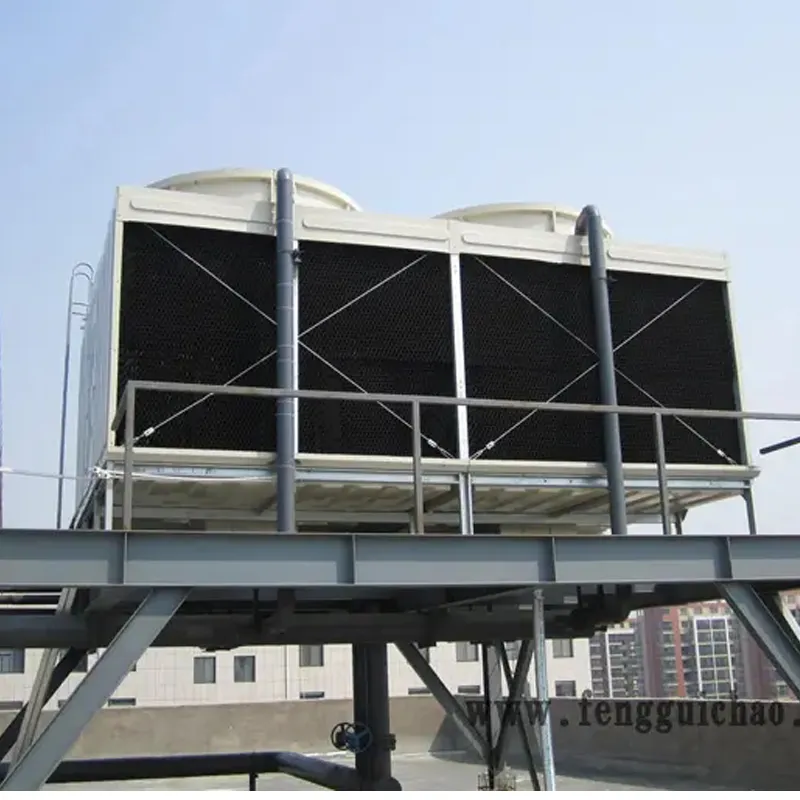
Application Scenarios: Where an AC Cooling Tower Excels
The versatility of an ac cooling tower makes it indispensable across a wide array of industrial and commercial applications. Its primary function is to reject heat from various processes, preventing overheating and ensuring optimal operational conditions.
- HVAC Systems for Commercial Buildings: Large-scale air conditioning systems in offices, hospitals, data centers, and shopping malls rely on cooling towers hvac to dissipate heat rejected by chillers, maintaining comfortable indoor temperatures. This is often the most visible application of cooling towers hvac.
- Industrial Process Cooling: Industries such as petrochemical, chemical, power generation, metallurgy, and manufacturing utilize cooling towers to cool process water used in heat exchangers, reactors, and machinery, ensuring stable operating temperatures and preventing equipment damage.
- Refrigeration Systems: In large-scale refrigeration, particularly ammonia-based or industrial chiller systems, an ac cooling tower serves as the heat rejection component for the condenser. The function of cooling tower in refrigeration system is to cool the hot refrigerant vapor coming from the compressor, allowing it to condense back into a liquid, thus completing the refrigeration cycle efficiently.
- Power Plants: Both thermal and nuclear power plants use massive cooling towers to dissipate waste heat from steam turbines, a crucial step for maintaining turbine efficiency and environmental compliance.
- Data Centers: Given the immense heat generated by server racks, data centers rely on efficient cooling systems, with ac cooling tower playing a central role in maintaining optimal operating temperatures for IT infrastructure.
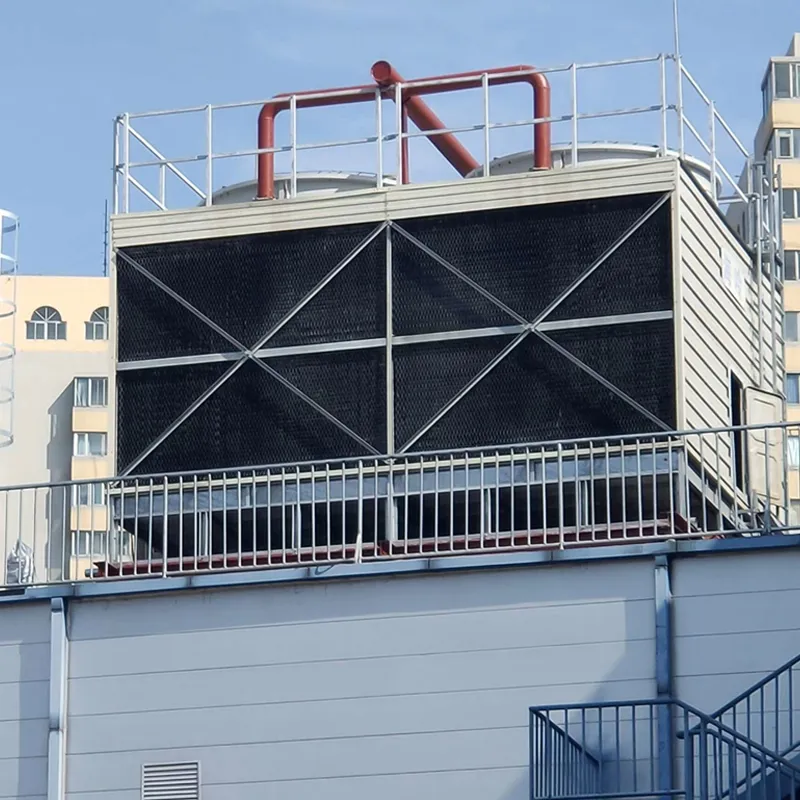
Vendor Comparison: Choosing the Right AC Cooling Tower Provider
Selecting the right vendor for an ac cooling tower is a critical decision that impacts long-term operational costs, reliability, and performance. While many manufacturers exist, key differentiators include engineering expertise, material quality, certification, and after-sales support. Below is a comparative overview:
Comparison of Key Attributes (Generic Comparison)
Our commitment to using premium materials and advanced engineering ensures that our ac cooling tower offers superior long-term value, reduced operational costs, and environmental compliance, distinguishing us from competitors.
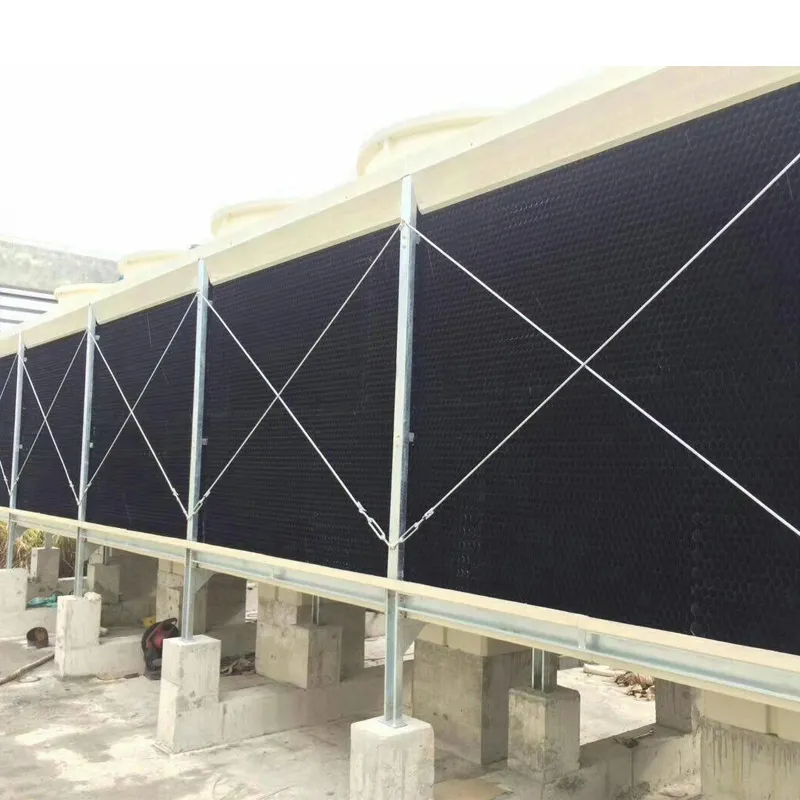
Customized Solutions for Unique Requirements
Recognizing that every industrial application presents unique challenges, we specialize in providing customized ac cooling tower solutions. Our engineering team collaborates closely with clients to develop cooling systems precisely tailored to their specific operational parameters, space constraints, and environmental considerations.
- Site-Specific Design: We offer bespoke designs to fit challenging footprints, integrating seamlessly with existing plant layouts or complex architectural structures. This includes modifications for specific load demands, ambient conditions, and water quality.
- Material Customization: For extremely corrosive environments, special chemical-resistant coatings or advanced FRP resins can be incorporated. For high-temperature applications, specific fill media and component materials are selected to ensure longevity.
- Noise and Vibration Control: Where stringent noise limits apply (e.g., residential proximity or data centers), we offer specialized low-noise fan options, acoustic attenuators, and anti-vibration mounts for the cooling tower hvac system.
- Integrated Controls and Monitoring: We can integrate advanced control systems, including variable frequency drives (VFDs) for fan motors, automated blow-down systems, and remote monitoring capabilities, providing optimal energy management and predictive maintenance.
- Hybrid Cooling Solutions: For regions with water scarcity or high utility costs, hybrid cooling solutions combining evaporative and dry cooling sections can be engineered to minimize water consumption during specific periods.
Application Case Studies and Customer Success
Our track record demonstrates successful implementation of ac cooling tower solutions across diverse industries. Here are a few examples:
Case Study 1: Large Petrochemical Complex
Challenge: An existing steel cooling tower at a major petrochemical plant was suffering from severe corrosion and reduced efficiency, leading to frequent downtime.
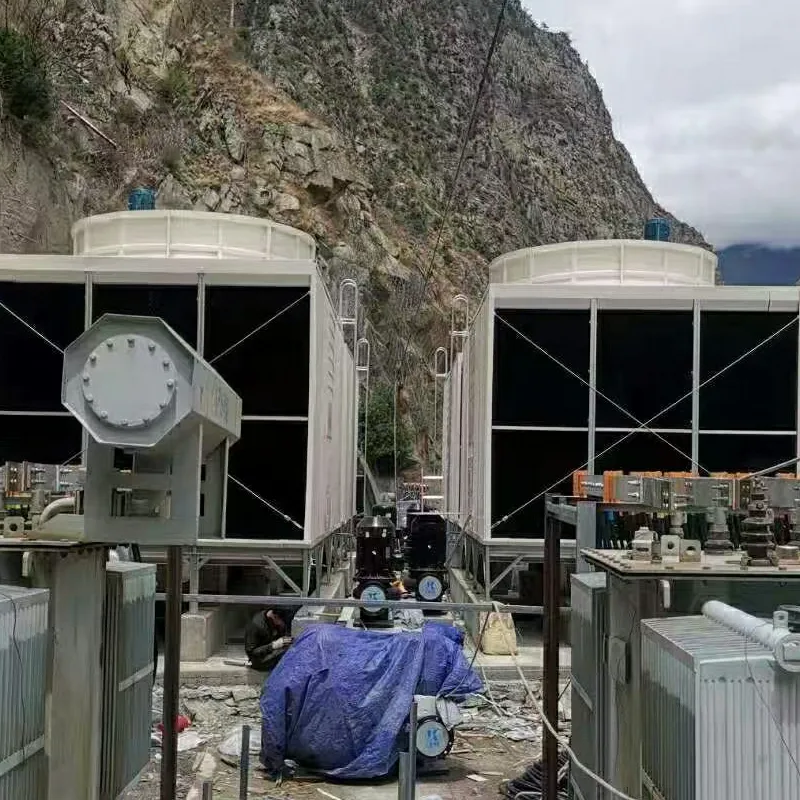
Solution: We designed and supplied a custom-built, multi-cell FRP ac cooling tower with a capacity of 10,000 RT, specifically engineered for aggressive chemical environments. The solution included advanced drift eliminators and a robust water distribution system.
Outcome: The new cooling tower significantly improved thermal performance by 15%, reduced water consumption by 8%, and eliminated corrosion-related maintenance issues. The plant reported a 10% reduction in overall energy expenditure for cooling. Customer feedback: "The new FRP cooling tower has been a game-changer for our plant's reliability and cost savings. Longxuan's expertise was evident throughout the project."
Case Study 2: Commercial Data Center
Challenge: A rapidly expanding data center required additional cooling capacity for its IT infrastructure, with strict requirements for low noise emission and high energy efficiency for its cooling tower hvac system.
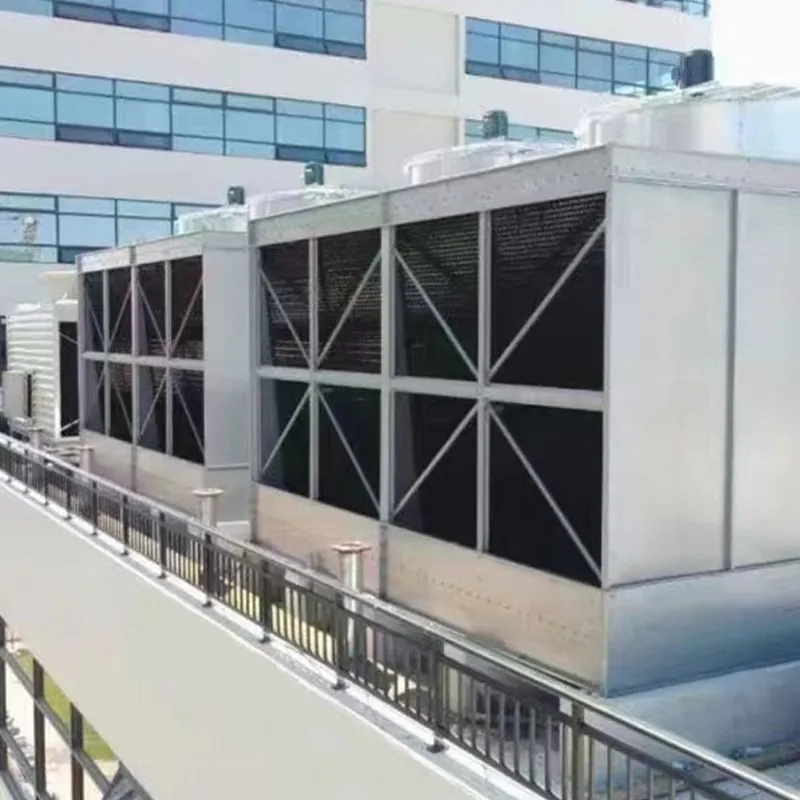
Solution: We provided an optimized, low-noise counterflow ac cooling tower solution featuring high-efficiency axial fans with VFD control and specialized sound attenuators. The design ensured precise temperature control for the data center's chillers.
Outcome: The cooling tower effectively managed the heat load, maintaining server room temperatures within optimal ranges. Noise levels were successfully kept below regulatory limits. The data center achieved a PUE (Power Usage Effectiveness) improvement of 0.05, directly attributable to the efficient cooling system. This is a prime example of a cooling tower in a refrigeration system for critical IT loads.
Certifications, Authoritativeness, and Trustworthiness
Our commitment to quality and reliability is underscored by our adherence to international standards and robust customer support infrastructure. We have over 20 years of experience in the design, manufacturing, and installation of cooling towers hvac system solutions, serving hundreds of industrial clients globally.
- Industry Certifications: Our products and processes are certified under ISO 9001:2015 for Quality Management Systems. Our thermal performance is verified by CTI (Cooling Technology Institute) standards, ensuring that our ac cooling tower units perform as specified. We also comply with CE standards for European markets.
- Authoritative References: We actively participate in industry associations and adhere to best practices outlined by organizations like ASHRAE (American Society of Heating, Refrigerating and Air-Conditioning Engineers) and ASME (American Society of Mechanical Engineers).
- Lead Time & Fulfillment: Standard models typically have a lead time of 4-6 weeks from order confirmation to shipment. For customized solutions, lead times are quoted based on design complexity and material procurement, usually ranging from 8-12 weeks. We maintain robust supply chain logistics to ensure timely delivery.
- Warranty Commitments: All our ac cooling tower units come with a standard 1-year warranty on all components and a 5-year warranty on the FRP casing against manufacturing defects. Extended warranty options are available.
- Customer Support: Our dedicated after-sales support team provides 24/7 technical assistance, spare parts supply, and on-site maintenance services globally. We offer comprehensive training programs for client personnel on operation and basic maintenance of our cooling towers hvac.
Frequently Asked Questions (FAQ) about AC Cooling Towers
Q1: What is the primary function of cooling tower in refrigeration system?
A1: In a refrigeration system, specifically one using a water-cooled condenser, the ac cooling tower rejects the heat absorbed by the refrigerant in the evaporator and compressor. It cools the condenser water, allowing the hot refrigerant vapor to condense back into a liquid state, completing the refrigeration cycle efficiently. This process is crucial for the continuous and effective operation of industrial chillers and large HVAC systems.
Q2: How does an ac cooling tower save energy compared to once-through cooling?
A2: An ac cooling tower operates on a recirculating water principle, minimizing the need for constant fresh water intake and discharge. By efficiently evaporating a small portion of the circulating water, it achieves significant cooling with much less water and energy consumption than a once-through system that draws fresh water and discharges heated water directly. Modern cooling towers also incorporate energy-efficient fans and motors, further reducing power consumption.
Q3: What maintenance is required for an ac cooling tower?
A3: Regular maintenance is crucial for optimal performance and longevity. This includes periodic inspection and cleaning of fill media, drift eliminators, and water basins to prevent fouling and microbial growth. Chemical treatment of the circulating water is essential to control scale, corrosion, and biological contamination. Fan and motor assemblies require routine lubrication and inspection of belts (if applicable) and bearings. Our comprehensive O&M manuals provide detailed guidelines for preventative maintenance.
Q4: Are your cooling towers hvac compliant with environmental regulations?
A4: Yes, our ac cooling tower products are designed to meet or exceed relevant environmental regulations concerning water efficiency, drift emissions, and noise pollution. We incorporate high-efficiency drift eliminators to minimize water loss and chemical dispersal, and our designs often include features to reduce overall energy consumption and acoustic impact.
References
- Cooling Technology Institute (CTI) Standards. CTI Standard 201: Thermal Performance Certification of Large Evaporative Heat Rejection Equipment.
- ASHRAE Handbook—HVAC Systems and Equipment. American Society of Heating, Refrigerating and Air-Conditioning Engineers.
- ISO 9001:2015 - Quality management systems — Requirements. International Organization for Standardization.
- Wang, S., & Li, X. (2018). Energy-efficient cooling tower design and optimization for industrial applications. Journal of Applied Thermal Engineering, 140, 153-162.
- U.S. Department of Energy. (2011). Improving Steam System Performance: A Sourcebook for Industry. Evaporative Cooling Systems.






Address
20 Xingyuan South Street, Zaoqiang County, Hengshui City, Hebei Province, China


