



We Are Open 24 Hours a Day, 7 Days a Week, Including Weekends and Public Holidays.

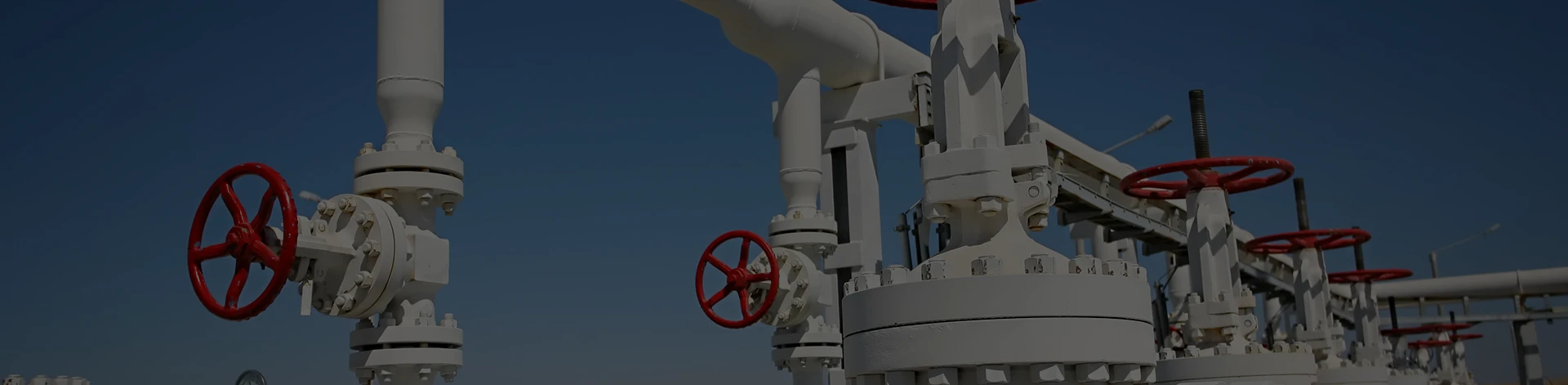
Durable and Efficient PP FRP Centrifugal Blowers for Industrial Ventilation
Understanding the Role of PP FRP Centrifugal Blowers in Modern Industry
If you’ve ever wondered how industries keep air flowing smoothly in harsh chemical environments or maintain ventilation systems that resist corrosion, you’ve probably come close to hearing about pp frp centrifugal blowers. These devices might not be the loudest topic at industry conferences, but their impact on global manufacturing, environmental control, and even humanitarian efforts is quietly immense. In fact, grasping the essentials of these blowers offers insights into safer workplaces, longer-lasting machinery, and smarter, more sustainable production processes worldwide.
The Global Context: Why PP FRP Centrifugal Blowers Matter
Around the globe, industries from chemical plants to wastewater treatment facilities face one persistent challenge — corrosion from harsh gases and liquids that can quickly degrade metal equipment. According to a 2022 World Bank report, corrosion costs the global industrial sector roughly $2.5 trillion annually in maintenance and downtime (1). This is where polypropylene fiber-reinforced plastic (PP FRP) centrifugal blowers come into play. Built to resist harsh chemical exposures, these blowers enable companies to operate more reliably and reduce losses.
Moreover, the ISO 14001 environmental management standards have pushed industrial operations toward greener, more durable components, boosting demand for corrosion-resistant equipment like PP FRP blowers. Often, these solutions aren’t just about cost savings, but about complying with tighter regulatory pressure worldwide.
Mini takeaway: Investing in corrosion-resistant ventilation equipment like pp frp centrifugal blowers isn't just an expense—it's a strategic move to cut huge global losses due to corrosion.
What Is a PP FRP Centrifugal Blower?
At its core, a pp frp centrifugal blower is a mechanical device that propels air or gas through a system by spinning impellers inside a specially designed housing made from polypropylene (PP) fiber-reinforced plastic (FRP). This combination materials choice is no accident — it protects the blower from chemical degradation, unlike traditional metal blowers which rust or corrode quickly when exposed to acids, alkalis, or saltwater environments.
These blowers maintain critical airflows in processes ranging from fume extraction in factories to ventilation in wastewater plants. Their chemical resistance and mechanical robustness make them a prime choice when you need to force air in environments where traditional metal equipment would fail prematurely.
Mini takeaway: Think of pp frp centrifugal blowers as the tough, chemically savvy cousins of your average metal blower — built to last where others would falter.
Core Components and Key Factors in PP FRP Centrifugal Blowers
Durability and Corrosion Resistance
The defining characteristic is obviously the material — the PP FRP composite resists corrosion that metals cannot. This ensures blowers often outlast their steel counterparts by years, especially in acidic or saline environments.
Energy Efficiency
Modern PP FRP blower designs aim to minimize energy consumption without sacrificing airflow. Many companies now use computer-modeled impeller designs to achieve optimal aerodynamic profiles, making operations less costly and greener.
Noise and Vibration Control
Interestingly, the plastic composite material also absorbs vibrations better than metals, reducing noise levels — a critical factor in both industrial zones and urban settings.
Maintenance and Scalability
These blowers are typically easier to maintain; they resist cracking or rust pitting. Plus, manufacturers often offer scalable modular designs that can be adapted to different airflow needs without a complete redesign.
Mini takeaway: The sweet spot for pp frp centrifugal blowers lies in marrying chemical resistance with energy efficiency and ease of maintenance — sort of what every modern industry aims for.
Real-World Applications and Use Cases
Industries that rely heavily on PP FRP centrifugal blowers tend to share environmental challenges involving corrosive emissions or damp conditions. For instance:
- Chemical manufacturing plants: Handling acidic gases, these plants depend on PP FRP blowers for ventilation and fume extraction systems.
- Wastewater treatment facilities: Airflow systems here must resist constant moisture and chemical exposure.
- Marine and coastal industries: Facilities near saltwater employ these blowers to withstand salty, humid air without rusting.
- Disaster relief and remote sites: pp frp centrifugal blower units find use in temporary setups where reliability and corrosion resistance are a must.
Oddly enough, I've noticed that many smaller-scale industries in Asia-Pacific regions often prefer PP FRP blowers due to cost-effectiveness mixed with their durability, highlighting regional innovation trends.
Mini takeaway: Wherever corrosion attacks metal, there’s often a pp frp centrifugal blower keeping things running smoothly.
Advantages and Long-Term Value of PP FRP Blowers
When you tally it all up, these blowers offer more than just chemical resistance:
- Cost savings: Reduced downtime and maintenance lower total cost of ownership over the product’s lifecycle.
- Sustainability: Longer-lasting materials reduce waste and the need for frequent replacements.
- Safety and reliability: Stable airflow systems improve environmental safety and worker conditions.
- Innovation potential: They fit well with increasing automation and monitoring tech, boosting operational transparency.
Sometimes, reliability feels like a bit of magic, until you realize it's just very smart materials science combined with solid design.
Product Specification Table
| Specification | Typical Range/Value |
|---|---|
| Material | PP Fiber Reinforced Plastic (FRP) |
| Airflow Capacity | 500 to 10,000 m³/hr |
| Operating Temperature | -10°C to 70°C |
| Noise Level | 65-80 dB(A) |
| Voltage Options | 220V / 380V / 440V (3-phase) |
Comparing Leading PP FRP Centrifugal Blower Vendors
| Vendor | Material Quality | Customization Options | Energy Efficiency | Price Range |
|---|---|---|---|---|
| Long Xuan FRP | Premium-grade PP FRP composite | High (custom impeller designs) | A++ | $$$ |
| ChemAir Systems | Standard PP FRP | Moderate | A | $$ |
| EcoVent Solutions | Recycled PP FRP blend | Low (standard models only) | B+ | $ |
Future Trends and Innovations to Watch
The field of PP FRP centrifugal blowers is quietly evolving, increasingly intertwined with sustainability and smart tech trends. Some interesting developments on the horizon include:
- Advanced Composite Materials: New fiber reinforcements and nano-additives promise even better corrosion resistance and strength.
- Smart Monitoring: Integrating sensors to track wear, airflow efficiency, and predictive maintenance remotely.
- Energy Optimization: Digital control systems that adapt blower speed for maximum efficiency dynamically.
- Green Manufacturing: Using recycled PP materials and greener production methods to reduce carbon footprints.
It feels like we’re on the cusp of making these blowers not just durable but actually part of a smarter, cleaner industrial ecosystem.
Overcoming Challenges in PP FRP Blower Use
No solution is 100% perfect. Some ongoing challenges include:
- Cost Premium: Initial investment is higher than simple metal blowers, which can deter budget-conscious buyers.
- Temperature Limits: PP FRP materials can’t handle very high-temperature gases (above ~70°C) without degradation.
- Weight Constraints: While lighter than metals, some large blowers can still be bulky and require special mounts.
But innovations in hybrid composite materials and modular design seem to be cracking these issues open in clever ways.
FAQ: Your Questions About PP FRP Centrifugal Blowers
- What are the main advantages of PP FRP blowers over metal ones?
- PP FRP blowers offer superior corrosion resistance, lower maintenance, and reduced noise thanks to their composite construction, making them ideal for harsh chemical environments.
- Can these blowers be used in high-temperature applications?
- Generally, PP FRP blowers operate effectively up to around 70°C. For higher temperatures, alternative materials or designs should be considered to prevent degradation.
- How easy is it to customize a PP FRP centrifugal blower?
- Many vendors offer flexible designs including tailored impeller shapes, sizes, and motor options. Customization helps match blower performance to specific industrial needs.
- Are PP FRP blowers energy efficient compared to traditional models?
- Yes, modern designs are optimized with aerodynamic impellers and variable speed drives, often reducing energy use by 10-20% compared to older metal blowers.
- What industries benefit most from PP FRP centrifugal blowers?
- Chemical plants, wastewater treatment, marine facilities, and even remote disaster relief centers benefit most, thanks to the blowers’ resilience in corrosive, humid, or salty conditions.
In Conclusion: Why PP FRP Centrifugal Blowers Are a Smart Long-Term Investment
Here’s the bottom line — adopting PP FRP centrifugal blowers isn’t just about installing a piece of equipment. It’s about embracing a longer-term vision for durability, sustainability, and operational excellence in industries where failure is costly. From corrosion resistance to energy savings and quieter operation, these blowers tick off many boxes that modern businesses can’t afford to ignore.
Interested in upgrading or exploring detailed product specs? Feel free to visit our site at https://www.longxuanfrp.com to learn more.
References:
1. World Bank Group. "Global Corrosion Cost Analysis," 2022.
2. ISO 14001 Environmental Management Systems – Requirements, 2020.
3. Wikipedia contributors, "Centrifugal fan," Wikipedia, The Free Encyclopedia, https://en.wikipedia.org/wiki/Centrifugal_fan






Address
20 Xingyuan South Street, Zaoqiang County, Hengshui City, Hebei Province, China


