



We Are Open 24 Hours a Day, 7 Days a Week, Including Weekends and Public Holidays.

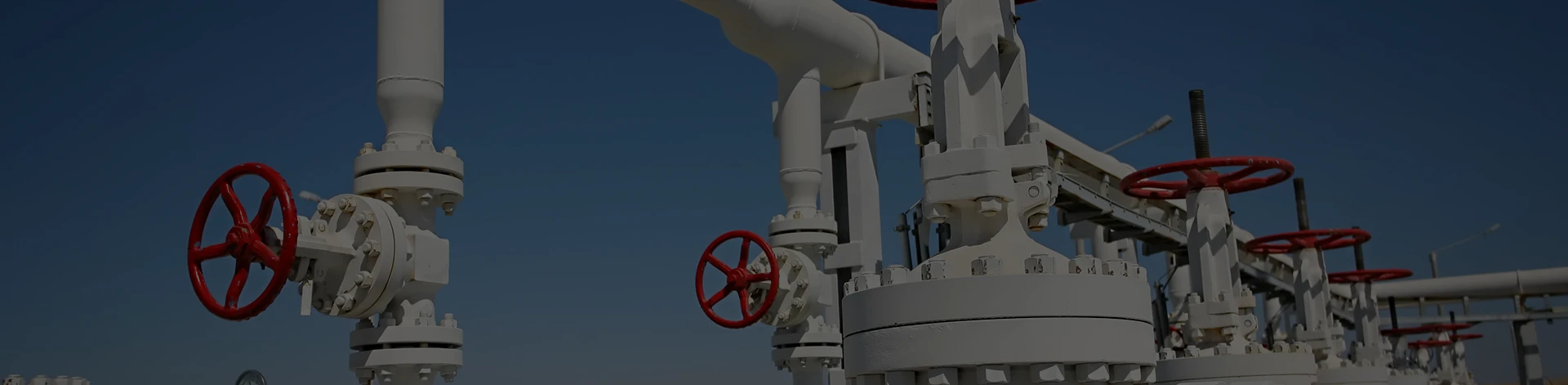
Advantages and Applications of FRP Centrifugal Fans for Industrial Use
Exploring the Benefits and Impact of FRP Centrifugal Fans
If you’ve ever found yourself staring at an industrial ventilation system or pondering the best ways to move air through complex environments, chances are you’ve encountered or at least wondered about the humble yet mighty FRP centrifugal fan. It might sound like niche tech jargon, but these fans play a surprisingly critical role worldwide — from factories and power plants to wastewater treatment and disaster relief efforts. Their combination of sturdy fiberglass-reinforced plastic (that’s “FRP”) construction with the tried-and-true centrifugal fan design addresses major operational challenges where durability, corrosion resistance, and efficiency matter.
In the context of global industrial processes and humanitarian logistics, understanding the applications and benefits of FRP centrifugal fans could save significant time, costs, and even lives. This article dives into what these fans are, why they matter globally, and why many industries are increasingly relying on them.
Why the World Needs FRP Centrifugal Fans: A Global Perspective
It might surprise you that according to the International Energy Agency (IEA), industrial processes account for nearly 40% of global energy consumption — with ventilation systems being key components. Traditional metal fans often fall victim to corrosion and breakdowns, especially in harsh environments such as chemical plants or coastal zones. UN reports on urban air quality improvements and industrial safety have explicitly highlighted equipment durability as a front-line issue. Here, FRP centrifugal fans have stepped in to provide solutions.
These fans don’t just help factories breathe easier — they also factor into sustainable infrastructure projects across emerging economies. For example, the frp centrifugal fan technology is often pivotal in wastewater management systems where corrosive chemicals would otherwise quickly degrade metal parts. By addressing such pressing industrial challenges, FRP centrifugal fans support stronger, safer, and more reliable global industrial growth.
Mini takeaway: In an increasingly industrialized and sustainability-conscious world, the corrosion resistance and longevity of FRP centrifugal fans make them a vital component globally.
What Exactly Is an FRP Centrifugal Fan?
Let’s break it down piece by piece. A centrifugal fan uses a rotating impeller to increase the velocity of an air stream and then directs it outward by centrifugal force. This fundamental design has been around for ages and is known for efficient airflow and good pressure generation.
Now, toss in FRP: Fiberglass-Reinforced Plastic is a composite material crafted by embedding fine glass fibers within a polymer matrix. This blend delivers high strength-to-weight ratios, resistance to many chemicals, and immunity to rust. When these two combine, you get a fan that keeps all the performance characteristics of a centrifugal model but adds endurance in hostile environments.
Industries from chemical processing to marine engineering use these fans to move air reliably — all while resisting corrosion, impact, and sometimes extreme temperatures.
Mini takeaway: An FRP centrifugal fan isn’t just sturdy and light, it’s a hero for corrosive or challenging environments where traditional metal fans would fail.
Key Components & Considerations for FRP Centrifugal Fans
1. Durability and Corrosion Resistance
This is arguably the biggest selling point. FRP materials resist acids, alkalis, salts — you name it. For example, in wastewater treatment plants dealing with chemically corrosive air, these fans dramatically outlast steel or aluminum counterparts, reducing downtime and maintenance.
2. Lightweight Design
Compared to metal fans, FRP fans weigh significantly less. This feature helps reduce installation costs, eases transportation (especially for remote sites), and lowers stress on support structures.
3. Noise Reduction
Fiberglass composites have natural vibration-damping properties, so FRP centrifugal fans often run quieter — a small nod to worker comfort often overlooked.
4. Customizable Shapes & Sizes
FRP’s moldability means manufacturers can produce fans in specific dimensions or configurations, tailored to exact airflow needs.
5. Cost Efficiency Over Time
The upfront cost might be slightly higher than traditional metal fans, but considering long lifespans, fewer replacements, and no corrosion-related repairs, the total cost of ownership tends to be substantially lower.
| Feature | Typical Specification |
|---|---|
| Fan Diameter | 300 mm to 2000 mm |
| Material Composition | Fiberglass-Reinforced Polyester Resin |
| Airflow Capacity | 500 to 15,000 m³/hr |
| Operating Temperature | -40°C to 120°C |
| Corrosion Resistance | Excellent in acidic/alkaline environments |
| Noise Level | Typically 65 dB(A) at 1m |
Where in the World are FRP Centrifugal Fans Making a Difference?
Practically everywhere there’s a need for tough, light, and corrosion-proof fans. Some interesting case studies:
- Asia-Pacific: Coastal chemical plants in China and India deploy FRP centrifugal fans to handle salty, corrosive air, preventing costly shutdowns.
- Europe: Wastewater treatment facilities in Germany and Italy use these fans in aggressive chemical environments, boosting energy efficiency and maintenance intervals.
- Middle East & Africa: Oil refineries and desalination plants in the Gulf States rely on corrosion-resistant fans to withstand harsh desert and marine climates.
- Disaster Relief: Mobile ventilation units fitted with FRP fans help air out temporary shelters and medical tents in flood- or earthquake-hit regions—remarkably enhancing air quality and comfort.
If you’re curious, many engineers note that reliability in these settings often correlates directly with worker safety and equipment uptime — no small matter.
Mini takeaway: FRP centrifugal fans thrive in tough environments, ensuring continuous safe operations across industries and geographies.
The Long-Term Benefits of FRP Centrifugal Fans: Cost Meets Sustainability
Here’s the deep value. FRP centrifugal fans combine efficiency with resilience — delivering measurable savings in:
- Maintenance & Replacement: Fewer breakdowns mean less cost and downtime.
- Energy Use: Optimized flow reduces the energy needed for ventilation.
- Environmental Impact: Longevity means less material waste, and corrosion resistance avoids pollution risks.
There’s also a social benefit — by maintaining cleaner air in workplaces or relief tents, these fans contribute to better health and dignity for workers and displaced people alike. It feels like a small but meaningful nod to innovation serving humanity directly.
Future Innovations on the Horizon
The frp centrifugal fan landscape isn’t standing still. Emerging advances include:
- Smart Monitoring — IoT sensors tracking vibration, airflow, and wear in real-time.
- Green Materials — Incorporation of bio-based resins for ultimately recyclable fans.
- Enhanced Aerodynamics — CFD (Computational Fluid Dynamics) modeling leading to quieter, more efficient impeller designs.
- Modular Designs — Easier customization and on-site assembly to speed deployment in remote areas.
Challenges and Practical Solutions
Of course, nothing’s perfect. One classic critique is the material's sensitivity to UV degradation if improperly coated — meaning poor finishing can shorten fan life. Another challenge: some industries require fans able to tolerate extreme heat beyond typical FRP limits.
But innovation comes through problem-solving. UV resistant coatings and hybrid material composites have largely mitigated these issues. Also, partnering with vendors that understand your environment and can suggest tailored solutions always helps.
| Vendor | Product Options | Customization | Global Reach |
|---|---|---|---|
| Longxuan FRP | Wide range of sizes and types | Custom moldings & coatings | Asia, Middle East, Africa |
| Fiberglass Tech Co. | Standard models, rapid delivery | Limited custom options | Europe, North America |
| Global Flow Systems | High-temp and specialty materials | Fully tailored designs | Global |
FAQs About FRP Centrifugal Fans
Q: How does an FRP centrifugal fan compare in cost to traditional metal fans?
A: Though FRP fans often carry a higher initial cost, their excellent corrosion resistance and longer service life typically make them more cost-effective over time, especially in harsh environments where metal fans degrade quickly.
Q: Are FRP centrifugal fans suitable for high-temperature applications?
A: Generally, FRP fans operate up to around 120°C, but specialized composite materials and hybrid designs can extend this range. For extreme heat, consulting with the manufacturer is advised.
Q: Can FRP fans be customized for specific airflow requirements?
A: Yes! One significant advantage is their moldability, allowing customization of size, blade shape, and coating — making them fit-for-purpose for a wide range of industrial demands.
Q: What maintenance is required for FRP centrifugal fans?
A: Compared to metal fans, FRP fans require less frequent maintenance, mainly periodic inspections for surface wear, bearing lubrication, and ensuring UV protective coatings remain intact if deployed outdoors.
Q: How can I find a reliable supplier for FRP centrifugal fans?
A: Look for vendors with proven track records in your industry and geography, who can provide detailed technical support and customization. For example, frp centrifugal fan specialists often offer helpful consultations and site assessments.
Wrapping Up: Why FRP Centrifugal Fans Are Worth Your Attention
At the crossroads of performance, durability, and sustainability, FRP centrifugal fans stand out as a smart solution for modern industry’s airflow challenges. By reducing maintenance headaches, cutting costs over the long haul, and improving safety in tough environments, they show clear long-term value. If your operations require reliable ventilation that won’t quit, it’s worth taking a closer look.
For more specialized products, tailored consulting, and the latest innovations in frp centrifugal fan technology, consider reaching out to trusted vendors like Longxuan FRP — it might just change the way your systems breathe.
References:






Address
20 Xingyuan South Street, Zaoqiang County, Hengshui City, Hebei Province, China


