



We Are Open 24 Hours a Day, 7 Days a Week, Including Weekends and Public Holidays.

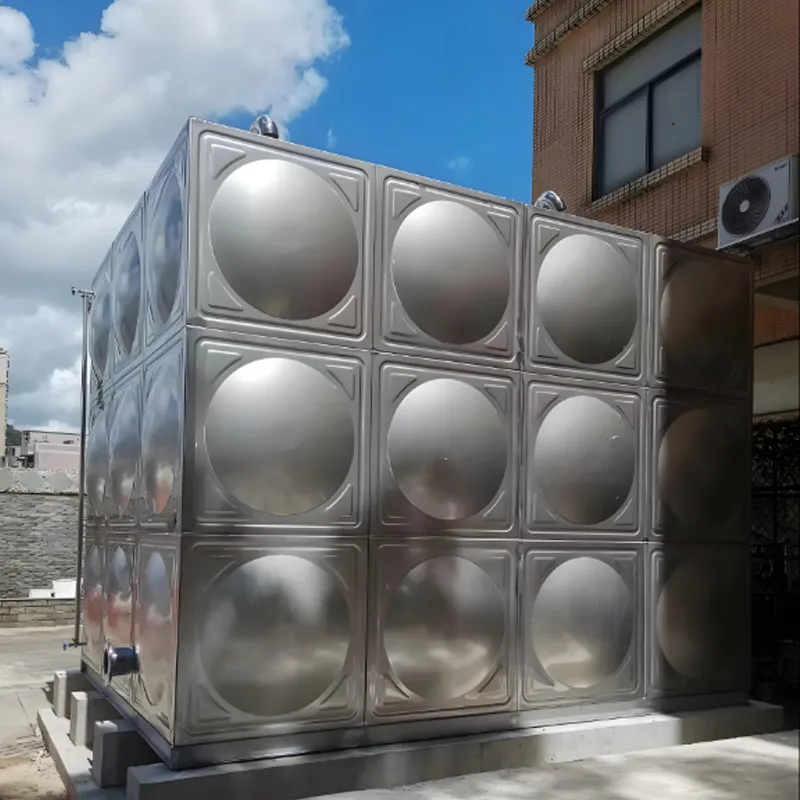
Detailed Guide to 10000 Litre Stainless Steel Water Tank Price and Options
10000 Litre Stainless Steel Water Tank Price: A Comprehensive Guide
Choosing the right water tank is crucial for a variety of applications, from agricultural use and fire suppression to potable water storage. Stainless steel tanks offer exceptional durability and hygiene, making them a popular choice. This article will delve into the factors influencing the 10000 litre stainless steel water tank price, explore different types, and provide insights into finding the best solution for your needs. Understanding the price breakdown and available options will empower you to make an informed decision.
Factors Influencing the Price of a 10000 Litre Stainless Steel Water Tank
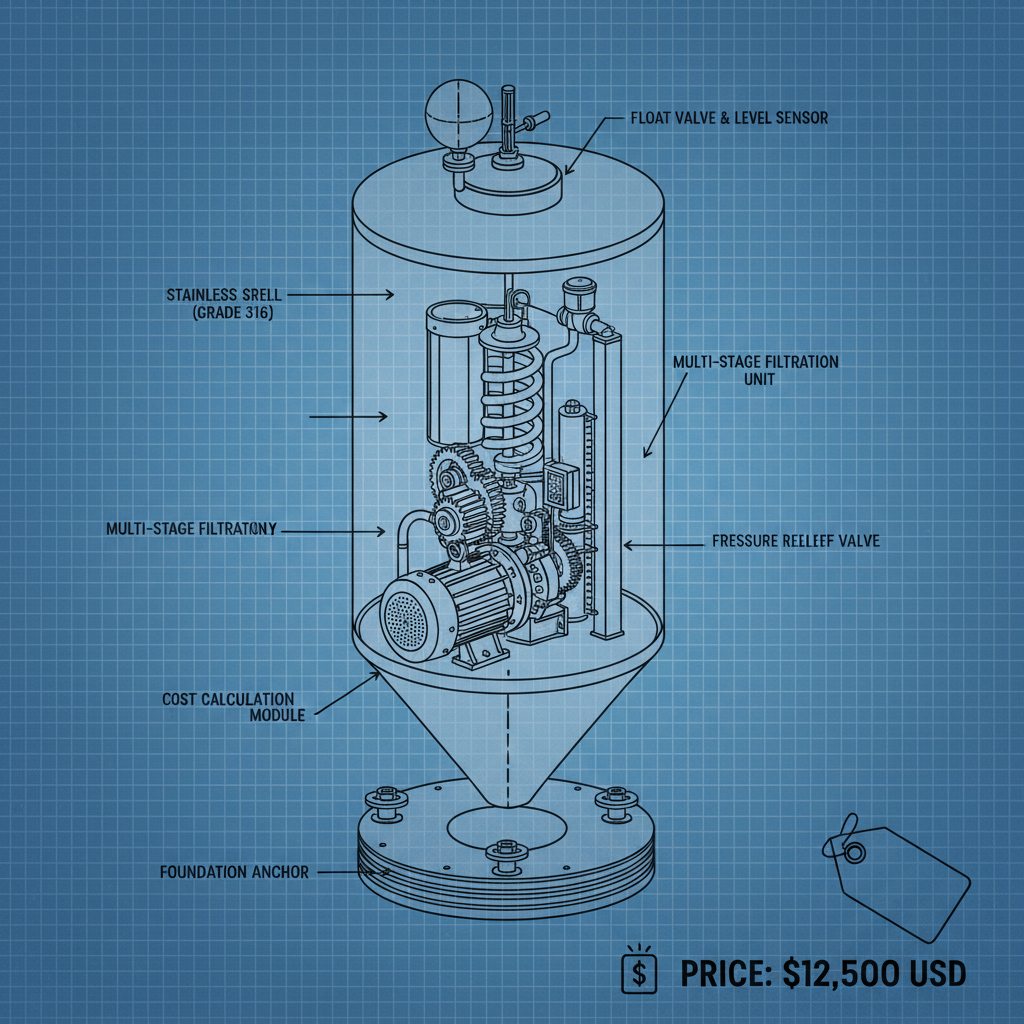
Several key factors contribute to the overall cost of a 10000 litre stainless steel water tank. The grade of stainless steel is paramount. 304 stainless steel is commonly used due to its excellent corrosion resistance, while 316 stainless steel offers superior resistance to chlorides and is often preferred for coastal environments or applications involving harsh chemicals. Tank thickness also plays a role; thicker gauge steel provides greater strength and longevity, but increases the price. Furthermore, features like tank fittings (inlet, outlet, overflow), access hatches, and level indicators will add to the total cost. Manufacturing complexity and supplier location also impact pricing.
Key Highlights: Stainless steel grade, tank thickness, fittings, and manufacturing complexity are the primary drivers of cost. Choosing the right grade and thickness for your application is vital for balancing cost and durability.
Stainless Steel Grades and Their Impact on Price
The type of stainless steel used significantly affects the price. 304 stainless steel is a common austenitic stainless steel known for its corrosion resistance, weldability, and formability. It is suitable for a wide range of applications and is generally less expensive than 316. 316 stainless steel, on the other hand, contains molybdenum, which enhances its corrosion resistance, particularly in chloride environments. This makes it ideal for coastal areas, chemical storage, and marine applications, but also results in a higher price point. Consider the environment the tank will be exposed to when deciding which grade is most appropriate for your needs.
Stainless Steel Grade Comparison:
• 304 Stainless Steel: Excellent corrosion resistance, cost-effective, versatile.
• 316 Stainless Steel: Superior corrosion resistance, ideal for harsh environments, higher cost.
Average Price Ranges for 10000 Litre Stainless Steel Water Tanks
The 10000 litre stainless steel water tank price can vary significantly. Here’s a general price guide, though it’s crucial to get a customized quote based on your specific requirements:
Additional Costs to Consider
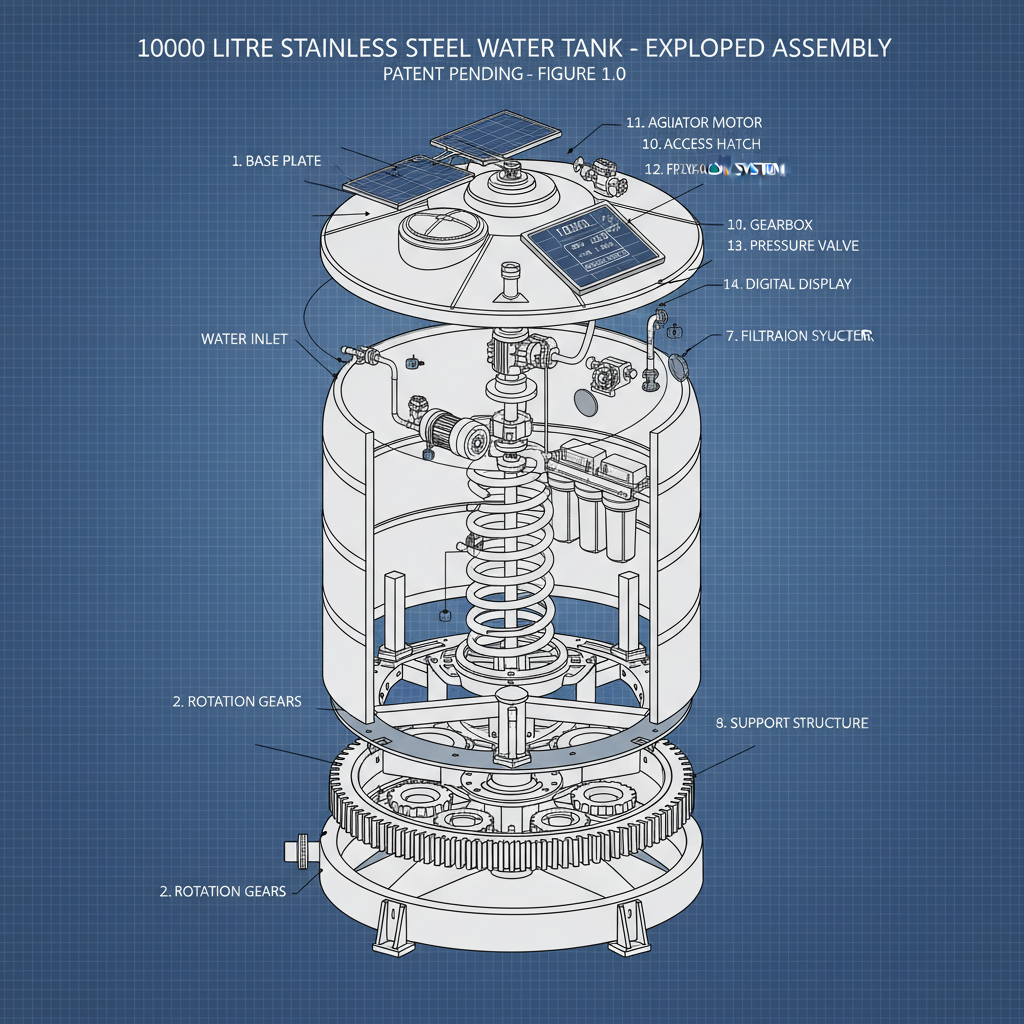
Beyond the base tank price, consider these additional costs: Shipping: Transporting a large stainless steel tank can be expensive, particularly over long distances. Installation: Professional installation ensures proper setup and compliance with local regulations. Foundation: A level and stable foundation is essential to support the weight of a full tank. Fittings & Accessories: Inlet, outlet, overflow, level sensors, and other accessories add to the total cost.
Choosing the Right Supplier
Selecting a reputable supplier is vital. Look for companies with a proven track record, positive customer reviews, and a commitment to quality. Longxuan FRP specializes in high-quality stainless steel water tanks and offers competitive pricing. Request multiple quotes and compare specifications before making a decision. Ensure the supplier provides warranties and after-sales support.
Conclusion: Finding the Best Value for Your 10000 Litre Stainless Steel Water Tank
Investing in a 10000 litre stainless steel water tank is a significant decision. By understanding the factors that influence price, choosing the right grade of stainless steel, and selecting a reliable supplier like Longxuan FRP, you can ensure you get the best value for your money and a durable, long-lasting solution for your water storage needs.
Frequently Asked Questions (FAQs)
What is the typical lifespan of a stainless steel water tank?
With proper maintenance, a stainless steel water tank can last for 30 years or more. The lifespan depends on the grade of stainless steel, the water quality, and the frequency of cleaning and inspections. Regular cleaning prevents the buildup of sediment and corrosion. Inspecting the tank for any signs of damage, such as leaks or pitting, is also crucial. Proper installation and a stable foundation contribute to a longer lifespan.
What maintenance is required for a stainless steel water tank?
Regular maintenance includes periodic cleaning to remove sediment and prevent the growth of bacteria. The frequency of cleaning depends on the water source and quality. Inspect the tank annually for signs of corrosion, leaks, or damage to fittings. Check the inlet and outlet connections for any looseness or deterioration. Ensure the tank’s overflow pipe is clear and functioning properly. Avoid using abrasive cleaners, as they can damage the stainless steel surface.
Do stainless steel water tanks require special foundations?
Yes, stainless steel water tanks, especially larger ones like a 10000 litre tank, require a solid, level foundation. The foundation must be capable of supporting the weight of the full tank. Common foundation options include a concrete slab or a compacted gravel base. Consult with a structural engineer to ensure the foundation is adequate for your specific site conditions and tank size. Improper foundations can lead to tank failure.
What are the advantages of stainless steel over other tank materials?
Stainless steel offers several advantages over other tank materials like plastic or galvanized steel. It is incredibly durable, corrosion-resistant, and hygienic. Stainless steel doesn’t leach harmful chemicals into the water, making it ideal for potable water storage. It also has a longer lifespan and requires less maintenance than other materials. While the initial cost may be higher, the long-term benefits and durability of stainless steel often make it a more cost-effective choice.






Address
20 Xingyuan South Street, Zaoqiang County, Hengshui City, Hebei Province, China


