



We Are Open 24 Hours a Day, 7 Days a Week, Including Weekends and Public Holidays.

Comprehensive Guide to the 40 Gallon Stainless Steel Water Tank: Benefits, Uses & Buying Tips
Understanding the 40 Gallon Stainless Steel Water Tank: A Modern Essential
In today’s world, access to safe and reliable water storage solutions is more than just convenient—it's often a matter of survival, sustainability, and efficiency. The 40 gallon stainless steel water tank has emerged as a powerful tool across multiple industries, humanitarian efforts, and even residential settings worldwide. But why does this fairly specific piece of equipment hold such global significance? Frankly, it’s about durability, hygiene, and adaptability—qualities that perfectly align with growing water security needs and modern infrastructure standards.
Global Context: Why This Tank Matters
Water demand is surging due to population growth, urbanization, and climate change stresses. According to the United Nations, approximately 2.2 billion people lack safely managed drinking water services (UN-Water, 2021). That’s where practical, durable storage like the 40 gallon stainless steel water tank becomes critical. Even in developed areas, industries from food processing to pharmaceuticals require hygienic water storage. These tanks tackle challenges like contamination, corrosion, and space constraints.
Oddly enough, while plastic tanks are cheaper, they don't always meet the strict standards required for long-term, safe water storage or industrial use—something stainless steel excels at owing to its non-porous surface and corrosion resistance.
What Is a 40 Gallon Stainless Steel Water Tank?
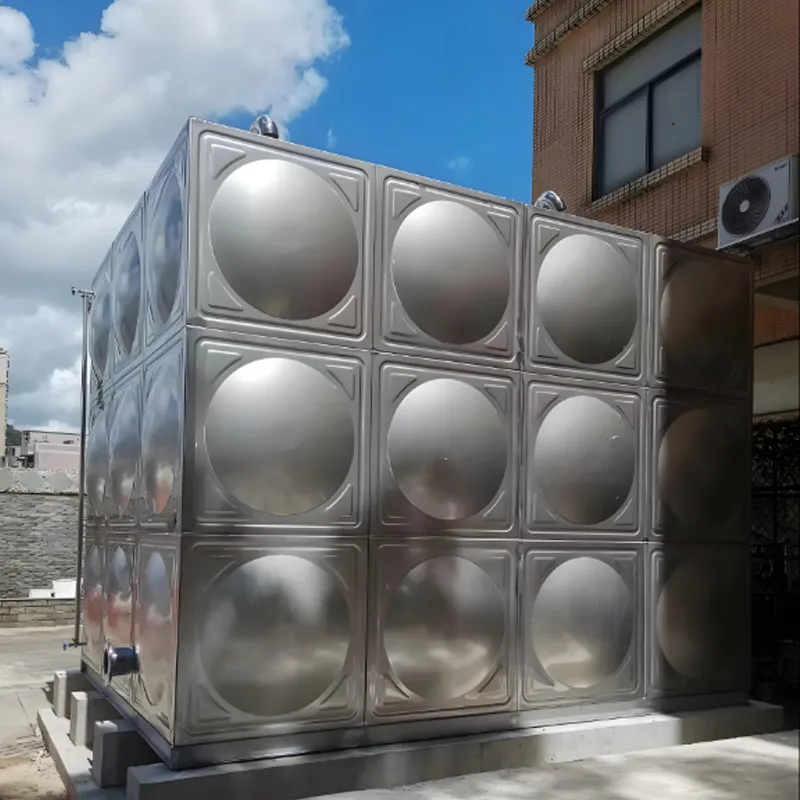
Plainly put, it’s a water container made of stainless steel that holds roughly 40 gallons (~150 liters) of liquid. This volume tends to be ideal for small-to-medium scale applications—say, a remote workshop, an emergency relief camp, or a compact food processing unit. Stainless steel means it resists rust, microbial growth, and chemical reactions, making it hygienic and durable.
In modern industry and humanitarian setups, these tanks represent a confluence of practicality and longevity. They’re linked to efficient water management systems that support both immediate and long-term needs—fresh water storage, rainwater harvesting, or even safe cooking water storage in disaster zones.
Key Features to Know
Durability
Stainless steel tanks resist corrosion unlike plastics or mild steel. They stand up to UV, temperature swings, and impacts. Some engineers I spoke with noted these tanks often last 20+ years with minimal maintenance—important for infrastructure in harsh climates.
Hygiene & Safety
Non-porous and easy to clean, stainless steel tanks prevent bacteria buildup. This quality makes them a staple in food-grade and medical industries, where contamination risks aren’t options.
Compact & Scalable Size
The 40 gallon size strikes a balance between portability and capacity. It suits contexts where water use is moderate but consistent, for example, field kitchens or construction sites without large-scale water tanks.
Cost Efficiency
While pricier upfront than plastic, long-term savings come from durability and reduced replacement frequency.
Environmental Considerations
Stainless steel is fully recyclable, reducing environmental footprint—a critical consideration with rising regulations globally.
Product Specifications: Typical 40 Gallon Stainless Steel Water Tank
| Specification | Details |
|---|---|
| Capacity | 40 gallons (approx. 150 liters) |
| Material Grade | 304 or 316 Stainless Steel (food grade) |
| Dimensions | Approx. 24" diameter × 26" height (varies by manufacturer) |
| Weight (empty) | ~22 kg (48 lbs) |
| Connections | 1" inlet/outlet ports, optional sensor ports |
| Certifications | NSF, FDA compliant coatings available |
Global Applications & Use Cases
- Emergency Relief: NGOs use these tanks in disaster-stricken areas for rapid deployment of potable water storage, given their rugged transportability and hygiene.
- Remote Industrial Sites: Mining or oil extraction often occurs far from infrastructure; 40 gallon tanks store process water or drinking water on-site.
- Food & Beverage Industry: For precise water storage in breweries or bakeries needing contamination-free reservoirs.
- Residential Rainwater Harvesting: In urban or semi-rural homes aiming to recycle water sustainably.
For example, I read about a small-scale food producer in Scandinavia choosing the 40 gallon stainless steel tanks for their ease of cleaning and compliance with strict EU hygienic standards. Pretty neat, right?
Vendor Comparison: Popular 40 Gallon Stainless Steel Water Tanks
| Vendor | Material Grade | Price Range (USD) | Lead Time | Warranty |
|---|---|---|---|---|
| Longxuan FRP | 316 Stainless Steel | $450 - $600 | 2-3 weeks | 5 years |
| SteelSafe Co. | 304 Stainless Steel | $400 - $550 | 3-4 weeks | 3 years |
| AquaPro Tanks | 316L Stainless Steel | $480 - $620 | 1-2 weeks | 4 years |
Advantages & Long-Term Value
The choice of a 40 gallon stainless steel water tank isn’t just about size—it’s about embracing a sustainable, hygienic, and trusted solution that lasts. Over time, the initial higher investment rewards users with:
- Reduced replacements: Tanks last decades vs. plastic alternatives.
- Better water quality: Less risk of chemical leaching or odor.
- Environmental Impact: Stainless steel is recyclable, reducing landfill waste.
- Peace of Mind: For industries with strict safety compliance, these tanks meet and often exceed standards.
For individuals and organizations alike, the tanks deliver a subtle but powerful assurance—water stored safely, available reliably, and handled responsibly.
Future Trends & Innovations
Looking ahead, the stainless steel water tank landscape is evolving with smart tech integration. Sensor-equipped tanks now monitor water quality remotely, alerting users to contamination or low levels. Coupled with solar-powered pumps and IoT connectivity, these systems fit nicely into the broader framework of smart water management. Additionally, advances in antimicrobial coatings are helping further reduce biofilm formation—a tiny but noteworthy win.
Challenges & Practical Solutions
No solution is perfect. Stainless steel tanks can be heavy and costly upfront which sometimes limits use in remote or low-budget projects. But modular designs and hybrid composites are helping reduce weight without sacrificing durability. Also, ensuring consistent welding quality is essential to prevent leaks or weak points—something reputable manufacturers like Longxuan FRP specialize in.
FAQ: Your Burning Questions About 40 Gallon Stainless Steel Water Tanks
- Q1: How long will a 40 gallon stainless steel water tank last under normal conditions?
- A1: Generally, these tanks last 15–25 years, depending on maintenance and environment. Their corrosion resistance greatly extends lifespan compared to alternatives, especially when used indoors or shaded.
- Q2: Can the tank be used for storing potable drinking water?
- A2: Absolutely. When made from food-grade stainless steel (304 or 316), these tanks meet strict potable water storage standards without imparting taste or contaminants.
- Q3: Is installation complicated?
- A3: Not usually. Their manageable size allows simple placement and connection by a small crew, often without specialized equipment.
- Q4: Are stainless steel tanks environmentally friendly?
- A4: Yes. Stainless steel is recyclable and has a lower environmental impact over its lifecycle compared to plastics or non-recyclable composites.
- Q5: How do you clean and maintain these tanks?
- A5: Cleaning involves periodic rinsing with mild detergents and sanitizing agents. Their smooth surface minimizes biofilm buildup, reducing cleaning frequency.
Conclusion: Why Invest in a 40 Gallon Stainless Steel Water Tank?
To sum it up: whether you're in the humanitarian field, an industrial operator, or a homeowner looking for a reliable water storage solution, the 40 gallon stainless steel water tank offers unmatched longevity, safety, and adaptability. Its role—quiet but pivotal—in securing water accessibility touches lives globally. For those wanting to invest in quality and peace of mind, consider visiting Longxuan FRP to explore tailored options.
Sometimes, water is more than a resource—it's a trust kept in steel and care.
Takeaway: Investing in durable, hygienic water storage like the 40 gallon stainless steel tank is both a smart business decision and a step towards sustainable water stewardship.
- United Nations. (2021). “Water” UN-Water. https://www.unwater.org/water-facts/scarcity/
- ISO 9001 Standards for stainless steel manufacturing. https://www.iso.org/iso-9001-quality-management.html
- U.S. FDA Food Contact Substances Guidelines. https://www.fda.gov/food/food-ingredients-packaging/food-contact-substances-food-contact-materials






Address
20 Xingyuan South Street, Zaoqiang County, Hengshui City, Hebei Province, China


