



We Are Open 24 Hours a Day, 7 Days a Week, Including Weekends and Public Holidays.

Comprehensive Guide to Square Water Tank 1000 Ltr Size: Features, Uses & Trends
Understanding the Square Water Tank 1000 Ltr Size: A Practical Guide
Water storage solutions, particularly the square water tank 1000 ltr size, have quietly become a backbone of both urban and rural water management worldwide. Whether it’s supplying clean drinking water in a remote village, aiding relief efforts in disaster zones, or supporting industrial operations, these tanks meet a diversity of needs that arguably make them indispensable.
Globally, access to safe and reliable water storage remains a pressing challenge. The United Nations estimates that 2 billion people lack safe drinking water at home (1). That’s where a robust, easy-to-install tank of known capacity—like the 1000-liter square tank—can make a genuine difference. Understanding these tanks’ dimensions, material benefits, and applications helps communities, businesses, and NGOs design more effective water systems.
What Is a Square Water Tank 1000 Ltr Size?
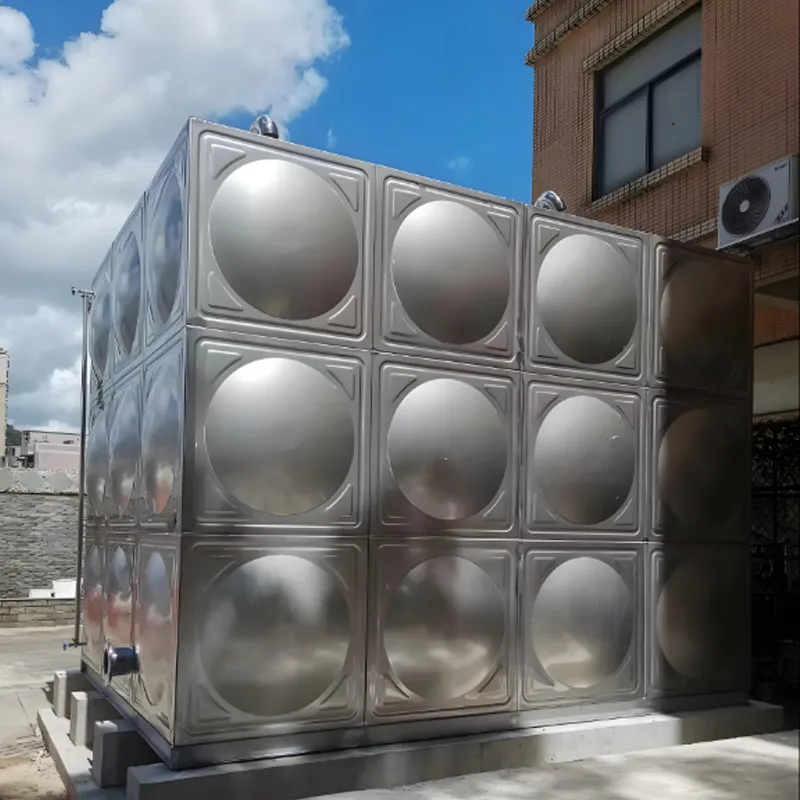
Simply put, it’s a water storage container designed in a square or rectangular shape, holding around 1000 liters (approximately 264 gallons). The square design is more than just aesthetic; it optimizes space usage compared to round tanks. In many regions, you’ll find these tanks made from food-grade plastic, fiber-reinforced plastic (FRP), or steel, depending on usage and budget.
They serve as primary reservoirs or intermediate storage units in households, farms, industries, and emergency relief setups. Given the broad use cases, these tanks are often customized for durability, portability, and water safety standards.
Key Features of Square Water Tanks 1000 Ltr Size
1. Durability and Material Strength
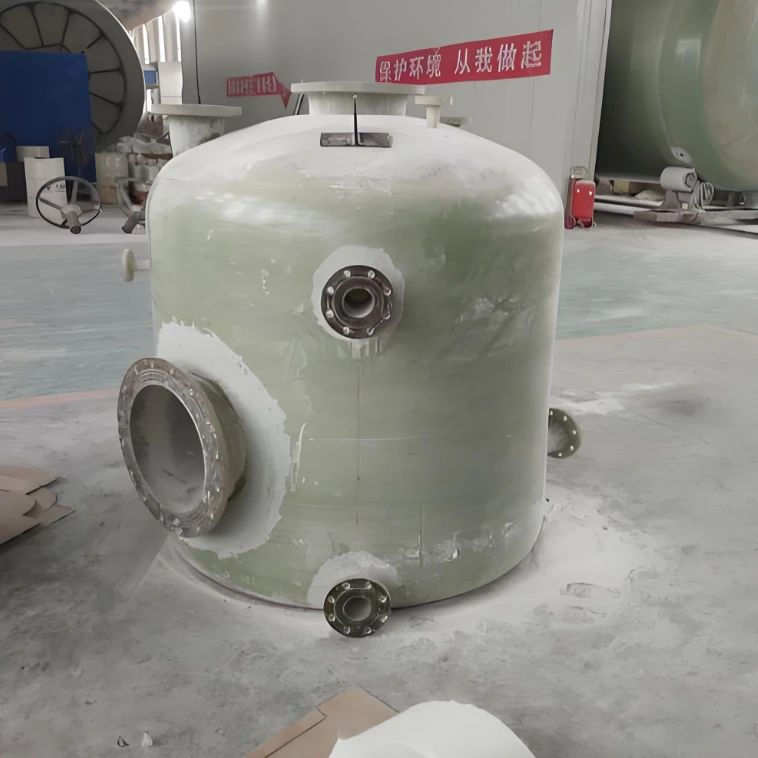
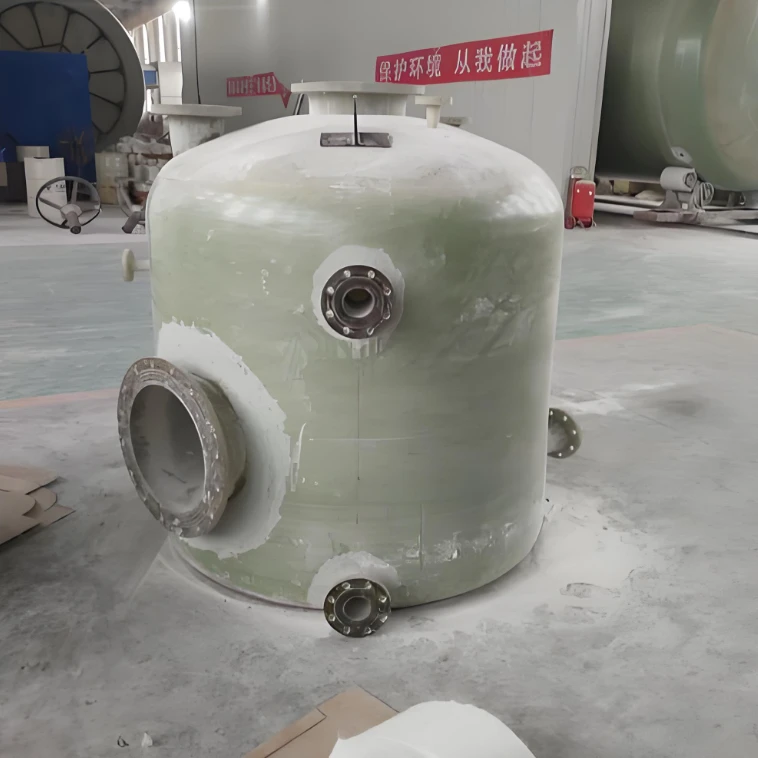
Most 1000-liter square tanks use high-density polyethylene (HDPE) or fiber-reinforced plastic, offering UV resistance and chemical inertness. This means tanks last longer, even under harsh sunlight or corrosive environments.
2. Space Efficiency
The square profile fits snugly into corners or flat surfaces, allowing better stacking and installation in confined spaces, unlike bulky round tanks that often waste precious real estate.
3. Cost-Effectiveness
These tanks balance manufacturing costs and longevity. While steel options might cost more upfront, plastic tanks reduce maintenance expenses.
4. Portability and Installation
Relatively lightweight and modular designs make transportation and setup faster, which matters for rapid deployment in disaster zones or industrial sites.
5. Water Quality and Safety
Food-grade materials ensure stored water remains safe for consumption without contamination risks.
Product Specifications for a Typical Square Water Tank 1000 Ltr Size
| Specification | Details |
|---|---|
| Capacity | 1000 liters (264 gallons) |
| Dimensions (WxDxH) | Approximately 1.2m x 1.2m x 1.0m |
| Material | HDPE or FRP (fiber-reinforced plastic) |
| Weight (empty) | Approximately 30–45 kg |
| Color Options | Blue, Green, Black (UV-resistant pigment) |
| Certifications | ISO 9001, NSF Food Safety Certification (varies by vendor) |
Comparing Popular Vendors of 1000 Ltr Square Water Tanks
| Vendor | Material | Warranty | Lead Time | Price Range (USD) |
|---|---|---|---|---|
| Longxuan FRP | Fiber Reinforced Plastic | 5 years | 1–2 weeks | $180–$220 |
| AquaSafe Tanks | HDPE | 3 years | 2–3 weeks | $150–$200 |
| SafeH2O Corp. | Stainless Steel | 7 years | 3–4 weeks | $300–$350 |
Global Applications and Examples
The square water tank 1000 ltr size has found favor in diverse environments. For example, in Southeast Asia’s flood-prone areas, secure water storage is essential during monsoon seasons. NGOs use these tanks to provide portable, clean water in refugee camps or post-disaster relief operations.
Industrially, remote mining or construction sites often require on-site water storage for both drinking and operational needs. The compact square tank fits into the often-limited space at these sites, helping maintain smooth operations.
Even urban dwellers with limited rooftop space often choose square tanks to maximize storage without sacrificing precious meters of their terrace.
Advantages and Long-Term Value
- Cost Savings: Durable materials reduce frequent replacement costs.
- Sustainability: Many tanks are recyclable or made from eco-friendly plastics.
- Safety and Trust: Food-grade certifications ensure water purity, fostering community trust.
- Space Optimization: Allows better use of limited space, especially in dense urban areas.
- Versatility: Suitable for domestic, agricultural, commercial, and emergency functions.
Frankly, the combination of practicality and reliable capacity makes these tanks a quiet hero in many water management scenarios.
Future Trends and Innovations
Looking ahead, the industry is seeing trends like integration of IoT sensors to monitor water levels and quality remotely. Imagine a smart tank that alerts you when water is due for replacement or cleaning, enhancing maintenance and hygiene efforts.
Material science innovations are also pushing for ultra-lightweight yet stronger composites, which could further reduce transportation costs and improve durability.
There’s also growing interest in solar-powered filtration systems attached to these tanks, making water treatment more accessible off-grid. Sustainability remains a key driver behind these innovations.
Challenges & Solutions
Still, we shouldn’t ignore some challenges: UV degradation over many years, microplastic contamination from cheaper plastics, and vandalism or theft in less secure locations.
Experts recommend routine inspections and choosing vendors with solid warranties to mitigate risks. Innovations in anti-UV coatings and tamper-proof fittings are increasingly common as solutions.
Frequently Asked Questions About Square Water Tank 1000 Ltr Size
- Q1: How much space do I need to install a 1000 ltr square water tank?
- A 1000-liter square tank usually requires a flat base area of around 1.2m by 1.2m. It’s compact enough for most rooftops or yard spaces, but ensure there’s sturdy support to hold roughly 1000 kg when full.
- Q2: What materials are safest for drinking water storage?
- Food-grade HDPE and fiber-reinforced plastics certified by ISO or NSF are typically safest. Stainless steel tanks are also safe but cost more.
- Q3: Can these tanks be used outdoors in extreme climates?
- Yes, especially if they’re UV-resistant and designed for thermal expansion. Some tanks have insulating layers to prevent freezing or overheating.
- Q4: How long does a typical 1000 ltr water tank last?
- With proper maintenance, plastic tanks can last 10–15 years, while stainless steel or FRP tanks may last longer.
- Q5: Are there customization options available?
- Yes, many vendors offer customized fittings, colors, and sizes. For example, Longxuan FRP tanks can have extra nozzles or UV filters added upon request.
Conclusion
In real terms, the square water tank 1000 ltr size strikes a balance between capacity, convenience, and cost, making it widely adaptable to a variety of water storage challenges worldwide. From emergency relief camps to urban homes and industrial sites, these tanks reliably safeguard one of our most essential resources.
If you want to explore more or consider your options, do visit Longxuan FRP for in-depth product info and vendor support. After all, water storage isn’t just about holding water — it’s about securing sustainability for communities everywhere.
Takeaway: Investing in a quality square water tank today can ease tomorrow’s water worries.
References:
1. United Nations, “Water and Sanitation,” UN Water, unwater.org
2. ISO, “Water Quality — Sampling,” ISO 5667 series,
3. World Bank, “Water Supply and Sanitation,” worldbank.org






Address
20 Xingyuan South Street, Zaoqiang County, Hengshui City, Hebei Province, China


