



We Are Open 24 Hours a Day, 7 Days a Week, Including Weekends and Public Holidays.

Comprehensive Guide to 500 Litre Square Water Tank Size – Specs, Uses, and Global Importance
Understanding the 500 Litre Square Water Tank Size: What You Need to Know
Water storage solutions are more critical today than ever before — whether for homes, industrial sites, or emergency responses. Among the many choices available, the 500 litre square water tank size stands out as a practical, versatile option. It typically balances capacity with ease of transport and installation, making it relevant worldwide, especially in regions facing water scarcity or sudden demand surges.
Why does this matter globally? The United Nations notes that around 2.2 billion people worldwide lack reliable access to safe drinking water (1). Efficient water storage, such as that provided by tanks sized around 500 litres, plays a vital role in ensuring daily water availability. Understanding the specifics of this tank size means optimizing water storage for households, small factories, and humanitarian aid programs.
Introduction: Global Context and Challenges
Water infrastructure varies wildly across regions and industries. According to the World Bank, roughly 71% of the global population has safely managed drinking water services, but that leaves billions who depend on supplemental storage like water tanks (2). The 500 litre square water tank size fits many niche needs — it's neither too bulky nor too limited.
Industries with sporadic water supply, agricultural setups, and urban households often grapple with storage capacity decisions. One common challenge is finding tanks that maximize volume without occupying excessive floor space. This is where the square shape comes into play; it’s a smart design trick to make installation easier in tight quarters. But, choosing the right tank size isn't just about volume — materials, durability, and cost also matter.
What Exactly Is the 500 Litre Square Water Tank Size?
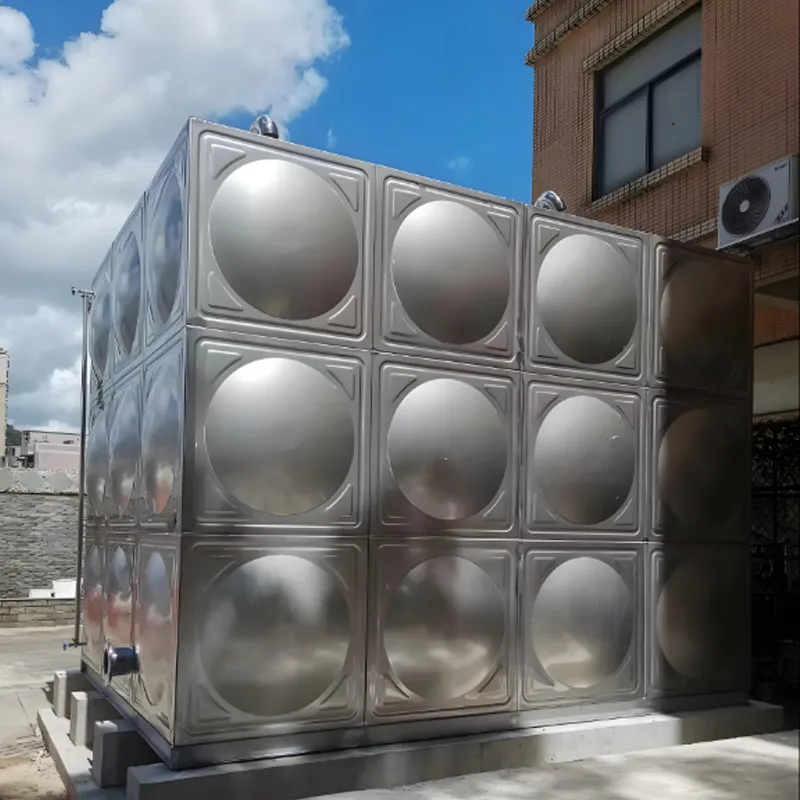
Put simply, a 500 litre square water tank offers a water storage volume of about 500 liters (around 132 gallons) in a shape defined by four equal straight sides and typically matching height, width, and length dimensions that optimize both space and capacity. This contrasts with cylindrical tanks, which are common but often less space-efficient in small or constrained areas.
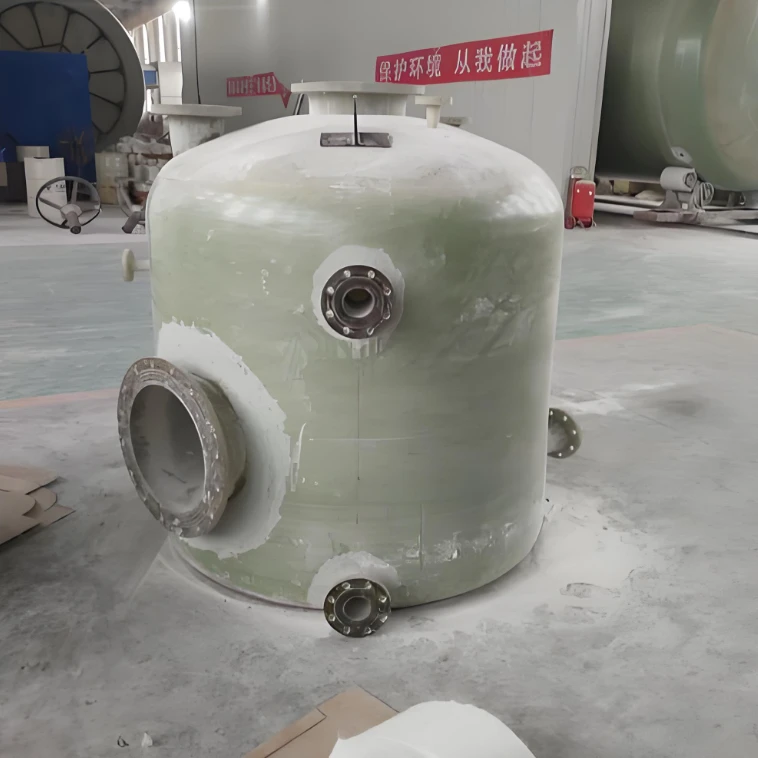
In humanitarian efforts or modern industry, these tanks serve as modular, easy-to-transport reservoirs. They might be constructed from polyethylene, fiberglass, or other water-safe plastics. Their design reflects both functional water storage and the engineering need for sturdiness, weather resistance, and ease of maintenance.
Key Factors to Consider When Choosing a 500 Litre Square Water Tank
1. Durability and Material Quality
Tanks made from UV-stabilized polyethylene resist cracking and degradation in sun-exposed environments. Fiberglass tanks offer excellent chemical resistance, though sometimes at higher cost. Longevity matters — especially if you’re in regions with harsh weather.
2. Space Efficiency & Design
Oddly enough, the square shape means better use of corner spots or containers, unlike round tanks that waste floor space with their curves. This makes the 500 litre square water tank size a favorite in urban or industrial settings where every centimeter counts.
3. Portability & Installation Ease
At around 500 litres, these tanks strike a balance — not so heavy or bulky that you need cranes, but substantial enough to avoid frequent refilling. Many come with built-in lifting points or stackable features.
4. Cost Efficiency
Price points vary with material and features, but many suppliers offer competitive ranges for this capacity. It’s an investment that balances initial cost, maintenance, and long-term water access benefits.
5. Compatibility with Accessories
Think taps, overflow systems, filters, and even solar-powered level sensors. Customizability often makes the difference in real-world applications.
Product Specification: Typical 500 Litre Square Water Tank
| Specification | Details |
|---|---|
| Capacity | 500 litres (132 gallons) |
| Shape | Square / Cuboid |
| Material | UV-stabilized polyethylene / Fiberglass |
| Dimensions (approx.) | 80 x 80 x 80 cm (varies by design) |
| Weight (empty) | Around 15–20 kg |
| Color Options | Blue, Black, White (to limit algae growth) |
Global Applications & Use Cases
- Disaster Relief: In flood or drought-prone areas, 500 litre square tanks provide emergency water storage capacity for displaced families, NGOs, and field hospitals.
- Agriculture: Small-scale farms often use these tanks for drip irrigation systems or livestock watering — where larger tanks are either impractical or unnecessary.
- Urban Housing: Many urban households in water-stressed countries use square tanks on rooftops to store municipal water during shortage periods.
- Industrial Sites: Remote sites, like mining operations, rely on modular tanks for process water, with easy stacking and transport capabilities.
For instance, in parts of Southeast Asia, NGOs distribute 500 litre square tanks to families to improve water security during seasonal shortages. This size hits a sweet spot — enough capacity to last 2–3 days without water, yet manageable enough for rooftop placement (500 litre square water tank size reference).
Vendor Comparison: Top 3 Suppliers for 500 Litre Square Water Tanks
| Feature | LongXuan FRP | AquaSafe | PolyWater Inc. |
|---|---|---|---|
| Material | Fiberglass | Polyethylene | Polyethylene |
| UV Resistance | High | Moderate | High |
| Weight (empty) | ~18 kg | ~15 kg | ~16 kg |
| Warranty | 5 years | 3 years | 4 years |
| Cost (USD approx.) | $150 | $140 | $145 |
Advantages and Long-Term Value of 500 Litre Square Water Tanks
Choosing a 500 litre square water tank makes sense for many reasons beyond its immediate capacity. For one, the sustainability angle: these tanks often employ recyclable plastics or durable composite materials extending lifespan, lessening waste. From a social perspective, consistent water access imparts dignity, health, and peace of mind — all priceless benefits.
Logic meets emotion here, oddly enough. People feel secure knowing they have stored water during supply interruptions, which reduces anxiety and boosts productivity, families can cook and clean hygienically, and farm workers maintain crops without interruption. LongXuan’s durable fiberglass tanks, for instance, have a five-year warranty, which speaks trust about their reliability.
Emerging Trends in Water Tank Technology
Looking ahead, innovations are steering these tanks into the digital age. Expect solar-powered water level sensors becoming standard to track storage remotely. Materials synthesis continues to improve — greener plastics, self-cleaning surfaces, and enhanced UV resistance. Smart automation could integrate tanks into broader IoT water management systems, optimizing consumption & refill cycles.
Policies encouraging sustainable water management (e.g., ISO 24512) also push industry toward eco-friendly designs and improved safety standards (3). You know, it's not just about storing water anymore, but managing it cleverly.
Challenges and Expert Tips
Of course, no solution is perfect. One common challenge is algae growth inside translucent tanks, which can be mitigated by adding UV blockers or choosing dark-colored models. Installation on uneven surfaces could cause structural stress, so foundation checks are key. Frankly, these tanks need periodic inspection to avoid leaks or contamination.
Innovation-wise, modular interlocking tanks help scale storage when needs grow, and automated pumps can reduce manual intervention. Many engineers recommend coupling tanks with filtration for potable water use — a small addition that elevates safety dramatically.
FAQs About 500 Litre Square Water Tanks
- Q: How much space does a 500 litre square water tank typically require?
- A: Most tanks measure roughly 80cm x 80cm x 80cm, so around 0.5 square meters footprint—ideal for rooftops or small yards.
- Q: Can these tanks be used for drinking water?
- A: Yes, if made with food-grade materials and properly maintained, they are safe for potable water storage.
- Q: How frequently should I clean the tank?
- A: Ideally every 6–12 months to prevent sediment buildup and algae, especially in warm climates.
- Q: Are these tanks resistant to extreme weather?
- A: UV-stabilized materials cope well with sun exposure; however, securing tanks against winds is advisable.
- Q: How scalable is this tank size for larger needs?
- A: You can often connect multiple tanks in series or clusters for expanded capacity without complex plumbing.
Conclusion: Why This Tank Size Matters
In the grand scheme, understanding the 500 litre square water tank size is a small but essential step toward better water management globally. Its versatile, space-efficient profile suits many users—industrial, agricultural, and humanitarian alike. Long-term advantages span from economic savings to improved quality of life. If you’re looking to ensure reliable water storage, it’s worth exploring these tanks more deeply.
For tailored advice or to explore our robust range, visit our website: https://www.longxuanfrp.com
Takeaway: Sometimes, the best innovation is simply combining smart design with practical capacity — that’s what a 500 litre square water tank offers in spades.
References






Address
20 Xingyuan South Street, Zaoqiang County, Hengshui City, Hebei Province, China


