



We Are Open 24 Hours a Day, 7 Days a Week, Including Weekends and Public Holidays.


Comprehensive Guide to Square Water Tank 100 Ltr Price and Applications
Understanding Square Water Tank 100 Ltr Price: A Practical Guide
Water storage solutions might not be the most glamorous topic, but when you consider their crucial role worldwide, especially square water tanks, it’s clear they deserve closer attention. The square water tank 100 ltr price is a figure investors, homeowners, and industry professionals watch closely, as it directly impacts water management efficiency and budgeting. Globally, access to safe and reliable water storage is an ongoing challenge, influenced by economics, climate variability, and infrastructure gaps. Understanding these tanks’ costs and value helps organizations plan better and communities stay hydrated.
Introduction: Why Square Water Tank 100 Ltr Price Matters Globally
From rural villages in Sub-Saharan Africa to sprawling urban centers in Asia, the demand for affordable and reliable water storage keeps climbing. According to the United Nations, nearly 2.2 billion people globally lack safely managed drinking water services (1). Compact solutions like square water tanks of 100 liters are essential for households, small farms, and emergency kits. The price of these tanks affects not only household budgets but also large-scale humanitarian and industrial projects. Because water is heavy and bulky to transport, the economic decisions around tank purchase and deployment have far-reaching implications, including sustainability and water preservation.
Defining the Square Water Tank 100 Ltr Price
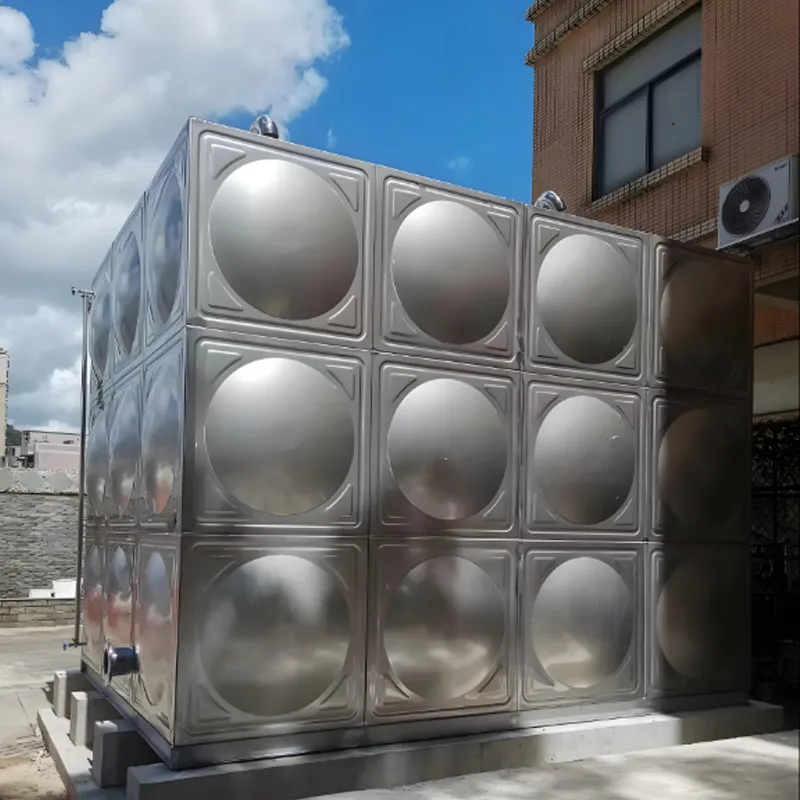
Simply put, a square water tank 100 ltr price refers to the cost of acquiring a square-shaped water storage container that holds approximately 100 liters of water. This specification is popular because it balances portability and capacity. Unlike cylindrical tanks, square tanks often maximize space when stored or stacked and can be easier to place in compact environments. These tanks play a vital role in sectors like agriculture—for drip irrigation storage—urban households, and disaster relief efforts.
Key Factors Influencing Square Water Tank 100 Ltr Price
1. Material Quality and Durability
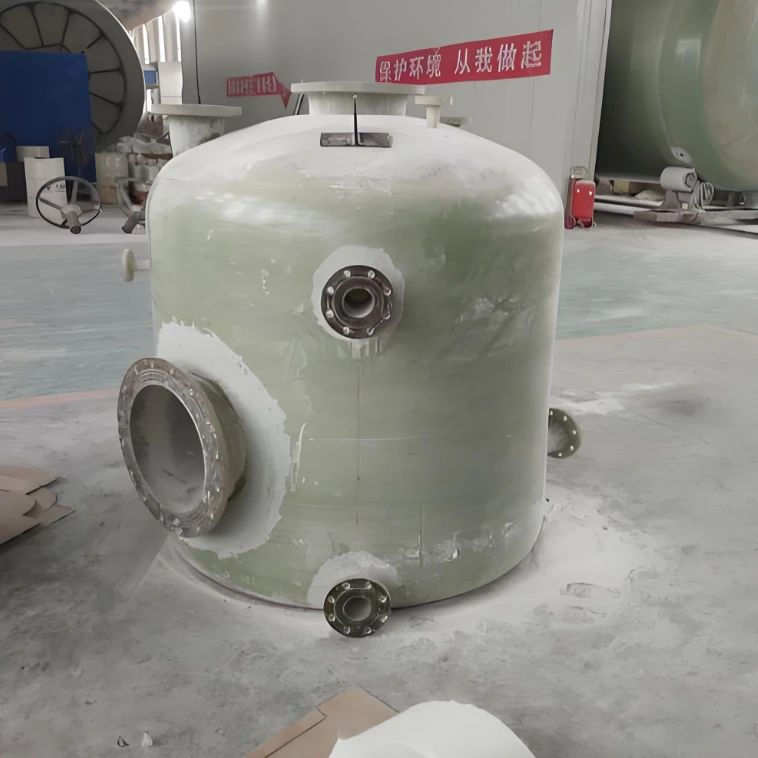
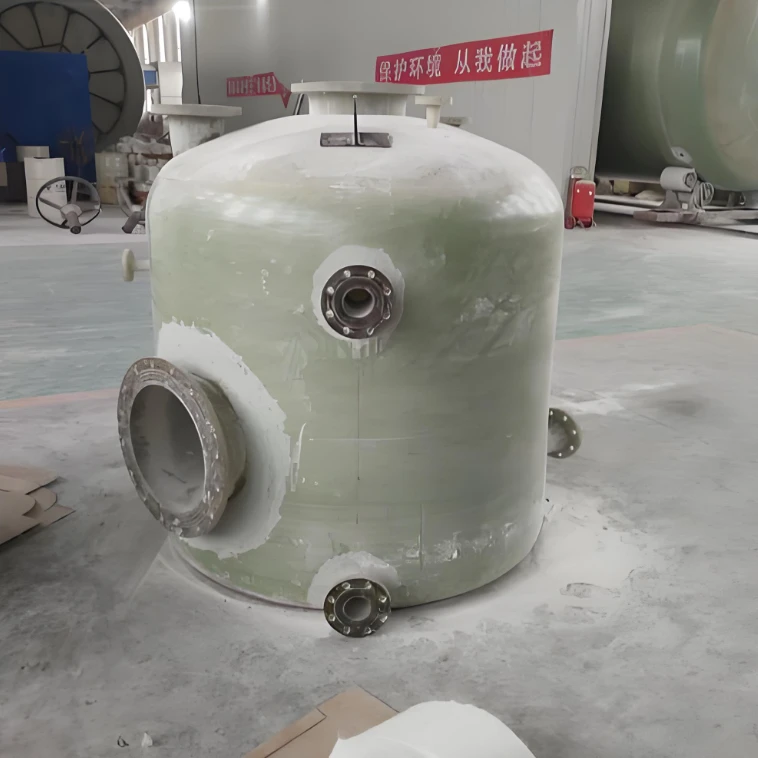
Materials such as food-grade polyethylene, galvanized steel, and fiberglass resin influence durability and, naturally, price. Polyethylene is common for its resistance to UV rays and chemicals, yet not as sturdy as steel tanks which cost more upfront but last longer. Durability means fewer replacements—an essential factor in long-term budgeting.
2. Design and Manufacturing Technique
The manufacturing process—rotational molding versus blow molding—affects the tank thickness and uniformity, which impacts price. Tanks designed with reinforced corners and modular stacking features may cost a bit more but add value in real-world use.
3. Supplier Location and Logistics
Interestingly, the shipping and handling costs often make up a significant chunk of the final price, especially in remote or less-developed regions. Efficient vendor networks or local manufacturers can tip the balance in cost savings.
4. Added Features
Accessories like lids, outlet valves, antibacterial coatings, or customization options also influence the price. For specialized needs—like potable water tanks—these extras matter.
Global Applications & Use Cases
In real terms, these tanks have a surprisingly broad spectrum of uses:
- Humanitarian Relief: In post-disaster zones, small tanks become temporary, clean water sources. Their affordable price means NGOs can stockpile and deploy quickly.
- Agriculture: For micro-irrigation and livestock watering in drought-prone regions.
- Urban Housing: Homes in high-density neighborhoods use these tanks for daily drinking and cooking water storage due to their compact footprint.
- Industrial & Construction Sites: On-site temporarily storing water or chemicals safely.
For instance, in parts of India and Nigeria, local governments subsidize these tanks to encourage rainwater harvesting—cutting the urban water deficit noticeably (2).
Advantages & Long-Term Value
Cost-wise, the square water tank 100 ltr price typically ranges from $20 to $40 depending on quality and vendor. Considering how many families struggle with water insecurity, that’s a small investment for daily safety and dignity.
It’s not just money. The design’s stability reduces tipping risk, especially important with children around. Long-term UV and chemical resistance means fewer replacements and less waste, aligning with sustainability goals.
Comparing Vendors: Key Players at a Glance
| Vendor | Price (USD) | Material | Shipment Reach | Warranty |
|---|---|---|---|---|
| LongXuan FRP | $25 - $30 | Fiberglass reinforced plastic | Global | 5 years |
| AquaSafe Co. | $22 - $28 | HDPE | Select Regions | 3 years |
| EcoTank Solutions | $30 - $40 | Recycled HDPE | National | 4 years |
Future Trends & Innovations
The humble 100-liter square tank is evolving. Modern innovations focus on integrating smart sensors that track water levels remotely. There’s growing interest in bioplastics and recycled materials to reduce environmental footprints, alongside more UV-resistant coatings to extend product life. In fact, automation in filling and filtration add layers of convenience and water safety, particularly in urban settings.
Challenges & Expert Solutions
Common issues include scratches or damage during transit, leading to leakage, and sometimes delayed deliveries in remote regions. But many vendors, including LongXuan FRP, offer robust packaging solutions and fast global shipment options to minimize these hurdles. On the technical front, enhanced quality testing before shipment improves reliability, so the tanks last well beyond the expected lifespan.
FAQ: Your Square Water Tank 100 Ltr Price Questions Answered
Q1: What factors affect the price of a 100 liter square water tank?
A1: The main aspects include material quality (HDPE vs. fiberglass), manufacturing technique, added features like UV-resistance, and your location relative to the supplier. Vendors who use recycled materials might offer better prices but slightly different durability profiles.
Q2: How durable are most 100-liter square tanks for outdoor use?
A2: Many tanks, especially those with UV inhibitors, are rated for 5+ years of outdoor use under normal environmental conditions. That said, extreme climates may reduce lifespan unless you choose specialized coatings.
Q3: Is buying a square tank more space-efficient than a round one?
A3: Generally, yes. Square tanks utilize volume more efficiently in tight spaces and stack better for transportation. This can influence both installation ease and cost savings.
Q4: Can these tanks be customized with fittings or outlets?
A4: Absolutely. Most vendors, including LongXuan FRP, offer options for custom valves, lids, and even antibacterial coatings, depending on your specific needs.
Q5: Where can I get affordable square water tanks with reliable warranty?
A5: Vendors like LongXuan FRP provide a good balance of cost-efficiency and warranty coverage (up to 5 years), backed by strong global shipping capabilities, making them a dependable choice.
Conclusion: Embrace Practical Water Storage Today
To sum it up, knowing your square water tank 100 ltr price is more than just about numbers; it’s an investment in safety, reliability, and long-term sustainability. Whether for emergency preparedness, agriculture, or daily urban living, these tanks offer an adaptable solution that’s efficient and affordable. If you’re exploring options, check out trusted suppliers like LongXuan FRP for competitively priced, quality tanks designed to meet diverse needs.
Happy water storing — because every drop counts.
References:
1. United Nations, Water for Sustainable Development: https://www.un.org/waterforlifedecade
2. Rainwater Harvesting in Urban Settings - World Bank Report, 2021
3. ISO Standard for Plastic Water Tanks - ISO 17885:2017






Address
20 Xingyuan South Street, Zaoqiang County, Hengshui City, Hebei Province, China


