



We Are Open 24 Hours a Day, 7 Days a Week, Including Weekends and Public Holidays.

Comprehensive Guide to Square Shape Water Tank Price: Key Factors & Global Insights
Understanding Square Shape Water Tank Price: What You Need to Know
When you first hear the phrase square shape water tank price, it might sound like just another product specification. But honestly, it’s a topic with global resonance—and not just for companies buying equipment. Water storage solutions, especially those with square designs, are becoming essential components in industries ranging from agriculture to disaster relief. Understanding the price and factors behind these tanks helps stakeholders plan smarter, stay sustainable, and meet ever-growing water demands.
Why Does Square Shape Water Tank Price Matter Globally?
Water scarcity is a mounting challenge worldwide. According to the UN, an estimated 2.2 billion people lack access to safely managed drinking water services. This sobering statistic shines a light on how crucial effective water storage is. Square water tanks have emerged as practical options because they often maximize space efficiency compared to round tanks—and price-wise, they can be surprisingly competitive.
But what drives the variations in square shape water tank price? That’s the puzzle manufacturers, suppliers, and users alike wrestle with. At its core, the price reflects material quality, design robustness, capacity, and local market conditions. Figuring this out means better budgeting and choosing tanks that won’t fail when demand peaks.
What Is “Square Shape Water Tank Price”?
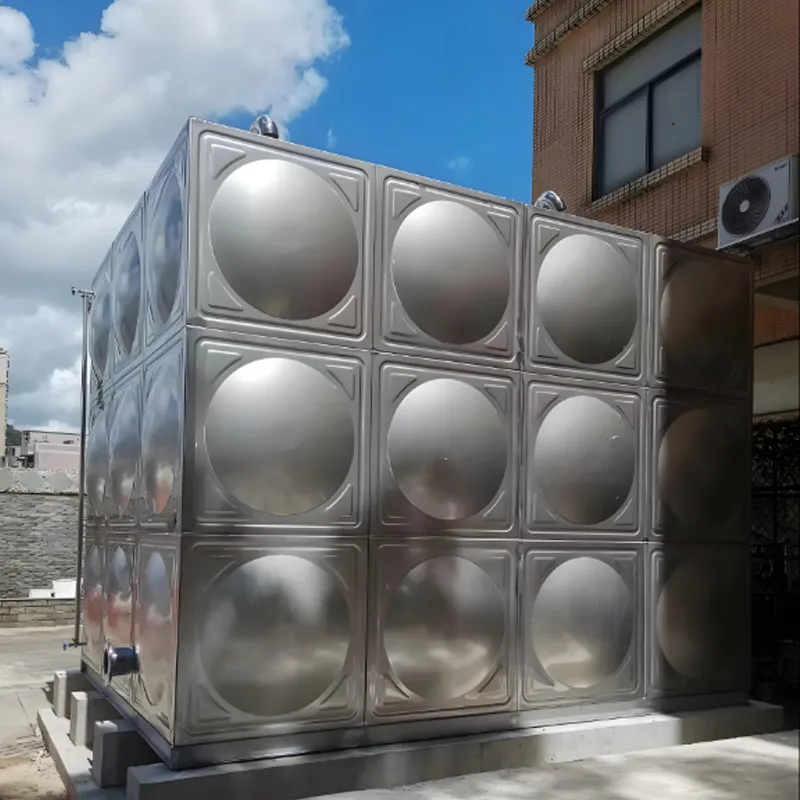
Simply put, square shape water tank price refers to the cost you pay to purchase a water tank designed—obviously—in a square or rectangular form. Unlike circular tanks favored for ease of manufacturing, square tanks offer distinct advantages such as easier modular stacking and optimized footprint use.
For humanitarian needs or industries where floor space is precious—think urban farms or emergency shelters—knowing this price tag and what influences it helps logistics planners stay ahead. These tanks store and regulate water used in irrigation, sanitation projects, or even firefighting reserves. So, the price isn’t just about dollars; it’s about dependable water access.
Core Components Affecting Square Shape Water Tank Price
1. Material & Durability
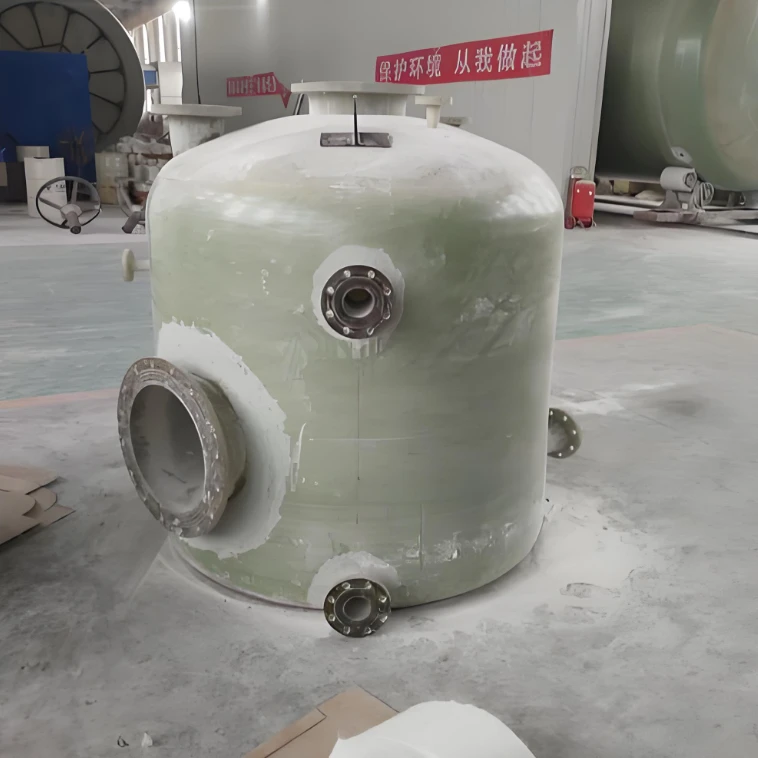
From polyethylene (PE) to fiberglass reinforced plastic (FRP), the material dramatically impacts cost. FRP tanks, for example, are lightweight yet tough, resistant to corrosion and UV damage. Engineers often say these last longer under harsh conditions, reducing replacement frequency. Naturally, higher durability bumps up the price but can lower lifetime expenses.
2. Capacity & Dimensions
Price scales with size. But square tanks’ shape can lead to cost-efficiency—for a given volume, a square tank fits better in confined spaces, translating into less structural support needed. Oddly enough, this spatial advantage sometimes balances out the slightly more intricate manufacturing compared to round tanks.
3. Manufacturing Process & Quality Control
High-end fabrication often involves precision molding, stress testing, and strict ISO certification adherence. Such thoroughness can raise initial prices but ensures safety and reduces leakage risk—a critical factor for water storage.
4. Installation & Maintenance Requirements
Price doesn’t end at purchase. Installation costs depend on tank weight and site accessibility. Plus, some tanks come with integrated fittings or modular assembly systems that ease setup, represented in the overall price. Maintenance-friendly designs save money long term.
5. Vendor Location & Logistics
Shipping bulky tanks internationally inflates costs. Local manufacturers may offer better prices but might have limitations in tech or material quality. This factor can swing the square shape water tank price significantly depending on your country or region.
Mini takeaway: When considering square water tanks, price variations boil down to materials, size, build complexity, and shipping—each shaping what you ultimately pay.
Product Specification Snapshot
| Feature | Typical Range or Detail |
|---|---|
| Material | Polyethylene (PE) / Fiberglass Reinforced Plastic (FRP) |
| Capacity | 500 - 10,000 Liters |
| Shape | Square or Rectangular |
| Typical Lifespan | 10-25 years (depending on material & environment) |
| Installation | Modular, onsite or pre-assembled options |
Global Applications & Use Cases
Square shape water tanks are everywhere—from urban agriculture in Europe, storing rainwater for irrigation, to emergency water reserves in Africa’s drought-prone regions. NGOs deploying disaster relief kits appreciate their stackability and sturdiness.
Industrial zones in Asia that experience erratic water supplies use these tanks to buffer overnight production. Meanwhile, in North America, municipalities increasingly install compact modular tanks in residential zones to supplement municipal systems during drought.
Vendor Comparison: Leading Providers of Square Water Tanks
| Vendor | Material Options | Price Range (USD) | Key Advantage |
|---|---|---|---|
| Longxuan FRP | FRP | $800 - $5000 | Durability & Custom Designs square shape water tank price |
| PolyTanks Inc. | Polyethylene | $600 - $4000 | Cost Effective for Mid-Range Volumes |
| Global Storage Solutions | Steel Reinforced Plastic | $1200 - $6000 | High Pressure Tolerance |
Advantages & Long-Term Value
- Cost & Investment: While upfront costs might be higher than simple round tanks, square tanks often save money by maximizing space and reducing infrastructure needs.
- Sustainability: Many tanks use recyclable or UV-resistant materials that extend life and reduce waste.
- Social Impact: Reliable water storage promotes hygiene and dignity, crucial during emergencies.
- Reliability: Designed for tough environments, these tanks reduce leaks and contamination risks.
Emotionally, having a dependable water tank means peace of mind—knowing that the vital liquid you rely on won’t vanish just when you need it the most.
Future Trends & Innovations
Looking ahead, smart water tanks embedded with sensors for level monitoring and leak detection are becoming a thing. Green energy integration, such as solar-powered pumps paired with tanks, is another exciting frontier. Materials research points to bio-based plastics or enhanced composites that further improve durability with less environmental footprint.
Policymakers, especially in water-stressed regions, are increasingly incentivizing water storage infrastructure with subsidies or tax breaks, which indirectly affects the affordability of square shape water tanks.
Challenges & Solutions
Challenges remain, though. Transporting large tanks to remote locations can be costly and complicated. Some users report difficulties sourcing locally due to uneven vendor quality. Maintenance knowledge gaps also sometimes shorten tank lifespans prematurely.
However, modular designs that break down for shipping or on-site assembly kits are helping. Educational efforts and standards enforcement improve user handling, ensuring you make the most of your investment.
FAQ: Your Questions About Square Shape Water Tank Price
- Q1: What factors most affect the price of a square shape water tank?
- A1: Material choice (FRP, polyethylene), tank size, manufacturing quality, and logistics mainly drive the price. Additionally, installation complexity and vendor location can adjust costs.
- Q2: Are square water tanks more cost-effective than round ones?
- A2: For certain applications, yes. Square tanks use space more efficiently, reducing the area and structure needed. Although manufacturing costs can be higher, overall project expenses often favor square tanks.
- Q3: How long can I expect a square shape water tank to last?
- A3: Lifespans vary by material and usage conditions. FRP tanks can last 20+ years with proper maintenance, while polyethylene might be closer to 10-15 years under harsh sunlight.
- Q4: Can square shape water tanks be customized?
- A4: Definitely. Many manufacturers offer modular or custom sizes, colors, and fittings to fit unique site requirements. This flexibility is a strong selling point.
- Q5: Where can I find competitive square shape water tank prices?
- A5: Check local suppliers for cost savings on shipping. Companies like Longxuan FRP provide durable options with transparent pricing—see square shape water tank price for details.
Conclusion: Why Understanding Square Shape Water Tank Price Matters
The straightforward answer: knowing the ins and outs of square shape water tank price saves you money, time, and headaches while ensuring reliable water storage. Beyond cost, it’s about investing in infrastructure that supports health, industry, and resilience—globally. If you’re interested in sourcing dependable tanks, I’d recommend visiting our website for detailed pricing, technical specs, and expert advice.
In the long run, smarter water storage choices like square tanks can help communities thrive, industries flourish, and ecosystems sustain.
Quick takeaway: Don’t just look at the sticker price. Think about durability, space efficiency, and lifecycle cost—the true value of square shape water tanks.
References






Address
20 Xingyuan South Street, Zaoqiang County, Hengshui City, Hebei Province, China


