



We Are Open 24 Hours a Day, 7 Days a Week, Including Weekends and Public Holidays.

Comprehensive Guide to 200 Gallon Stainless Steel Water Tanks: Features, Benefits & Uses
Understanding the 200 Gallon Stainless Steel Water Tank: A Vital Resource for Global Water Storage
Water storage is one of those topics that sounds simple until you really think about its global importance. The 200 gallon stainless steel water tank might seem like just another bulky container, but its role in various industries, humanitarian efforts, and environmental sustainability is anything but trivial. At about 750 liters, this tank size hits a perfect balance for scalability, durability, and ease of deployment — and that matters worldwide, especially as water security challenges mount.
Whether you’re looking at industrial sites, rural water projects, or emergency relief scenarios, understanding what makes this particular tank stand out can unlock smarter infrastructure choices. The benefits ripple through cost efficiency, environmental resilience, and long-term water safety. Let’s break it down together.
Global Context: Why Stainless Steel Water Tanks Matter Now
In a world where nearly 2.2 billion people lack access to safely managed drinking water (WHO, 2023), storage solutions become a cornerstone of progress. The World Bank notes that industrial water demand is expected to increase by over 400% by 2050, underscoring the need for reliable storage technologies.
Steel tanks, especially stainless steel ones, are praised for their longevity and resistance to contamination compared to plastic or concrete alternatives. Oddly enough, stainless steel tanks, including the 200 gallon models, provide a middle ground: they aren’t so massive that they require specialized infrastructure but still offer practical volumes for everything from small factories to hospital emergency supplies.
What Exactly Is a 200 Gallon Stainless Steel Water Tank?
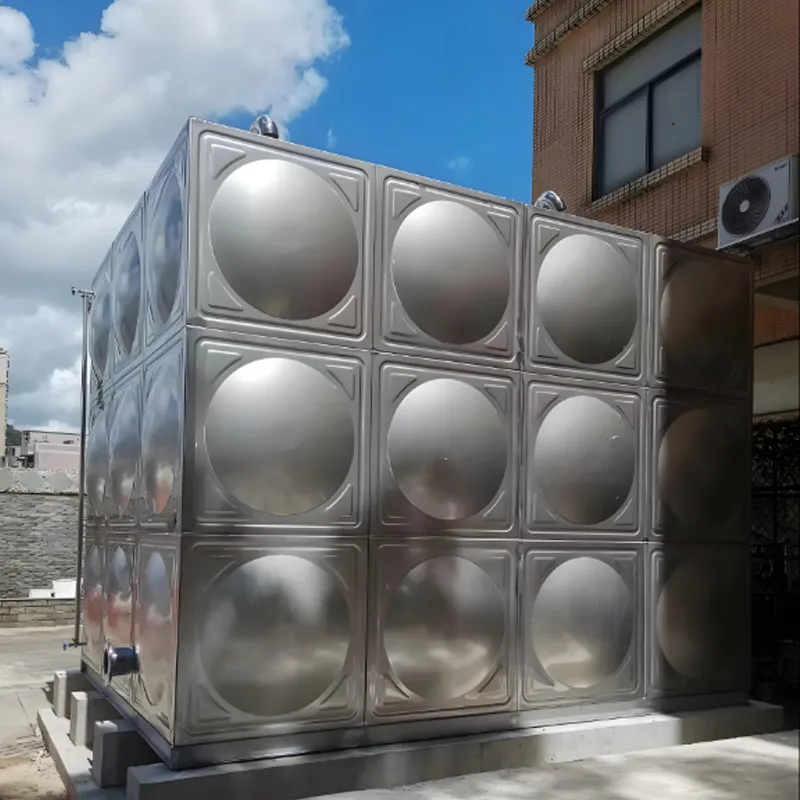
Simply put, a 200 gallon stainless steel water tank is a cylindrical container made of corrosion-resistant stainless steel designed to safely store about 200 gallons (~757 liters) of water. It’s commonly used where durable, hygienic water storage is crucial — think industrial plants, agricultural sites, or emergency water supply.
This tank size is widely favored because it’s large enough to meet modest water demands but small and portable enough for relatively straightforward installation and maintenance. You can almost think of it like a versatile “workhorse” in water management, bridging small-scale needs and larger operational demands.
Core Features of a 200 Gallon Stainless Steel Water Tank
- Durability: Stainless steel’s corrosion resistance ensures long-term use without the tank degrading or contaminating the water.
- Hygiene: The non-porous surface keeps water pure and is easy to clean, significantly reducing bacterial growth.
- Portability: At 200 gallons, these tanks are often compact enough for easier transport and installation than larger units.
- Versatility: Suitable for potable water, chemical storage, or agricultural use, depending on design specifics.
- Cost Efficiency: While initial cost is higher than plastic, longevity and low maintenance make it cost-effective over time.
- Scalability: Multiple tanks can be linked for larger storage needs, offering modular expansion capabilities.
These features aren’t just theoretical — they translate directly into real-world reliability and safety, which frankly, is what many engineers and NGOs say matters most.
Typical Specifications of a 200 Gallon Stainless Steel Water Tank
| Specification | Value |
|---|---|
| Capacity | 200 gallons / 757 liters |
| Material | 304 or 316 Stainless Steel |
| Corrosion Resistance | High (Resistant to rust and chemicals) |
| Dimensions (approx.) | 36" Diameter x 50" Height |
| Weight (empty) | 150-200 lbs (68-91 kg) |
| Operating Temperature | -20°C to 120°C (-4°F to 248°F) |
How and Where Are These Tanks Used Globally?
You might have guessed that industrial factories in the U.S. or Europe use these tanks, and yes, they certainly do. But surprisingly, these tanks are a quiet hero in many places: remote mining operations in Australia, rice farms in Southeast Asia, and even refugee camps in parts of Africa. Check out this snippet:
- Post-disaster relief: NGOs deploy 200 gallon stainless steel water tanks to store potable water safely in earthquake and hurricane zones, where infrastructure is damaged but clean water is urgently needed.
- Rural agriculture: In dry regions, farmers use these for drip irrigation, maximizing water utility without contamination.
- Industrial use: Chemical plants and breweries rely on stainless steel for its inert nature and longevity, making the 200-gallon size perfect for startup scalability.
So, it’s not a one-trick pony; the tank adapts, and it’s proving incredibly useful across continents and sectors.
Advantages and Lasting Value
Here is where we can get pretty enthusiastic — because the advantages of a 200 gallon stainless steel water tank aren't just about specs. They’re about trust and safety. The long-term cost savings from avoiding leaks, rust-based contamination, or premature replacement make this option feel like an investment rather than an expense. You gain peace of mind knowing that the water you store retains high quality, which is vital for health and industrial consistency.
Emotionally, using reliable tanks can feel empowering, especially in water-scarce areas — safety and dignity go hand in hand. Sustainability-wise, stainless steel is recyclable and often made from recycled materials, contributing to circular economies.
Innovations and Future Outlook
Believe it or not, the stainless steel water tank isn’t stuck in the past. Future trends include integrating IoT sensors for real-time monitoring to prevent leaks or contamination without manual checks. Some companies are experimenting with anti-microbial coatings, while others push for ultra-lightweight stainless alloys to enhance portability.
Green energy policies are encouraging solar-powered water pumps coupled with these tanks. In the next decade, digital transformation in water management — smart maintenance, predictive analytics — will likely become standard in quality tanks like the 200 gallon stainless steel versions.
Common Challenges and Expert Tips
Cost is often the main sticking point. Stainless steel tanks can demand more upfront than plastic, which deters budget-sensitive projects. Also, welding and installation require skilled labor. However, modular designs and prefab tanks are becoming more widespread, which lowers these hurdles.
Rust-proof but not rust-immune, tanks still require periodic checks especially in coastal or highly acidic environments. To mitigate this, experts recommend passivation treatments and localized inspections.
Vendor Comparison: Popular Manufacturers of 200 Gallon Stainless Steel Tanks
| Vendor | Material Grade | Lead Time | Typical Applications | Price Range |
|---|---|---|---|---|
| Longxuan FRP | 304 / 316 Stainless Steel | 2-3 weeks | Water storage, chemical plants | $$$ |
| SteelSafe Tanks | 316 Stainless Steel (food grade) | 4-5 weeks | Pharmaceutical, food industry | $$$$ |
| AquaStor Co. | 304 Stainless Steel | 3 weeks | Agriculture, irrigation | $$ |
Frequently Asked Questions About 200 Gallon Stainless Steel Water Tanks
- How long does a 200 gallon stainless steel water tank last?
- With proper maintenance, these tanks can last 20-30 years or more due to stainless steel’s corrosion resistance and structural integrity.
- Is a stainless steel tank better than plastic for water storage?
- It depends on usage. Stainless steel tanks resist corrosion, don’t leach chemicals, and have longer lifespans, making them ideal for potable water or industrial use despite higher costs.
- Can these tanks be customized with fittings and accessories?
- Yes. Most vendors offer options like level indicators, valves, insulation, and automation-ready sensors tailored to your needs.
- Are stainless steel tanks suitable for outdoor installation?
- Absolutely. They withstand UV exposure, temperature variations, and weathering far better than plastic, making them great for outdoor use.
Conclusion: Investing in a 200 Gallon Stainless Steel Water Tank Is a Smart Choice
In real terms, opting for a 200 gallon stainless steel water tank is like choosing a trusted partner in water management — durable, hygienic, and versatile enough for diverse applications globally. They solve practical problems and bring confidence in water storage safety. For businesses, humanitarian groups, and farmers alike, such tanks represent a responsible, sustainable option that pays dividends over time.
Curious to explore your options? Visit our website at https://www.longxuanfrp.com to see high-quality products and expert guidance tailored for your water storage needs.
It’s fascinating how something as seemingly simple as a tank can carry so much potential — I suppose it just reminds me that infrastructure matters everywhere, from bustling cities to the most remote villages.
References






Address
20 Xingyuan South Street, Zaoqiang County, Hengshui City, Hebei Province, China


