



We Are Open 24 Hours a Day, 7 Days a Week, Including Weekends and Public Holidays.

200 Litre Stainless Steel Water Tank – Durable, Hygienic & Sustainable Water Storage Solutions
Understanding the 200 Litre Stainless Steel Water Tank: Durable, Efficient, and Globally Relevant
Water storage solutions are a surprisingly pivotal part of modern industry and humanitarian efforts worldwide. The 200 litre stainless steel water tank is one such solution that quietly but effectively addresses challenges in water management—from remote industrial sites to disaster relief zones. Why should anyone care? Because reliable water tanks directly impact health, safety, and operational efficiency. Knowing what makes these tanks tick unlocks sustainability and cost-effectiveness in many contexts.
Introduction: The Global Importance of 200 Litre Stainless Steel Water Tanks
Access to clean water remains a pressing global issue. According to the World Health Organization, nearly 2 billion people lack safely managed drinking water services. Water tanks, specifically the 200 litre stainless steel water tank, provide a dependable way to store and preserve water quality on-site. Whether it’s industries in harsh climates or emergency responders in flood-prone regions, these tanks are quietly essential.
However, challenges like corrosion, contamination, and logistical hurdles often stand in the way of effective water storage. Stainless steel tanks, with their durable and hygienic properties, tackle these problems head-on. Frankly, their robustness makes them a preferred choice over plastic or concrete alternatives.
What Exactly Is a 200 Litre Stainless Steel Water Tank?
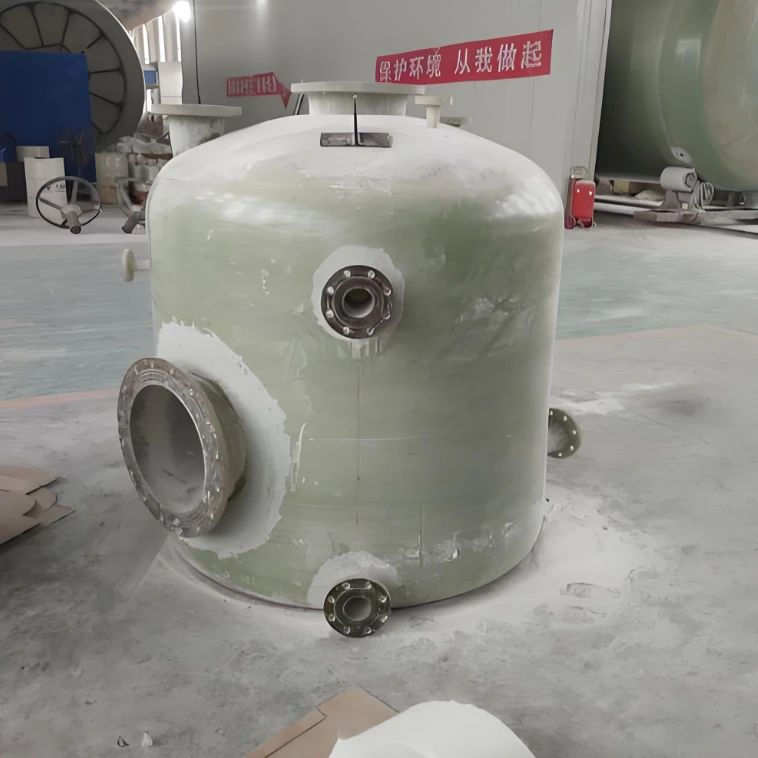
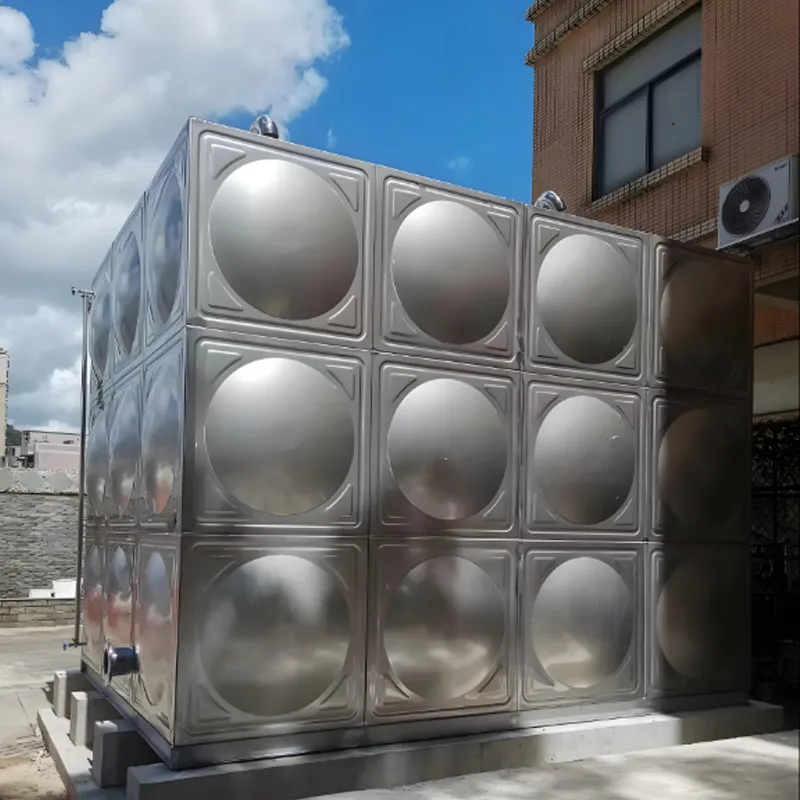
At its core, a 200 litre stainless steel water tank is a container designed to safely store 200 litres of water using stainless steel as the primary material. This means it resists rust and contamination much better than standard steel. These tanks serve multiple roles—from storing potable water in homes and industries to supplying clean water during humanitarian missions.
They’re part of a larger narrative around sustainable water management and industrial hygiene, ensuring clean water availability with minimal maintenance. So, they're not just bulky containers but vital components of modern infrastructure.
Key Features and Core Components
1. Durability
The stainless steel construction stands out for its resistance to corrosion, even in aggressive environments. I noticed in harsh coastal industrial zones, they last years longer than typical tanks.
2. Hygiene & Safety
Because stainless steel is non-porous, bacteria and algae find it hard to grow inside these tanks. This keeps water clean without constant chemical treatment, ideal for healthcare or food industries.
3. Portability and Size
The 200-litre size balances capacity and convenience. It’s perfect for small-scale setups or mobile applications like field hospitals or remote sites.
4. Cost Efficiency
While upfront cost may be higher than plastics, its longevity and low maintenance result in lower lifecycle costs (more on that later).
5. Environmental Sustainability
Stainless steel is 100% recyclable. When the tank reaches end-of-life, materials can be fully reclaimed—this resonates with growing eco-conscious procurement policies.
| Specification | Detail |
|---|---|
| Capacity | 200 litres (approx. 53 gallons) |
| Material | 304 or 316 grade stainless steel |
| Dimensions | Typically 60 cm diameter x 80 cm height (varies by model) |
| Weight (empty) | Approximately 15–20 kg |
| Connections | Inlet/outlet ports with sanitary fittings |
| Usage Temperature | -20°C to +120°C |
Global Applications & Use Cases
- Industrial facilities: Manufacturing plants require corrosion-resistant tanks to store process or potable water.
- Disaster relief: NGOs deploy these tanks to store clean water in flood-hit or drought-affected areas, sometimes combined with purification kits.
- Agriculture: Small farms in arid regions use them for drip irrigation water storage, optimizing scarce resources.
- Residential settings: In places with intermittent water supply, households rely on these for safe indoor water storage.
Oddly enough, in cold or polar regions, these tanks are preferred for their resistance to cracking under freezing conditions. Organizations like the UN and Red Cross often stress stainless steel options in their water infrastructure guidelines.
Advantages & Long-Term Value
From a purely practical standpoint, they offer:
- Cost savings: Fewer replacements than plastic tanks means better value over 10+ years.
- Environmental benefit: Recyclability reduces landfill waste and aligns with ISO 14000 environmental standards.
- Health impact: Cleaner water reduces risk of waterborne diseases, a subtle but crucial social impact.
- Psychological comfort: Users often feel reassured knowing their water is stored in hygienic, non-toxic containers.
I suppose it’s more than just numbers—there’s that intangible trust factor when engineers or communities use these tanks.
Future Trends & Innovations
The stainless steel water tank space is evolving: manufacturers are integrating smart sensors for water level and quality monitoring, automating data collection for remote management. This fits into broader Industry 4.0 and Internet-of-Things (IoT) movements.
Material science is also advancing. Expect lighter alloys while maintaining corrosion resistance. Plus, solar-powered treatment units integrated with tanks can ensure water is not only stored but purified automatically.
Challenges & How Experts Address Them
Cost remains the biggest barrier—initially, stainless steel tanks are pricier than polyethylene versions. Also, welding quality and design flaws can lead to leaks if not done properly. That’s why certification to standards like ISO 9001 or sanitary certifications (NSF/ANSI 61) matters.
Fast deployment and modular design are solutions gaining traction for disaster zones. Vendors offering pre-fabricated, plug-and-play kits help overcome installation delays.
| Vendor | Price Range (USD) | Warranty | Additional Features |
|---|---|---|---|
| LongXuan FRP | $150 - $250 | 5 years | Sanitary fittings, sensor-ready models |
| GlobalSteel Tanks | $200 - $300 | 3 years | Custom sizing, insulated options |
| AquaSure Ltd. | $180 - $270 | 4 years | Modular connections, UV-resistant coating |
Frequently Asked Questions About 200 Litre Stainless Steel Water Tanks
- What are the benefits of choosing stainless steel over plastic water tanks?
- Stainless steel tanks offer greater durability, resist corrosion, inhibit bacterial growth, and have a longer lifespan compared to plastic tanks, which can degrade and leach chemicals over time.
- Can a 200 litre stainless steel water tank be used for hot water storage?
- Yes, most stainless steel tanks can safely store water up to 120°C, making them suitable for hot water storage in commercial or residential use.
- How often do these tanks require cleaning or maintenance?
- Due to their hygienic surfaces, cleaning intervals are typically longer—roughly once a year or as per local water quality standards—reducing operational downtime.
- Are stainless steel tanks environmentally friendly?
- Absolutely. Stainless steel is fully recyclable, reducing environmental impact, and these tanks require fewer replacements, lowering waste drastically.
- Is installation complicated for these tanks?
- Installation is generally straightforward but requires skilled welding and sealing for leak prevention. Many vendors offer pre-fabricated units to simplify field deployment.
Conclusion: The Long-Term Benefits of Investing in 200 Litre Stainless Steel Water Tanks
In real terms, the 200 litre stainless steel water tank represents a smart investment in water safety, environmental responsibility, and operational resilience. By balancing durability and hygiene, these tanks serve industries, communities, and humanitarian agencies alike. As water challenges grow with climate change and urbanization, these tanks will keep doing what they do best — store water safely, efficiently, and sustainably.
If you want to explore our range or request a quote, visit https://www.longxuanfrp.com. Making water safe and accessible shouldn’t have to wait, right?
Quick Reflection: The blend of time-tested materials and modern tech offers a promising future for water storage solutions. Keeping an eye on sustainable manufacturing and digital innovation will only make things better.
References:






Address
20 Xingyuan South Street, Zaoqiang County, Hengshui City, Hebei Province, China


