



We Are Open 24 Hours a Day, 7 Days a Week, Including Weekends and Public Holidays.

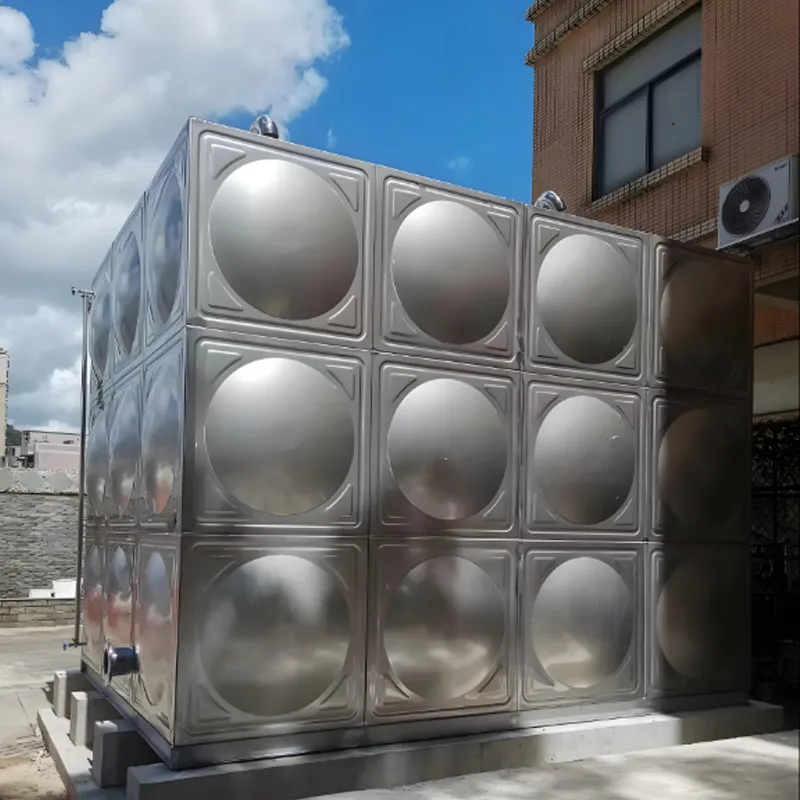
304 Stainless Steel Water Tank: Durable & Corrosion Resistant Solutions
Why a 304 Stainless Steel Water Tank Is Often the Smart Choice
Having spent a good chunk of my career dealing with industrial equipment—yes, the kind of gear you don’t always get to see unless you’re in the trenches—I’ve developed a soft spot for reliable materials that just “work.” Among them, 304 stainless steel water tanks stand out as unsung heroes in many industrial and commercial settings.
Before we get too technical, I want to share a small story. A few years back, a client in the food processing industry was struggling with water tanks that constantly corroded or affected water taste. When they switched to 304 stainless steel tanks, the difference was striking—not just in durability but also in maintenance costs. It feels like these tanks quietly do a lot of the heavy lifting behind the scenes.
So, what makes 304 stainless steel so special? In real terms, it’s all about composition and performance. This grade of stainless steel contains around 18-20% chromium and 8-10.5% nickel. That combo forms a thin passive film on the surface, naturally preventing rust and corrosion—which is exactly what you want in a water tank that needs to stay pristine for years. It’s also non-magnetic, easy to clean, and widely regarded by engineers for its balance of cost and performance.
Product Specifications at a Glance
| Feature | Specification |
|---|---|
| Material | 304 Stainless Steel (Austenitic) |
| Wall Thickness | 1.5 – 3.0 mm (customizable) |
| Capacity Range | 500L to 50,000L+ |
| Surface Finish | Mirror polish / sanded (optional) |
| Pressure Rating | Up to 1.5 MPa |
| Standards Compliance | ASTM A240, ISO 9001 certified production |
| Customization Options | Size, shape, inlet/outlet fittings, accessories |
Frankly, not all stainless steel tanks are created equal—some vendors cut corners or don’t have the rigorous quality checks you’d expect. In my experience, choosing the right supplier can be as important as choosing the correct material itself. Here’s a quick look comparing a few common suppliers of 304 stainless steel water tanks, based on industry chatter and verified specs:
| Vendor | Material Quality | Customization Options | Certifications | After-Sales Support |
|---|---|---|---|---|
| Longxuan FRP | Premium 304 SS, verified testing reports | Wide range—sizes, fittings, finishes | ISO 9001, ASTM compliant | Responsive with global support |
| Generic Supplier A | Standard 304 SS (may vary) | Limited customization | Mostly local certifications | Minimal after-sales contact |
| Company B | Variable quality; some reports pending | Moderate options | ISO 9001 certified | Standard support |
Oddly enough, some engineers still prefer carbon steel tanks for cost reasons—but I’ve noticed that over time, the benefits of 304 stainless steel, especially for water storage, often outweigh those initial savings. Less maintenance, no worries about corrosion contamination, and great longevity—really, that adds up.
Also worth noting is the environmental angle. Stainless steel is 100% recyclable, so these tanks have a smaller footprint compared to plastic or coated carbon steel alternatives. It’s something to keep in mind, especially when sustainable procurement policies are becoming more common across industries.
To sum it up, choosing a 304 stainless steel water tank isn’t just about picking a product—it’s about investing in reliability, quality, and peace of mind. Whether you’re in chemical processing, food and beverage, or municipal water treatment, the strength and versatility of these tanks can handle the task.
If you’re weighing options right now, I’d say don’t rush. Look closely at certifications, request testing documentation, and consider your specific needs. It’s kind of like picking a trusted partner—you’ll want to be confident long after the initial purchase.
Here’s to tanks that keep things flowing smoothly, no matter what.
References:
1. ASTM A240 Specification for Stainless Steel Plates
2. Industry forums and verified user testimonials on water tank materials
3. ISO 9001 Quality Management Principles





Address
20 Xingyuan South Street, Zaoqiang County, Hengshui City, Hebei Province, China


