



We Are Open 24 Hours a Day, 7 Days a Week, Including Weekends and Public Holidays.

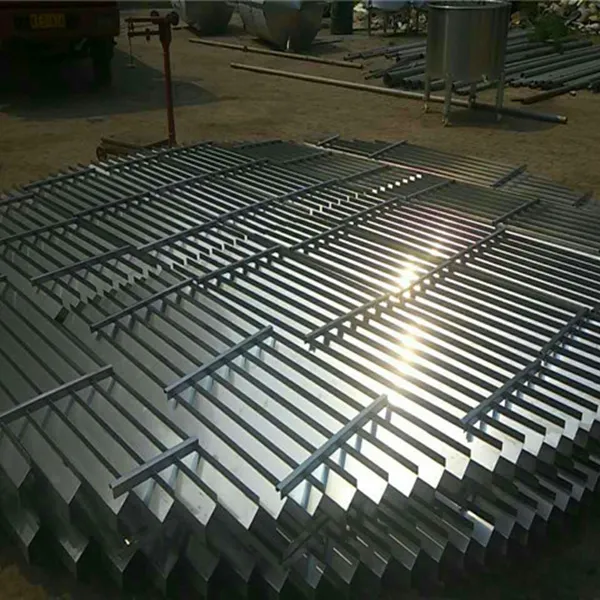
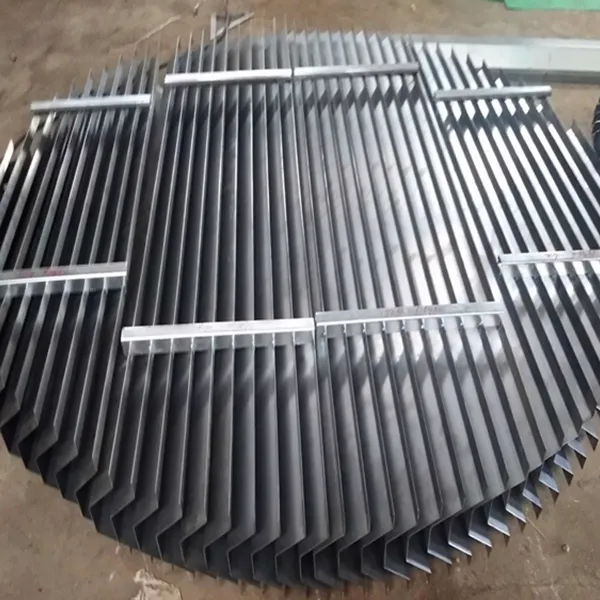
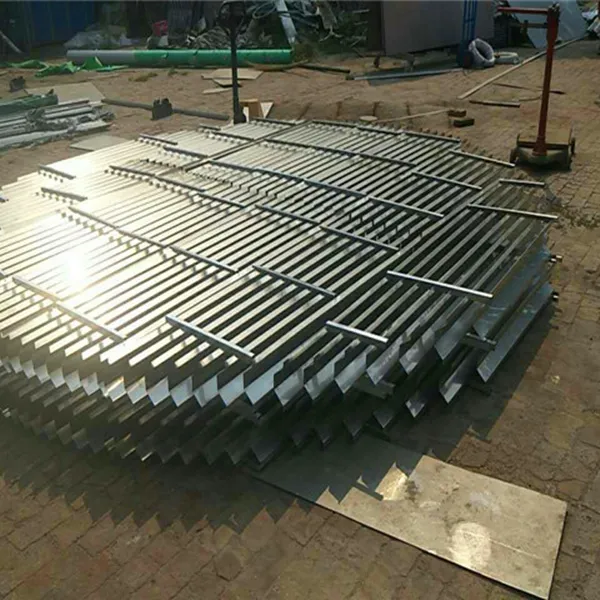
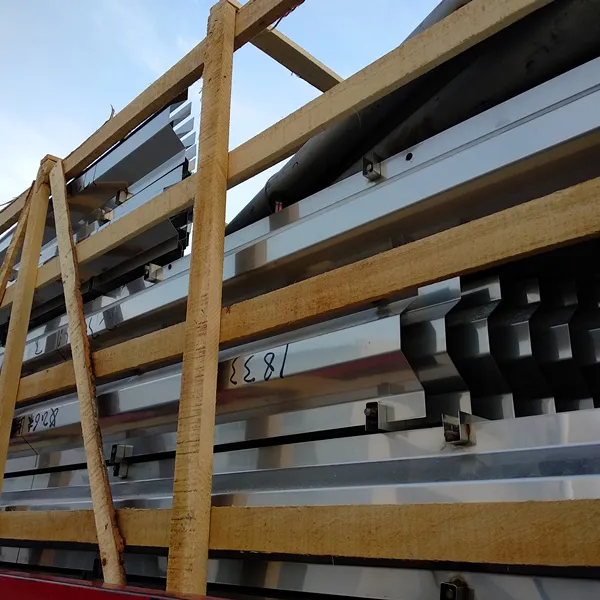
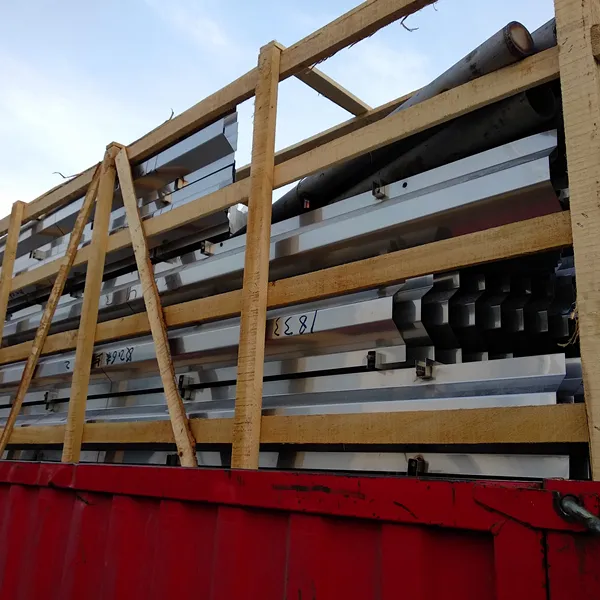
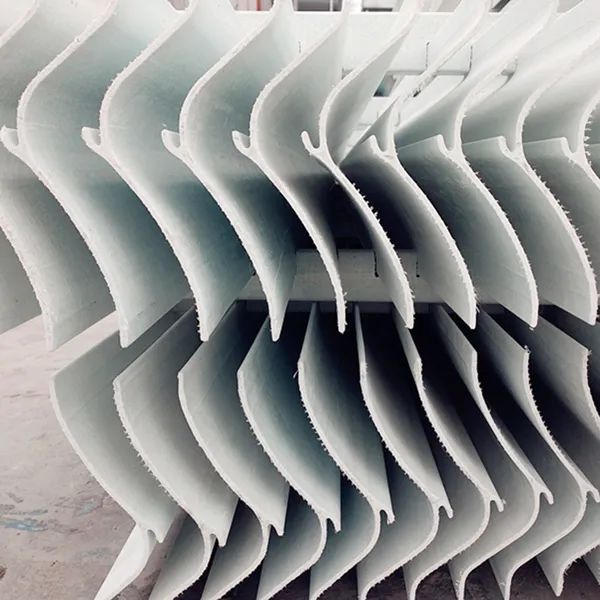
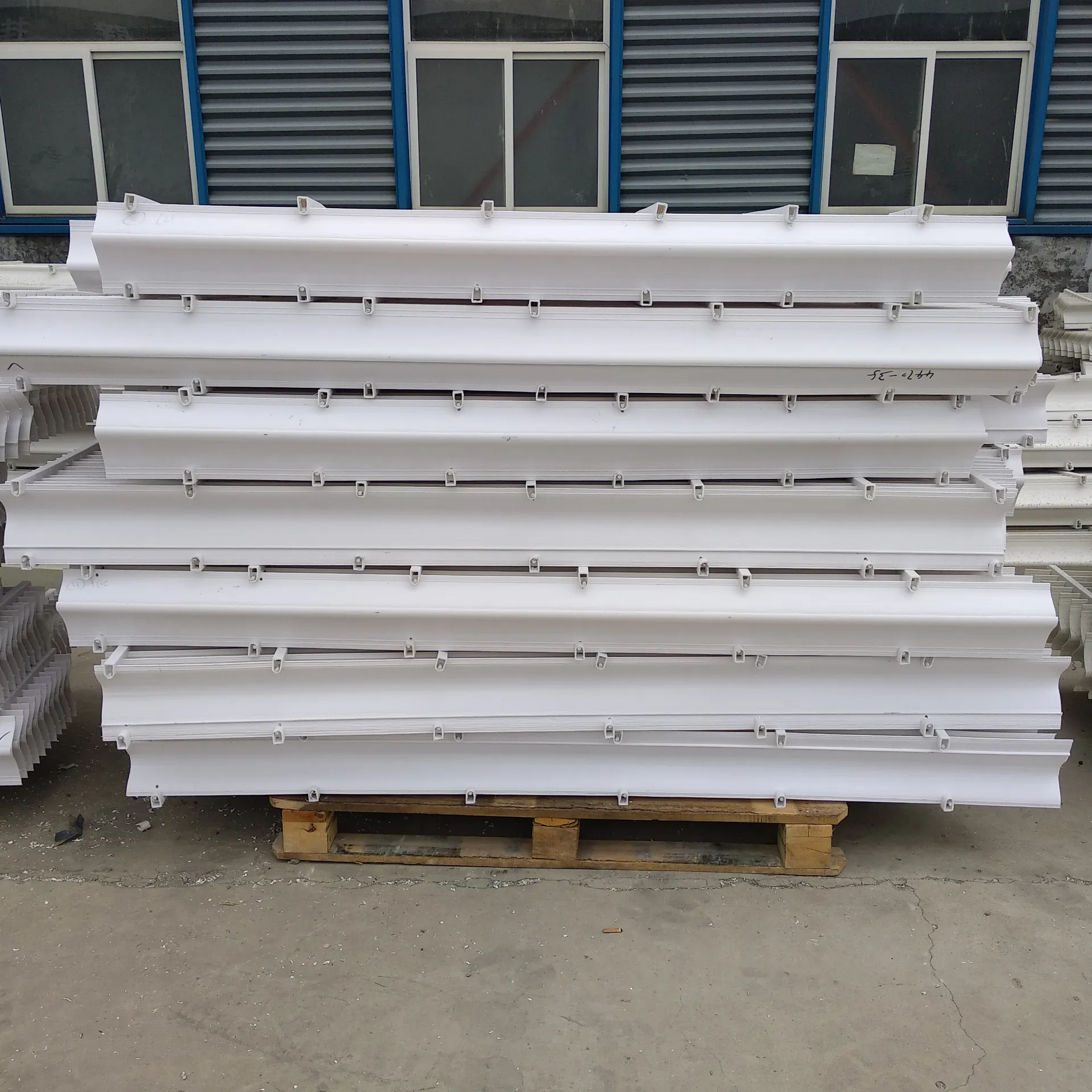
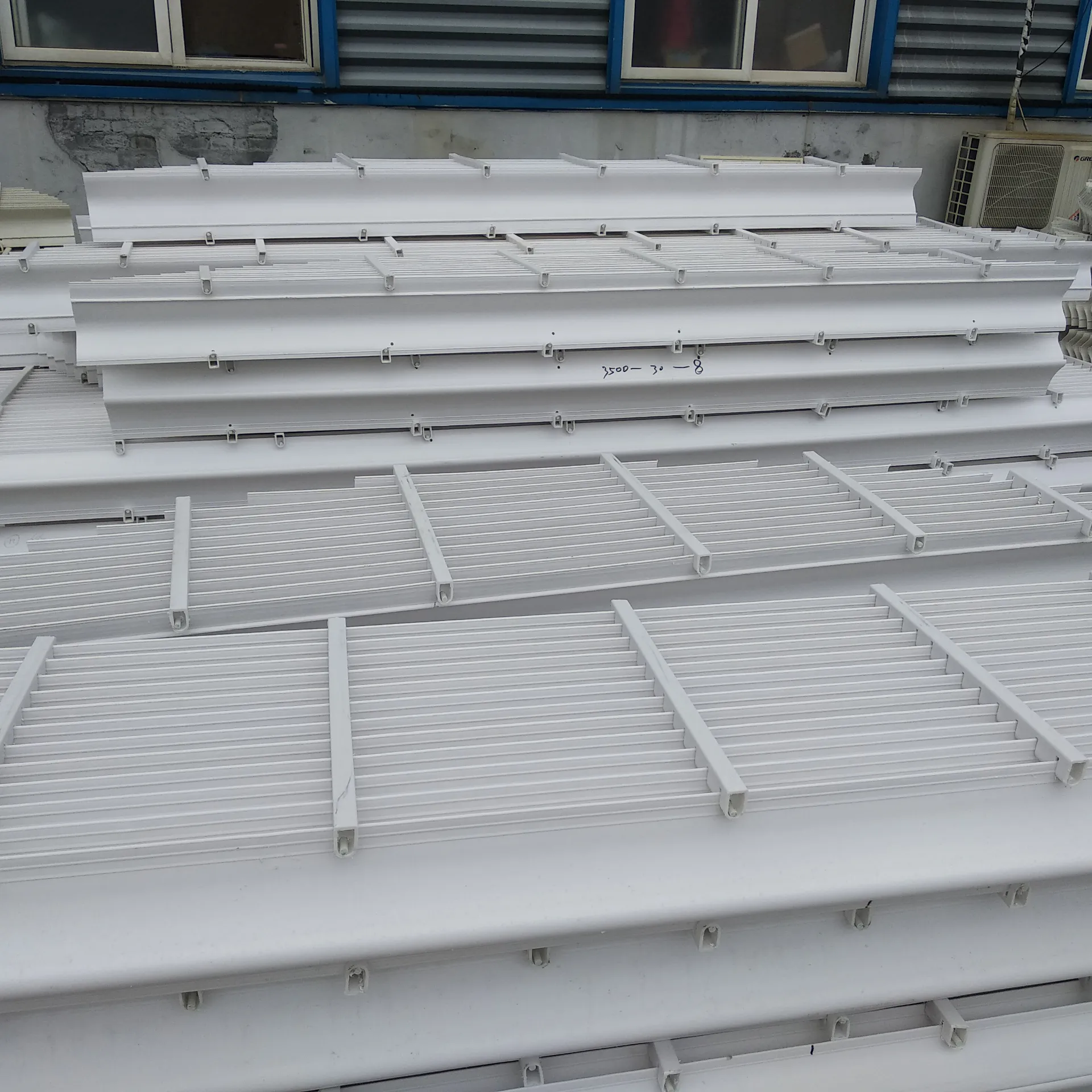
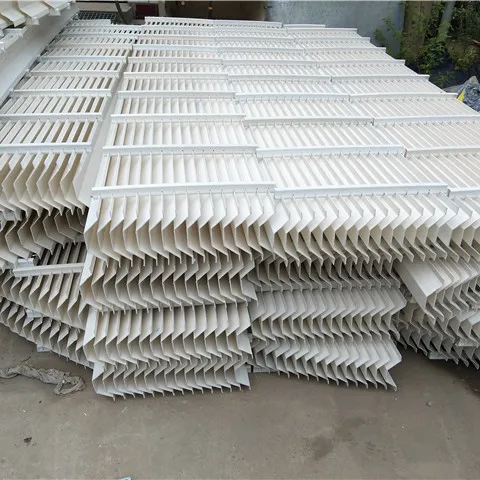
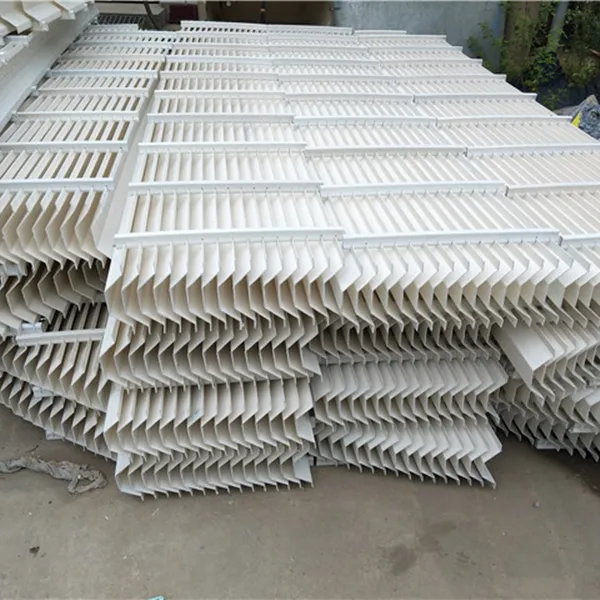
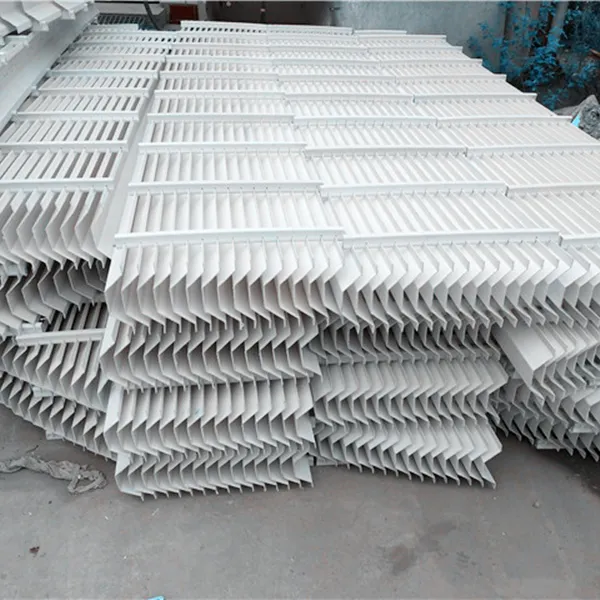
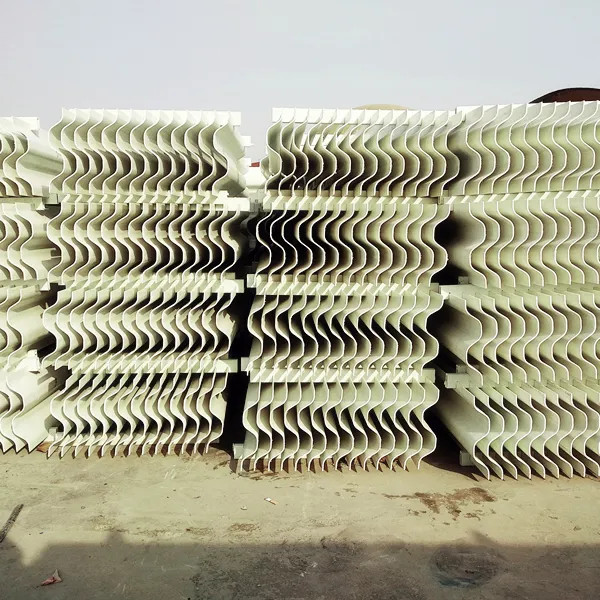
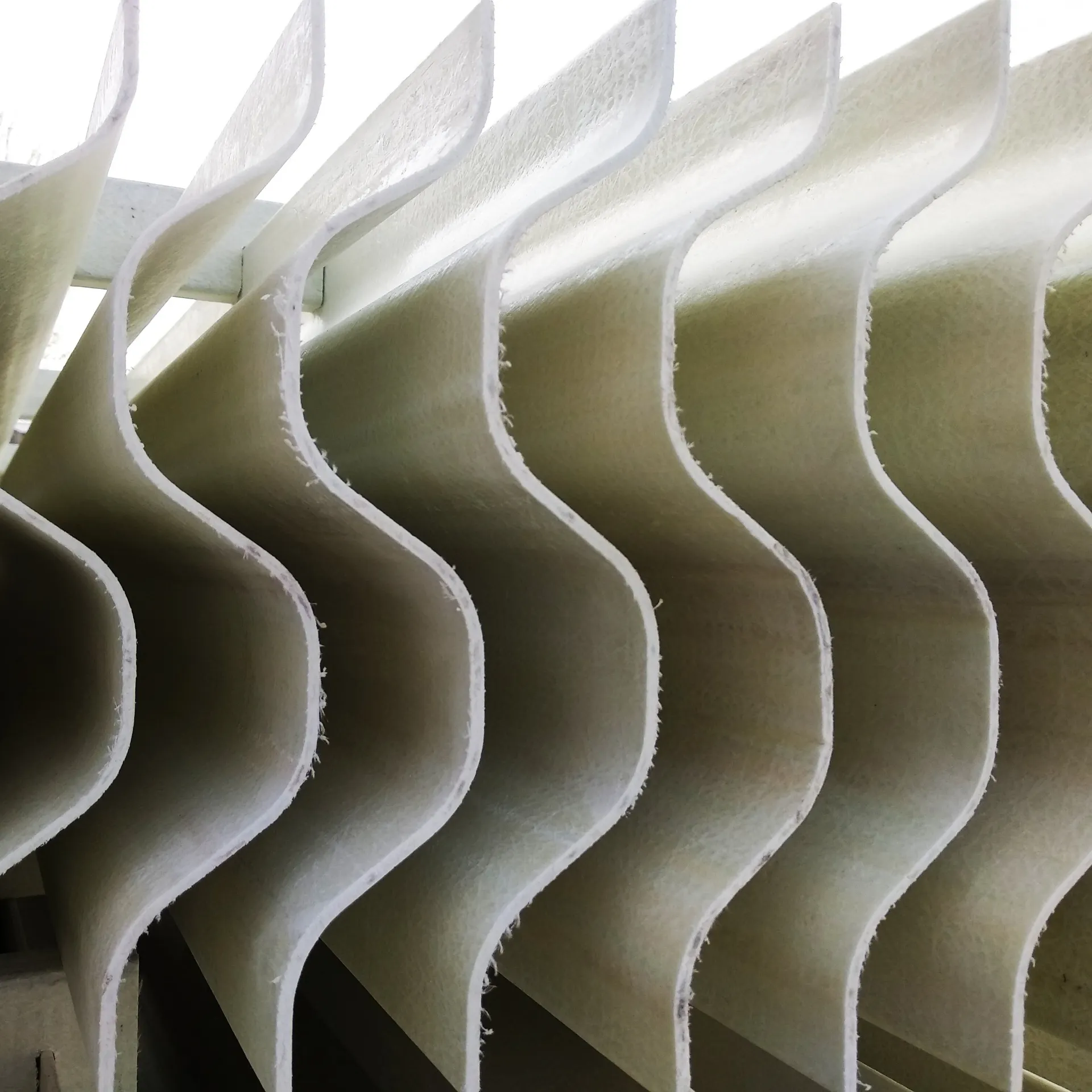
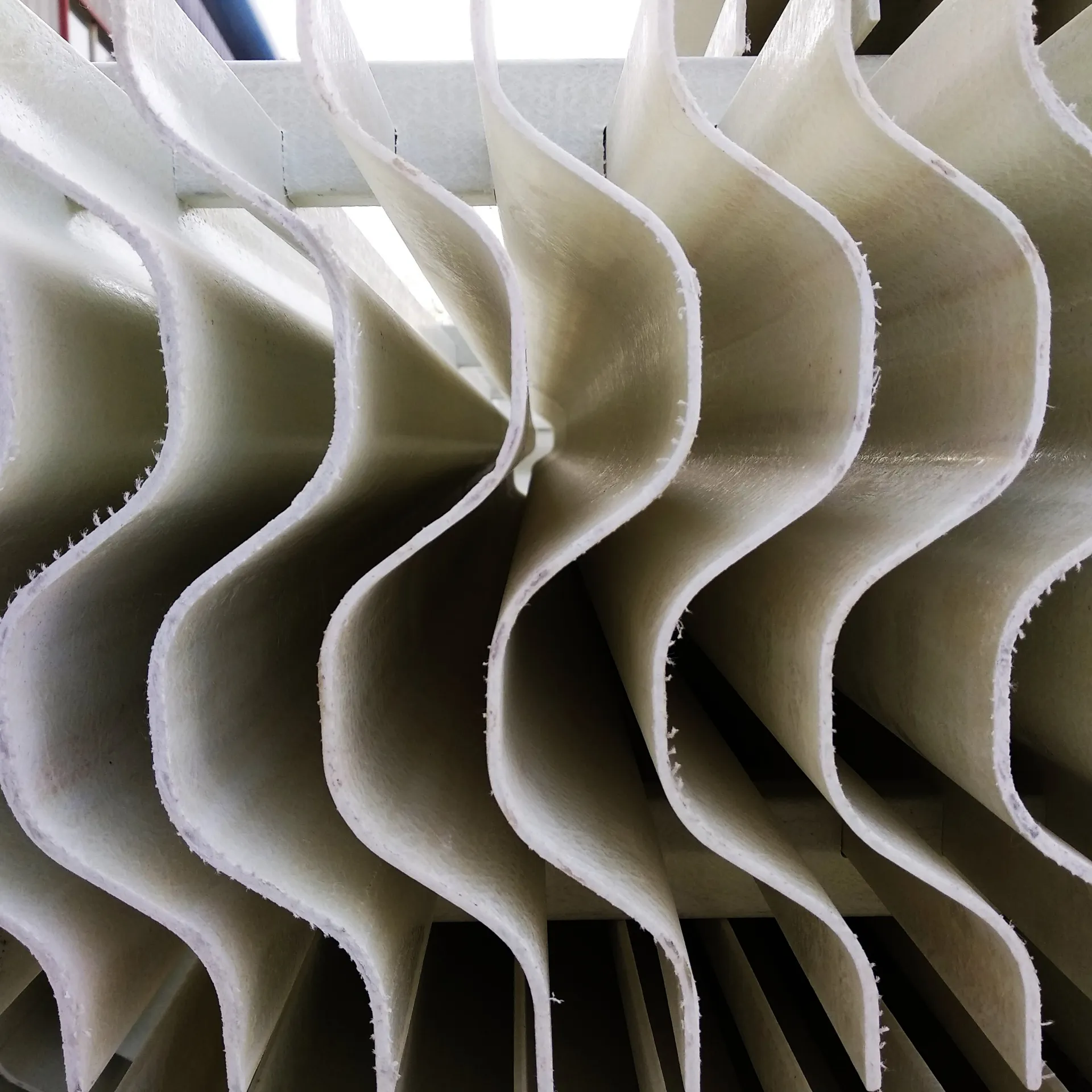
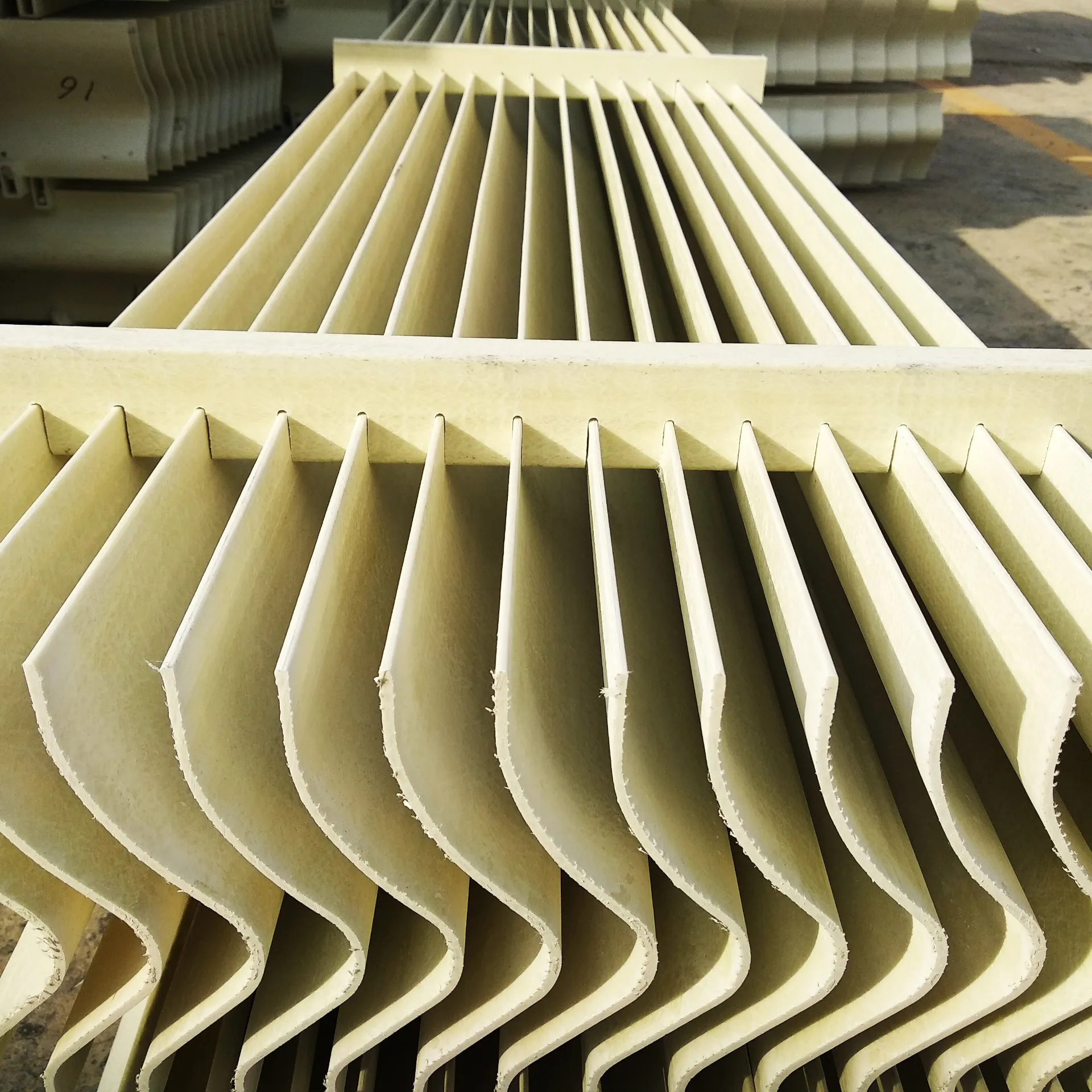
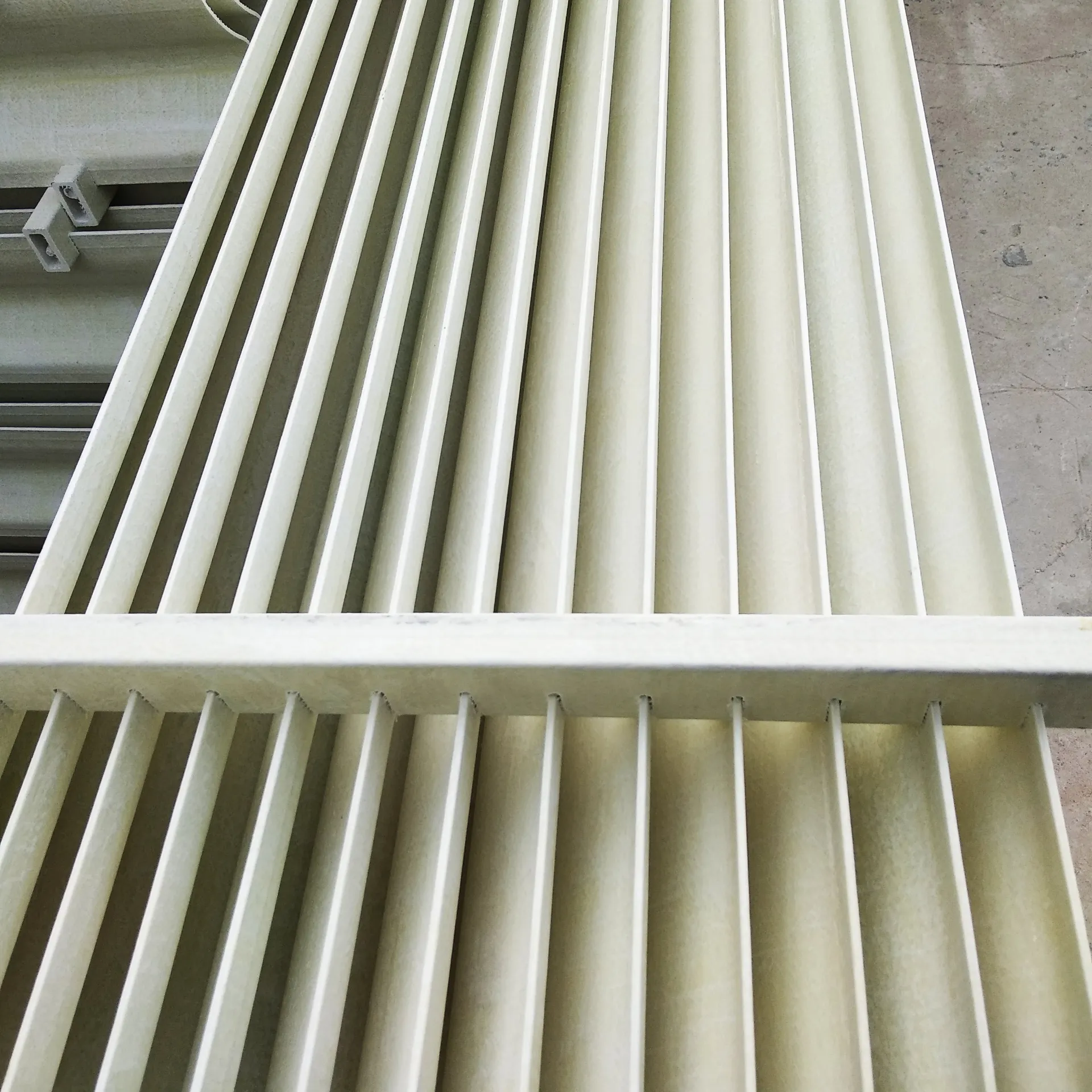
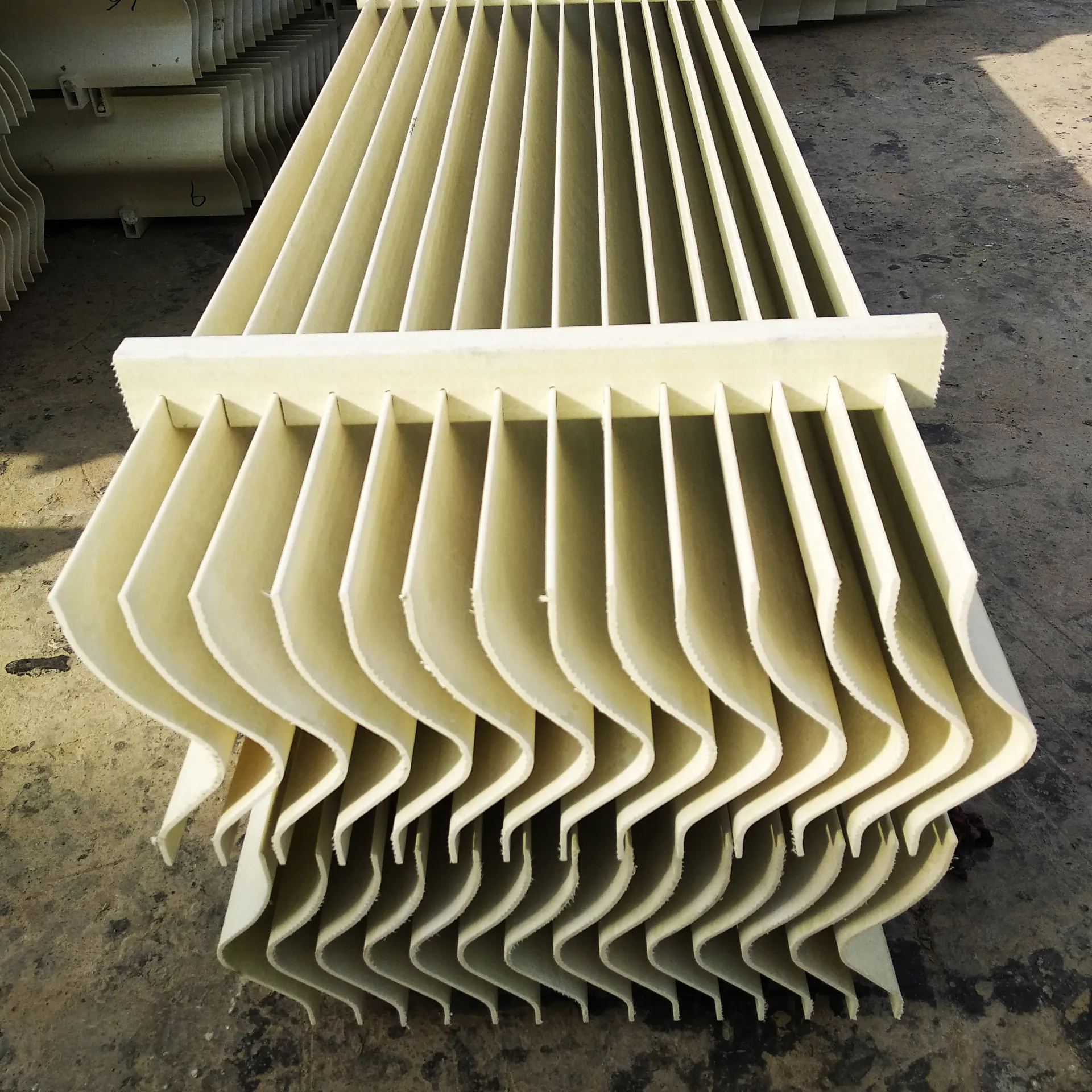
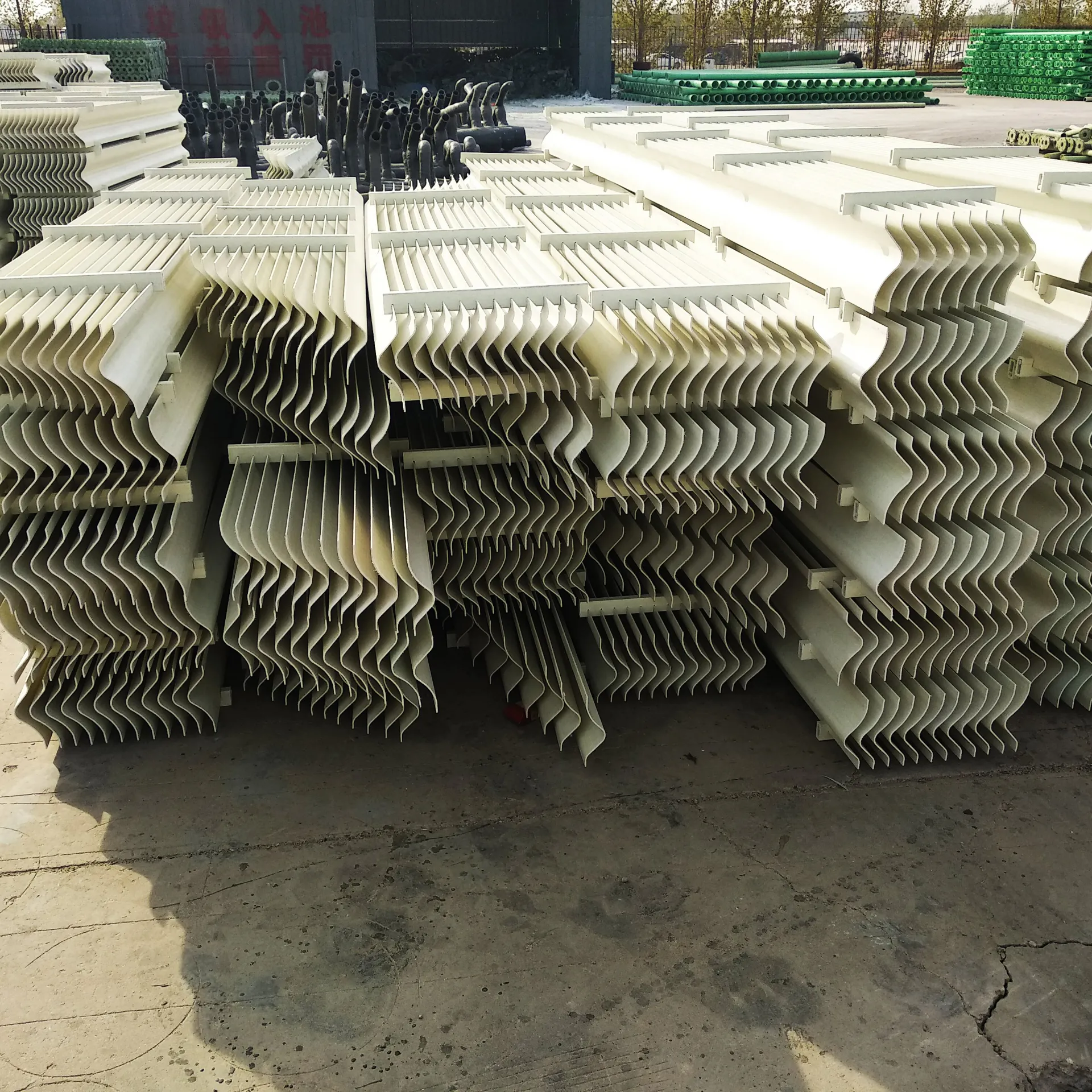
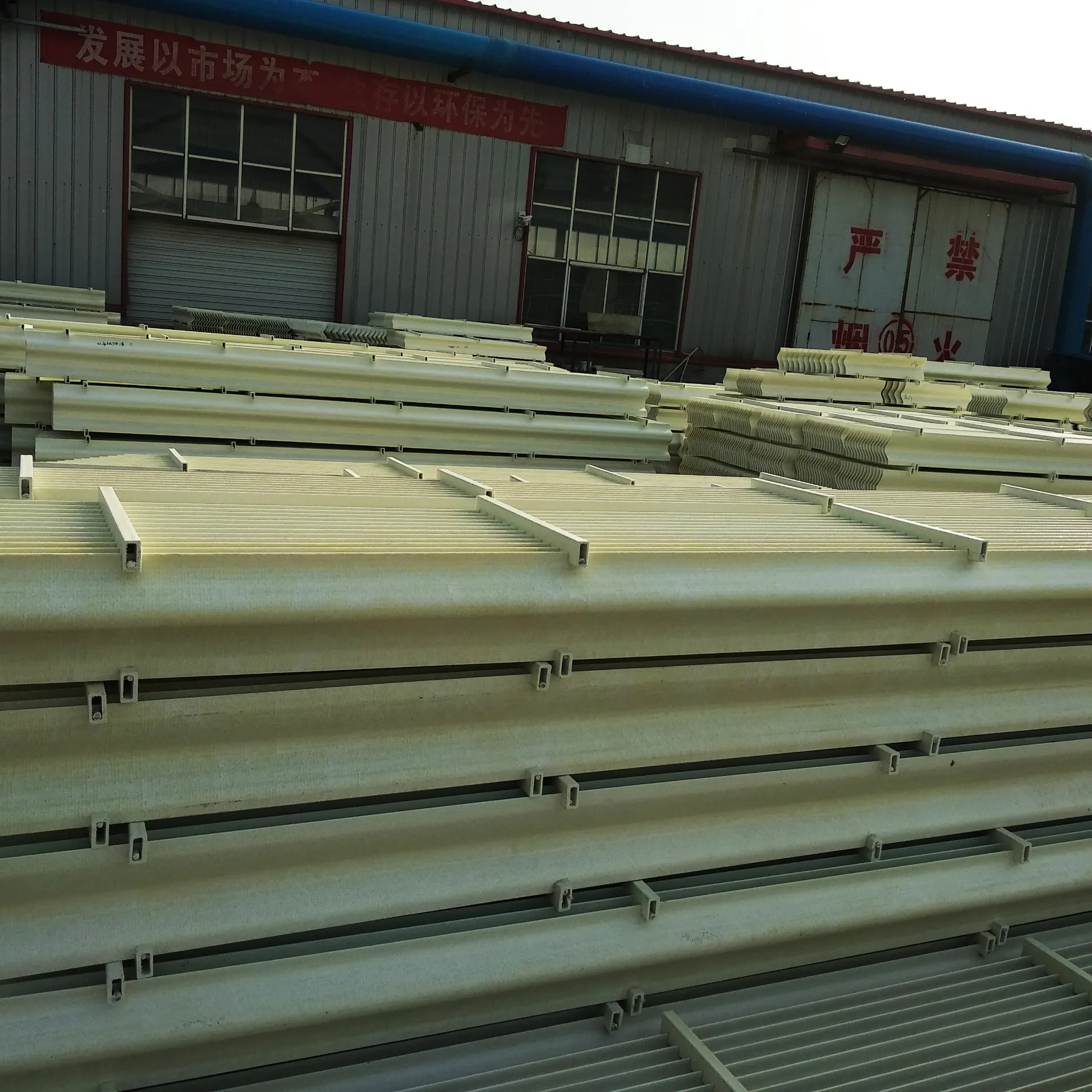
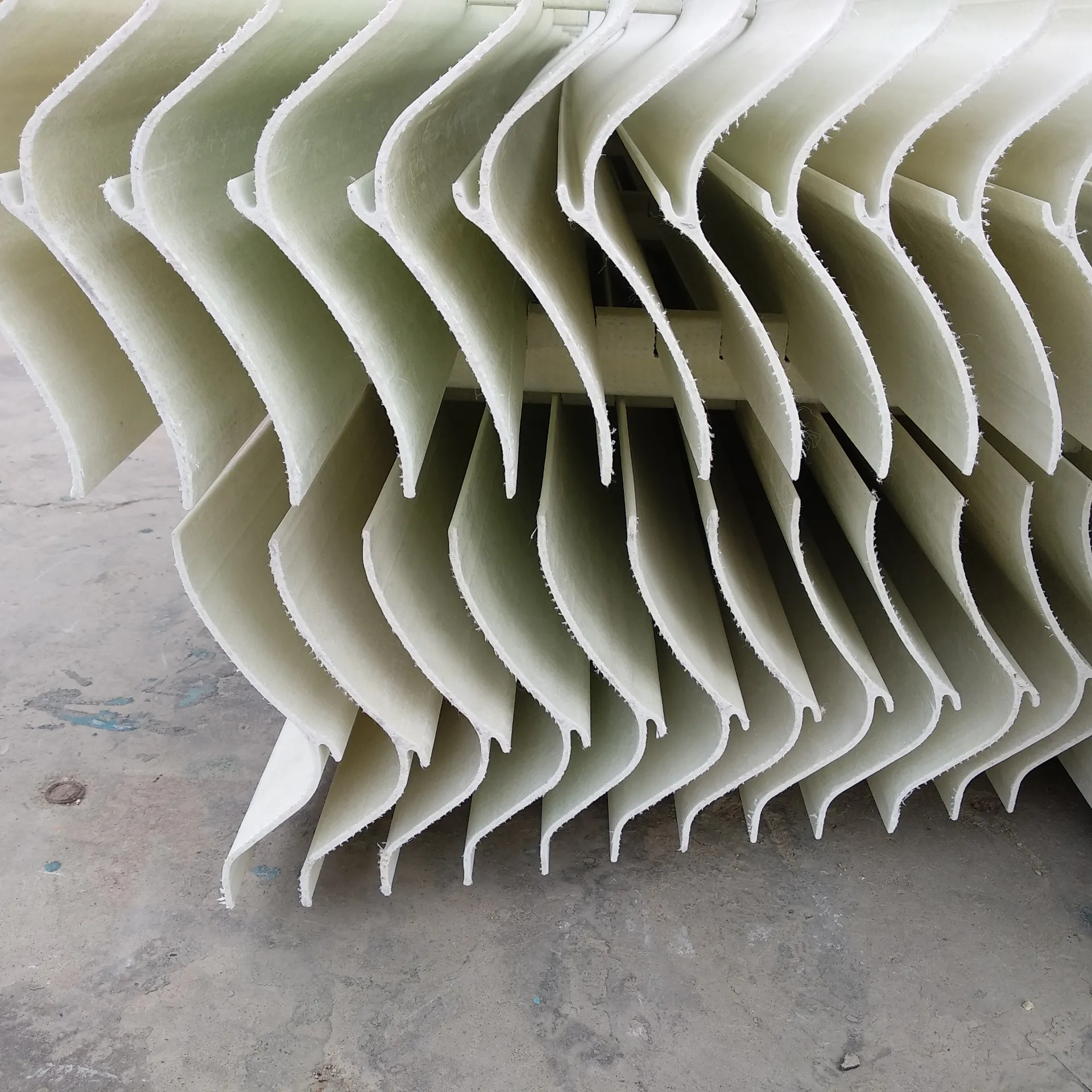
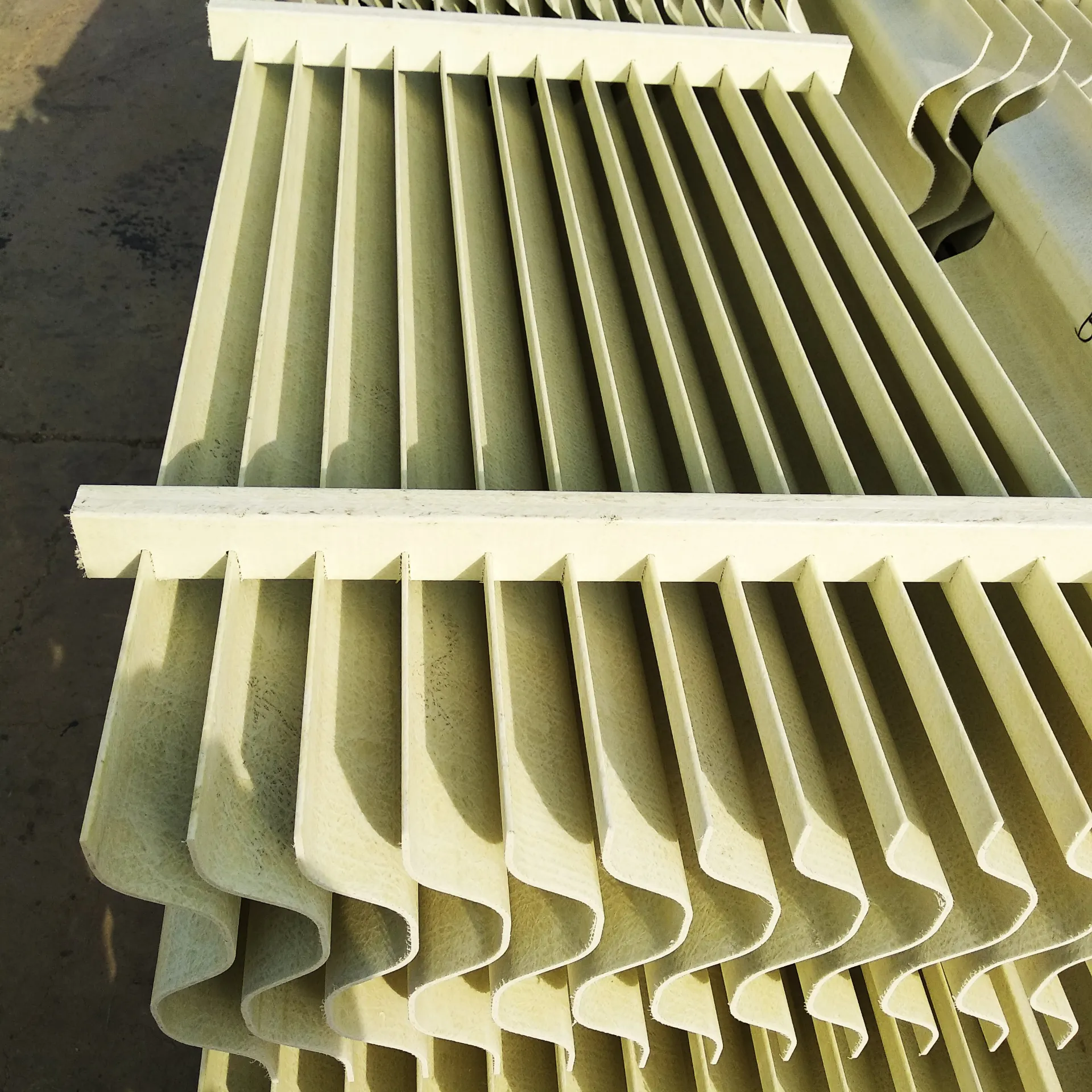
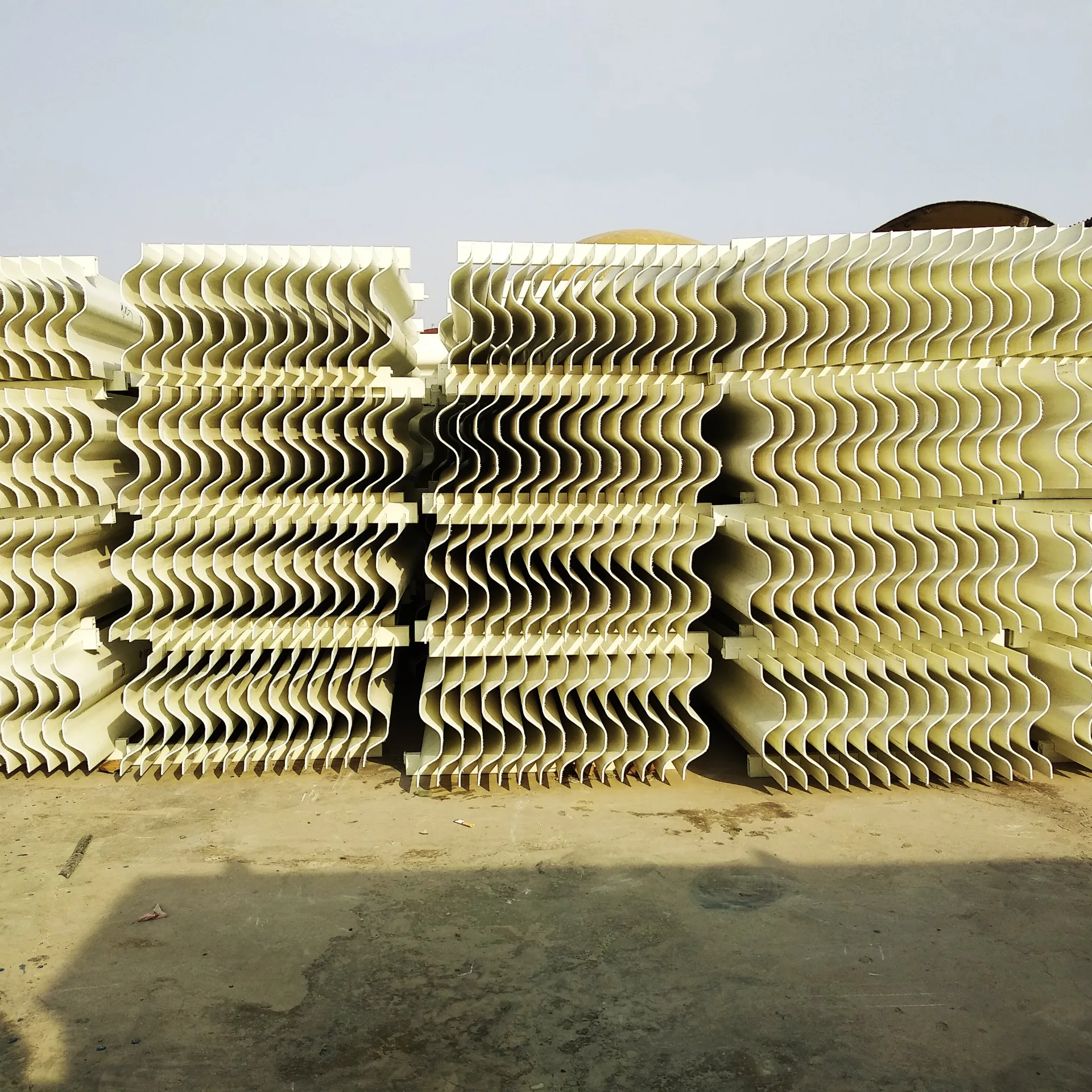
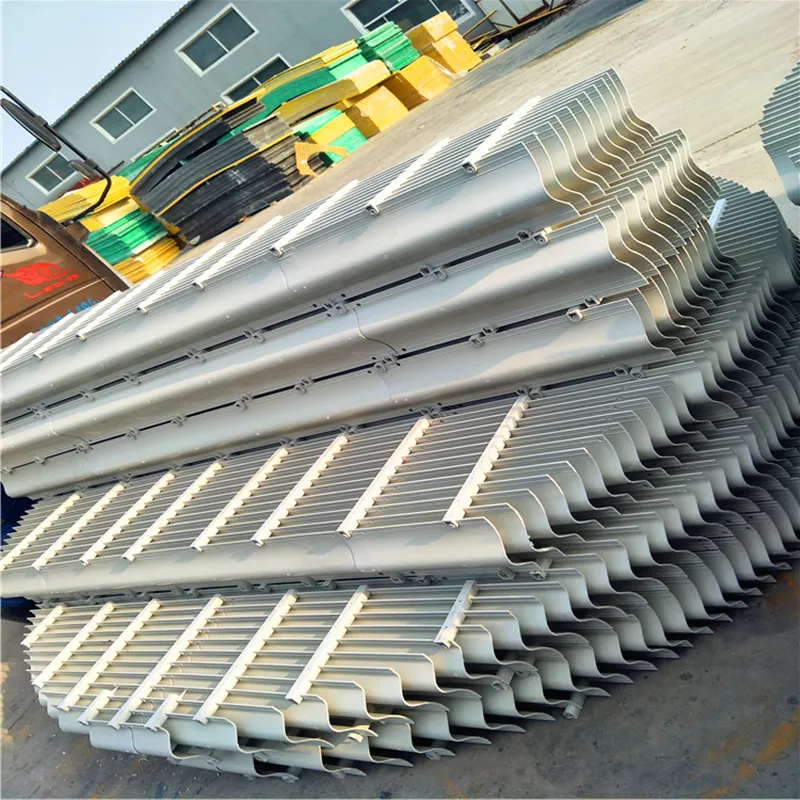
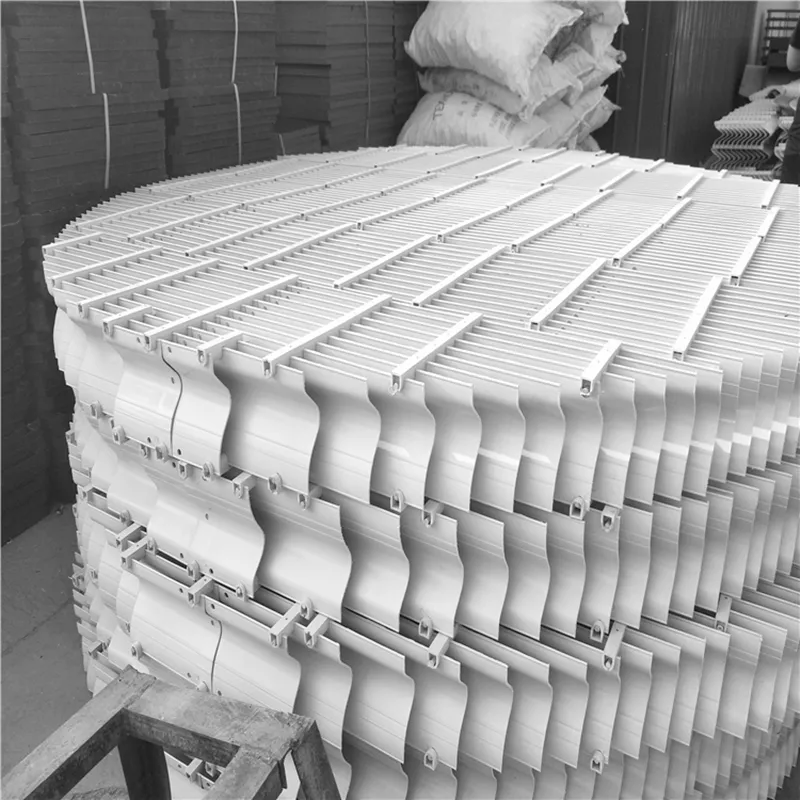
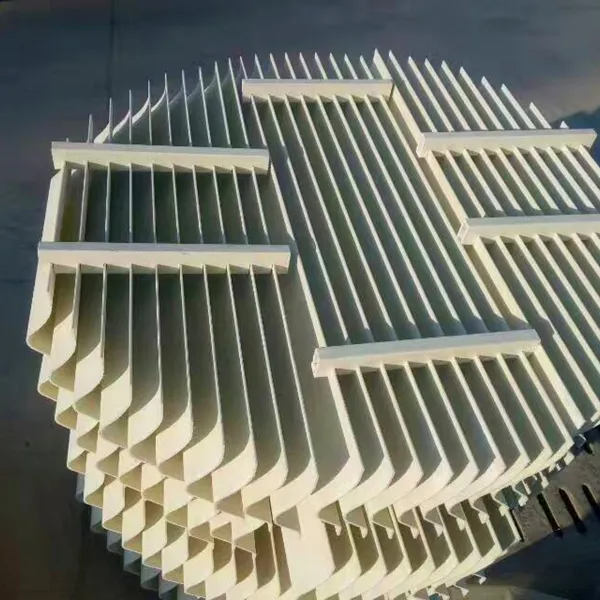
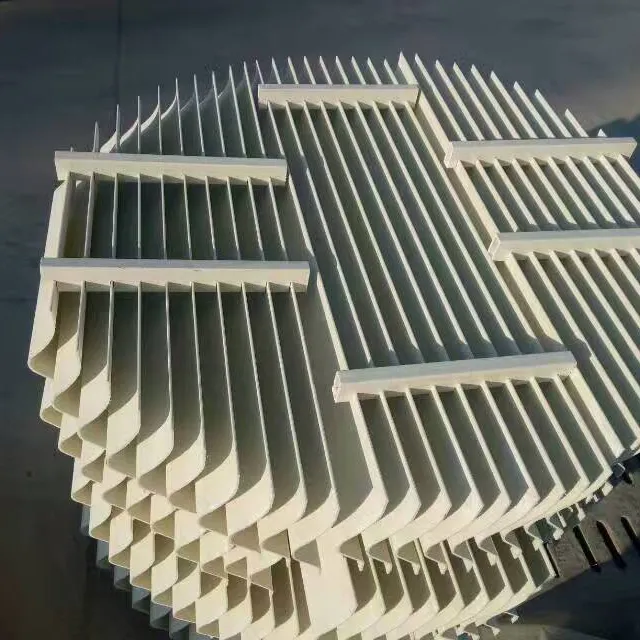
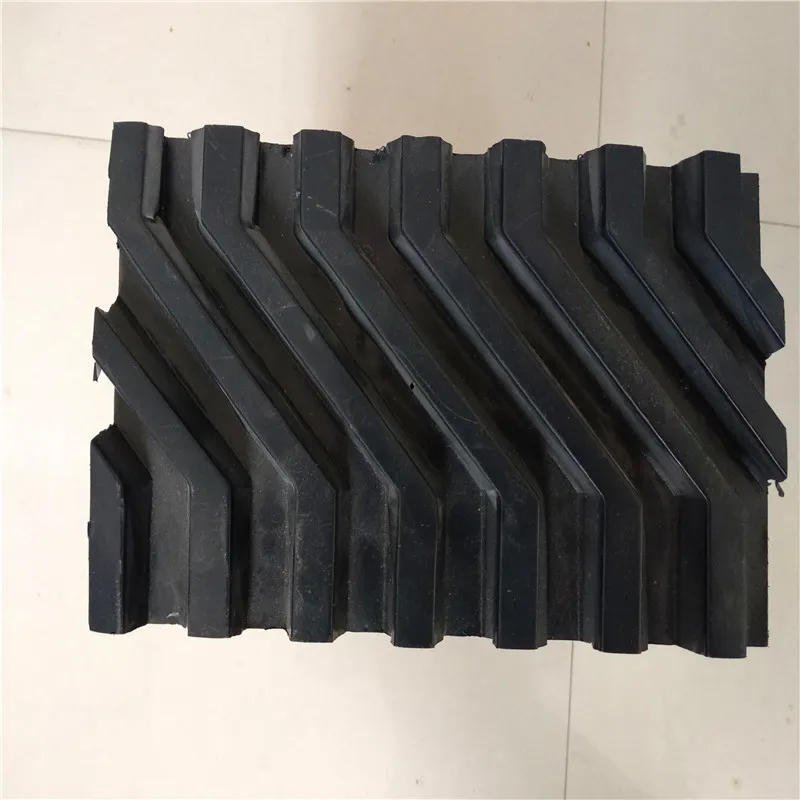
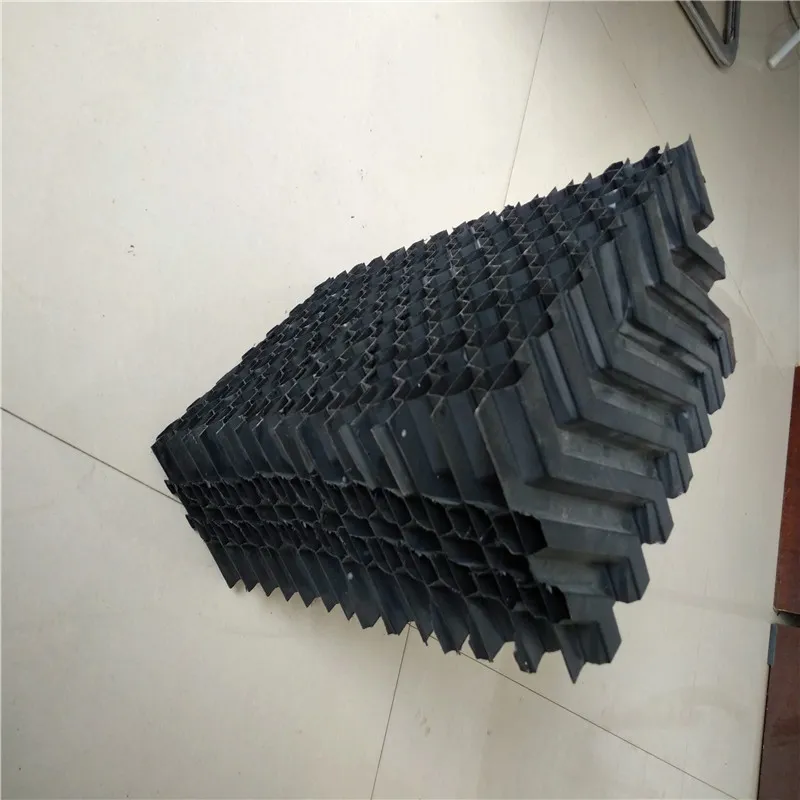
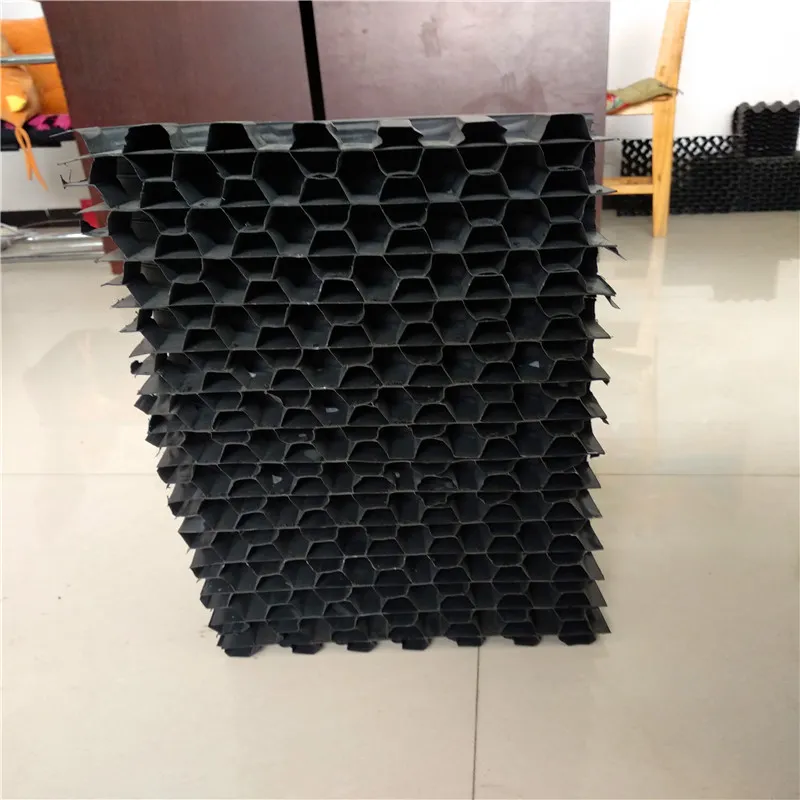
Demister
1.Keywords
Demister Pad, Wire Mesh Mist Eliminator, Vane-Type Separator, Fiberbed Filter, Chevron Mist Eliminator, PP Demister, FRP Mist Eliminator, Acid-Resistant Demister, High-Efficiency Mist Removal, Scrubber Demister, Knockout Drum Internals
2.Technical Specifications
1. Types & Materials
|
Type |
Material Options |
Efficiency |
Pressure Drop |
|
Wire Mesh |
304/316SS, PP, PVDF |
99% @ 10µm+ |
50-150 Pa |
|
Vane Pack |
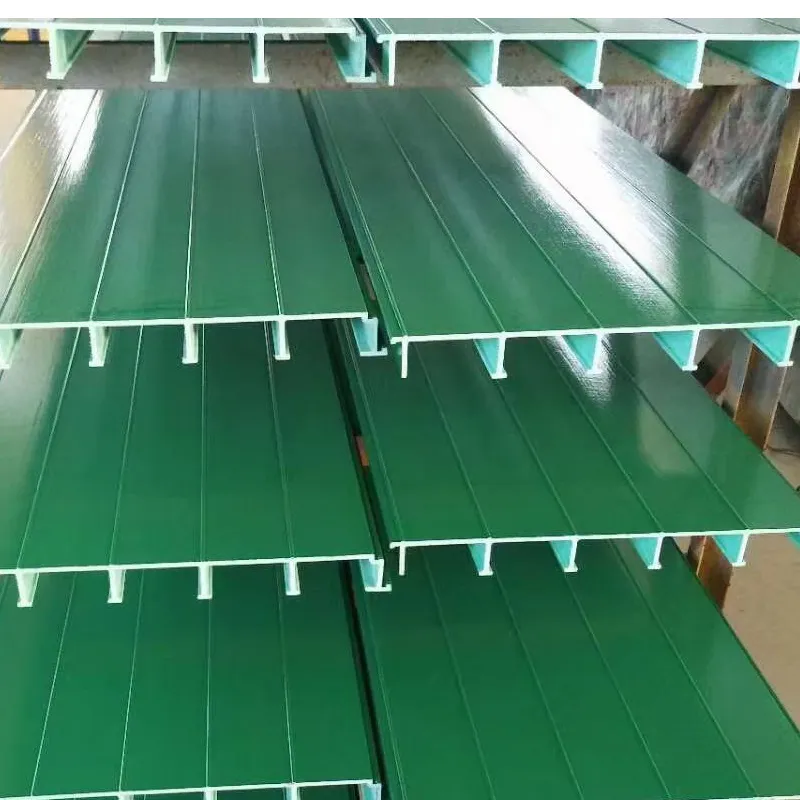
FRP, PVC, Aluminum |
99.5% @ 8µm+ |
100-250 Pa |
|
Fiberbed |
Glass Fiber, PP |
99.9% @ 3µm+ |
300-600 Pa |
|
Chevron |
PP, FRP, Stainless |
99% @ 5µm+ |
80-200 Pa |
2. Standard Parameters
|
Parameter |
Specification |
|
Gas Velocity |
2-5 m/s (Optimal) |
|
Liquid Load |
≤100 m³/h·m² |
|
Temperature Range |
-40°C to +120°C (PP) / +400°C (SS) |
|
pH Resistance |
0-14 (PVDF/FRP) |
3.Key Features
1. High-Efficiency Separation
Multi-Stage Design:
Primary: Coarse mesh (≥50µm)
Secondary: Fine fibers (3-10µm)
Re-entrainment Control:
Integrated drainage hooks & anti-rebound baffles
2. Corrosion-Resistant Materials
|
Material |
Best For |
Limitations |
|
PP |
HCl, H₂SO₄ (<60%) |
<80°C |
|
PVDF |
HNO₃, HF, Cl₂ |
<120°C |
|
316L SS |
High-temp steam |
Not for HCl |
|
FRP |
Mixed acids |
<150°C |
3. Modular Installation
Quick-Release Frames:
Clamp-type (DN300-DN2000)
Flanged (ASME/ANSI)
Custom Shapes:
Circular, rectangular, sectoral
4.Industry Applications
A. Chemical Processing
Sulfuric Acid Plants:
Borosilicate glass fiber beds for 99.9% H₂SO₄ mist removal
Chlor-Alkali Industry:
PVDF vanes for wet chlorine gas
B. Oil & Gas
Glycol Dehydration:
Stainless steel mesh for TEG carryover control
Compressor Stations:
Coalescing filters for lube oil mist
C. Power Generation
Flue Gas Desulfurization:
FRP chevrons with SO₂-resistant coating
Geothermal Steam:
Titanium mesh for H₂S/CO₂
D. Semiconductor
Wafer Etching:
PTFE-coated fiberbeds for HF mist
5.Performance Data
1. Removal Efficiency
|
Droplet Size (µm) |
Wire Mesh |
Vane Pack |
Fiberbed |
|
20+ |
99% |
99.9% |
100% |
|
10-20 |
97% |
99% |
99.9% |
|
3-10 |
85% |
95% |
99% |
2. Comparative Analysis
|
Type |
Pros |
Cons |
|
Wire Mesh |
Low cost, easy cleaning |
Clogging risk |
|
Vane Pack |
High capacity |
Higher pressure drop |
|
Fiberbed |
Submicron removal |
Frequent replacement |
6.Certifications & Customization
1. Quality Standards
ISO 9001: Manufacturing process
ASME Section VIII: Pressure vessel integration
FDA: For food/pharma applications
2. Special Designs
Anti-Fouling:
Vibrating mechanisms for sticky liquids
Explosion-Proof:
Conductive coatings (ATEX Zone 1)
3D-Printed:
Custom geometries for complex flows
7.Selection Guide
1.Identify Droplet Size (Laser diffraction test)
2.Check Chemical Compatibility (Material selection chart)
3.Calculate Gas Velocity (Avoid re-entrainment)
4.Choose Mounting Style (Top/bottom/side entry)
8.Free Services
✓ CFD simulation for optimal efficiency
✓ On-site droplet size measurement
✓ Retrofit feasibility studies
9.Contact for
Material samples & test reports
Emergency replacement kits
OEM drawings for integration

Demister Customer Evaluation

Demister FAQ
-
What is a demister used for?
A demister is used to remove liquid droplets from gas streams, improving gas purity and protecting downstream equipment.
-
What types of demisters are available?
Common types include wire mesh demisters, vane demisters, and fiber bed demisters, selected based on application requirements.
-
What materials can demisters be made from?
Demisters can be manufactured from stainless steel, FRP, polypropylene (PP), PTFE, and other materials depending on corrosion and temperature requirements.
-
Can the demister be customized?
Yes, customization options include size, thickness, material, separation efficiency, and operating conditions.




Address
20 Xingyuan South Street, Zaoqiang County, Hengshui City, Hebei Province, China


