



We Are Open 24 Hours a Day, 7 Days a Week, Including Weekends and Public Holidays.

Understanding Water Tank Square Price: Key Factors, Global Impact & Vendor Insights
Understanding Water Tank Square Price: What It Means and Why It Matters
When we talk about water tank square price, we’re really referring to the cost associated with the surface area — or the "square" dimension — of water tanks used worldwide. This isn’t just a dry technical detail; it touches on something deeply practical and critical. Water storage underpins almost every facet of modern life: agriculture, industry, humanitarian aid, and even household security. Knowing the ins and outs of water tank costs can help governments, engineers, and relief organizations make smarter investments that directly impact millions of lives.
Globally, clean water scarcity affects over 2 billion people according to the United Nations. So understanding the economics behind water storage solutions — where water tanks play a starring role — is no small matter. Whether it’s a rural village needing a reliable storage system or a sprawling industrial plant aiming for efficiency, the water tank square price frames what options are affordable and effective.
Intro: Why Water Tank Square Pricing Is a Global Conversation
Take a minute to appreciate just how many water tanks are out there. ISO standards (ISO 2854, among others) guide the production and safety for these tanks across the globe. According to the World Bank, infrastructure for clean water storage is expanding rapidly, especially in developing regions. Yet, the cost to build and maintain these tanks remains a significant hurdle, particularly in areas where budgets are tight.
We often see that an overlooked factor in project planning is the “per square meter” cost of these tanks — a more nuanced perspective than just overall price. Pricing per square unit helps estimate material costs, land use, and installation complexity, giving stakeholders a clearer financial picture. This "pricing puzzle" affects everything from public water utilities to disaster response teams setting up emergency water supply points.
What Exactly Is Water Tank Square Price?
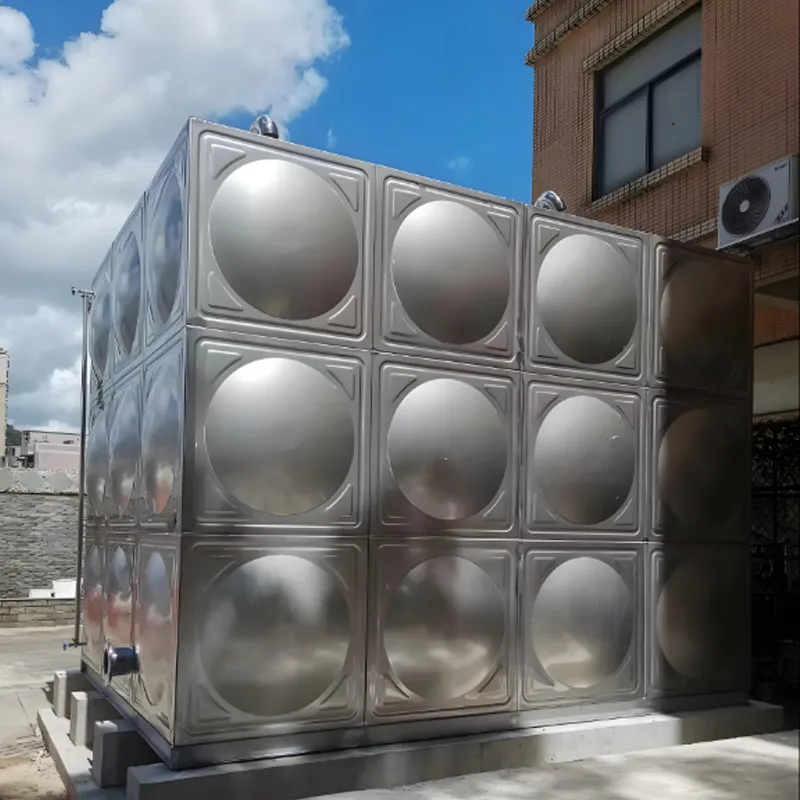
Put simply: water tank square price is the cost per square meter (or square foot) of the tank’s surface area. Think of it like buying floor tiles — you pay per square, not just the total volume of space. But here, the "square" refers to the external shell surface, which involves materials, coatings, labor for fabrication, and quality checks.
Understanding this pricing helps industries weigh durability, capacity, and transportability against budget constraints. It’s an especially critical factor in prefab or modular tanks, common in emergency and industrial scenarios where fast deployment and cost efficiency rule.
Key Factors Defining Water Tank Square Price
Several aspects come into play when determining the cost per square meter of a water tank. Let’s unpack a few.
1. Material Quality and Type
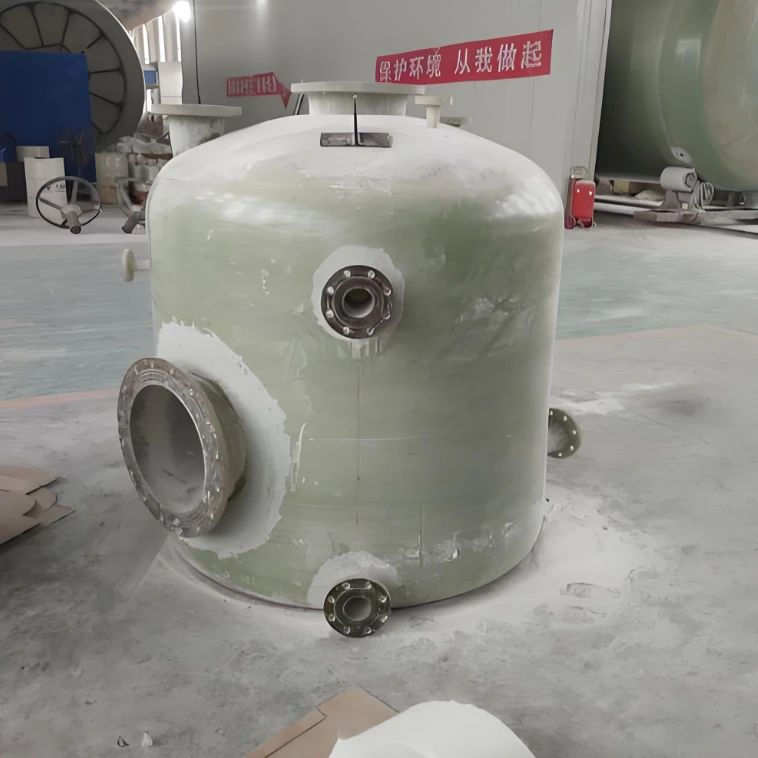
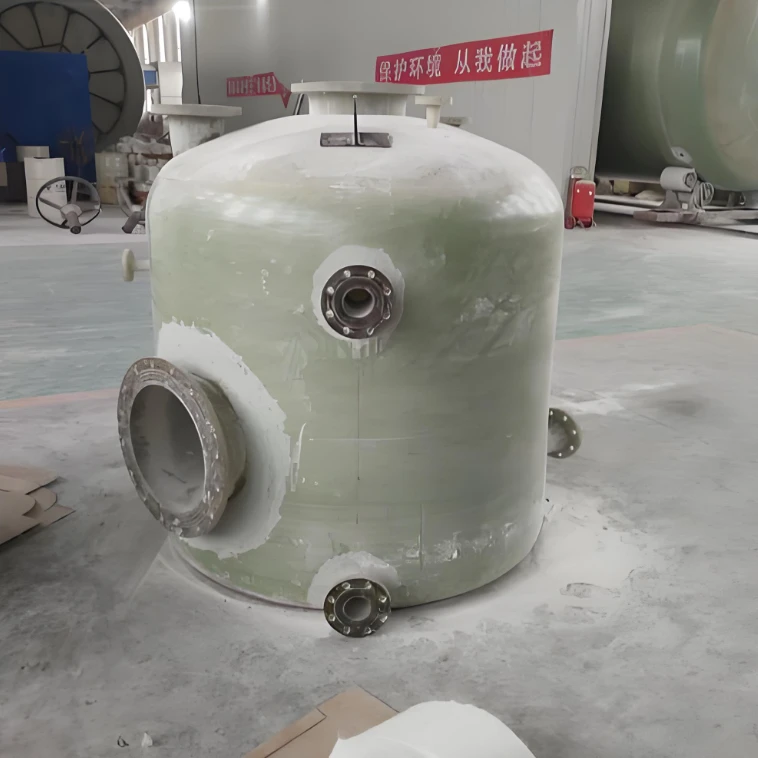
Fiberglass, steel, polyethylene, and concrete are common — each with distinct cost profiles. For example, fiberglass tanks might have higher upfront costs per square meter but offer better corrosion resistance, providing long-term savings.
2. Durability and Maintenance Needs
A tank’s surface treatment or protective coatings affect lifespan. Reliable coatings cost more but reduce repairs and water contamination risks, which is priceless in humanitarian contexts.
3. Production and Fabrication Complexity
Manufacturing precision, welding types, and modular construction methods all influence square pricing. Sophisticated automated fabrication lines may increase initial costs but cut errors and delays.
4. Transportation and Installation Logistics
Because these tanks can be bulky, shipping costs add up fast. Lightweight yet strong materials tend to have better square pricing due to easier transport and installation.
5. Scale of Order and Customization
Bulk orders often reduce square meter pricing, but custom dimensions or specialized features can add extra dollars.
Water Tank Square Price Spec Table
| Material | Typical Cost per m² (USD) | Durability (Years) | Maintenance Needed |
|---|---|---|---|
| Fiberglass Reinforced Plastic (FRP) | $60 - $90 | 20-30+ | Low |
| Steel (Carbon/Alloy) | $40 - $70 | 15-25 | Moderate (Coating needed) |
| Polyethylene (Plastic) | $30 - $50 | 10-15 | Low |
| Concrete | $50 - $80 | 30-50+ | Moderate (Crack repairs) |
Mini takeaway: Material choice heavily impacts the water tank square price, but weighing initial cost against lifespan and maintenance is key.
Global Applications: Where Water Tank Square Price Matters Most
In practical terms, these costs come alive in all sorts of fields. Humanitarian organizations frequently rely on portable, modular water tanks built with cost-effectiveness in mind — imagine setting up reliable water points after a typhoon or earthquake. Industrial plants, especially in mining or oil drilling, demand tanks that can stand harsh environments, where durability often trumps upfront cost. Then there are urban settings, where municipalities invest in large water towers or reservoirs that must balance budget and longevity.
Example: In East Africa, NGOs have partnered with manufacturers to supply affordable polyethylene tanks priced per square meter — enabling thousands of families to secure water storage amidst drought conditions. Similarly, industrial zones in Southeast Asia increasingly prefer FRP tanks for their corrosion resistance despite a higher square meter price.
Vendor Comparison Table: Pricing and Features
| Vendor | Material Range | Average Cost/m² | Lead Time | Customization Options |
|---|---|---|---|---|
| Long Xuan FRP | Fiberglass, PE | $55 - $85 | 2-4 weeks | High |
| Global Tank Co. | Steel, Concrete | $45 - $75 | 4-6 weeks | Medium |
| AquaStor Ltd. | Polyethylene Only | $30 - $50 | 1-3 weeks | Low |
Mini takeaway: Choosing the right vendor hinges on balancing cost, customization needs, and delivery schedules — all tied to that elusive water tank square price.
The Advantages and Long-Term Value of Considering Water Tank Square Price
So why should decision makers obsess over this pricing metric? Frankly, understanding the square price offers several practical benefits:
- Cost Predictability: It breaks down large upfront investments into manageable units, simplifying budgeting.
- Sustainability: Investing in higher-quality materials per square meter often pays off by reducing environmental impact and maintenance frequency.
- Social Impact: Affordable, well-designed tanks can provide safe water access, protecting health and dignity.
- Innovation Trust: Companies that transparently address square pricing tend to build stronger client trust and deliver more reliable products.
Emerging Trends and Innovations
Looking ahead, the water tank industry is quietly innovating. Eco-friendly composites combining recycled plastics and bio-resins aim to lower the environmental cost without inflating the unit square price. Digital monitoring systems integrated into tanks let maintenance teams track leakages, helping optimize total cost of ownership. Automation in production lines trims fabrication time, potentially lowering price per square meter in the near future.
Policy-wise, UN Sustainable Development Goals encourage investment into both cost-effective and durable water storage solutions, which shapes funding and technical standards worldwide.
Challenges and Forward-Thinking Solutions
Despite progress, some issues stick. Supply chain disruptions have made raw materials more volatile. Quality inconsistencies can cause hidden costs far beyond initial square pricing. Oddly enough, sometimes the cheapest tanks end up costing more after swift corrosion or damage.
Experts propose multi-criteria decision-making frameworks that weigh square price against lifecycle costs, to help buyers avoid short-term traps. Additionally, emerging modular designs help simplify installation and maintenance, reducing hidden overhead.
FAQ: Common Questions About Water Tank Square Price
- Q: How does material choice specifically influence water tank square price?
- A: Materials like FRP usually cost more per square meter upfront but offer longer durability and less maintenance, potentially saving money over the tank’s life. Plastic options are cheaper but may wear out faster.
- Q: Can water tank square price vary by region?
- A: Absolutely. Transportation costs, local labor rates, and availability of materials all impact the final square meter price differently across geographies.
- Q: Is it better to buy a larger tank with a lower square price or several smaller tanks?
- A: It depends on your project needs. Larger tanks may have better economies of scale on square price but are less flexible. Smaller tanks might suit modular or emergency setups despite slightly higher unit costs.
- Q: How do vendors typically calculate water tank square price?
- A: Vendors factor raw materials, fabrication time, coatings, testing, and delivery costs normalized by the tank’s external surface area to arrive at a price per square meter.
Conclusion: Making Smart Choices with Water Tank Square Price
Ultimately, the water tank square price is more than just a number. It’s a lens through which engineers, buyers, and managers can better understand the tradeoffs between cost, durability, and functionality. In a world facing increasing water scarcity and infrastructure demands, paying close attention to this pricing metric leads to smarter investments and sustainable improvements.
Curious to explore water tank solutions tailored to your needs? Visit our website at https://www.longxuanfrp.com and get a quote today. It’s worth taking that deep dive into square prices—it’ll help you save money and worry less about your water infrastructure.
Thanks for sticking through this detailed rundown. If you think about it, something as straightforward as pricing “per square meter” can literally change how water is stored and delivered worldwide. Kind of inspiring, right?
References






Address
20 Xingyuan South Street, Zaoqiang County, Hengshui City, Hebei Province, China


