



We Are Open 24 Hours a Day, 7 Days a Week, Including Weekends and Public Holidays.

Comprehensive Guide to 1000 Gallon Stainless Steel Water Tanks: Uses, Benefits & Trends
Understanding the 1000 Gallon Stainless Steel Water Tank
Water storage may not be the flashiest topic, but if you think about it, it’s foundational to so much — from everyday domestic use to massive industrial and humanitarian operations globally. The 1000 gallon stainless steel water tank is a surprisingly crucial player in this story. Why? Because it represents an intersection of durability, efficiency, and practical capacity that a lot of sectors rely on. Whether it’s ensuring reliable water supply in remote factories or playing a key role in emergency relief, understanding these tanks matters far beyond just the tech specs.
Global Context: Why Stainless Steel Water Storage Matters
Stainless steel tanks, especially ones around 1000 gallons, are not just storage units; they help maintain water quality, resist corrosion, and simulate long-term sustainability. According to the UN Water, over 2 billion people live in water-stressed countries, and industries worldwide face rising water management challenges.
Oddly enough, addressing water storage is one of those problems that blend environmental considerations with practical, on-the-ground solutions. The 1000 gallon stainless steel water tank offers a mid-scale solution — sturdier than plastics, easier to install than concrete vaults, and scalable enough for many needs. For growing industries and humanitarian efforts alike, it’s a cornerstone of water management strategy.
What Is a 1000 Gallon Stainless Steel Water Tank?
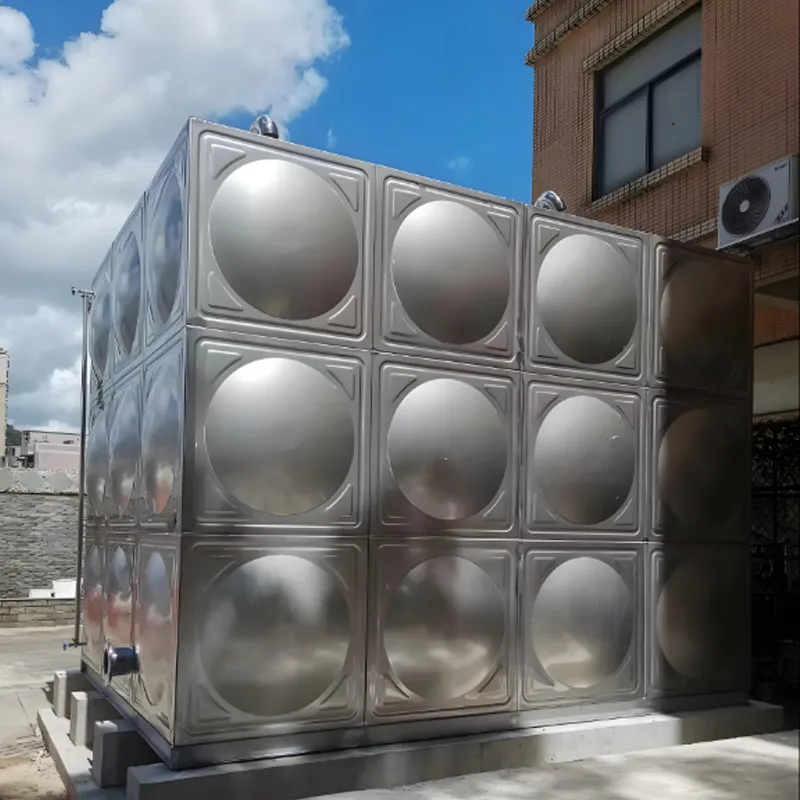
Simply put, it’s a vessel made of stainless steel designed to store approximately 1000 gallons (about 3,785 liters) of water. The steel used usually contains chromium and nickel, which adds corrosion resistance and ensures longevity, even outdoors or in harsh conditions. Unlike its plastic or carbon steel counterparts, the stainless steel tank doesn’t degrade easily or leach contaminants.
This tank size hits a sweet spot for many applications — large enough for small to medium-sized industrial sites, agricultural facilities, or community water points, yet manageable enough for transport and installation without massive infrastructure investment.
Key Factors of the 1000 Gallon Stainless Steel Water Tank
1. Durability and Corrosion Resistance
The inherent corrosion resistance of stainless steel means these tanks withstand even chemically aggressive water, rain exposure, and temperature swings without rusting — a common problem for other materials. For many engineers I’ve spoken to, this factor alone justifies the initial cost.
2. Cleanliness and Safety
Stainless steel surfaces inhibit biofilm formation and microbial growth, reducing contamination risk. This makes them ideal for potable water storage, food processing plants, and medical facilities.
3. Scalability and Modularity
While 1000 gallons is fixed, these tanks can be linked or stacked in some systems, adapting to both immediate and future expansion needs — a big plus in industries with fluctuating requirements.
4. Cost Efficiency Over Time
Yes, initial expenses might be higher than plastic tanks, but minimal maintenance, longer lifespan, and retention of water quality tend to make stainless tanks more cost-effective over, say, a decade.
5. Environmental Compatibility
Stainless steel is recyclable. This aligns well with sustainability goals common in industries and governments aiming to reduce environmental footprints.
Specifications At a Glance
| Feature | Specification |
|---|---|
| Capacity | 1000 gallons (approx. 3,785 liters) |
| Material | 304 or 316 Stainless Steel |
| Dimensions (typical) | Approx. 6ft diameter x 6.5ft height |
| Weight (empty) | 450-600 lbs (varies by thickness) |
| Typical Uses | Water storage, food and beverage processing, emergency relief, agricultural irrigation |
Mini Takeaway: These tanks are engineering feats that bring together practical size, durability, and sanitation — highly favored in diverse industries and contexts.
Global Applications & Use Cases
A great example is in post-disaster relief operations. Water supply is one of the first crises after events like floods or earthquakes. The portability and resilience of stainless steel water tanks make them indispensable. For instance, organizations providing clean water in Southeast Asia or Africa often rely on tanks roughly 1000 gallons in volume to quickly set up localized water supply stations.
Then there’s the industrial side: many manufacturing plants, especially food and beverage, need rigorous water hygiene standards — stainless steel tanks fit that bill perfectly. In remote mining facilities, where infrastructure is thin and corrosion issues are rampant, these tanks help guarantee a stable, clean water reserve.
Even community water projects in arid regions make use of these tanks to store rainwater or treated supplies efficiently, which helps secure drinking water access for thousands.
Vendor Comparison: Leading Providers of 1000 Gallon Stainless Steel Water Tanks
| Vendor | Material Grade | Warranty | Lead Time | Price Range (USD) |
|---|---|---|---|---|
| HydroSteel Industries | 304 Stainless Steel | 5 Years | 4-6 Weeks | $4,200 - $4,800 |
| AquaPure Solutions | 316 Stainless Steel | 7 Years | 6-8 Weeks | $5,100 - $5,700 |
| SteelTanks Co. | 304 Stainless Steel | 3 Years | 3-5 Weeks | $3,900 - $4,300 |
Advantages & Long-Term Value
When I chatted with water engineers over time, they often stressed reliability as the number one reason to pick stainless steel tanks. These tanks hold water safely without flavor contamination, and withstand weathering, dents, or chemicals better than most alternatives. For communities depending on consistent water supply, this kind of peace of mind is priceless.
Cost-wise, although it’s tempting to choose lower upfront prices like plastic, the ongoing benefits — lower maintenance, superior hygiene, and resale/reuse potential — tip the scale towards stainless steel in real-world budgets. Moreover, stainless tanks support sustainability goals by minimizing plastic use and enabling recycling.
Upcoming Trends & Innovations
There’s a lot of buzz around integrating digital monitoring systems to stainless steel tanks. Imagine a 1000 gallon tank fitted with IoT-based sensors to track water levels, temperature, and even quality in real time. This would drastically cut water loss and improve preventive maintenance. Additionally, hybrid models using lighter alloys combined with stainless steel coatings are emerging to reduce weight while maintaining durability.
From an environmental standpoint, industry efforts are aligning with ISO 14001 standards and stricter regulations on water storage to ensure tanks are both safe and eco-friendly for years to come. The push for renewable energy-powered water systems also plays hand-in-hand here.
Common Challenges and Solutions
One challenge is the initial capital outlay — stainless steel tanks cost more upfront, which can deter smaller buyers or developing organizations. To counter that, leasing models and government subsidies help spread the cost. Additionally, sourcing high-grade stainless steel locally can be limited; partnerships with international vendors often solve this.
Installation in tight spaces or rugged terrains also poses hurdles, but modular designs and sectional tanks increasingly improve accessibility and transport.
FAQ: Your Questions on 1000 Gallon Stainless Steel Water Tanks
-
Q: How long does a 1000 gallon stainless steel water tank typically last?
A: With proper maintenance, these tanks can last 20+ years. Corrosion resistance and durable construction mean fewer replacements and better long-term value. -
Q: Are stainless steel tanks suitable for drinking water storage?
A: Absolutely. The material inhibits bacterial growth and does not leach harmful chemicals, making it ideal for potable water. -
Q: What maintenance do I need for these tanks?
A: Routine cleaning, periodic inspections for weld integrity, and ensuring fittings are secure suffice. Unlike other materials, stainless steel needs minimal upkeep. -
Q: Can these tanks be customized or integrated with other water systems?
A: Yes, many manufacturers offer customization for fittings, level sensors, or even insulation, making them adaptable to various setups.
Conclusion & Next Steps
When you look at the big picture — especially in industries and communities where water security is non-negotiable — the 1000 gallon stainless steel water tank comes through as a reliable, smart investment. It balances capacity, hygiene, and toughness that many alternatives can’t match. So, if you’re considering water storage solutions that prioritize longevity and safety, these tanks deserve serious consideration.
Curious to explore these solutions more? Check out 1000 gallon stainless steel water tank options and innovations that might fit your project.
Casual takeaway: when it comes to water storage, embracing quality upfront saves headaches — and excuses — later.
References






Address
20 Xingyuan South Street, Zaoqiang County, Hengshui City, Hebei Province, China


