



We Are Open 24 Hours a Day, 7 Days a Week, Including Weekends and Public Holidays.

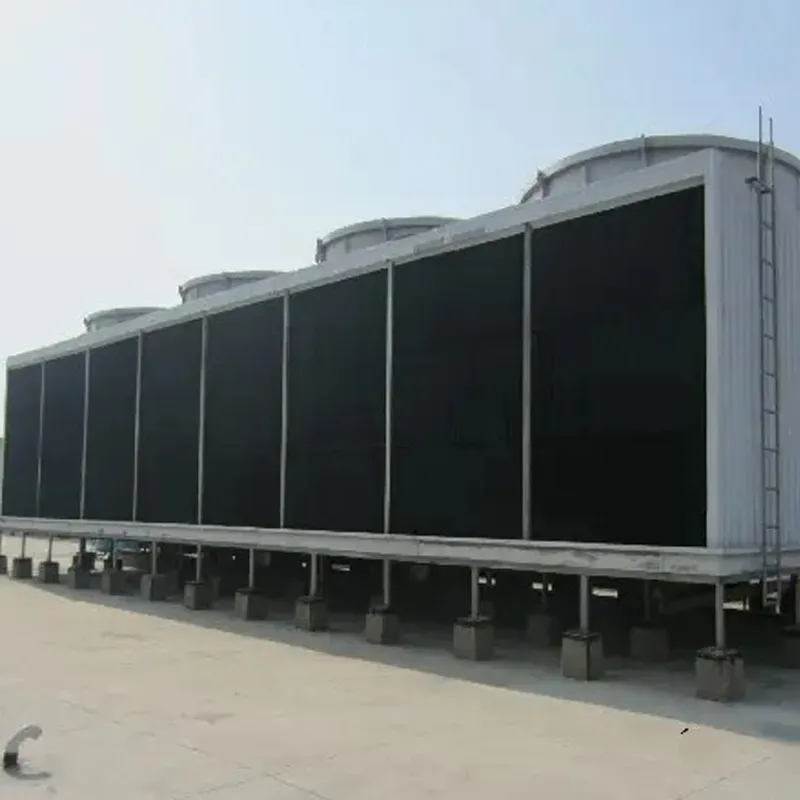
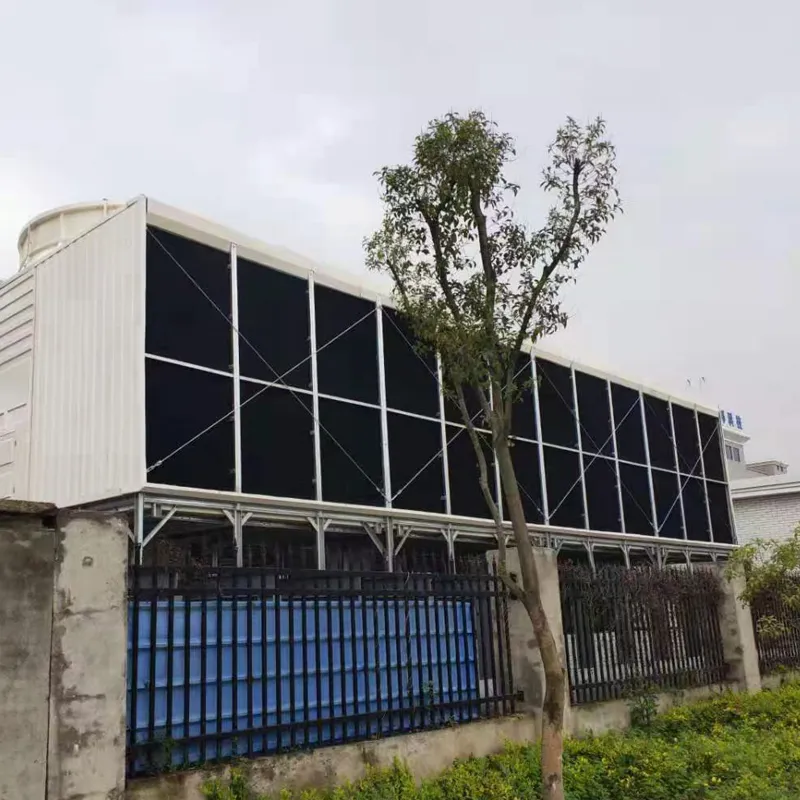
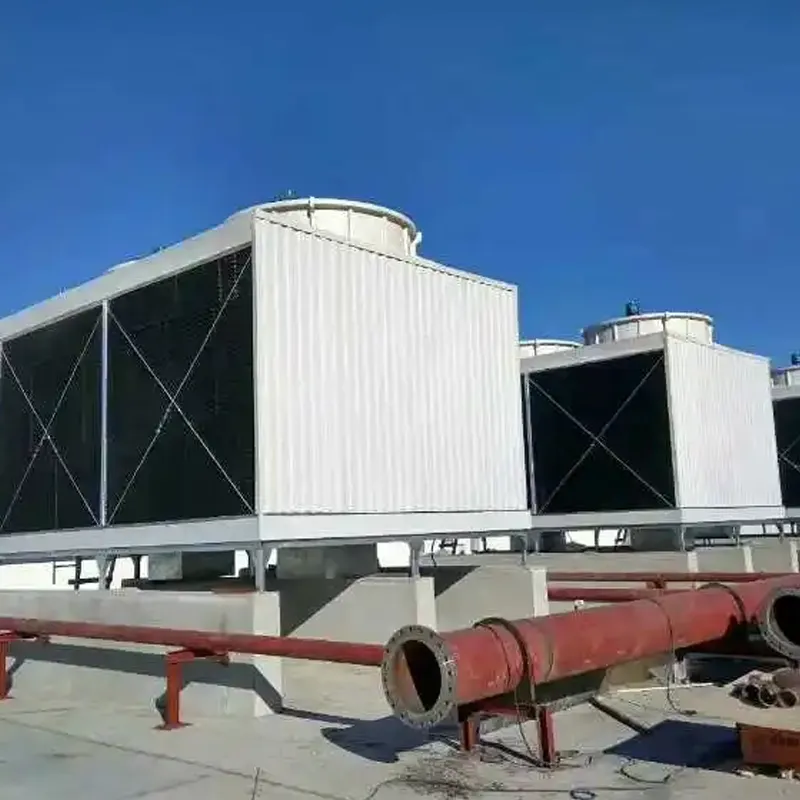
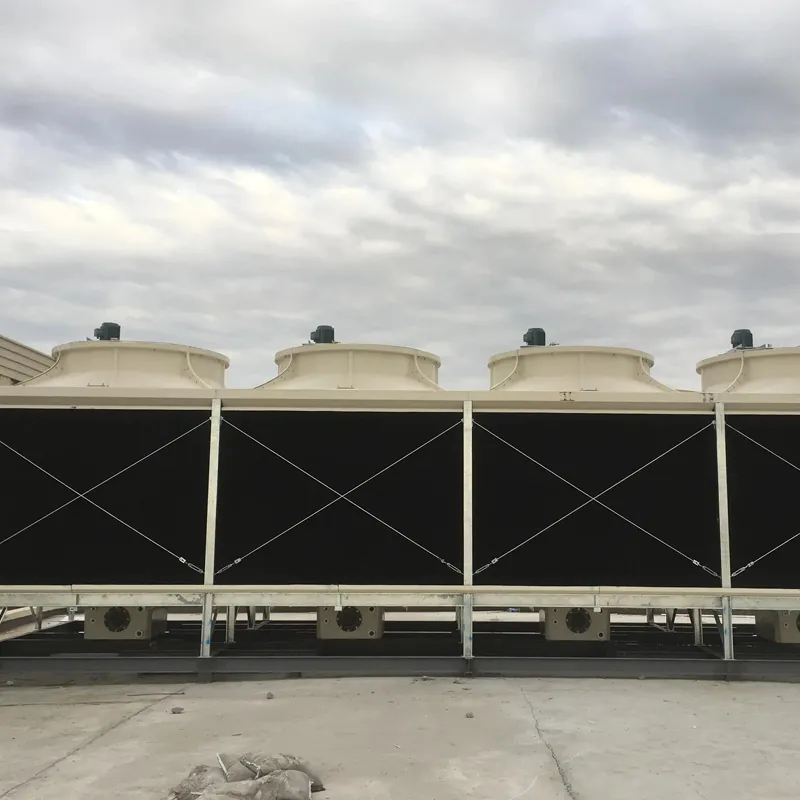
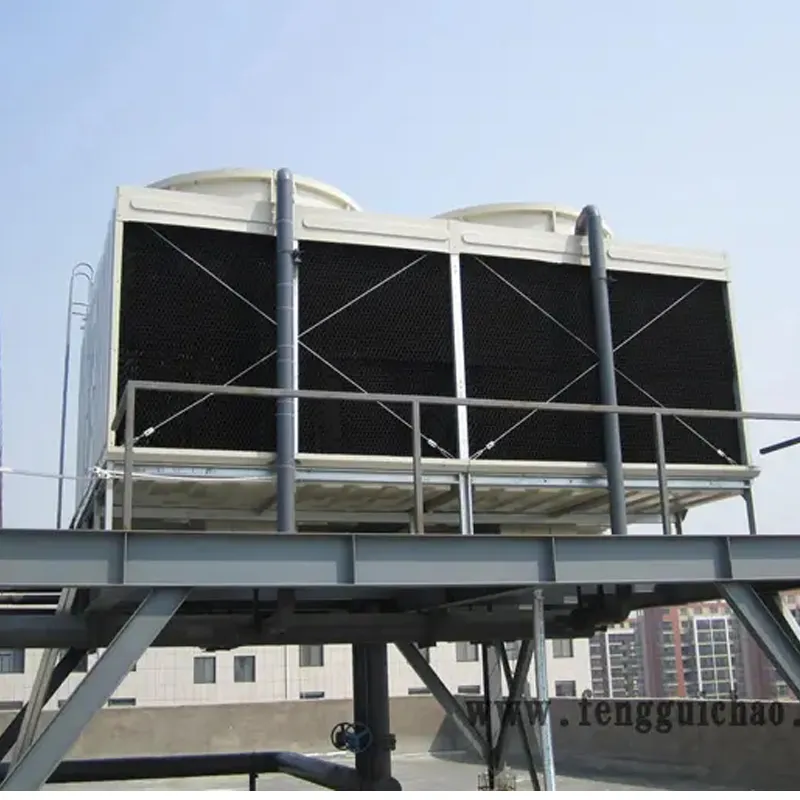
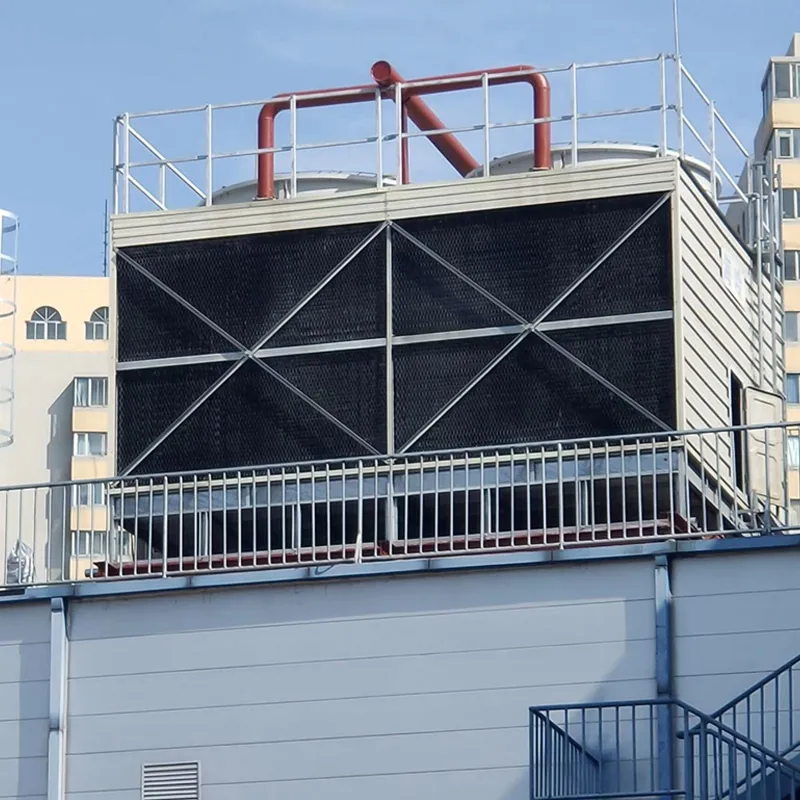
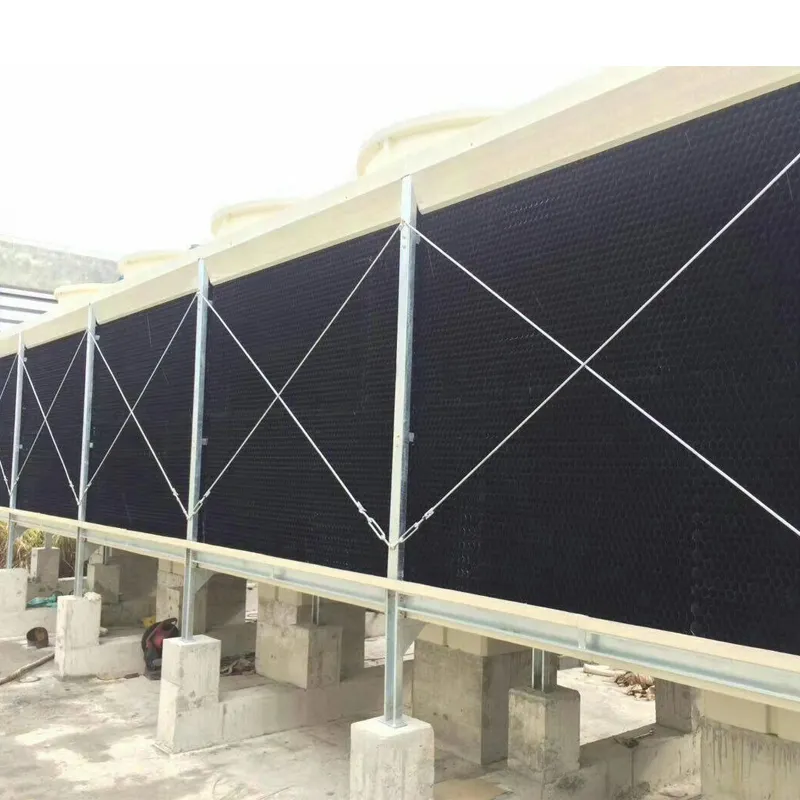
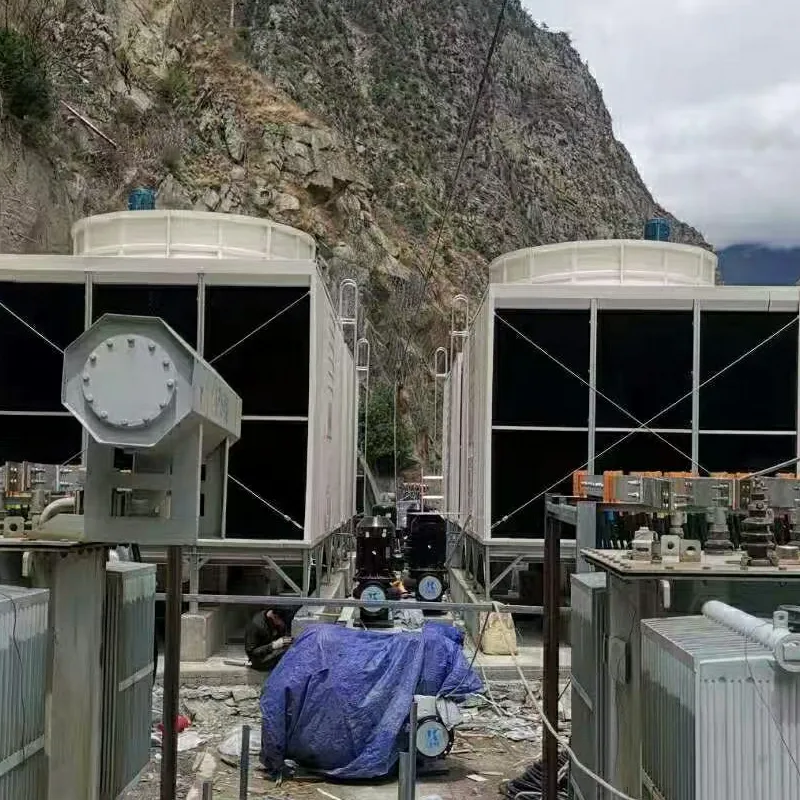
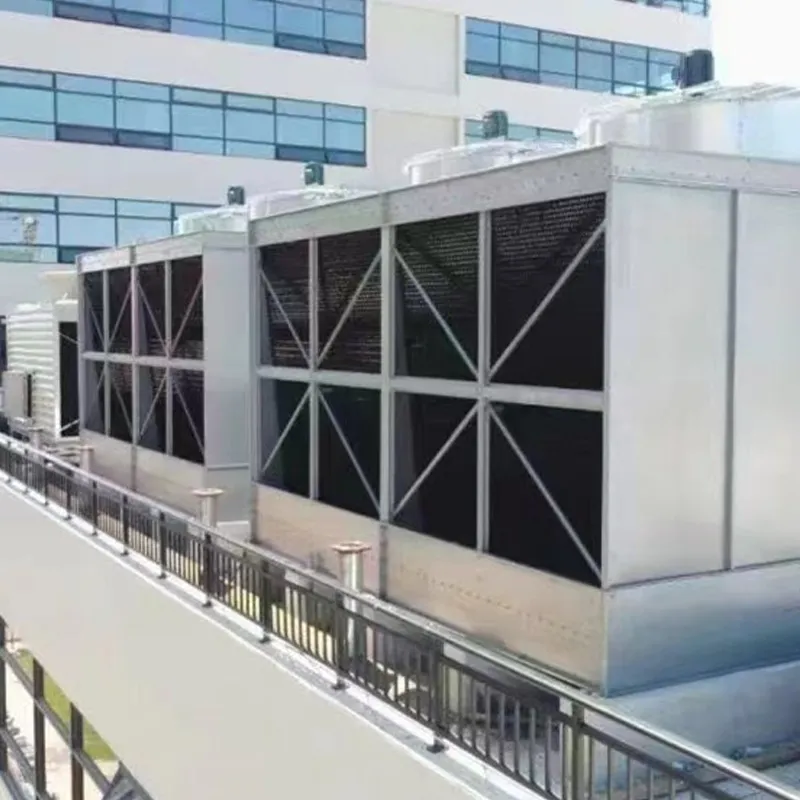
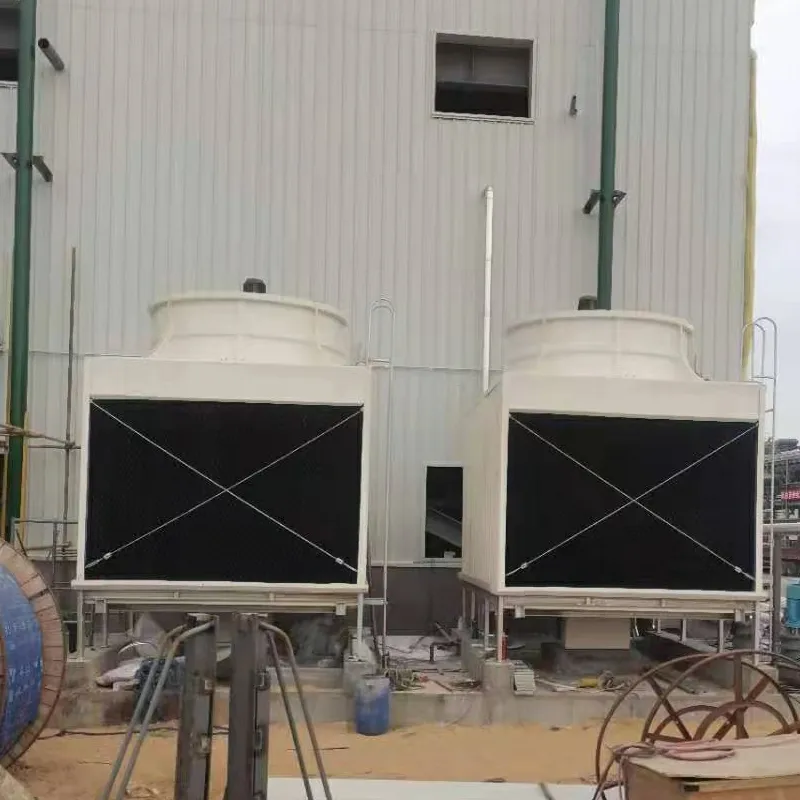
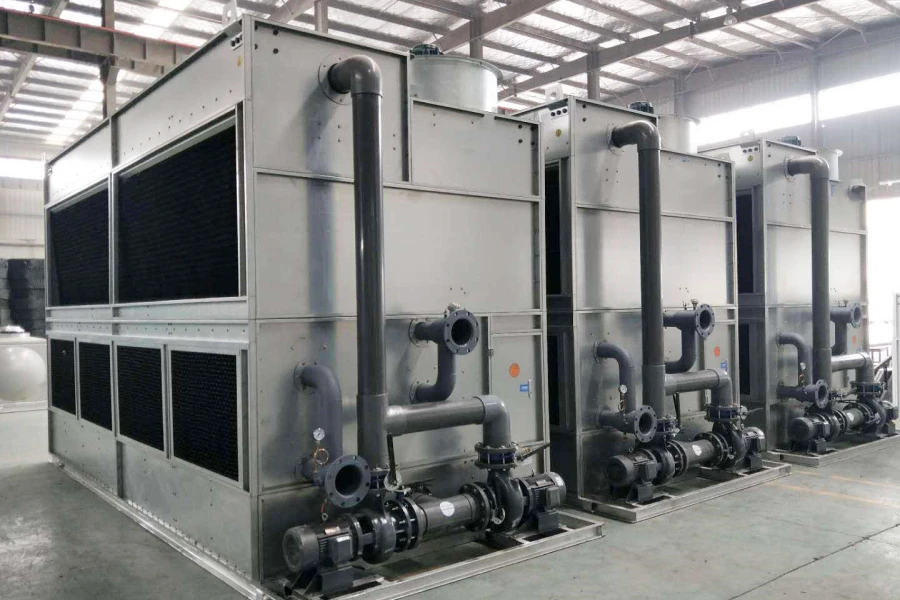
Airconditioning koeltoren
Technische introductie van airconditioningkoeltorens
1. Overzicht
Een airconditioningkoeltoren is een cruciaal onderdeel voor warmteafvoer in centrale HVAC-systemen. Het is ontworpen om restwarmte van condensors via verdampingskoeling af te voeren naar de atmosfeer. Het zorgt voor een efficiënte werking van koelcycli en wordt veel gebruikt in commerciële gebouwen (bijv. kantoren, ziekenhuizen en hotels) en industriële faciliteiten (bijv. datacenters). Belangrijke ontwerpaspecten zijn onder andere de capaciteit van de koelmachine, de natteboltemperatuur en ruimtelijke beperkingen.
2. Werkingsprincipe
-
Inlaat van warm water: warm water (meestal 37°C) komt vanuit de koelcondensor de koeltoren binnen.
-
Waterverdeling: sproeikoppen verdelen het water gelijkmatig over de vulmedia.
-
Warmtewisseling tussen lucht en water: ventilatoren zorgen ervoor dat de lucht in tegenstroom- of kruisstroomconfiguratie met het water in wisselwerking staat, waardoor verdampingskoeling mogelijk wordt.
-
Gekoeld water retour: Gekoeld water (≈32°C) circuleert terug naar de condensor.
3. Soorten koeltorens
4. Belangrijkste componenten en ontwerp
4.1 Kerncomponenten
Vulmedia: PVC- of PP-modules om het contactoppervlak tussen lucht en water te maximaliseren.
Ventilatorsysteem: Axiale/centrifugaalventilatoren (bijv. een 7,5 kW-motor voor een 100 TR-toren).
Waterdistributie: Roterende sproeiers of vaste sproeibuizen.
-Drift Eliminator: Vermindert waterverlies (<0,001% driftpercentage).
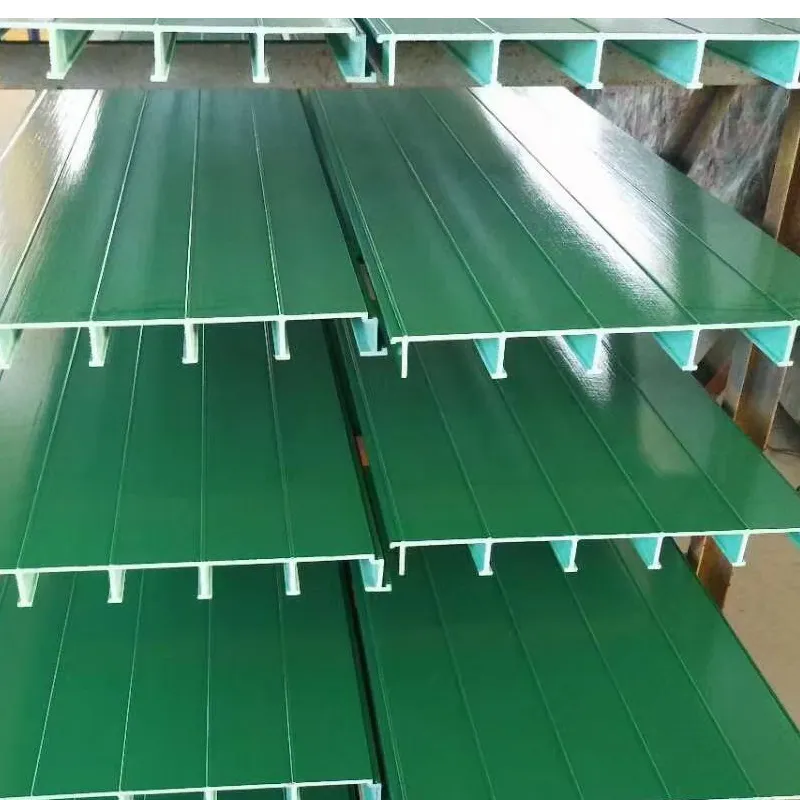
Behuizing: GVK (corrosiewerend) of gegalvaniseerd staal (kosteneffectief).
4.2 Ontwerpparameters
Koelvermogen (TR): 1 TR = 3,516 kW; torenvermogen = 1,2–1,3× koeler TR (om warmteverlies te compenseren).
Natteboltemperatuur (WBT): kritische ontwerpbasislijn (bijv. 28°C).
-
Benadering: Temperatuurverschil tussen gekoeld water en WBT (meestal 3–5°C).
5. Selectie- en configuratierichtlijnen
5.1 Formule voor het bepalen van de maatvoering
Waterstroom toren (m³/u) = \[ Koelcapaciteit (TR) × 3024 × 1,3 \] ÷ 5000
Voorbeeld: Voor een 500 TR-koelmachine → ≈393 m³/u.
6. Energie-efficiëntie en duurzaamheid
Energiebesparende technologieën:
Frequentieregelaars (VFD's) verminderen het ventilatorvermogen met 20–30%.
Vulmedia met hoog rendement (15% hogere warmteoverdracht).
Milieuvriendelijke kenmerken:
GVK is compatibel met koelmiddelen met een laag GWP (bijv. R-1233zd).
Geluidsbeheersing ≤65 dB(A) @ 1m (ASHRAE-conform).
7. Onderhoud en probleemoplossing
Routineonderhoud:
Wekelijks: Controleer het waterpeil/de pH-waarde (6,5–8,5).
Maandelijks: Vulmedia en filters reinigen.
Veelvoorkomende problemen:
Verminderde efficiëntie: Verstopte vullingen of onbalans in de ventilatoren.
Abnormaal geluid: Slijtage van de lagers of losse messen.
8. Typische toepassingen
Commerciële gebouwen: winkelcentra, kantoren (200–1.000 TR-torens).
Datacenters: Redundante N+1-configuraties.
Zorginstellingen: Gesloten torens voor besmettingspreventie.
9. Kostenreferentie (RMB)
|
Capaciteit (TR) |
Prijsklasse (10.000 RMB) |
Opmerkingen |
|
100 TR |
8–15 |
FRP tegenstroom, standaardconfiguratie. |
|
500 TR |
40–70 |
VFD-ventilatoren + slimme besturingen. |
|
1.000 TR |
80–150 |
Modulair ontwerp voor parallelle opstellingen. |
10. Internationale normen en certificeringen
ASHRAE 90.1: Eisen voor energie-efficiëntie.
EN 13053: Voldoet aan ventilatiesysteemvereisten (EU).
LEED-certificering: erkenning voor water-/energiebesparing.
Conclusie
Koeltorens voor airconditioning zijn essentieel voor de efficiëntie van HVAC-systemen. Tegenstroomtorens zijn geschikt voor hoogwaardige commerciële gebouwen, terwijl kruisstroommodellen uitblinken in renovaties met beperkte ruimte. Geef prioriteit aan slimme monitoringsystemen (geschikt voor IoT) en stem ontwerpen af op lokale WBT- en duurzaamheidsdoelen.
Voor merkaanbevelingen (bijv. BAC, SPX, EVAPCO) of gedetailleerde technische vergelijkingen, specificeert u uw projectvereisten (klimaatzone, budget, enz.).
What Is A Cooling Tower in Air Conditioning System?
A cooling tower in air conditioning system is a heat rejection device that removes excess heat from the chiller or condenser loop by transferring it to the atmosphere. The process involves circulating warm water from the HVAC system through the cooling tower ac units, where it is cooled by evaporation before being returned to the system.
This mechanism helps maintain the efficiency of chillers, compressors, and other components in the ac cooling tower system, reducing energy consumption and operating temperatures.
What Is The Function of Cooling Tower in Refrigeration System?
The primary function of cooling tower in refrigeration system is to cool down the hot refrigerant water coming from the condenser, ensuring stable performance of the entire system. Without proper heat rejection, the efficiency of the refrigeration process declines, leading to overheating and increased energy costs.
In simple terms, a cooling tower in a refrigeration system:
Removes heat from the circulating water
Maintains optimal condenser temperature
Supports continuous operation of chillers and refrigeration units
Prevents system overload or shutdown
Key Features of Our Cooling Tower AC Units
✅ High-Efficiency Heat Exchange Coils – Designed for maximum surface contact and heat transfer.
✅ Corrosion-Resistant Materials – FRP or galvanized steel casing for durability in all climates.
✅ Low Noise Fans – Quiet axial fans reduce environmental noise in urban and commercial areas.
✅ Energy-Saving Motors – Equipped with variable frequency drives (VFDs) for reduced power usage.
✅ Easy Maintenance Access – Modular structure for quick inspection and servicing.
✅ Compact Footprint – Vertical design saves space while delivering powerful performance.
Applications of AC Cooling Tower System
Our ac cooling tower system is used across a wide range of industries, including:
Commercial Buildings: Office complexes, hotels, hospitals, shopping malls
Industrial Plants: Injection molding, chemical production, power stations
Refrigeration Systems: Cold storage warehouses, food processing units
Data Centers: Efficient cooling for server racks and IT environments
Institutional Use: Universities, research labs, government facilities
Air Conditioning Cooling Tower Technical Specifications
| Parameter | Specification |
| Cooling Capacity | 10 – 1000+ tons |
| Casing Material | FRP / Galvanized Steel / Stainless Steel |
| Filling Material | PVC / PP honeycomb fill media |
| Fan Type | Axial / Centrifugal |
| Motor Power | 1.5 kW – 75 kW (VFD optional) |
| Water Flow Rate | 10 – 2500 m³/h |
| Noise Level | ≤ 60 dB(A) at 5m |
| Inlet/Outlet | Flanged or threaded (customizable) |
Why Choose Our Cooling Tower in Refrigeration System
✔️ Superior Heat Dissipation – Built to maintain efficient condenser performance even under peak load.
✔️ Energy Optimization – Reduces chiller load and power consumption, improving overall building energy rating.
✔️ Long Service Life – Weather-resistant design and premium-grade bearings extend product life up to 15-20 years.
✔️ Flexible Integration – Easily connects to all standard chillers and cooling tower in refrigeration system setups.
✔️ Global Supply Chain – Quick delivery and spare part availability across the US, EU, Middle East, and Asia-Pacific.
Ready To Upgrade Your Cooling System?
Let us help you design the most efficient cooling tower ac units for your project. Whether it's for new construction or retrofitting existing systems, our engineering team will ensure the solution meets your performance, budget, and installation needs.
📞 Contact us today for a free consultation, custom design, or competitive quote.
a cooling tower in a refrigeration system
ac cooling tower
cooling tower hvac system
cooling towers hvac
function of cooling tower in refrigeration system

Wat onze klanten zeggen over airconditioningkoeltorens

Veelgestelde vragen over airconditioningkoeltorens
-
V: Wat is een airconditioningkoeltoren?
A: Een airconditioningkoeltoren is ontworpen om overtollige warmte van airconditioningsystemen af te voeren en zo efficiënte koelprestaties te garanderen.
-
V: Waar worden airconditioningkoeltorens doorgaans gebruikt?
A: Deze torens worden gebruikt in grote gebouwen, commerciële complexen en industriële faciliteiten met centrale airconditioningsystemen.
-
V: Wat zijn de voordelen van het gebruik van een airconditioningkoeltoren?
A: Ze verbeteren de energie-efficiëntie, verlagen de operationele kosten en verlengen de levensduur van HVAC-systemen.
-
V: Hoe draagt een airconditioningkoeltoren bij aan de prestaties van uw HVAC-systeem?
A: Doordat ze warmte efficiënt afvoeren, zorgen ze ervoor dat airconditioningsystemen optimaal functioneren, zelfs bij een hoge koelvraag.





Adres
20 Xingyuan South Street, Zaoqiang County, Hengshui City, provincie Hebei, China


