



We Are Open 24 Hours a Day, 7 Days a Week, Including Weekends and Public Holidays.

What Is an Axial Centrifugal Fan? Comprehensive Guide & Applications
Understanding the Axial Centrifugal Fan: Essential Insights for a Global Industry
Put simply, an axial centrifugal fan is a workhorse in countless ventilation and industrial applications worldwide. Its importance stretches far beyond factory floors; it’s crucial in climate control, pollution management, and even disaster relief settings. Grasping how these fans work and why they matter opens up a lens into a key piece of the global infrastructure puzzle.
Whether you’re an engineer unpacking design specs or a project manager assessing options for large-scale ventilation, this guide has a little of what you need. Plus, we'll touch on the real-world impact these fans have spanning continents and climates.
Global Context: Why the Axial Centrifugal Fan Is Indispensable
In 2023, the global HVAC market alone was estimated to grow beyond $240 billion, with axial centrifugal fans representing a significant chunk of moving and conditioning air efficiently (source: ISO standards). The United Nations' push towards sustainable infrastructure strongly resonates here—ventilation technologies with energy-efficient designs are front and center in city planning worldwide.
But here’s a problem worth noting: as urban centers densify and industrial sites expand, airflow requirements become more complex, demanding fans that balance size, power, and noise. Enter the axial centrifugal fan, often replacing older units that are noisy, less efficient, and harder to maintain.
In real terms, axial centrifugal fans tackle these airflow challenges by leveraging a hybrid action — combining axial movement with centrifugal force — to move large volumes of air with relative energy thrift. It’s that hybrid nature that elevates their role in modern industry and infrastructure.
Breaking It Down: What Exactly Is an Axial Centrifugal Fan?
In the simplest language, an axial centrifugal fan moves air using blades that rotate around an axis while also generating centrifugal force that pushes air outward. This design differentiates it from purely axial fans, which move air parallel to the rotation axis, and conventional centrifugal fans, which primarily use radial movement.
Think of it like a two-step dance: the fan pulls air in along the shaft, and simultaneously, the blades’ curvature and rotation fling air outward, boosting pressure and airflow efficiency.
This blend is vital in environments where strong airflow with moderate pressure is needed—like cooling large industrial plants, ventilating tunnels, or controlling emissions at a power plant.
Core Components and Key Factors
1. Impeller Design and Blade Geometry
The heart of the fan. The impeller is carefully crafted to create an optimal mix of axial and radial forces. Blade angle and count affect airflow rate and noise levels. Engineers may adjust blade curvature to suit applications from quiet office buildings to demanding industrial zones.
2. Motor and Drive Efficiency
The motor powering these fans directly impacts energy consumption. Modern designs feature brushless DC motors or high-efficiency AC motors, and some even integrate variable-speed drives to adapt airflow dynamically — an increasingly important feature for energy-conscious industries.
3. Durability and Material Choices
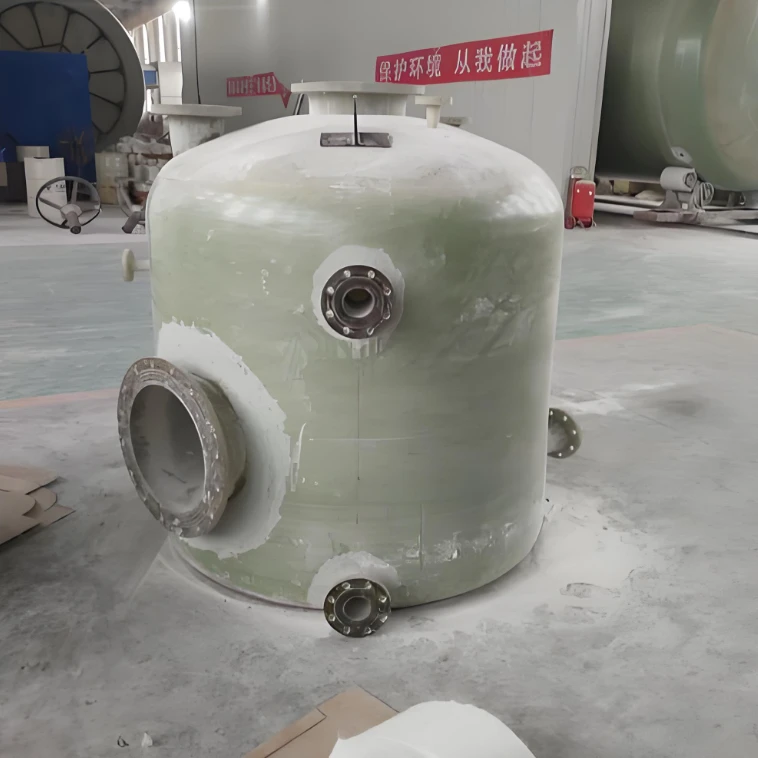
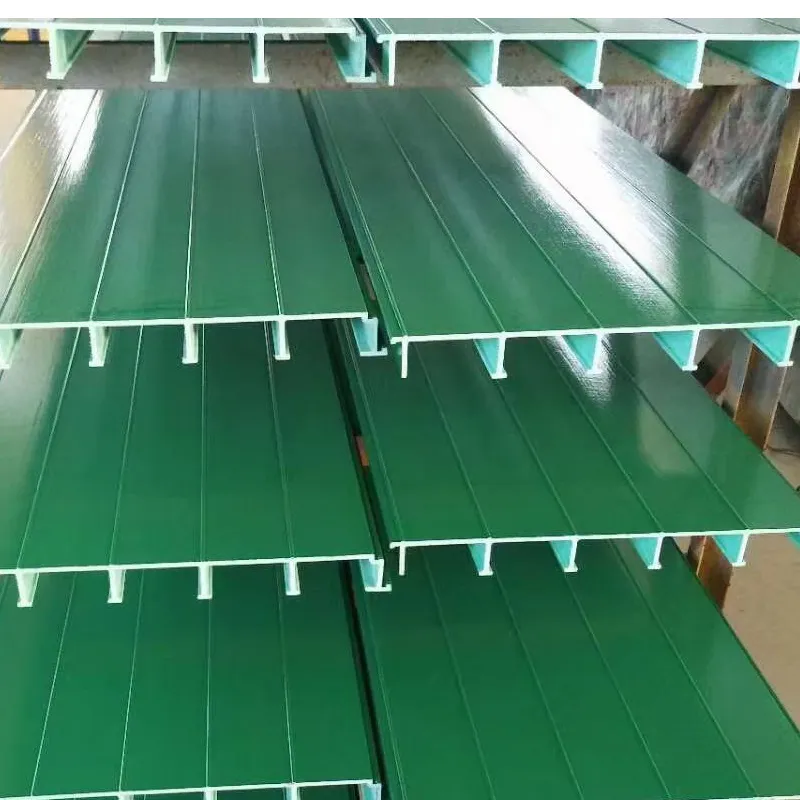
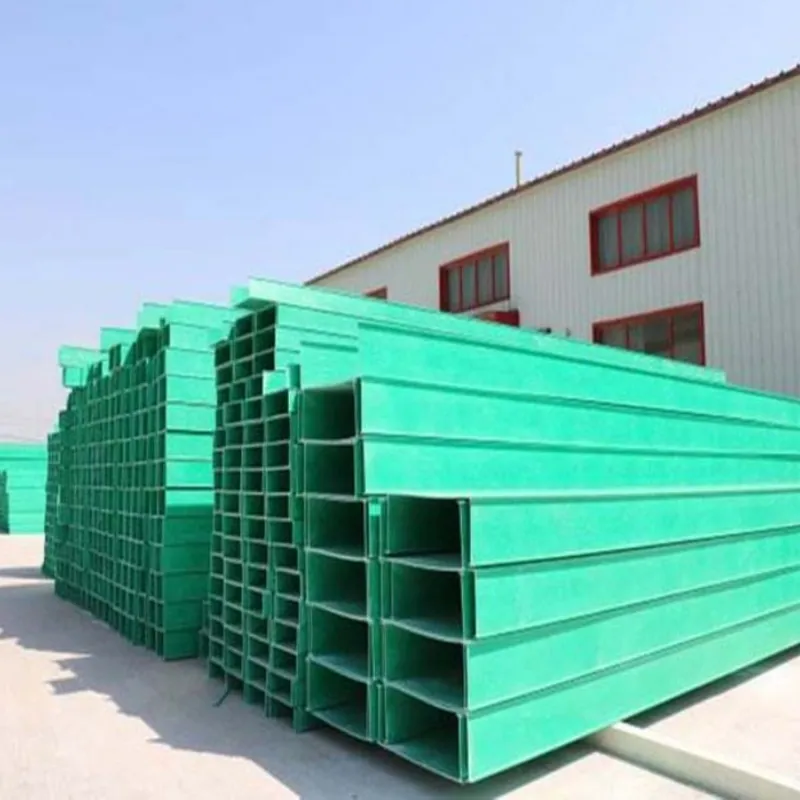
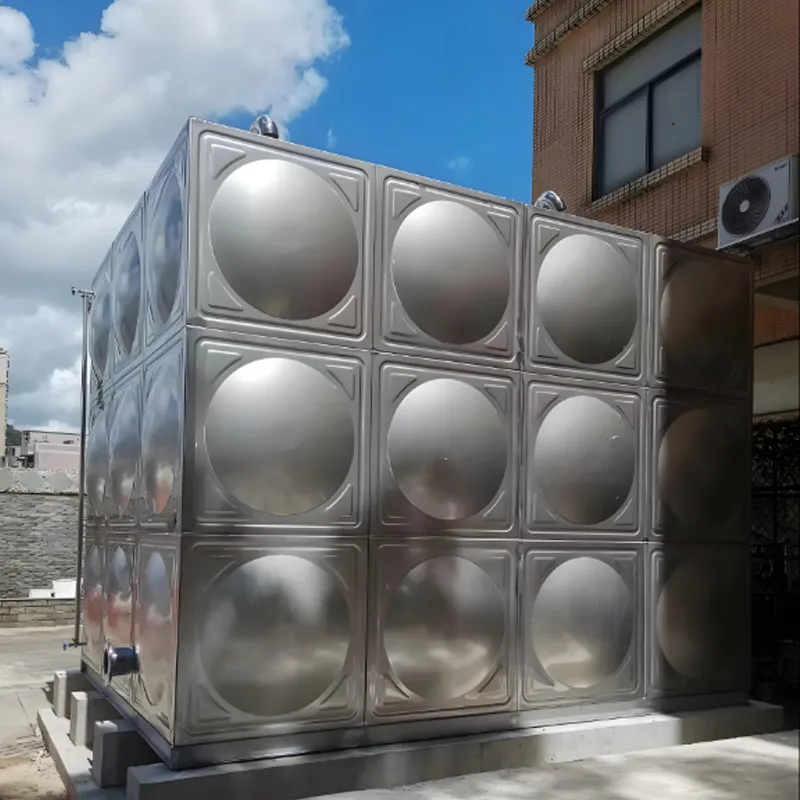
Depending on the environment, these fans might be built from lightweight aluminum alloys or robust stainless steel to resist corrosion, especially in coastal or chemical plant settings. Fiberglass reinforced plastics (FRP) often enter the picture where both strength and corrosion resistance are critical.
4. Noise & Vibration Control
In commercial and residential areas, noise is a dealbreaker. Modern axial centrifugal fans often incorporate special dampening mounts and aerodynamically optimized blade shapes to reduce unwanted sound — crucial for installations like hospital ventilation.
5. Scalability and Customization
One size rarely fits all. Vendors now offer modular designs that vary fan diameter, blade pitch, and motor size, allowing buyers to prioritize airflow, pressure, or size constraints without buying an off-the-shelf compromise.
Mini takeaway: The intricacy behind an axial centrifugal fan's construction is no accident — every part is a cog in a system designed for efficiency, durability, and specific airflow needs.
Global Applications: From Harsh Environments to Everyday Comfort
It’s fascinating to see how axial centrifugal fans serve diverse roles worldwide:
- Disaster Relief: Quickly deployed ventilation in post-disaster shelters, critical in humid zones to prevent mold and provide fresh air.
- Industrial Zones in Asia and the Middle East: Managing heat and emissions in factories or oil refineries, where tough environmental conditions demand fans that won’t fail.
- Urban Infrastructure: Underground metro tunnels in Europe and North America rely on massive axial centrifugal fans to clear smoke and maintain safe air quality.
- Remote Mining Operations: Ensuring worker safety deep underground by circulating clean, breathable air through confined tunnels.
Oddly enough, some NGOs even equip emergency water-pumping stations with these fans to cool equipment in isolated locations—proof the technology crosses industrial boundaries.
axial centrifugal fan solutions often need to be customized for site-specific environmental challenges, making vendor expertise a key asset.
Advantages & Their Long-Term Value
Here’s what stands out:
- Energy Efficiency: Compared to traditional fans, they deliver needed airflow at lower power consumption.
- Reliability: Low-maintenance designs withstand harsh conditions, reducing downtime.
- Quiet Operation: Essential in hospitals, schools, and offices, boosting comfort and tenant satisfaction.
- Environmental Impact: Many models support eco-friendly initiatives via recyclable materials and reduced carbon footprints.
- Social Impact: By improving ventilation in shelters, factories, and public spaces, they ensure health and dignity—something that’s easy to overlook but crucial.
Product Specification Table
| Specification | Typical Range | Remarks |
|---|---|---|
| Airflow Capacity | 5,000 - 50,000 CFM | Varies by impeller size |
| Static Pressure | 1,000 - 5,000 Pa | Measured under standard conditions |
| Motor Power | 1 - 75 kW | High-efficiency brushless options available |
| Noise Level | 60 – 85 dB(A) | Depends on housing and installation |
| Material | Aluminum, Steel, FRP | Selected based on environment |
Comparing Top Vendors
| Vendor | Customization | Lead Time | Support & Warranty |
|---|---|---|---|
| Long Xuan FRP | High (blade shape, materials, motor) | 4-6 weeks | 24-month warranty, 24/7 support |
| Global Vent Fans | Medium (standard models adjustable) | 6-8 weeks | 12-month warranty, business hours support |
| Clear Air Tech | Low (off-the-shelf models) | 2-3 weeks | 6-month warranty, online support only |
Future Trends and Innovations Shaping Axial Centrifugal Fans
The fan world isn’t standing still, believe me. Several exciting trends are emerging:
- Smart Fan Integration: IoT-enabled fans that adjust airflow automatically based on sensors for peak efficiency.
- Eco-Friendly Materials: Biodegradable composites and recycled materials replacing metals in certain parts.
- Advanced Aerodynamics: Using AI and CFD simulations to refine blade shapes beyond classical design limits.
- Hybrid Renewable Power: Fans powered partially by solar or wind sources for off-grid applications.
There’s also increasing interest in noise reduction via materials engineering, responding to tougher environmental noise regulations globally.
Challenges Faced Today and Emerging Solutions
Despite advances, some hurdles persist:
- Initial Costs: High-efficiency motors and materials bump up upfront prices, sometimes deterring smaller buyers.
- Maintenance Accessibility: Remote or hazardous locations make servicing difficult.
- Customization Complexity: Over-customizing risks delayed delivery or higher costs.
Innovative maintenance contracts, modular designs for easier onsite fixes, and better supply chain management help tackle these. Plus, axial centrifugal fan manufacturers increasingly offer remote diagnostics and rapid replacement parts to sidestep downtime.
FAQ: Your Axial Centrifugal Fan Queries Answered
- How does an axial centrifugal fan differ from a regular axial fan?
- While a typical axial fan moves air straight along the axis, an axial centrifugal fan uses additional centrifugal force to increase air pressure and volume. This hybrid movement boosts efficiency in demanding settings.
- Can axial centrifugal fans be used outdoors in harsh weather?
- Absolutely, provided they’re constructed with corrosion-resistant materials like stainless steel or FRP. Some models include weatherproof housings to withstand rain and dust.
- What's the typical energy saving when switching to an axial centrifugal fan?
- Many users report savings of 15-30%, depending on prior equipment and operating conditions, thanks to improved airflow efficiency and high-efficiency motors.
- Are these fans easy to maintain in remote industrial sites?
- Maintenance can be simplified with modular designs and local spare parts, but expert consultation is recommended to set up preventive schedules customized to site conditions.
- Where can I source customizable axial centrifugal fans for large-scale projects?
- Vendors like Long Xuan FRP specialize in highly customizable solutions, balancing lead times and design requirements.
Wrapping Up: Why Axial Centrifugal Fans Remain a Smart Investment
To sum it all up, axial centrifugal fans blend clever physics with sound engineering, delivering efficient airflow solutions that service a global array of industries and humanitarian efforts. Their adaptability, sustainability credentials, and long-term reliability make them an investment that keeps paying off—both financially and socially.
If your project demands airflow equipment that balances power, efficiency, and customization, you might want to visit Long Xuan FRP and explore their range of axial centrifugal fans designed for modern needs.
Mini takeaway: You rarely hear axial centrifugal fans in headlines, but behind the scenes, they quietly push fresh air and hope where it’s needed most.
References:
1. Wikipedia - Fan (machine)
2. ISO 5801:2017 Fans — Performance testing
3. UN Sustainable Development Goals – Infrastructure and Industrial Innovation






Address
20 Xingyuan South Street, Zaoqiang County, Hengshui City, Hebei Province, China


