



We Are Open 24 Hours a Day, 7 Days a Week, Including Weekends and Public Holidays.

Water Tanks for Sale | Durable & Cost-Effective Water Storage Solutions
Understanding Water Tanks for Sale: Essential Solutions for Global Water Storage
Water tanks for sale are more than just large containers — they represent a vital pivot in how communities, industries, and humanitarian organizations manage one of our planet’s most precious resources. Globally, as water scarcity looms and infrastructure demands grow, knowing about these storage solutions becomes critical. Whether for farming in arid regions, industrial use, or emergency relief, water tanks offer an accessible, often lifesaving way to collect, store, and utilize water efficiently.
Why Water Tanks Matter on a Global Scale
It might surprise many to realize that over 2 billion people worldwide lack access to safely managed drinking water, according to the WHO/UNICEF Joint Monitoring Programme. Water tanks help bridge this critical gap by providing decentralized storage that communities can rely on. Industrial sectors too rely heavily on secure water storage for operations — from construction sites to manufacturing plants. Yet, despite the obvious necessity, challenges around water access, storage safety, and distribution remain profound.
Water tanks for sale provide a tangible solution to these challenges — adaptable, scalable, and integral to supporting life, health, and productivity globally.
What Exactly Are Water Tanks for Sale?
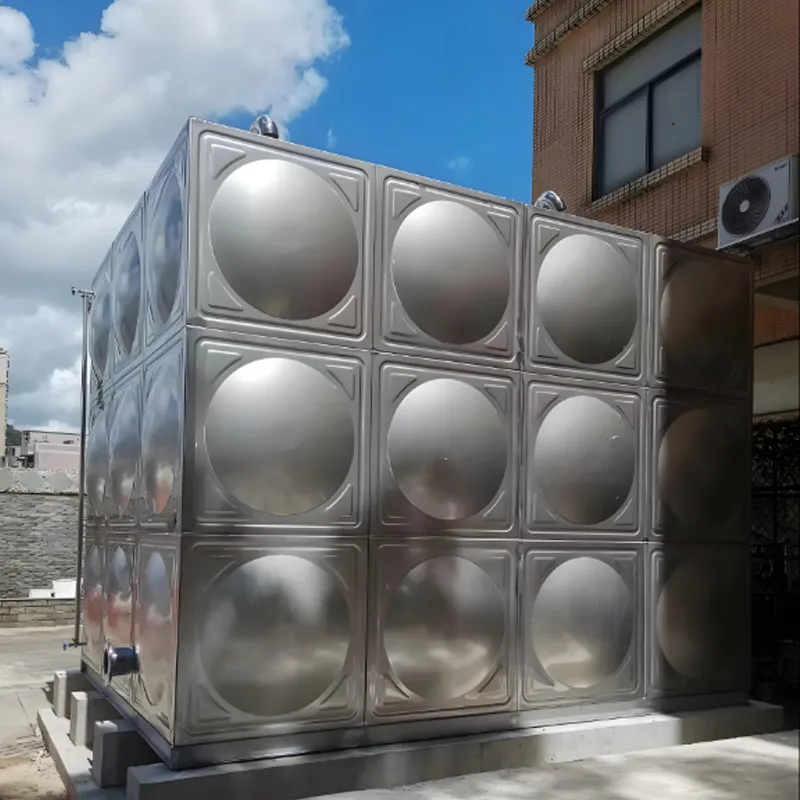
Simply put, water tanks for sale are commercially available containers engineered to hold and store water for various uses. They come in multiple materials such as polyethylene, fiberglass, steel, or concrete, each offering specific advantages depending on the environment and requirements. These tanks connect closely to sectors like agriculture, industry, municipal water management, and humanitarian efforts — essentially wherever there’s a need to capture and store water safely and reliably.
In modern terms, purchasing a water tank often involves considering capacity, durability, and compliance with safety standards to ensure long-term usability. Oddly enough, the simple idea of “buy a tank and fill it” often hides layers of complexity, from tank design to installation and maintenance.
Key Factors When Considering Water Tanks for Sale
1. Durability
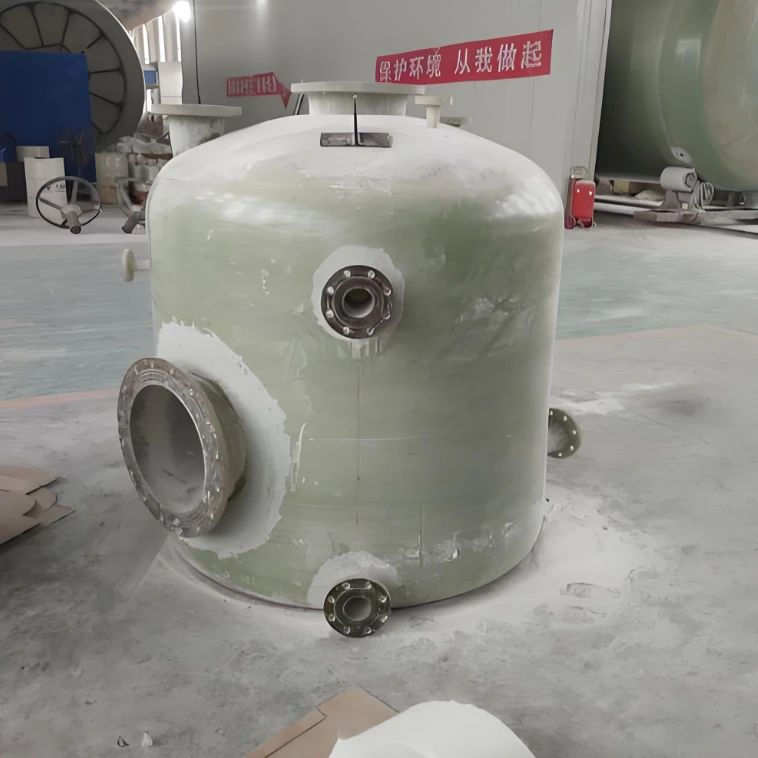
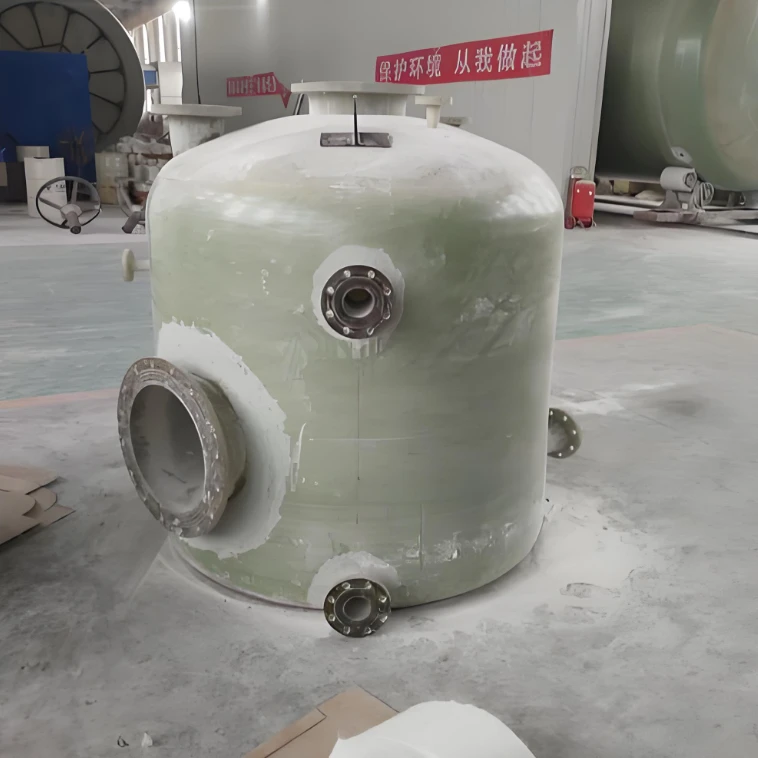
This one is huge. The tank has to survive weather extremes, chemical exposure, and physical wear. Fiberglass tanks, for example, resist corrosion and UV degradation better than metal tanks in coastal areas, while polyethylene tanks excel in portability and resistance to many chemicals.
2. Scalability
Water needs vary by site. Agricultural operations might want massive, multi-thousand-gallon tanks, whereas a remote construction site may only need smaller, modular tanks. Many manufacturers offer customizable sizes — even stackable or collapsible options for flexibility.
3. Cost Efficiency
Sure, budget matters. But more than just the upfront price, you want low maintenance, long service life, and energy-efficient filling and monitoring systems to keep total costs sustainable.
4. Hygiene and Safety Standards
Especially for potable water, tanks need certifications — for example, NSF/ANSI Standard 61 in the US or ISO standards globally — to ensure they're safe and won’t contaminate stored water. Knowing which tank meets these standards is essential.
5. Installation and Maintenance
Some tanks are plug-and-play, others need specialists for assembly and maintenance. Consider ease of cleaning, pipe fittings, and protective coatings that prevent bacterial buildup.
Product Specification Table
| Specification | Polyethylene Tank | Fiberglass Tank | Steel Tank |
|---|---|---|---|
| Capacity Range | 100 - 10,000 gallons | 500 - 20,000 gallons | 1,000 - 50,000 gallons |
| Material Weight | Lightweight | Moderate | Heavy |
| UV Resistance | High | Very High | Low without coating |
| Corrosion Resistance | High | Excellent | Poor without treatment |
| Typical Uses | Domestic, agriculture | Industrial, potable water | Large scale industrial |
Global Applications & Use Cases of Water Tanks for Sale
The versatility of water tanks is one of their strongest suits. In the agricultural heartlands of sub-Saharan Africa, for instance, farmers rely on polyethylene tanks to capture seasonal rains, mitigating drought risks. It’s sort of incredible how a simple tank can stabilize livelihoods in regions frequently by-passed by formal water infrastructure.
In urban industrial zones, fiberglass tanks often store potable and process water, given their corrosion resistance and longevity. Meanwhile, emergency relief organizations keep modular steel tanks in reserve for rapid deployment during disasters — think hurricanes in the Caribbean or floods in Southeast Asia — to supply clean drinking water when purification plants are damaged.
Even remote mining operations in Australia or Canada use large steel tanks to manage water onsite, ensuring environmental compliance while securing necessary process water.
Vendor Comparison: Popular Water Tank Suppliers
| Feature | AquaSafe Tanks | Global Water Solutions | EnviroTank Systems |
|---|---|---|---|
| Material Options | Polyethylene, Fiberglass | Steel, Polyethylene | Fiberglass, Steel |
| Standard Certifications | NSF/ANSI 61 | ISO 9001, NSF | ISO 14001 |
| Customization | High (sizes & features) | Medium (standard sizes) | High (design & coatings) |
| Lead Time | 2-4 weeks | 4-6 weeks | 3-5 weeks |
| Typical Clients | Agriculture, NGOs | Industrial, Municipal | Relief agencies, Mining |
Advantages & Long-Term Value of Water Tanks for Sale
It’s one thing to buy a water tank; it’s another to invest in a solution that lasts and supports your goals. Water tanks can drastically reduce costs related to water sourcing, especially in areas where piped water is absent or unreliable. The sustainability aspect is also compelling: capturing and storing rainwater reduces reliance on groundwater and municipal systems, promoting conservation.
Socially, water tanks empower communities by improving access to clean water, which in turn boosts health outcomes and dignity. Many engineers tell me that trust in reliable storage encourages better water use behaviors and hygiene practices — connecting the dots between technology and community wellbeing.
Future Trends & Innovations
Looking ahead, water tanks are embracing digital transformation. Smart sensors now monitor water quality, levels, and leakage remotely, cutting unnecessary water loss. New composite materials are emerging — think blends of recycled plastics and nanomaterials — enhancing strength while lowering environmental footprints. Sustainability policies globally are encouraging rainwater harvesting tanks in building codes and urban planning.
There’s also talk of integrating solar-powered pumping and filtration systems built directly with tanks, making self-sufficient water stations a real possibility, especially for underserved regions.
Challenges & Practical Solutions
Despite all these advances, challenges remain. Installation in remote or disaster zones can be tricky and costly. Some tanks struggle with algae growth even when nominally UV resistant. Maintenance is often overlooked, leading to premature failures.
Experts recommend regular cleaning schedules, applying anti-microbial coatings, and partnering with trusted vendors who provide after-sales support. Online resources and user guides have made it easier for operators to manage tanks — but frankly, more training and awareness are needed.
FAQs About Water Tanks for Sale
- Q: How do I choose the right water tank material?
A: Consider the tank's purpose (potable vs. industrial), environmental conditions (UV exposure, corrosion risk), and budget. Polyethylene suits many domestic uses; fiberglass excels in corrosive settings; steel fits large-scale industrial needs but requires coatings. - Q: What is the typical lifespan of a water tank?
A: Lifespan varies—polyethylene tanks often last 10-15 years, fiberglass 20+ years, and properly maintained steel tanks even longer. Careful maintenance can greatly extend usability. - Q: Are water tanks for sale easy to install?
A: Many smaller or modular tanks are straightforward to install, especially polyethylene options. Larger fiberglass or steel tanks may need professional installation due to weight and complexity. - Q: Can water tanks be used for emergency relief?
A: Absolutely. Portable, easy-to-deploy tanks are key assets in disaster response for storing clean water when infrastructure is down. - Q: How can I ensure my water tank keeps water safe?
A: Choose tanks with appropriate certifications, clean regularly, protect from direct sunlight when possible, and consider treatment options like UV filtration or chlorination if needed.
Conclusion
Investing in water tanks for sale is really deciding on water security and sustainability — in agriculture, industry, or community life. Their benefits ripple from cost savings through to protecting human dignity. If you’re considering a purchase, explore trusted vendors, understand your needs fully, and keep future-proofing in mind. For reliable, quality solutions, visit our website: water tanks for sale to explore a range of products tailored for your needs.
In the end, water tanks are more than storage — they’re a foundation of resilience and hope, especially as global water challenges grow.
References:






Address
20 Xingyuan South Street, Zaoqiang County, Hengshui City, Hebei Province, China


