



We Are Open 24 Hours a Day, 7 Days a Week, Including Weekends and Public Holidays.

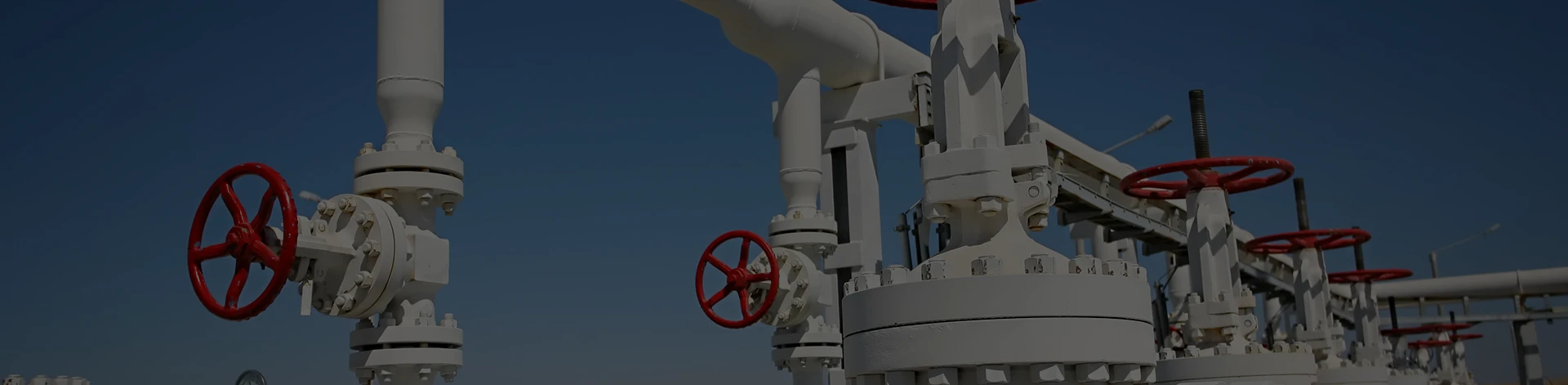
Understanding FRP Pipe Cost: Insights from Industry Pros
Nov . 14, 2025 09:00
Breaking Down FRP Pipe Cost: What You Need to Know
Working in industrial equipment for more than a decade, I’ve seen how “FRP pipe cost” can trip up even seasoned engineers and procurement folks. At first glance, fiberglass reinforced plastic pipes look straightforward—lightweight, corrosion-resistant, and generally durable. But the price? That’s where things get interesting. Oddly enough, FRP pipes don’t have a fixed “per meter” rate that applies everywhere. Why? Because cost depends heavily on design specs, raw materials, testing requirements, and, frankly, who you’re buying from. I remember once a client complained the quote was twice what they expected. Turns out, they hadn’t factored in the special resin used for highly acidic wastewater. Those little details can drive prices up or down more than you think. In real terms, think of FRP pipe cost like buying a tailored suit. You can pick something off-the-rack that works fine, or go bespoke with precise wall thicknesses, different reinforcements, and custom flange fittings. The cost jumps, but so does performance and longevity. Now, if you want a reliable vendor, here’s my take — one solid resource is FRP pipe cost. They offer transparency on pricing and specs, which is rare and helps avoid those “surprise” moments later.What Goes Into FRP Pipe Costs? Material and Design Factors
Two main materials drive the price tags here: glass fiber and resin types. Not all resins are created equal—some resist chemicals better but cost more, like vinyl ester or epoxy resins versus the more common polyester. Then there’s fiber architecture; is it predominantly continuous filament or chopped strand mat? The layup method influences structural strength, which feeds directly into price. Design parameters like diameter and pressure rating? Big players in cost variance. A 6-inch pipe rated for 10 bar pressure might be affordable, but increase diameter and pressure rating, and costs scale fast. Thickness requirements add another layer, and oddly enough, environmental certifications or testing—like UV resistance or fire retardation—push the budget more than you’d expect.FRP Pipe Specifications At a Glance
| Specification | Typical Range | Notes |
|---|---|---|
| Diameter | 20mm to 2000mm | Custom sizes common |
| Pressure Rating | 0.5 MPa to 3.0 MPa | Varies with application |
| Resin Type | Polyester, Vinyl Ester, Epoxy | Chemical resistance differs |
| Wall Thickness | 3mm to 40mm | Depends on pressure rating |
| Standard Lengths | 6m or custom cut | Custom cutting affects cost |
Comparing Vendors: What Really Shapes Pricing Differences?
When I’m helping clients select FRP pipe vendors, three things pop up again and again: material quality, customization options, and post-sale support. Below is a quick comparison I’ve jotted down based on real-world suppliers I’ve worked with:| Vendor | Material Quality | Customization Range | Lead Time | Support & Warranty |
|---|---|---|---|---|
| LongXuan FRP | High-grade resin & fiber | Extensive | 4-6 weeks | 5-year warranty, tech support |
| Competitor A | Mid-grade resin | Limited options | 3-5 weeks | 3-year warranty |
| Competitor B | Budget resin | Minimal customization | 2-4 weeks | 1-year warranty |
Final Thoughts on FRP Pipe Cost
I suppose the takeaway here is: don’t let “cost” fool you into just picking the cheapest pipe. The benefits of FRP—corrosion resistance, lighter weight, and customization—can yield savings down the line in maintenance and downtime. Many engineers say it’s a classic case of spending a bit more now to avoid major headaches later. If you’re navigating this space for the first time or looking to switch suppliers, do your homework on specs and vendor transparency. And yes, that includes asking for detailed quotes that break down what you’re paying for. In any case, FRP pipes continue to carve out a strong niche in industries from wastewater to chemical processing—because they just work, given the right design and quality. And honestly, when they do work well, it feels kind of satisfying—like knowing you picked the exact right tool for the job.References:
- Industry insights from LongXuan FRP official site.
- Discussions with plant engineers regarding corrosion-resistant piping.
- Experience in industrial procurement and supplier relations.
Resources

Products



Can't Find The Products And Services You Need?
If you need our help,
Our staff will be happy to help and answer your questions!

Factory Processing
The factory processes raw materials into finished products using advanced machinery and skilled labor.

Build Synergy
We provide collaborative services tailored to client needs, ensuring seamless communication and mutual growth.

Global Supply
Our innovative products are bestsellers worldwide, celebrated for their exceptional quality, reliability, and global appeal.

Global Supply
We ensure consistent product availability through a reliable and efficient global supply network.
Address
20 Xingyuan South Street, Zaoqiang County, Hengshui City, Hebei Province, China


