



We Are Open 24 Hours a Day, 7 Days a Week, Including Weekends and Public Holidays.

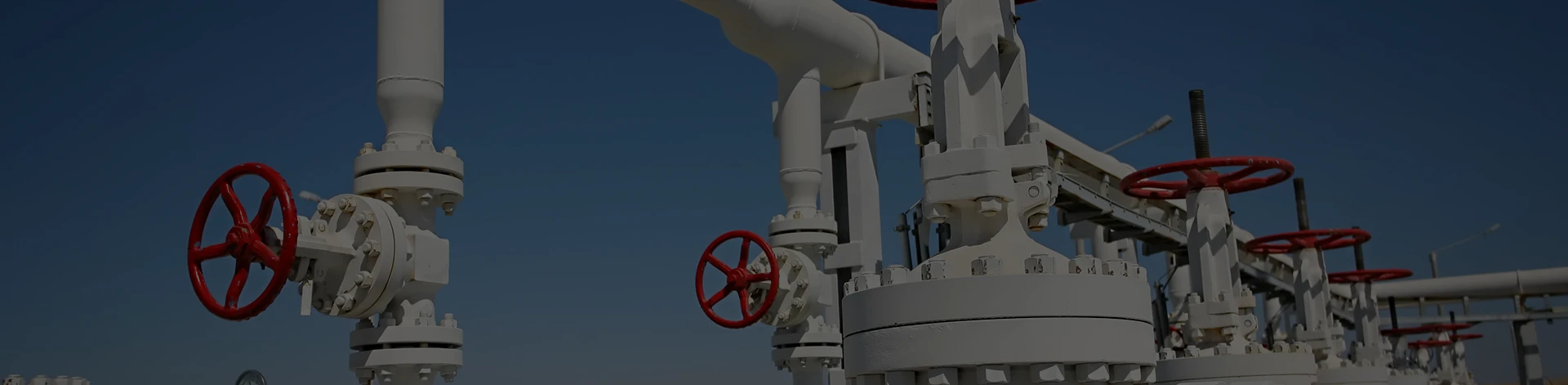
Top Fiberglass Reinforced Pipe Manufacturers to Know in 2024
Fiberglass Reinforced Pipe Manufacturers: Insights from the Field
Having worked around industrial facilities for over a decade, I’ve learned a few things about piping—especially fiberglass reinforced pipes (FRP). They’re sort of the unsung heroes in corrosive and demanding environments, quietly delivering reliable service where metals often falter. But not all fiberglass reinforced pipe manufacturers are cut from the same cloth, and picking the right partner can make a world of difference.
Fiberglass reinforced pipes owe their popularity largely to their combination of durability and light weight. Unlike traditional steel or ductile iron pipes, FRP pipes resist corrosion from chemicals, saltwater, and even UV damage. I remember visiting a wastewater treatment plant where FRP piping was installed over a decade ago—still looking like new despite exposure to all sorts of harsh substances.
Why Choose Fiberglass Reinforced Pipes for Your Project?
Sure, there are plenty of materials for piping, but fiberglass reinforced pipes stand out due to their customizability and performance in brutal environments. Many engineers I've worked with swear by their ease of installation—since they’re lighter, you often need less manpower and smaller cranes, speeding up project timelines.
Also worth noting, the layered construction of FRP pipes offers excellent strength-to-weight ratio. I often tell clients, "It's like having the strength of steel but without the rust drama." The resin matrix combined with fiberglass strands is what gives these pipes their toughness and corrosion resistance.
Key Specifications of Typical Fiberglass Reinforced Pipes
| Specification | Typical Range/Value |
|---|---|
| Pipe Diameter | 2” to 72” (50 mm to 1800 mm) |
| Pressure Rating | 150 psi to 500 psi (approx. 1 to 3.5 MPa) |
| Material Composition | Vinyl ester/Polyester resin with E-glass or C-glass fibers |
| Temperature Range | -40°C to 120°C (-40°F to 248°F) |
| Corrosion Resistance | Excellent for chemicals, saltwater, acids |
| Typical Wall Thickness | 10 mm to 60 mm (varies with size and pressure rating) |
Comparing Leading Fiberglass Reinforced Pipe Manufacturers
While researching suppliers, I noticed a few key players have stepped up with different specialization areas. Some focus heavily on customization—meaning they can tailor resin types or fiber layering for unique environments. Others excel in quick delivery and cost efficiency. The best choice often depends on project scale and environmental conditions.
| Manufacturer | Specialty | Lead Time | Customization | Price Range |
|---|---|---|---|---|
| Longxuan FRP | Full resin and fiber customization | 4-6 weeks | High | Mid to High |
| Industrial Composites Inc. | Standardized FRP pipes, fast delivery | 2-3 weeks | Low | Low to Mid |
| FiberTech Solutions | Heavy-duty chemical plants | 5-7 weeks | Medium | Mid to High |
If you ask me, Longxuan’s flexibility and attention to detail really stand out. From resin formulation to custom wall thickness, their pipes can be fine-tuned to match the quirks of your plant or project. I worked with them on a recent municipal water project where having that custom touch saved us weeks of downtime and maintenance. That’s no small feat when millions of liters a day are flowing through your system.
Besides specs and prices, also keep an eye on testing and certification. Many manufacturers do standard hydrostatic testing, but some go beyond with UV exposure resistance or fire retardant ratings. It depends on where your pipes will be and what they will endure. The last thing you want is a surprise mid-project.
Overall, if you’re weighing options in the FRP world, look beyond the sticker price. Evaluate the manufacturer’s reputation, testing protocols, and ability to customize. You might pay a bit more upfront, but frankly, the long-term savings and peace of mind are worth it.
Feel free to explore options like Longxuan FRP who combine traditional craftsmanship with modern testing—it's a combo that just clicks in industrial settings.
Final Thoughts on Selecting Fiberglass Reinforced Pipe Manufacturers
Fiberglass reinforced pipes are more than a trendy alternative; they’re a practical solution tailored for challenging industrial environments. Working with the right manufacturer can streamline your process and ensure your piping system lasts through thick and thin—literally. So, whether it’s chemical plants, water treatment, or offshore platforms, don’t overlook FRP.
At the end of the day, experience counts. And from what I’ve seen, partnering with flexible, responsive manufacturers who understand field realities isn’t just smart—it’s crucial.
If you’re diving into FRP piping, I’d say start conversations early, ask about customization, and check their testing reports. It might feel tedious upfront, but it pays off.
Good luck with your project—and here’s hoping your pipes behave better than most!
References & musings:
1. Site visits and maintenance logs from a municipal water treatment facility (2015–2023)
2. Engineering conversations and vendor showrooms at trade events 2018–2023
3. Personal notes on FRP pipe testing and field performance over 10+ years






Address
20 Xingyuan South Street, Zaoqiang County, Hengshui City, Hebei Province, China


